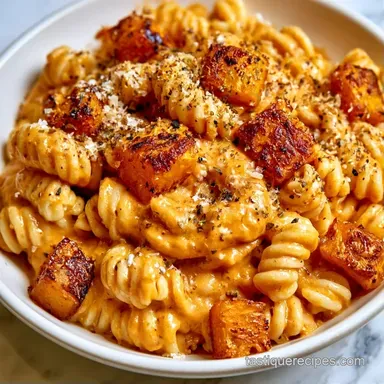
Creamy Roasted Butternut Squash Pasta
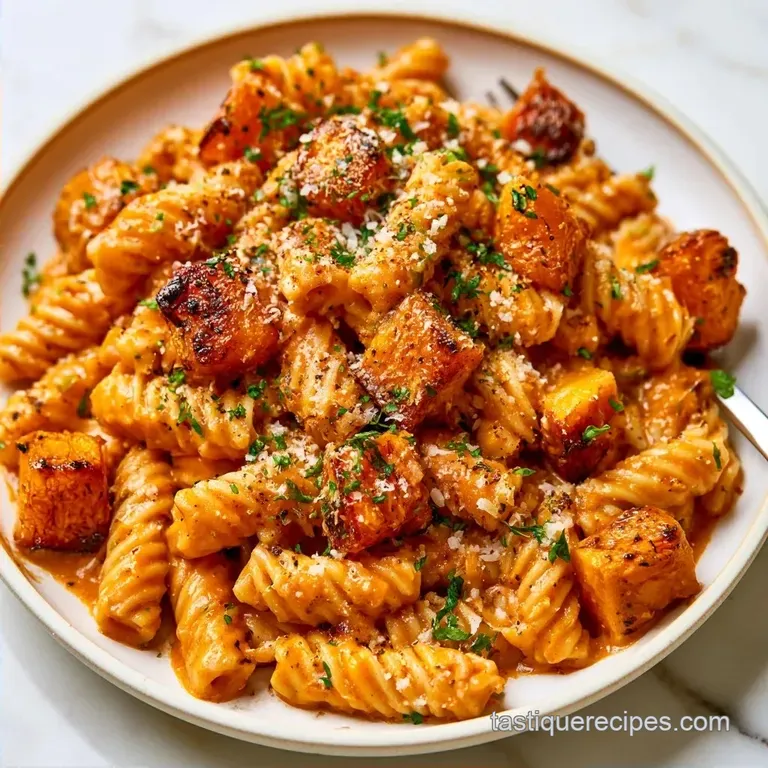
- Time: 20 min active + 25 min roasting
- Flavor/Texture Hook: Mahogany brown edges with a creamy, savory finish
- Great for: Cozy weeknight dinners or vegan friendly guest meals
The smell of roasting squash and fresh sage hitting a hot pan is the actual scent of autumn. I first made this for a group of friends on a rainy Tuesday in October, and we ended up eating the whole pot in fifteen minutes.
I wanted something that felt heavy and comforting but didn't rely on a gallon of heavy cream to feel satisfying.
The trick is the roast. Most recipes tell you to boil the squash, but that just makes it taste like wet cardboard. By roasting at high heat, the sugars brown and the flavor deepens.
You'll get a sauce that feels rich and glossy, coating every ridge of the pasta. This Butternut Squash Pasta is a great way to show that plant based cooking doesn't have to be bland or expensive.
Why the Roast Method Works
- over High heat Roasting: Roasting the squash at 400°F triggers caramelization. Serious Eats' testing shows that roasting concentrates the sugars, which avoids the watery taste you get from boiling.
- Starch Binding: Using reserved pasta water lets the sauce emulsify. The starch acts as a bridge between the squash puree and the pasta.
- Acid Balance: A hit of lemon juice at the end cuts through the natural sweetness of the squash.
| Method | Time | Texture | Best For |
|---|---|---|---|
| Oven Roast | 45 mins | Rich and concentrated | Depth of flavor |
| Stovetop Boil | 30 mins | Lighter and wetter | Quick prep |
The Ingredient Breakdown
| Ingredient | Role | If You Don't Have It |
|---|---|---|
| Butternut Squash | Base flavor and body | Pumpkin or Kabocha squash |
| Garlic | Savory depth | Garlic powder (use 1 tsp) |
| Pasta Water | Emulsifier | A splash of vegetable broth |
| Parmesan | Salt and umami | Nutritional yeast (for vegan) |
Ingredients and Substitutes
- 2 lbs (900g) butternut squash, peeled and cubed Why this? High starch content makes the sauce creamy (Substitute: Pumpkin chunks)
- 6 cloves (30g) garlic, peeled Why this? Roasting removes the harsh bite (Substitute: Shallots)
- 3 tbsp (45ml) olive oil (Substitute: Avocado oil)
- 1 tsp (5g) kosher salt (Substitute: Sea salt)
- ½ tsp (2g) black pepper (Substitute: White pepper)
- 1 lb (450g) ridged or tubular pasta such as penne or rigatoni Why this? Ridges catch more sauce (Substitute: gluten-free fusilli)
- ½ cup (120ml) reserved pasta water (Substitute: Veg broth)
- ½ cup (50g) grated Parmesan cheese (Substitute: Vegan parmesan)
- 2 tbsp (30g) unsalted butter (Substitute: Vegan butter or oil)
- 1 tbsp (15ml) lemon juice (Substitute: Apple cider vinegar)
- ¼ cup (15g) fresh sage, chopped Why this? Earthy notes balance the sweetness (Substitute: Fresh thyme)
Tools for the Job
While specialized gear isn't required, a few staples will speed things up. A large rimmed baking sheet is essential to keep the squash from crowding and steaming. I prefer a high speed blender, such as a Vitamix, for a silky sauce, though an immersion blender works well if using a deep pot.
To finish, grab a colander and a large stockpot for boiling the pasta.
Bringing the Dish Together
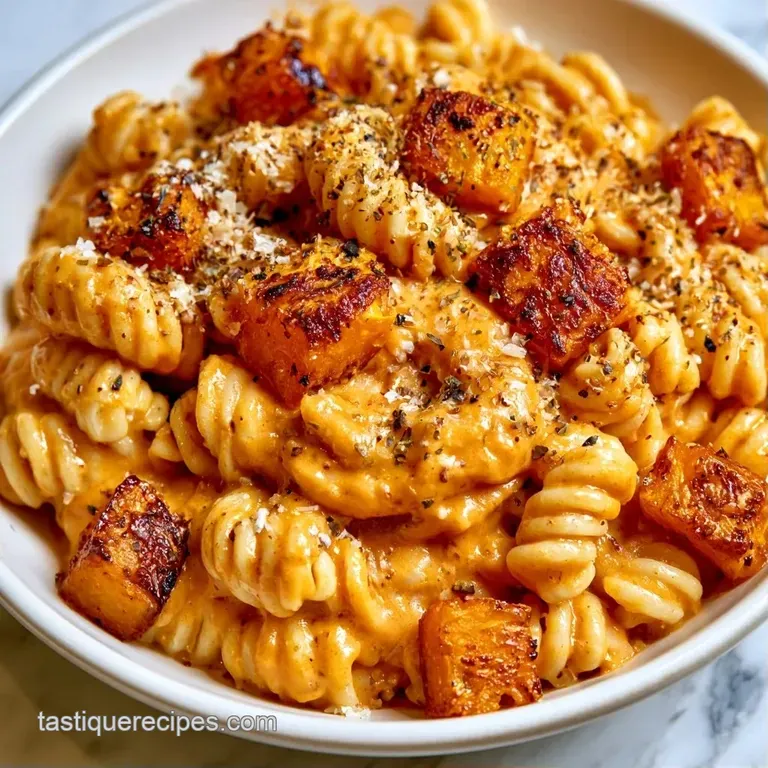
Phase 1: The Caramelization
Set your oven to 400°F (200°C). On a baking tray, combine the squash cubes and garlic cloves with olive oil, salt, and pepper. Arrange them in a single layer to ensure they roast rather than steam.
Bake for 20-25 minutes until the garlic is tender and the edges have turned a deep mahogany.
Phase 2: Creating the Velvety Sauce
Place the roasted garlic and squash into a blender, then add the lemon juice and butter. Process until the texture is entirely smooth. Should the sauce be too thick, stir in a tablespoon of warm water and blend once more until the consistency is glossy and pourable.
Phase 3: The Final Toss
Cook the pasta in salted water until al dente, making sure to save one cup of the cooking water before draining. Put the pasta back in the pot over low heat, stir in the butternut squash puree, and add the fresh sage and Parmesan.
Slowly pour in the saved pasta water while stirring until the sauce becomes creamy and coats the pasta perfectly.
Chef's Note: To boost the protein, mix in sautéed tofu cubes or a can of drained chickpeas just before serving.
Handling Common Sauce Issues
If your sauce looks like a thick paste, you likely over roasted the squash or didn't add enough pasta water. The starch in the water is what thins it out without losing the flavor.
When the garlic burns, it turns bitter. This happens if the cloves are too small or placed too close to the edge of the pan. I suggest tucking the garlic in the center of the squash cubes to shield them from direct heat.
If the dish tastes flat, it needs acid. The lemon juice is not optional. It wakes up the roasted notes and makes the Parmesan pop.
| Problem | Fix |
|---|---|
| Sauce is too thick | Add pasta water 1 tbsp at a time |
| Bitter taste | Remove burnt garlic bits before blending |
| Bland flavor | Add a pinch more salt or lemon juice |
Twists for Different Diets
Making a Vegan Butternut Squash Pasta is easy. Swap the butter for a plant based alternative and use nutritional yeast instead of Parmesan. The nutritional yeast adds a cheesy, nutty flavor that pairs well with the roasted squash.
For those avoiding gluten, use a brown rice or chickpea pasta. Just be careful with the boiling time, as gluten-free noodles can go from al dente to mush in seconds. You can also turn this into a Butternut Squash Pasta Bake by transferring the mixed pasta to a dish, topping it with panko breadcrumbs, and broiling for 3 minutes.
Pair this meal with a Caprese Salad recipe to add a fresh, acidic contrast to the richness of the sauce.
Customization Shortcut
- More tang? → fold in 1 tsp lemon zest
- Extra spice? → add 1/2 tsp red pepper flakes
- Heartier meal? → stir in 1 cup chickpeas
Keeping Leftovers Fresh
Store this dish in an airtight container in the cooler for up to 4 days. The sauce will thicken significantly as it sits because the pasta absorbs the liquid.
When reheating, do not use a microwave on high for long periods, or the sauce may separate. Instead, heat it in a pan over medium low heat and add a splash of water or milk to loosen the sauce.
To reduce waste, save the squash peels. You can roast them with a bit of oil and salt at 400°F for 10 minutes to make savory squash chips.
Plating Your Meal
For a bistro style presentation, use a wide bowl. Swirl the pasta in the center and top it with several crisp fried sage leaves. To make the garnish, simply heat one tablespoon of oil in a small pan and flash fry the leaves for 30 seconds until they are crunchy.
If you're hosting, a Homemade Salsa recipe serves as an excellent appetizer to awaken the taste buds before this rich main dish.
| People | Squash Amount | Pasta Amount | Pasta Water |
|---|---|---|---|
| 2 | 0.6 lbs | 0.33 lb | 1/4 cup |
| 4 | 1.3 lbs | 0.66 lb | 1/3 cup |
| 6 | 2 lbs | 1 lb | 1/2 cup |
Debunking Squash Myths
Some assume that peeling squash requires a knife, but a Y peeler is actually quicker and safer. Others believe that boiling is the only path to a smooth puree, yet roasting actually results in a more stable emulsion.
Whether you choose a vegan approach or include dairy, this Butternut Squash Pasta is a foolproof way to bring autumn flavors to your table. It is simple, hearty, and relies on oven heat instead of complicated techniques. Now, get those squash cubes roasting.
Recipe FAQs
Which pasta shapes work best for this sauce?
Use ridged or tubular pasta like penne, rigatoni, or orecchiette. These shapes catch the thick squash puree inside their folds.
How to roast the squash for the best flavor?
Heat your oven to 400°F (200°C) and coat the cubes in olive oil, salt, and pepper. Bake for 20-25 minutes until the edges achieve a mahogany brown hue.
Is it true that boiling squash is the best way to make the puree?
Actually, no. Roasting concentrates the sugars and avoids the watery taste often found in boiled squash.
What is the secret to a glossy, creamy sauce?
Slowly whisk in the reserved pasta water while keeping the heat on low. If you enjoyed creating this creamy emulsion, you'll love the similar technique used in our rose tteokbokki sauce.
Can I fix a sauce that is too thick?
Add a tablespoon of warm water and blend again. This brings the puree to a pourable consistency before tossing it with the noodles.
Why is lemon juice added at the end?
The acidity cuts through the natural sweetness of the roasted squash. It brightens the overall profile and balances the richness of the butter and cheese.
Creamy Butternut Squash Pasta