Vegan Egg Roll Bowl: Savory Tofu Stir-Fry
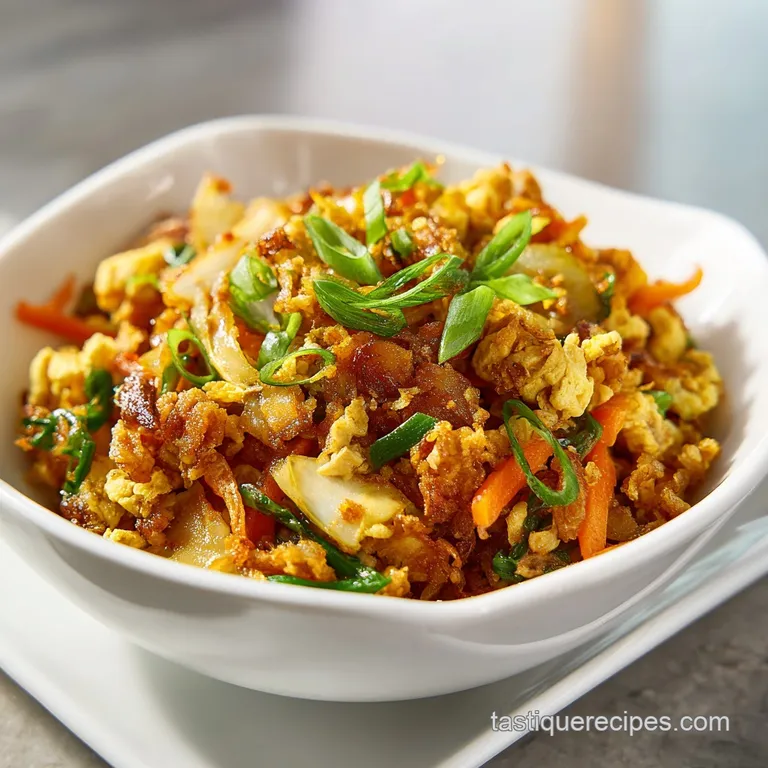
- Time: Active 10 mins, Passive 10 mins, Total 20 mins
- Flavor/Texture Hook: Savory sweet glaze over crispy, charred protein and snappy greens
- Perfect for: Busy Tuesday nights when you want the soul of takeout without the heavy grease
- The Best Easy Vegan Egg Roll Bowl
- Why This Simple Recipe Works Well
- Ingredient Deep Dive and Science Roles
- Essential Shopping List and Easy Swaps
- Kitchen Tools for the Best Results
- Bringing the Flavors Together Step by Step
- Fixing Common Cooking Mistakes Fast
- Flavor Variations and Creative Twists
- Scaling Up or Down Successfully
- Debunking Common Searing Myths
- Storage Tips and Reducing Kitchen Waste
- Presentation Tips for the Best Look
- Recipe FAQs
- 📝 Recipe Card
The Best Easy Vegan Egg Roll Bowl
Picture this: you’ve had a long day, the kind where the fridge looks uninspiring and the local takeout place has a 60 minute wait. I used to fall into the trap of ordering in, only to feel sluggish afterward.
Then, I started experimenting with the components of my favorite appetizers, stripping away the oily wrapper and focusing on what actually makes them shine that unmistakable hit of toasted sesame, the sharp bite of ginger, and the satisfying crunch of flash cooked cabbage.
The first time I made this, the aroma of the toasted sesame oil hitting the pan actually brought my neighbor to the door. It’s that deep, nutty fragrance that signals something truly savory is happening. When you toss in the garlic and ginger, the scent changes from "nutty" to "aromatic powerhouse," much like the base of my favorite Vegan Dan Dan recipe. It’s a sensory experience that makes the 10 minutes of prep feel like a ritual rather than a chore.
We're not just making a salad here; we're creating a balanced bowl where the tofu gets a golden, almost "shatter"-like exterior while the cabbage stays vibrant and snappy. I’ve made the mistake of dumping everything in at once before don’t do that. It leads to a watery mess.
Instead, we’re going to layer the textures, ensuring every bite has that authentic Asian flair we crave.
Why This Simple Recipe Works Well
The success of this dish relies on managing moisture and heat to prevent the vegetables from steaming.
- The Maillard Effect: Pressing the tofu removes excess water, allowing the proteins to undergo the Maillard reaction for a browned, savory crust.
- Starch Shielding: A light coating of cornstarch creates a microscopic barrier that crisps up instantly in the hot oil.
- Cellular Integrity: Adding the rice vinegar at the very end seasons the dish without breaking down the cabbage's cell walls too early.
- Aromatic Bloom: Heating the ginger and garlic in oil (blooming) fat soluble flavor compounds, distributing them evenly throughout the bowl.
The Physics of the Cabbage Crunch
Maintaining a snappy texture requires high heat and short cook times. When cabbage is exposed to prolonged heat, its pectin breaks down, turning the leaves limp and releasing water that dilutes your sauce.
By using a "flash fry" technique, we sear the outside of the shreds while keeping the interior structure intact, resulting in a satisfying bite that holds up against the heavy umami glaze.
| Prep Method | Speed | Texture Outcome | Best For |
|---|---|---|---|
| Fresh Whole Head | Slower (5 mins prep) | Maximum snap and vibrance | Weekend meals when quality is king |
| Bagged Coleslaw Mix | Instant (0 mins prep) | Slightly softer, thinner shreds | 15 minute weeknight emergencies |
| Food Processor | Fast (2 mins prep) | Very fine, uniform pieces | People who prefer a softer, integrated bowl |
Choosing between fresh and pre cut is the biggest hurdle to getting dinner on the table. If you have five extra minutes, slicing a fresh head of cabbage manually yields a much better "shatter" texture because the pieces are thicker and less oxidized than the bagged stuff.
However, the pre cut mix is a valid shortcut when you're exhausted just make sure to pat it dry before it hits the pan to avoid unwanted steaming.
Ingredient Deep Dive and Science Roles
Understanding what each component brings to the table helps you adjust the flavor profile to your specific liking.
| Ingredient | Science Role | Pro Secret |
|---|---|---|
| Extra Firm Tofu | Protein structure | Freeze then thaw it first for a "meatier," porous texture that soaks up sauce. |
| Cornstarch | Moisture absorber | It creates a thin, crispy veil on the tofu that stays crunchy even after saucing. |
| Toasted Sesame Oil | Flavor carrier | Never use "light" sesame oil here; the toasted version provides the essential smoky aroma. |
| Tamari | Umami foundation | Provides salt and depth; use a high-quality fermented version for better complexity. |
Every element has a job. The cornstarch isn't just a thickener; it's the bridge between the soft tofu and the crispy edges we want. If you skip the pressing step for the tofu, that cornstarch will just turn into a gummy paste, so take those 10 minutes to squeeze out the liquid.
It's the difference between a soggy bowl and something truly restaurant quality.
Essential Shopping List and Easy Swaps
Gathering your elements is simple, as most of these are likely already in your pantry. If not, here is how to navigate the aisles.
- 14 oz extra firm tofu: The backbone of the dish. Why this? It holds its shape during crumbling better than firm or silken varieties.
- Substitute: 1 lb of crumbled tempeh for a nuttier, denser bite.
- 2 tbsp toasted sesame oil: The primary aromatic. Why this? It provides the characteristic "takeout" scent and flavor.
- Substitute: Avocado oil with 1 tsp of tahini for a similar fat profile.
- 1 tbsp cornstarch: For the tofu coating. Why this? It creates a dry surface for better browning.
- Substitute: Arrowroot powder (use 1.5x the amount).
- 6 cups shredded cabbage (green and purple mix): The bulk of the bowl. Why this? Cabbage provides volume and a satisfying crunch.
- Substitute: Shredded Brussels sprouts for a slightly more bitter, earthy flavor.
- 1 cup matchstick carrots: For sweetness and color. Why this? They soften at the same rate as the cabbage.
- Substitute: Sliced bell peppers for a brighter, zingier profile.
- 3 cloves garlic & 1 tbsp fresh ginger: The aromatic duo. Why this? They provide the sharp, spicy base notes.
- Substitute: 1 tsp garlic powder and 1 tsp ground ginger in a pinch.
- 3 tbsp tamari or soy sauce: The salt source. Why this? It anchors the flavor with deep umami.
- Substitute: A Vegan Oyster Sauce recipe for a thicker, sweeter glaze.
- 1 tbsp rice vinegar: The brightener. Why this? The acidity cuts through the richness of the sesame oil.
- Substitute: Lime juice for a more tropical, fresh finish.
- 1 tbsp maple syrup: The balancer. Why this? It rounds out the salty tamari and spicy sriracha.
- Substitute: Coconut sugar or agave nectar (1:1 ratio).
- 1 tsp sriracha: The heat. Why this? It adds a vinegar based kick that builds slowly.
- Substitute: Red pepper flakes (start with 1/2 tsp).
Right then, if you're out of tamari, don't panic. You can use liquid aminos, though they are slightly sweeter. The goal is to keep that salty tangy sweet balance in check. I’ve found that using a mix of purple and green cabbage isn't just for the Gram it actually adds different levels of sweetness and crunch, as purple cabbage is often denser.
Kitchen Tools for the Best Results
You don't need a high end kitchen to pull this off, but a couple of specific tools make the process much smoother.
- Large Cast Iron Skillet or Wok: You want something that retains heat well. A crowded, thin pan will drop in temperature, leading to steamed cabbage.
- Tofu Press (or heavy books): Essential for getting that 14 oz of tofu dry enough to sear.
- Microplane: For grating the ginger into a fine paste that melts into the sauce rather than leaving woody chunks.
- Sharp Chef's Knife: If you're cutting your own cabbage, a sharp blade ensures clean cuts without bruising the leaves.
Chef's Tip: Freeze your ginger root! It makes it incredibly easy to grate with a microplane, and you don't even need to peel it the skin is so thin it just disappears into the dish.
Bringing the Flavors Together step-by-step
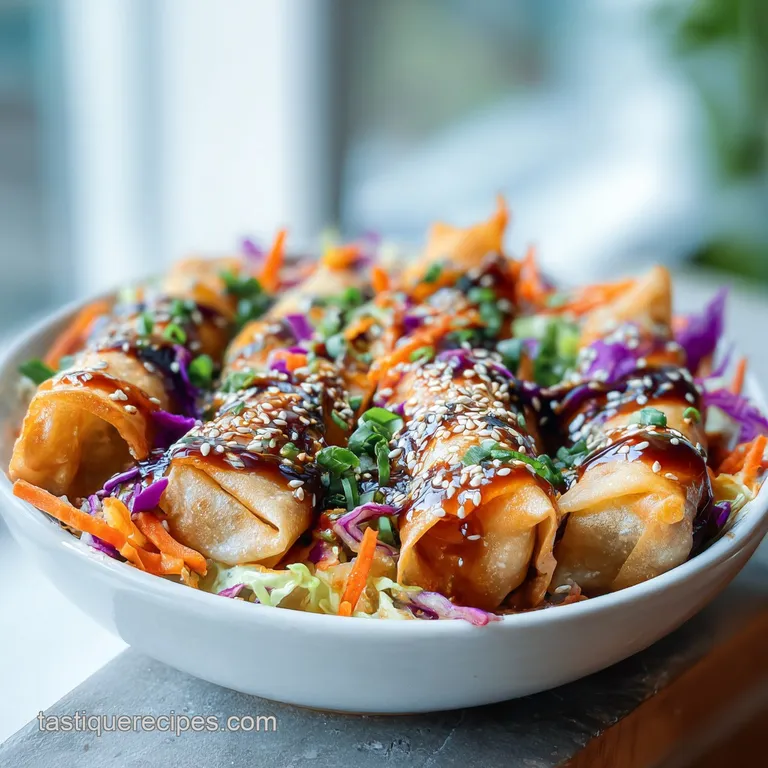
Follow these steps in order to ensure your textures remain distinct and your flavors stay bright.
- Prep the protein. Press the 14 oz extra firm tofu for 10 minutes, then crumble it into bite sized pieces and toss with 1 tbsp cornstarch. Note: The starch absorbs surface moisture for a better sear.
- Whisk the glaze. In a small jar, combine 3 tbsp tamari, 1 tbsp rice vinegar, 1 tbsp maple syrup, and 1 tsp sriracha.
- Sear the tofu. Heat 1 tbsp of toasted sesame oil in your skillet over medium high heat. Add the tofu and cook for 5-7 mins until the edges are golden and crisp.
- Bloom the aromatics. Push the tofu to the side. Add the remaining 1 tbsp oil, the minced garlic, ginger, and the white parts of the 4 green onions. Note: Cooking the whites first builds a savory foundation.
- Sauté the base. Stir the aromatics for 1 min until the kitchen smells like a ginger garlic dream.
- Flash fry the veggies. Toss in the 6 cups shredded cabbage and 1 cup matchstick carrots. Turn the heat to high.
- Apply the sauce. Pour the tamari mixture over the vegetables. Toss constantly for 2-3 mins until the cabbage is slightly wilted but still bright.
- Finalize the texture. Remove from heat immediately. Note: Residual heat will continue to soften the cabbage, so undercook it slightly.
- Garnish and serve. Top with the green parts of the onions and 1/4 cup toasted sesame seeds.
Precision Checkpoints for Success
- Weight: Ensure your cabbage is roughly 450-500g (about 6 cups) to maintain the sauce to veggie ratio.
- Temperature: Your pan should be at least 200°C (400°F) before adding the cabbage for that "flash fry" effect.
- Time: Do not cook the cabbage for more than 4 minutes total, or it will release excess water.
Fixing Common Cooking Mistakes Fast
Even the simplest recipes can go sideways if the heat isn't managed or the ingredients aren't prepped.
For Soggy Cabbage Puddles
This usually happens if you overcrowd the pan or cook on too low a heat. If the cabbage starts swimming in liquid, it’s steaming rather than frying. To fix this mid cook, turn the heat to its highest setting and push the veggies to the sides, allowing the liquid to evaporate in the center.
Next time, work in two batches if your pan is small.
For a Flat Flavor Profile
If the dish tastes "one note," it’s likely lacking acidity or salt. A dish this heavy on cabbage needs a sharp finish. Taste a small bite if it feels dull, add another teaspoon of rice vinegar or a squeeze of fresh lime.
The acidity acts like a spotlight, bringing the hidden flavors of the ginger and tamari to the forefront.
| Problem | Root Cause | Solution |
|---|---|---|
| Tofu is mushy | Not pressed enough | Press for 10-15 mins under a heavy skillet before crumbling. |
| Too salty | Tamari was too concentrated | Add 1 tsp of maple syrup and a splash of water to dilute. |
| Bland result | Aromatics didn't bloom | Ensure ginger and garlic sizzle in oil for at least 60 seconds. |
Common Mistakes Checklist
- ✓ Dry the Tofu: Always pat the crumbled tofu with a paper towel even after pressing.
- ✓ High Heat Only: Never add cabbage to a lukewarm pan; you want to hear a distinct sizzle.
- ✓ Don't Over stir: Let the tofu sit undisturbed for 2-3 minutes to develop a crust.
- ✓ Prep Everything First: This is a fast cook dish; you won't have time to chop carrots while the garlic is browning.
- ✓ Fresh Ginger is Non Negotiable: Powdered ginger lacks the "zing" necessary to cut through the cabbage.
Flavor Variations and Creative Twists
Once you've mastered the base version, you can adapt it to whatever you have in the pantry.
- For a Grain Free Power Bowl: Serve this over cauliflower rice or alongside a big scoop of kimchi for extra probiotics.
- For a Nutty Satay Vibe: Whisk 1 tbsp of creamy peanut butter into the sauce before adding it to the pan.
- For Extra Protein: Add 1/2 cup of shelled edamame during the cabbage phase for a pop of green and extra texture.
If you want X, do Y
- If you want a smokier flavor, add 1/4 tsp of liquid smoke to the sauce mixture.
- If you want it extra spicy, double the sriracha and add 1 tbsp of chili crisp as a final garnish.
- If you want a sweeter profile, increase the maple syrup to 2 tbsp and use red cabbage exclusively.
If you find yourself making this often, you might want to try different bases. It works beautifully stuffed into a warm tortilla or even as a filling for my Vegan Chex Mix recipe (just kidding, that's for snacks, but the savory flavors definitely overlap!). Honestly, don't even bother with low-fat substitutions here; the fat in the sesame oil is where all the satisfaction lives.
Scaling Up or Down Successfully
Adapting this for a solo dinner or a dinner party is straightforward, but keep an eye on the pan space.
- Scaling Down (1-2 Servings): Use a smaller 8 inch skillet. You can use the full amount of aromatics (garlic/ginger) even for a half batch it only makes it better. Reduce the cooking time of the cabbage by about 1 minute.
- Scaling Up (6-8 Servings): This is where it gets tricky. Do not try to cook 12 cups of cabbage in one pan. It will steam. Instead, sear all the tofu first and set it aside. Then, cook the cabbage in two separate batches with half the sauce each, and combine everything in a large bowl at the end.
- Baking Option: If you're making a massive batch, you can roast the tofu and cabbage on two large sheet pans at 200°C (400°F). Toss them with the sauce halfway through. You won't get the same "char," but it’s much easier for a crowd.
Debunking Common Searing Myths
One common myth is that you need to constantly move the food in a wok. While "stir frying" implies movement, leaving the tofu alone for the first few minutes is what creates that golden crust. If you move it too much, you break the delicate starch barrier before it has a chance to set.
Another misconception is that "soy sauce is just for salt." In reality, fermented sauces like tamari provide "umami," a savory fifth taste that meat free dishes often lack. It interacts with the sweetness of the carrots and the sharpness of the vinegar to create a rounded flavor profile that salt alone cannot achieve.
Storage Tips and Reducing Kitchen Waste
This bowl keeps surprisingly well, making it a favorite for meal prep.
Storage: Keep leftovers in an airtight container in the fridge for up to 3 days. Note: The cabbage will soften as it sits, turning into more of a "stewed" texture, which is actually quite velvety and nice over a bowl of warm Vegan Congee Recipe.
Freezing: I don't recommend freezing the finished bowl, as cabbage becomes incredibly mushy upon thawing. However, you can freeze the crumbled, starch coated tofu. When you're ready to eat, fry the tofu directly from frozen (it will take an extra 2-3 mins) and add fresh veggies.
- Cabbage Core
- Don't throw it away! Slice the core paper thin and sauté it with the rest; it has a lovely sweetness.
- Green Onion Ends
- Place the white root ends in a jar of water on your windowsill. They will regrow in about a week, giving you an endless supply of garnishes.
- Leftover Ginger
- If you have a small knob of ginger left, peel it and drop it into a bottle of soy sauce to infuse it with flavor for future stir fries.
Presentation Tips for the Best Look
We eat with our eyes first, and a bowl of beige tofu and green cabbage can look a bit dull without effort.
To Achieve Restaurant Height
Instead of spreading the mixture flat in a bowl, use tongs to twirl the cabbage into a high mound in the center. This creates verticality and makes the portion look more generous. Tuck the crispy tofu bits around the base of the mound so they don't get buried and soggy.
The Contrast Garnish
The 1/4 cup of toasted sesame seeds is crucial for visual contrast. If you can find black sesame seeds, mix them with the white ones for a professional "bistro" look. Adding a few fresh cilantro leaves or extra thinly sliced red chili can also provide a pop of color that makes the earthy tones of the bowl stand out.
Trust me, once you get the hang of the over high heat sizzle and that ginger garlic aroma, you'll find yourself reaching for this recipe more than your phone's delivery app. It’s fast, it’s punchy, and it actually leaves you feeling good. Let's crack on and get that pan hot!
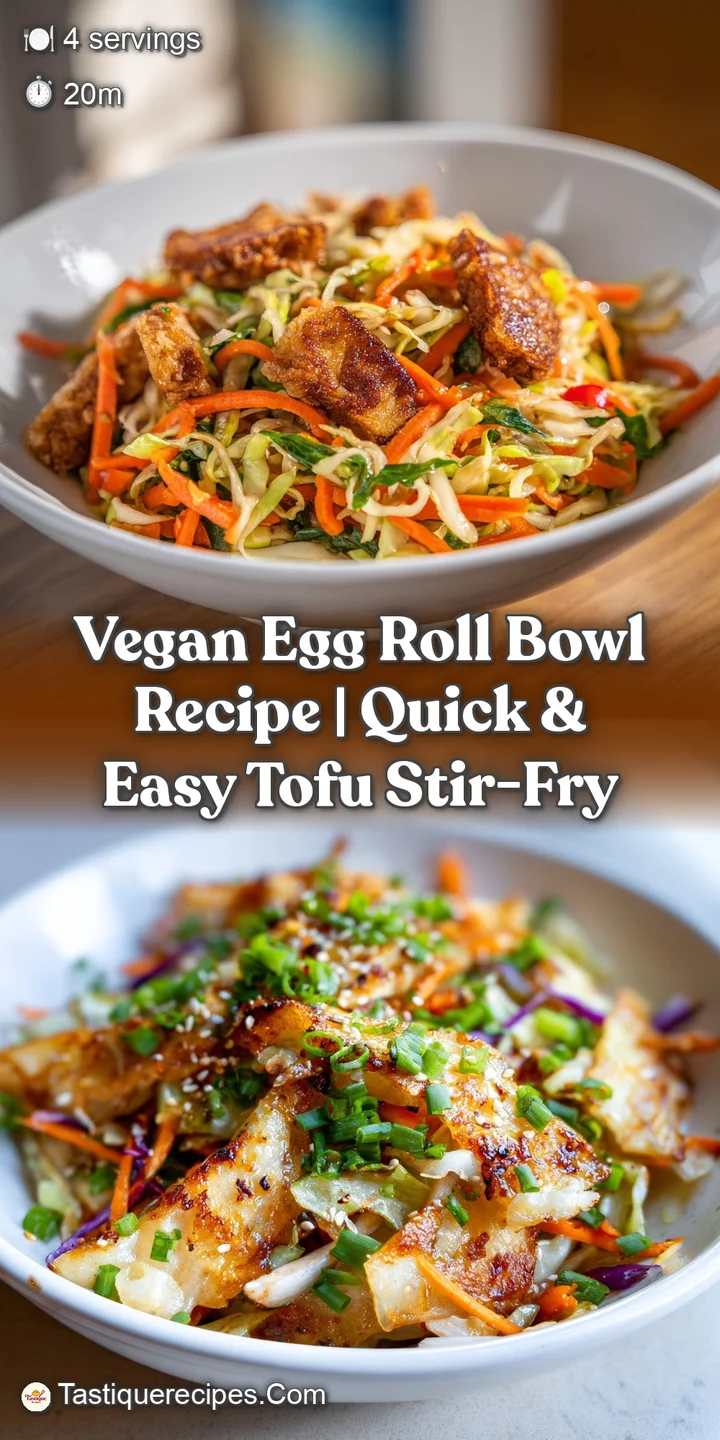
Recipe FAQs
Can I substitute the tofu with another protein, like chickpeas?
Yes, but you must modify the prep. Chickpeas do not require pressing, so skip that step; however, toss them with the cornstarch and fry them slightly longer to achieve a similar crisp exterior.
How to ensure the cabbage stays crunchy and doesn't become soggy?
Cook in batches over very high heat. Crowding the pan lowers the temperature, causing the vegetables to steam instead of sear. If you are doubling the recipe, cook the cabbage in two separate sessions.
How to get the tofu extremely crispy before adding the sauce?
Press it thoroughly and dust with cornstarch. Pressing removes crucial water content, allowing the starch coating to create a solid, dry barrier that crisps up quickly in hot oil.
Is it true that maple syrup is only for sweetness?
No, it balances the acidity and salt. The maple syrup works with the tamari and vinegar to create a complex flavor profile; without it, the bowl tastes flat and overly sharp.
How to make this recipe ahead of time for lunch prepping?
Prepare the tofu and sauce separately first. Cook the tofu completely, and store the raw cabbage and carrots in their own container; combine everything, adding the sauce, just before serving.
How to achieve a thicker, stickier glaze consistency?
Thicken the sauce with a slurry before adding it. Mix 1 teaspoon of cornstarch with 2 teaspoons of cold water, then whisk this slurry into the sauce mixture just before pouring it over the vegetables.
What garnish provides the best texture contrast to the soft tofu?
Toasted sesame seeds offer the best crunch. Sprinkle them generously over the top along with any reserved crispy tofu bits.
Vegan Egg Roll Bowl In 20 Mins
Ingredients:
Instructions:
Nutrition Facts:
| Calories | 282 kcal |
|---|---|
| Protein | 14.9 g |
| Fat | 16.2 g |
| Carbs | 21.1 g |
| Fiber | 6.3 g |
| Sugar | 8.5 g |
| Sodium | 775 mg |
