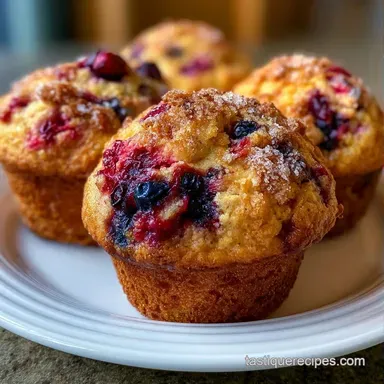
Simple Homemade Fruit Muffins with Greek Yogurt
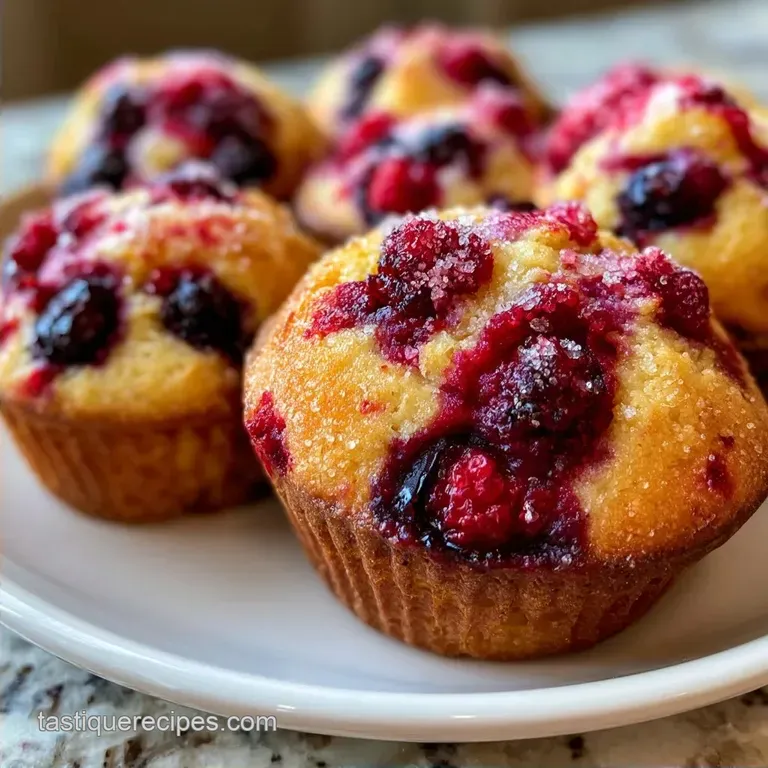
- Time: 15 min active + 23 min baking
- Flavor/Texture Hook: Tangy, moist crumb with bursting fruit pockets
- Perfect for: Quick breakfasts or rustic weekend brunches
- Bake the Best Fruit Muffins
- Logic Behind the Rise
- Quick Planning Guide
- Ingredient Roles and Swaps
- Essential Baking Tools
- Step-by-Step Baking Flow
- Solving Common Baking Issues
- Troubleshooting Common Issues
- Flavor Variations and Changes
- Storage and Freezing Tips
- Serving and Plating Ideas
- Adjusting the Batch Size
- Baking Truths
- Recipe FAQs
- 📝 Recipe Card
Have you ever noticed how some bakery muffins have that towering, high dome while others stay flat and sad? It usually comes down to how the batter handles the weight of the fruit and the temperature of the oven.
I used to think the only way to get those peaks was by using commercial additives, but it's actually about the lift provided by the acidity in the yogurt.
The smell of blueberries bubbling against the sides of the tin is the best part of a Saturday morning. I prefer a rustic baking style, where the fruit is chunky and the edges have a slight crunch. These Fruit Muffins are designed to be straightforward, using ingredients you likely already have in the pantry.
You can expect a muffin that feels substantial but isn't heavy. By keeping the mixing process brief, we avoid the tough, rubbery texture that plagues many homemade versions. Let's get into how to make these happen in under 40 minutes.
Bake the Best Fruit Muffins
The logic here is simple: balance the moisture of the fruit with a sturdy but tender base. Many people overwork their batter, which develops too much gluten and makes the muffin feel like bread. I've found that leaving the batter slightly lumpy is the trick to a tender crumb.
- Acidic Lift
- The Greek yogurt reacts with the baking powder to create an immediate rise.
- Fruit Coating
- Dusting berries in flour prevents them from sinking to the bottom.
- Temperature Shock
- Starting at a high heat helps the batter set quickly, pushing the top upward.
| Method | Time | Texture | Best For |
|---|---|---|---|
| Standard Oven | 23 min | High dome, golden crust | Large batches |
| Dutch Oven (Stovetop) | 30 min | Flat top, steamed sides | No oven setups |
Logic Behind the Rise
To understand why this works, we have to look at the fat and acid. According to Serious Eats, the interaction between leavening agents and acidic ingredients like yogurt creates a more open, airy structure. This allows the muffin to support the weight of the berries without collapsing.
- Yogurt
- Adds tang and moisture while tenderizing the flour.
- Melted Butter
- Provides a rich, rustic flavor and helps the crumb stay soft.
- Baking Powder
- Creates the carbon dioxide bubbles that lift the batter.
Quick Planning Guide
Getting your flow right means you aren't scrambling while the oven is heating up. I like to set up a "wet station" and a "dry station" to keep things clean.
- 1. Setup (15 minutes)
- Preheat oven to 375°F (190°C). Grease the muffin tin and measure out all ingredients.
- 2. Mixing (10 minutes)
- Whisk dry ingredients, blend wet ingredients, then fold together.
- 3. Bake (23 minutes)
- Fill the cups and bake until the tops are golden brown.
Ingredient Roles and Swaps
For these Fruit Muffins, I recommend using a high-quality all purpose flour. However, if you enjoy heritage grains, replacing half the flour with einkorn creates a nuttier, more complex flavor profile.
| Original Ingredient | Substitute | Why It Works |
|---|---|---|
| All Purpose Flour | Einkorn Flour | Heritage grain. Note: Denser crumb, more nutty flavor |
| Greek Yogurt | Sour Cream | Similar acidity and fat. Note: Slightly richer taste |
| Unsalted Butter | Coconut Oil | Similar fat content. Note: Adds a subtle coconut hint |
| Fresh Blueberries | Frozen Berries | Convenient. Note: Do not thaw first to avoid bleeding |
The Shopping List:
- 2 cups (240g) all purpose flourWhy this? Provides the necessary structure.
- 1/2 cup (100g) granulated sugarWhy this? Sweetens and helps browning.
- 2 tsp (10g) baking powderWhy this? Primary lift agent.
- 1/2 tsp (3g) saltWhy this? Balances the sweetness.
- 1 cup (240ml) plain Greek yogurtWhy this? Adds moisture and acidity.
- 1/2 cup (120ml) melted unsalted butterWhy this? Creates a tender, rich crumb.
- 2 large eggsWhy this? Binds everything together.
- 1 tsp (5ml) vanilla extractWhy this? Adds aromatic depth.
- 1 1/2 cups (225g) berries or peachesWhy this? The star of the show.
Essential Baking Tools
You don't need a professional kitchen for this, but a few specific tools make the process smoother. I use a silicone spatula for folding, as it's gentler on the batter than a whisk.
- 12 cup muffin tin
- Large mixing bowl (for dry ingredients)
- Medium bowl or measuring cup (for wet ingredients)
- Silicone spatula
- Wire cooling rack
Step-by-step Baking Flow
Follow these steps closely to keep the Fruit Muffins light and airy.
- Preheat your oven to 375°F (190°C). Grease a muffin tin thoroughly or line with paper liners.
- In a large bowl, whisk together the flour, sugar, baking powder, and salt.
- In a separate small bowl, whisk the Greek yogurt, melted butter, eggs, and vanilla until smooth.
- Pour the wet ingredients into the dry and stir with a spatula until just combined. Note: Keep the batter slightly lumpy to avoid toughness.
- Toss the fruit in 1 tablespoon of the measured flour. Note: This prevents the berries from sinking.
- Gently fold the floured fruit into the batter using a cut and fold motion.
- Spoon the batter evenly into the 12 muffin cups.
- Bake for 20–23 minutes until tops are golden brown and a toothpick comes out clean.
Solving Common Baking Issues
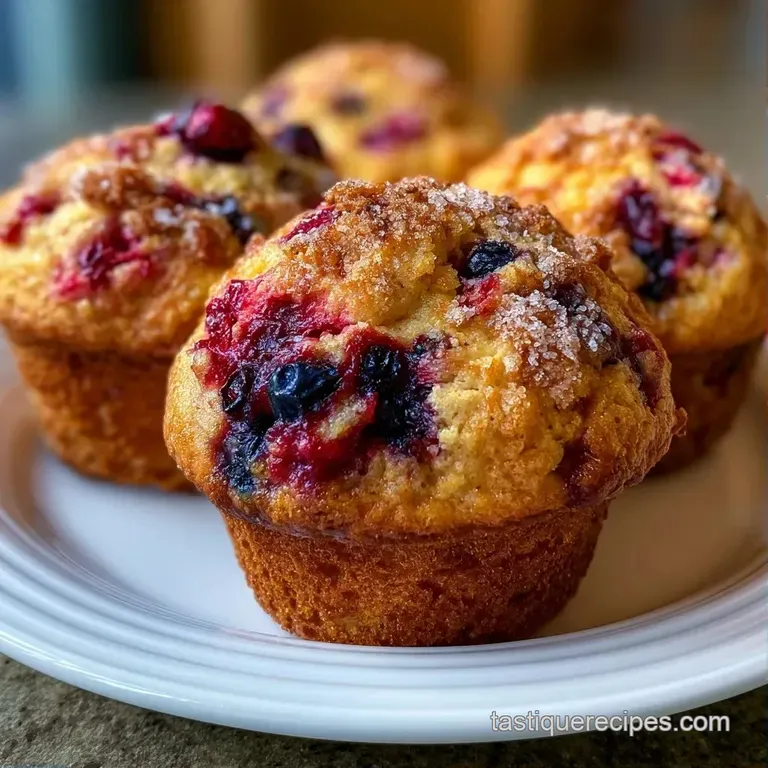
Even with a simple recipe, things can go sideways. Usually, it's a matter of temperature or mixing technique.
Troubleshooting Common Issues
| Issue | Solution |
|---|---|
| Why Your Muffins Sink | If the berries all end up at the bottom, it's usually because the fruit was too wet or the batter was too thin. Tossing the fruit in flour creates a barrier that helps them stay suspended. |
| Why the Tops Are Flat | Flat tops often happen if the oven isn't hot enough when the muffins go in. If the leavening agent activates before the batter sets, the air escapes. |
| Why the Crumb Is Tough | Toughness is the result of overmixing. When you stir too much, you develop too much gluten, which turns a tender muffin into a dense piece of bread. |
Flavor Variations and Changes
These Fruit Muffins are a great base for experimentation. I love using a mix of raspberries and blueberries for a more vibrant color and tart flavor. For those who prefer a different texture, a yogurt muffin option can add even more moisture.
If you're looking for something without wheat, you can try using strawberry muffins guidelines to swap in a gluten-free blend. Just remember that gluten-free flours often absorb more liquid, so you might need an extra tablespoon of yogurt.
Quick Twist Ideas:
- Zesty Lemon: Add the zest of one lemon to the sugar.
- Cinnamon Crunch: Sprinkle a mix of brown sugar and cinnamon on top before baking.
- Nutty Base: Fold in 1/2 cup of chopped walnuts or pecans.
Storage and Freezing Tips
To keep your Fruit Muffins fresh, don't leave them on the counter uncovered. They'll dry out quickly.
Fridge and Counter Store them in an airtight container at room temperature for 2 days or in the fridge for up to 5 days. If they've been in the fridge, a quick 10 second zap in the microwave brings back that "just baked" feel.
Freezing for Later These freeze brilliantly. Wrap each muffin individually in foil or parchment and place them in a freezer bag. They stay good for 3 months. To reheat, thaw in the fridge overnight or microwave for 30 seconds from frozen.
Zero Waste Tip If you have a few muffins that have gone slightly stale, don't toss them. Slice them in half, butter the cut side, and toast them in a pan until caramelized. It's a great way to revive the texture.
Serving and Plating Ideas
Presentation makes these Fruit Muffins feel more like a treat. I like to serve them warm with a slab of salted butter that melts into the center.
For a brunch spread, arrange them on a wooden board with fresh berries and a drizzle of honey. If you're packing them for a trip, use parchment liners to keep them from sticking to the container. A simple side of Greek yogurt with a bit of maple syrup pairs well with the tartness of the berries.
Adjusting the Batch Size
If you're baking for a small crowd or a party, you can scale these Fruit Muffins easily.
Scaling Down (1/2 Batch) Use a smaller 6 cup tin. Beat one egg in a bowl and use half of it. Reduce the baking time by about 20%, checking for doneness at the 18 minute mark.
Scaling Up (2x Batch) When doubling the recipe, don't double the salt or spices go to 1.5x instead to avoid overpowering the fruit. Lower the oven temperature by 25°F (approx 10°C) and extend the baking time by 5-10 minutes to ensure the centers cook through without burning the tops.
Baking Truths
There are a few myths about homemade baking that I want to clear up.
Frozen Fruit Sogginess Some say frozen fruit always makes batter soggy. That's not true if you keep the fruit frozen until the last second and toss it in flour. This prevents the juices from bleeding into the batter.
Room Temperature Eggs You might hear that room temperature eggs are mandatory. While they emulsify slightly better, in a rustic recipe like this, the difference is negligible. Cold eggs won't ruin your rise.
These Simple Homemade Fruit Muffins are all about balance and restraint. By using the right acidic base and avoiding the urge to overmix, you get a bakery style result in your own kitchen. Whether you use blueberries, peaches, or a mixed berry blend, these Homemade Fruit Muffins provide a reliable start to the day.
Right then, grab your bowls and let's get baking. Trust me, once you taste the difference that Greek yogurt makes, you'll never go back to plain milk or water in your batter. It's the easiest way to ensure your fruit muffins stay moist and flavorful.
Recipe FAQs
Why are my muffins soggy in the middle?
Check your baking time and fruit moisture. Soggy centers usually happen if the muffins are pulled too early or the fruit was too wet. Ensure a toothpick inserted into the center comes out clean after 20 23 minutes.
How do you add frozen fruit to the batter?
Toss the fruit in 1 tablespoon of the measured flour. This creates a barrier that prevents the fruit from sinking to the bottom and minimizes bleeding into the batter.
Can I use strawberries instead of blueberries?
Yes, strawberries work great. You can use fresh or frozen strawberries, blueberries, raspberries, or chopped peaches. If you enjoy this fruit forward profile, see how it compares to a southern style cake.
How to store these muffins to keep them fresh?
Store them in an airtight container. This prevents them from drying out over 2 days at room temperature or up to 5 days in the fridge.
Why are my muffin tops flat instead of domed?
Ensure the oven is fully preheated to 375°F. Flat tops often occur if the oven isn't hot enough, causing the air to escape before the batter can set.
Is it true that stirring the batter until smooth makes the muffins fluffier?
No, this is a common misconception. Overmixing develops too much gluten, which results in a tough crumb. Keep the batter slightly lumpy for the best texture.
How to freeze and reheat these muffins?
Wrap each muffin individually in foil or parchment. Place them in a freezer bag for up to 3 months, then microwave for 30 seconds to reheat.
Simple Homemade Fruit Muffins