Pan-Seared Onepot Chicken Stew
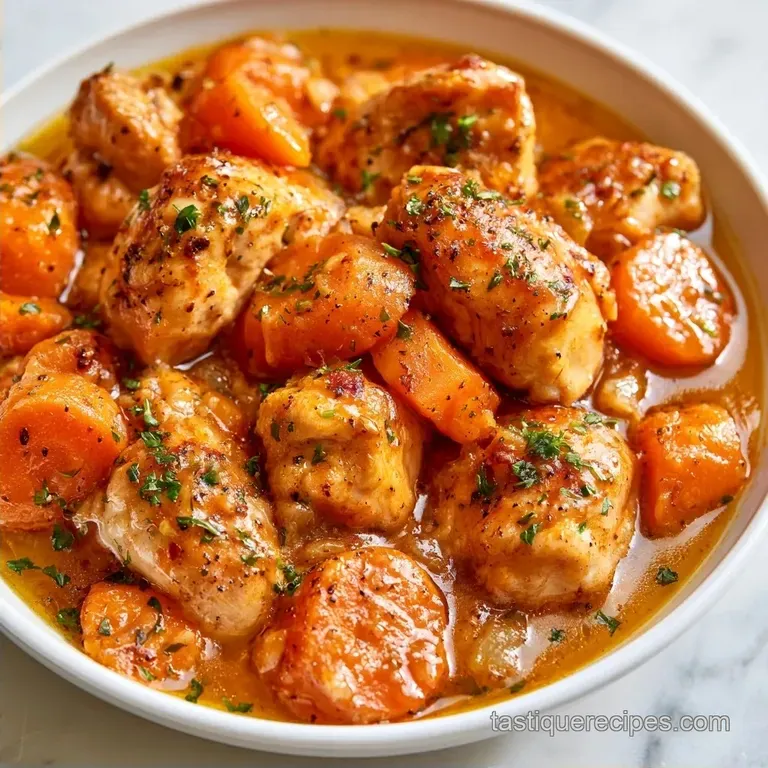
- Time: 15 min active + 40 min cooking
- Flavor/Texture Hook: Thick broth with mahogany seared chicken
- Perfect for: Busy weeknights or cold winter evenings
Easy and Hearty OnePot Chicken Stew
The sizzle of chicken thighs hitting a hot pot is the best sound in a quiet kitchen. I remember a particularly rainy Tuesday last November when the house felt damp and cold. I didn't want to spend the whole evening scrubbing pots, but I craved something that felt like a warm hug in a bowl.
I pulled out my heavy Dutch oven and decided to stop overcomplicating things. No separate searing pans or fancy reductions, just one vessel and a few basic root vegetables. The result was a OnePot Chicken Stew that tasted like it had been bubbling for a whole day.
You can expect a thick, comforting meal where the chicken stays juicy and the potatoes hold their shape. This OnePot Chicken Stew brings together a rich, savory broth and tender vegetables, making it a reliable win for anyone who hates a sink full of dishes.
How This Recipe Actually Works
The Browned Base: Searing the chicken first produces caramelized bits on the bottom of the pot. These dissolve into the liquid, contributing a rich, savory depth that boiling alone cannot provide.
Flour Coating: Incorporating flour into the sautéed vegetables creates a light roux. This naturally thickens the OnePot Chicken Stew while it simmers, avoiding a thin, soup like consistency.
Yukon Gold Starch: These potatoes release a small amount of starch to thicken the stew's body while maintaining their structure. This prevents the OnePot Chicken Stew from turning into a mushy mess.
Ingredient Deep Dive
The balance of fat and starch is what makes this OnePot Chicken Stew feel substantial. Using thighs instead of breasts is a non negotiable for me because they don't dry out during the simmer.
| Ingredient | What It Does | Best Swap |
|---|---|---|
| Chicken Thighs | Provides rich flavor and juicy texture | Chicken breast (will be leaner/drier) |
| Yukon Gold Potatoes | Thickens the broth and adds heartiness | Russet potatoes (will break down more) |
| All purpose Flour | Binds the liquid into a thick gravy | Cornstarch slurry (add at the end) |
| Chicken Broth | The savory liquid base | Beef broth (makes it darker and richer) |
I've found that using a low sodium broth is the way to go here. It lets you control the salt yourself, which is helpful since the flour and butter already add a bit of depth to the OnePot Chicken Stew.
Gathering Your Essentials
To keep things easy for this one-pot chicken stew, do your prep work first. Chop all your ingredients before turning on the stove so you don't have to rush while the butter is browning.
- 1.5 lbs (680g) boneless, skinless chicken thighs, cut into 1 inch chunks Why this? Thighs remain juicy and tender throughout the simmering process
- 2 tbsp (28g) unsalted butter Why this? Gives the sauce a luxurious, creamy texture
- 1 tbsp (15ml) olive oil Why this? Can withstand high heat for browning the chicken
- 1 medium yellow onion, diced (150g)
- 3 cloves garlic, minced (15g)
- 3 large carrots, sliced into rounds (300g)
- 3 medium Yukon Gold potatoes, cubed (600g)
- 2 ribs celery, sliced (100g)
- 1 cup (150g) frozen sweet peas Why this? Adds bright color and a hint of sweetness
- 4 cups (950ml) low sodium chicken broth
- 2 tbsp (16g) all purpose flour Why this? Helps achieve a thick, stew like texture
- 1 tsp (5g) dried thyme
- 1 bay leaf
- 1 tsp (6g) salt
- ½ tsp (3g) black pepper
Equipment Needed
While a professional kitchen isn't required, a heavy bottomed pot is a must for this OnePot Chicken Stew. A 5 quart Dutch oven is my top choice because it provides consistent heat and handles the shift from searing to simmering perfectly.
Grab a flat utensil to scrape up those flavorful browned bits from the bottom. Aside from that, a cutting board and a sharp chef's knife are all you need. If you have one, a whisk is great for incorporating the broth to keep the OnePot Chicken Stew smooth.
From Prep to Plate

Searing the Protein
Dry the chicken with paper towels. Heat olive oil in the pot over medium high heat. Place the chicken in a single layer and sear without moving for 3-4 minutes until a mahogany colored crust forms. Flip to brown the other side, then transfer the chicken to a plate.
Softening the Aromatics
Lower the heat to medium and melt the butter into the pan drippings. Add the onion and celery, cooking for 5 minutes until translucent. Sauté the minced garlic for 60 seconds until fragrant.
Building the Thickened Base
Dust the sautéed vegetables with flour, stirring constantly for 1-2 minutes. Note: This removes the raw flour taste and ensures the OnePot Chicken Stew isn't grainy.
Simmering to Perfection
Slowly whisk in the chicken broth to ensure there are no lumps. Return the browned chicken to the pot with the carrots, potatoes, thyme, bay leaf, salt, and pepper. Bring to a light boil, then reduce heat to low. Cover and simmer for 20-25 minutes until the potatoes are fork tender.
Finishing the Stew
Remove the lid and fold in the frozen peas. Let them cook for 2-3 minutes until bright green. Taste and adjust the salt or pepper as needed. Discard the bay leaf before serving.
How to Fix Common Problems
Fixing a Thin Broth
If your OnePot Chicken Stew looks more like a soup, just simmer it uncovered for another 5-10 minutes. The liquid will evaporate and concentrate. If you're in a hurry, whisk 1 tsp of cornstarch with 1 tbsp of cold water and stir it in.
Preventing Mushy Vegetables
The key to keeping the veg intact is the size of the cut. Keep your potato cubes around 1 inch. If you cut them too small, they'll disintegrate into the OnePot Chicken Stew during the 20 minute simmer.
Handling Burnt Flour
If the flour browns too quickly or smells scorched, don't risk the whole pot. It's better to wipe the pot and start the sauté step over. Burnt flour adds a bitter taste that ruins the balance of this OnePot Chicken Stew.
Creative Twists and Swaps
I love this simple one pot chicken stew, but it's easy to tweak based on what's in your fridge. For those who want a more modern twist, adding a splash of heavy cream at the very end gives it a velvety texture that feels like restaurant quality comfort food.
If you're in a huge rush, an Instant Pot chicken stew is even faster, though you miss out on that slow simmered depth. For a brighter flavor, stir in a tablespoon of fresh lemon juice or chopped parsley right before serving.
Decision Shortcut:
- For a creamier base: stir in 1/4 cup heavy cream at the end.
- For a spicy kick: add 1 tsp smoked paprika during the flour step.
- For more greens: swap frozen peas for chopped kale or spinach.
Scaling the Recipe
When making a smaller batch (half recipe), use a smaller pot to keep the liquid from evaporating too fast. Reduce the simmer time by about 20% since the smaller volume of vegetables will cook quicker.
If you're doubling the OnePot Chicken Stew for a crowd, sear the chicken in two batches. Overcrowding the pot causes the meat to steam instead of brown, which means you lose that essential mahogany crust. Increase the salt and thyme to 1.5x instead of a full 2x to keep the flavors balanced.
How to Store and Keep Fresh
This OnePot Chicken Stew is even more delicious after sitting overnight. The ingredients blend more deeply, and the broth typically thickens while chilled. Keep it in a glass container for up to 3 days.
To reheat, use a stovetop over medium low heat. Stir in a bit of water or additional broth if the consistency has become too thick. You can freeze the OnePot Chicken Stew for up to 2 months; just remember to leave some space at the top of the container for expansion.
To minimize waste, save your carrot peels, celery ends, and onion skins. Store them in a freezer bag to create a homemade stock for your next pot of OnePot Chicken Stew.
Presentation Tips
I prefer plating this OnePot Chicken Stew in shallow, wide bowls to highlight the hearty chunks of chicken and carrots. A garnish of fresh parsley adds a bright pop of color and cuts through the buttery richness.
As this is a filling meal, you won't need many accompaniments. A warm biscuit or some crusty sourdough is excellent for soaking up the leftover broth. To balance the flavors, I highly recommend a side of Caprese salad.
The pairing of a steaming, savory stew with a chilled, tangy salad makes the dinner feel complete. The acidity from the balsamic and tomatoes offers a refreshing contrast to each rich bite.
High in Sodium
975 mg 975 mg of sodium per serving (42% 42% of daily value)
The American Heart Association recommends a daily limit of 2,300mg of sodium to maintain heart health and lower blood pressure.
Tips to Reduce Sodium
-
Use No-Salt Added Broth-30%
Swap the low-sodium chicken broth for no-salt added chicken broth or water with a splash of apple cider vinegar for depth.
-
Eliminate Added Salt-25%
Remove the 1 tsp of salt entirely; the broth and naturally savory chicken thighs provide significant base flavor.
-
Add Fresh Citrus-10%
Stir in a squeeze of fresh lemon juice at the end of cooking to provide a 'bright' taste that mimics the effect of salt.
-
Enhance Aromatics and Herbs
Increase the dried thyme or add fresh rosemary and parsley to boost the savory profile without adding sodium.
Recipe FAQs
What makes chicken stew taste better?
Searing the chicken until a mahogany crust forms creates a deep, savory base.
Tip: Use a heavy bottomed pot to ensure the chicken browns evenly.
How to cook chicken thighs in a pan?
Heat olive oil over medium high and cook chicken in a single layer without stirring for 3-4 minutes.
Tip: Pat the meat dry with paper towels before searing to prevent steaming.
Is it true you must simmer for hours to get deep flavor?
False. Searing the meat first builds a rich foundation that delivers complex flavor in under an hour.
Tip: Don't skip the browning stage or the resulting broth will taste thin.
Which ingredients create the thick consistency?
Flour stirred into sautéed vegetables and the natural starch from Yukon Gold potatoes thicken the liquid.
Tip: Slowly pour in the chicken broth while whisking to prevent flour lumps.
How long should chicken thighs sear on the stove?
Cook for 3-4 minutes per side until a mahogany colored crust forms.
Tip: Remove the chicken to a plate before adding the butter and vegetables.
What side dishes pair best with this stew?
Warm, buttery bread or homemade biscuits complement the rich gravy perfectly.
Tip: Serve in wide bowls to keep the stew hot throughout the meal.
Onepot Chicken Stew