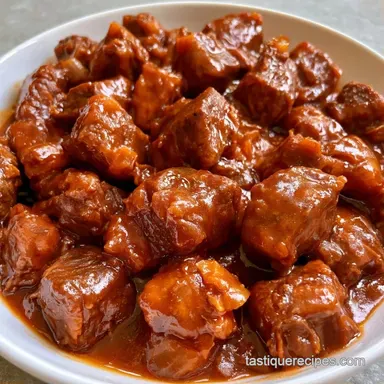
Mahogany Beef Stew: Slow-Braised

- Time: 20 min active + 150 min cooking
- Flavor & Texture: Hearty, dark golden, and tender
- Perfect for: Cold rainy nights or Sunday meal prep
- The Rich brown Beef Stew Method
- Why This Method Works
- What Each Ingredient Does
- Required Kitchen Tools
- The Step by Step Process
- Common Problems and Fixes
- Different Flavor Twists
- Storing and Reheating
- Ingredient Substitutions
- Searing Myths
- How to Serve It
- High Sodium Warning
- Good to Know
- 📝 Recipe Card
The Rich brown Beef Stew Method
The sound of beef hitting a hot Dutch oven is the best part of this process. You want that loud sizzle and a crust that looks almost burnt, but isn't. That deep brown color is where all the flavor lives.
This is a one-pot meal that tastes like it came from a high-end bistro. It doesn't take much effort, just a bit of patience. You get a rich, thick gravy and meat that practically melts when you touch it with a fork.
You can expect a hearty result that actually gets better if you let it sit. It's the kind of meal that fills the whole house with a savory aroma while it simmers.
Why This Method Works
Small Batch Searing: Browning meat in three separate turns keeps the pan hot. This prevents the beef from releasing juices and steaming, which would leave you with gray meat.
Staggered Veggies: Adding the potatoes and carrots in the last hour prevents them from disintegrating. You get tender chunks instead of a mushy puree.
The Fond Scraping: Using the liquid to lift the brown bits from the bottom of the pot integrates all the concentrated flavor back into the sauce.
What Each Ingredient Does
- 3 lbs beef chuck, trimmed and cut into 1.5-inch cubes
- 1/4 cup all-purpose flour
- 1 tsp salt
- 1/2 tsp black pepper
- 2 tbsp neutral oil
- 1 large yellow onion, diced
- 4 cloves garlic, minced
- 2 tbsp tomato paste
- 1 tbsp Worcestershire sauce
- 4 cups beef broth with a splash of vinegar
- 4 medium carrots, cut into thick rounds
- 1 lb Yukon Gold potatoes, cut into 1-inch chunks
- 1 cup frozen peas
- 2 fresh thyme sprigs
- 2 bay leaves
- 1 tsp salt
| Component | Purpose | Substitute Notes |
|---|---|---|
| Beef Chuck | Offers the fat and connective tissue needed for tenderness | Pre-cut stew meat works, though it is often leaner and tougher |
| Tomato Paste | Provides a rich color and a bit of acidity | Tomato sauce is an option but requires more time to reduce |
| Yukon Gold | Keeps its shape throughout the long simmering process | Red potatoes are fine if chopped into smaller pieces |
| Beef Broth w/ Vinegar | Deglazes the pan while balancing the rich flavors | Use store-bought stock and a dash of apple cider vinegar |
Required Kitchen Tools
You'll need a 6-quart Dutch oven. A heavy bottom is a must so the heat stays even and you don't burn the sauce. Grab some tongs for flipping the meat and a wooden spoon for scraping the bottom of the pot.
The step by step Process
1. Searing the Beef
Heat neutral oil in a 6-quart Dutch oven over medium-high until shimmering. Pat the beef dry to ensure a great crust. Coat the meat in 1/4 cup flour, 1 tsp salt, and 1/2 tsp black pepper.
Brown the beef in 3 separate batches for 5–7 minutes each. Rotate the pieces occasionally until a rich brown crust forms on all sides, then transfer them to a plate.

2. Developing the Flavor
Lower the heat to medium. Sauté the diced onion in the leftover beef fat for 5 minutes until translucent. Stir in the tomato paste and minced garlic, cooking for 2 minutes until the paste turns a darker brick red.
3. The Slow Braise
Return the seared beef and its juices to the pot. Pour in the beef broth and vinegar, scraping the bottom of the pot with a spoon to release the savory brown bits. Add 1 tsp salt, bay leaves, and fresh thyme.
Bring the liquid to a bubble, then drop the heat to low. Cover with a tight-fitting lid and simmer gently for 1 hour and 30 minutes.

4. Finishing the Stew
Add the carrots and potatoes. Cover and continue simmering for 45–60 minutes until beef is fall-apart tender (minimum internal temperature 145°F/63°C) and the potatoes are soft. Stir in the frozen peas during the last 5 minutes of cooking.

Common Problems and Fixes
Fixing a Thin Sauce
If your sauce feels more like a soup, you might have added too much liquid or didn't sear the meat long enough. The flour helps, but sometimes it needs a boost.
Preventing Mushy Vegetables
Vegetables that fall apart usually stayed in the pot too long. The key is adding them only when the meat is halfway to being tender.
Handling Tough Meat
Meat that stays rubbery usually means it didn't simmer long enough. Connective tissue needs time and low heat to break down into gelatin.
| Problem | Fix |
|---|---|
| Sauce is too thin | Stir in a cornstarch slurry (1 tbsp cornstarch + 1 tbsp cold water) |
| Veggies are mushy | Add carrots and potatoes 45 minutes before serving |
| Meat is tough | Simmer on low for another 30 to 60 minutes |
Different Flavor Twists
If you want to change things up, try adding a splash of soy sauce for more saltiness or a pinch of smoked paprika for a woody note. For those who want a different approach, you could try an instant pot chicken stew if you need something faster than these different beef stew styles.
You can also swap the carrots for parsnips or rutabaga. Just make sure to cut them into thick chunks so they don't disappear into the gravy.
Storing and Reheating
Store the leftovers in a sealed container in the fridge. According to USDA refrigerator guidelines, perishable food should not be left out for more than 2 hours. Keep it chilled for 3 to 4 days.
Freezing this beef stew is a great move. Let it cool completely, then freeze it for up to 3 months.
When you're ready to eat, warm it gently on the stove over medium-low heat. If the sauce has thickened too much, add a splash of beef broth to bring it back to a velvety consistency. Make sure leftovers reach 165°F/74°C for safety.
Ingredient Substitutions
| Original Ingredient | Substitute | Why It Works |
|---|---|---|
| All-purpose flour | Cornstarch | Thicken the sauce. Note: Use less and add at the end to avoid a slimy texture |
| Beef Chuck | Stew Meat | Pre-cut convenience. Note: Often leaner, so it may need more simmer time |
| Yukon Gold | Russets | Starchy base. Note: They break down more, making the sauce thicker |
Searing Myths
You'll often hear that searing meat "seals in the juices." That's not actually true. Searing creates a crust for flavor and color, but it doesn't stop moisture from leaving the meat during the braise. The tenderness comes from the low heat and time, not the sear.
How to Serve It

I recommend serving this in a shallow bowl with a thick slice of toasted sourdough to mop up the gravy. For a heartier meal, ladle it over a scoop of buttery mashed potatoes. A garnish of fresh parsley provides a lovely pop of color and brightness against the rich flavors.
High Sodium Warning
1566 mg of sodium per serving (68% of daily value)
American Heart Association recommendation: no more than 2,300 mg of sodium per day
Ways to Lower the Salt Content
-
Change the Liquid
Substitute the standard beef broth for a salt-reduced or unsalted version to significantly lower the liquid base sodium.
-
Cut the Extra Salt
Skip or greatly diminish the two teaspoons of added salt; the broth and other flavorings offer enough baseline saltiness.
-
Adjust the Sauce
Choose a lower-sodium Worcestershire sauce or use a splash of balsamic vinegar for similar tangy depth.
-
Pick the Right Paste
Use a tomato paste with no added salt to keep hidden sodium out of your sauce.
-
Boost the Aromatics
Increase your minced garlic, bay leaves, and fresh thyme to create a deep, savory flavor without relying on salt.
Good to Know
What makes beef stew taste better?
Browning the beef thoroughly creates a dark golden crust. This process adds a rich, savory layer of flavor to the final sauce.
Is beef stew a British dish?
It is common in many cultures, including British and French cuisines. Most versions focus on slow-cooking tough cuts of meat with root vegetables.
How to make beef stew really thick?
Toss the beef in flour before browning. The flour creates a roux in the pot that naturally thickens the broth as it simmers.
Why is the sauce too thin?
The pot may have been covered too tightly or simmered for too short a time. Ensure the liquid reduces slightly during the long cook process.
Did the beef turn out tough?
The meat likely didn't simmer long enough to break down the connective tissue. Continue cooking until the beef reaches a fall-apart tender consistency.
Can potatoes be swapped for other vegetables?
Yes, other root vegetables can be used as substitutes. These alternatives will add different sweetness levels but cook similarly to the original potatoes.
Should leftovers be refrigerated?
Store them in a sealed container in the fridge. Keep the stew chilled for 3 to 4 days.
Could this be frozen?
Yes, freezing is a great option for this dish. Let the stew cool completely before storing it in the freezer for up to 3 months.
Tender Slow-Cooked Beef Stew