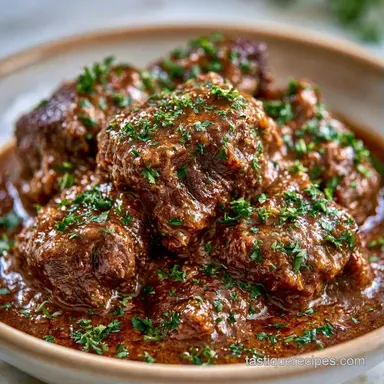
Slow Cooker Beef Stew: Tender and Rich
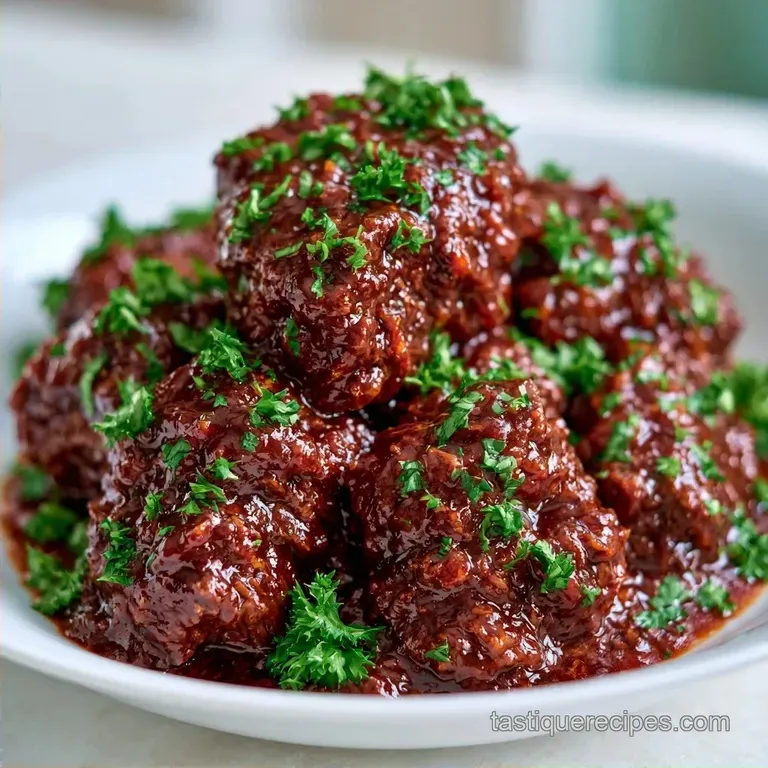
- Time: 20 min active + 8 hrs cooking
- Flavor/Texture Hook: Deep mahogany beef paired with a decadent red wine gravy
- Perfect for: Comforting family meals or weekly meal prepping
There's nothing like the scent of browned beef and thyme greeting me the moment I step inside on a rainy Tuesday. It's an aroma that instantly signals a warm home and a meal ready to go. In the past, I simply tossed every ingredient into the pot, but that often left the dish looking gray and tasting flat.
Eventually, I began viewing the slow cooker as a tool for finishing the dish instead of a magic solution. Spending ten minutes searing the meat in a pan completely transforms the flavor profile.
This Slow Cooker Beef Stew evolved from that change in method, turning what used to be a thin soup into a dense, satisfying meal.
You'll get beef that is melt-in-your-mouth tender and vegetables that retain their structure. It is an effortless approach that yields a professional-grade dinner without requiring you to stand over the stove for half the day.
Slow Cooker Beef Stew That Actually Works
- The Brown Crust: Searing the meat creates a mahogany layer that adds deep, savory notes to the gravy.
- Low Temp Breakdown: Cooking for 8 hours turns tough connective tissue into gelatin, which gives the sauce a silky feel.
- Strategic Thickeners: Adding the cornstarch slurry at the end prevents the sauce from becoming gummy during the long simmer.
The difference between a thin soup and a thick stew comes down to how the beef is handled. If you skip the sear, you lose the complexity that defines a traditional beef stew recipe slow cooker style.
| Method | Total Time | Texture | Best For |
|---|---|---|---|
| Slow Cooker (Low) | 8 hours 20 mins | Fork tender, rich gravy | Deep flavor, set and forget |
| Dutch Oven (Braise) | 3 hours | Slightly firmer beef | Faster turnaround, oven browned top |
The Gear You Need
Basic equipment is all you need for this recipe. A standard slow cooker (a 6-quart model is usually ideal) does most of the work. I suggest using a heavy cast iron or stainless steel skillet for searing, as these materials retain heat more effectively.
To prepare the slurry, use a whisk and a small glass bowl to prevent any lumps from entering the pot. A pair of sturdy tongs will also make turning the beef cubes much quicker.
Why These Ingredients Work
Every item in the pot has a specific job. The red wine provides acidity to cut through the fat of the beef, while the tomato paste adds a subtle sweetness and a darker color.
| Component | Purpose | Substitute Notes |
|---|---|---|
| Beef Chuck | Provides collagen for thickness | Stew meat works, but chuck has more flavor |
| Red Wine | Adds acidity and depth | Beef broth + 1 tbsp balsamic vinegar: similar tang |
| Yukon Gold | Holds shape during long cook | Russet potatoes: softer, may break down more |
| Tomato Paste | Color and umami | Tomato sauce: thinner, use 3 tbsp instead |
Recipe Specs
This homemade slow cooker beef stew is designed to feed a crowd, making it a great option for Sunday dinner.
- Prep time: 20 minutes
- Cook time: 8 hours
- Total time: 8 hours 20 mins
- Yield: 8 servings
Ingredients and Swaps
- 2 lbs beef chuck, trimmed and cubed into 1 inch pieces Why this? The high collagen content ensures a tender result.
- 1 tbsp olive oil Why this? It handles high heat well for browning.
- 1 tsp sea salt
- ½ tsp cracked black pepper
- 1 large yellow onion, diced Swap: Use shallots for a more subtle flavor
- 3 cloves garlic, minced
- 3 large carrots, cut into thick rounds Swap: Try parsnips for a peppery note
- 2 stalks celery, sliced
- 1 cup dry red wine Swap: Use additional beef broth for a non-alcoholic slow cooker version
- 3 cups low sodium beef broth Swap: Bone broth for added protein
- 2 tbsp tomato paste Swap: 1 tbsp concentrated tomato puree
- 1 tsp dried thyme
- 2 bay leaves
- 1.5 lbs Yukon Gold potatoes, 1 inch chunks Swap: Red potatoes for a firmer texture
- 1 cup frozen peas Swap: Frozen edamame for a contemporary twist
- 2 tbsp cornstarch
- 2 tbsp warm water
- ¼ cup fresh parsley, chopped
How to Cook It
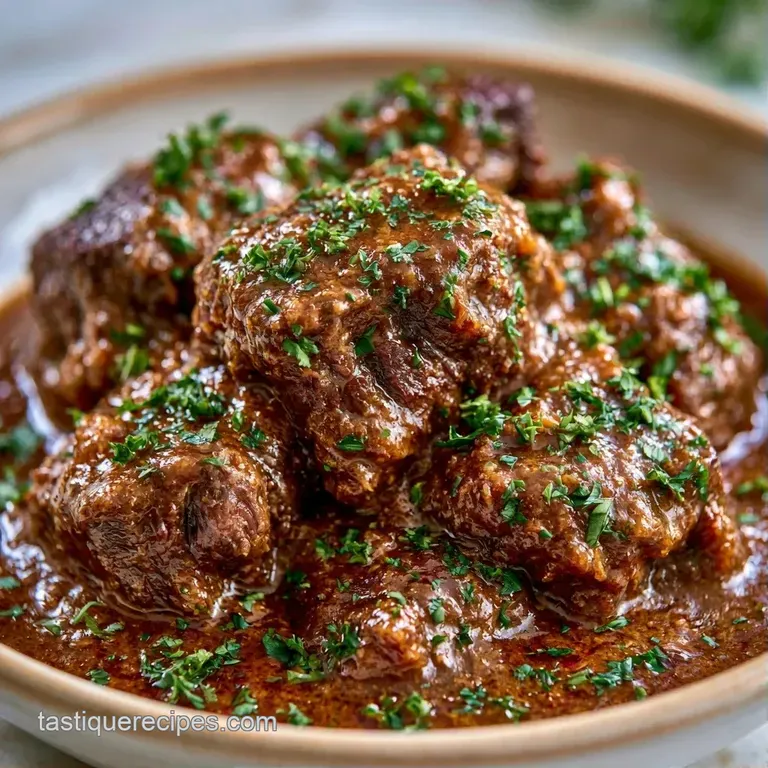
1. The Flavor Foundation
Dry the beef cubes with paper towels. This is a crucial step, as moisture prevents browning and causes the meat to steam instead. Season with cracked black pepper and sea salt. Get some olive oil shimmering in a pan over medium-high heat.
Brown the beef in batches until a mahogany colored crust forms on all sides. Move the beef into the slow cooker.
2. The Aromatics
Using the same pan, sauté the diced onion, carrots, and celery for 5 minutes until the onion is translucent. Stir in the tomato paste and minced garlic, cooking for 1 minute until the paste deepens in color.
3. Deglazing the Pan
Pour in the red wine. Stir well to loosen the brown bits (the fond) from the bottom of the pan, as these hold the most intense flavor. Pour everything from the skillet into the slow cooker with the beef.
4. The Slow Simmer
Mix in the low sodium beef broth, bay leaves, and dried thyme. Toss in the Yukon Gold potato chunks. Cover with the lid and let it cook on low for 8 hours.
5. Final Thickening
Combine cornstarch and warm water in a small bowl, whisking into a slurry. During the final 30 minutes of cooking, stir the slurry and frozen peas into the Slow Cooker Beef Stew. Cook until the sauce thickens and looks glossy.
6. Finishing Touches
Take out the bay leaves. Just before serving, garnish with chopped fresh parsley to provide a bright, fresh contrast to the rich meat.
Fixing Common Issues
If the stew doesn't look right, it's usually a matter of liquid ratios or temperature. Most issues can be fixed in the final hour of cooking. If you're in a rush and can't wait 8 hours, you might prefer a Quick Beef Skillet Dinner instead.
Liquid is too thin
This happens if the vegetables release more water than expected or the cornstarch wasn't fully incorporated. You can fix this by adding a bit more slurry or leaving the lid off for the final 30 minutes.
Meat is still tough
Beef chuck needs time. If it's not tender, it simply hasn't reached the temperature where collagen breaks down. Give it another 30 to 60 minutes on high.
Potatoes are mushy
This occurs if the potatoes are cut too small or if you use a starchy potato like a Russet. Stick to Yukon Golds and keep the chunks at least one inch thick.
| Problem | Root Cause | Solution |
|---|---|---|
| Watery sauce | Excess moisture/low reduction | Simmer lid off or add more slurry |
| Tough beef | Undercooked connective tissue | Cook for an additional hour |
| Mushy veg | Too small cuts or wrong variety | Use Yukon Gold; cut into 1 inch pieces |
Adjusting the Portion Size
When you scale a Slow Cooker Beef Stew, you can't always just double everything. Liquids behave differently in larger volumes.
Scaling Down (Half Batch) Use a smaller slow cooker if possible. Reduce the cooking time by about 20% to avoid overcooking the vegetables. Use 1 tbsp of olive oil and half the aromatics.
Scaling Up (Double Batch) If you're doubling the recipe, only increase the salt and thyme to 1.5x. Too many dried herbs can become bitter in large batches. Reduce the total beef broth by about 10% since less liquid evaporates in a full pot.
For the cornstarch slurry, add it in stages. Start with 3 tbsp and see if the thickness is where you want it before adding more.
Common Stew Myths
Searing meat does not "seal in the juices." That's a old myth. In reality, searing actually lets some moisture escape, but it replaces that loss with deep, complex flavor.
Another misconception is that you should add all vegetables at the start. While it's easier, some vegetables turn to mush. Adding the peas at the end keeps them bright and popping.
Saving Your Leftovers
This Slow Cooker Beef Stew is even more delicious the following day, as the flavors deepen and the gravy thickens on its own.
Fridge Storage Keep it in a sealed container in the refrigerator for 4 days. It's normal for the sauce to thicken or gel while chilled.
Freezer Storage This stew stays good in the freezer for 3 months. I suggest dividing it into single servings before freezing. Keep in mind that frozen potatoes can occasionally develop a slightly grainy texture.
Reheating Logic Heat the stew on the stove over medium heat. If the consistency is too thick, stir in a bit of water or beef broth.
Zero Waste Tip Keep your beef trimmings instead of throwing them away. Pop them in a freezer bag to create a homemade stock for your next soup.
Creative Twists and Swaps
Depending on what's in your pantry, you can shift the flavor profile of this dish. For something similarly hearty, you could try a Slow Cooker Chili.
The Burgundy Version
Replace the beef broth with more red wine (like a Pinot Noir) and add a tablespoon of brown sugar. This gives the Slow Cooker Beef Stew a French inspired richness.
The Stout Version
Swap the red wine for a dark Guinness or oatmeal stout. This adds a malty, bitter edge that pairs great with the carrots.
Low Carb Option
Replace the potatoes with cauliflower florets or turnips. Add the cauliflower during the last 2 hours of cooking so it doesn't disintegrate.
The Garden Heavy Version
Double the carrots and add parsnips or celery root. This turns the dish into a more vegetable forward meal while keeping the beef as the savory anchor.
Serving Suggestions
To balance the rich, savory notes of the Slow Cooker Beef Stew, you need something bright or crusty on the side.
The Classic Pairing Serve this in wide bowls with a thick slice of toasted sourdough bread. The bread is perfect for soaking up every drop of the red wine gravy.
The Light Balance A simple side of steamed green beans or a crisp arugula salad with lemon vinaigrette cuts through the heaviness of the beef.
Serving Tip Always serve in pre warmed bowls. Because this is a slow cooked meal, it holds heat well, but a cold bowl can chill the gravy quickly.
Recipe FAQs
How to make the best beef stew in a slow cooker?
Sear the beef cubes in olive oil until a mahogany crust forms before transferring them to the pot.
Tip: Pat the meat dry with paper towels first to ensure a better sear.
Is it true that raw beef can be put directly into a slow cooker?
Surprisingly, no. Skipping the searing step leads to gray meat and a lack of depth in the gravy.
Tip: Use medium-high heat to achieve the best color quickly.
Can you prevent beef from getting tough in a slow cooker?
Cook the beef chuck on low for 8 hours to fully break down the connective tissue into gelatin.
Tip: Avoid the high setting, as it can make the muscle fibers tighten and toughen.
Are frozen peas acceptable for this recipe?
Stir them into the stew during the final 30 minutes of the cooking process.
Tip: Adding them at the end keeps them bright green and prevents overcooking.
Do you really need to add flour to the beef for thickness?
This one's false: a cornstarch slurry added at the end creates a smoother, more consistent texture.
Tip: Always whisk the cornstarch with warm water before stirring it in.
Which cuts of meat are most effective for this stew?
Use beef chuck trimmed of excess fat and cut into 1-inch cubes.
Tip: The high collagen content in chuck is essential for that fork-tender result.
What's the best way to thicken the gravy?
Combine 2 tbsp cornstarch and 2 tbsp warm water, then stir the resulting slurry into the pot.
Tip: For another great use of this thickening method, check out our beef and macaroni soup.
Slow Cooker Beef Stew for 8 Servings