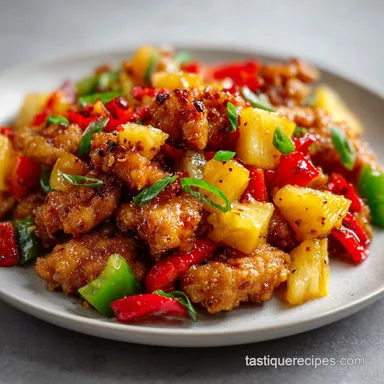
Hawaiian Chicken: Sheet Pan Dinner
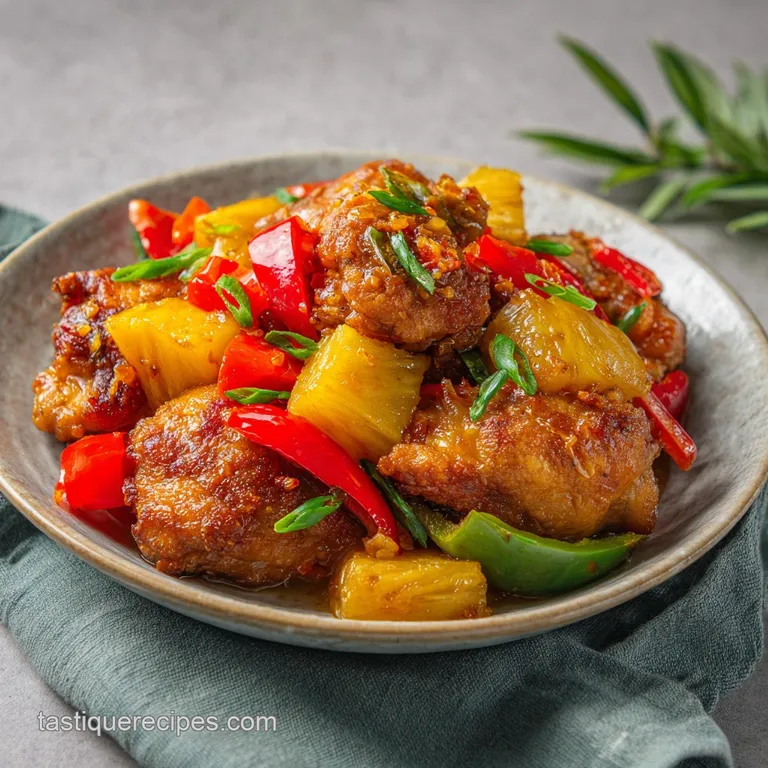
- Time:15 minutes active + 20 minutes roasting = Total 35 minutes
- Flavor/Texture Hook: Tangy, sticky glaze with charred, juicy edges
- Perfect for: Busy weeknight dinners and beginner friendly meal prep
- The Secret to Better Hawaiian Chicken
- Shopping List Breakdown
- The Essential Gear
- Step by Step Cooking Guide
- Fixing Common Sheet Pan Issues
- Troubleshooting Common Issues
- Customizing Your Tropical Dinner
- Common Tropical Cooking Myths
- Storage and Waste Reduction
- Serving Suggestions and Pairings
- Critical Sodium Level
- Recipe FAQs
- 📝 Recipe Card
That specific smell when pineapple hits a hot oven is honestly one of my favorite things in the world. It's a mix of sugary caramel and a sharp, tropical tang that fills the whole house. I remember the first time I tried a hawaiian chicken sheet pan recipe for a friend's get together.
I was lazy and used canned pineapple chunks without draining them, and the whole thing turned into a soggy, sweet soup instead of a roast.
It was a total disaster, but it taught me the most important lesson about sheet pan meals: moisture is the enemy of the char. Once I started patting the fruit dry and giving the ingredients actual breathing room on the pan, everything changed.
Now, this is my go to when I want something that tastes like a vacation but takes almost zero effort.
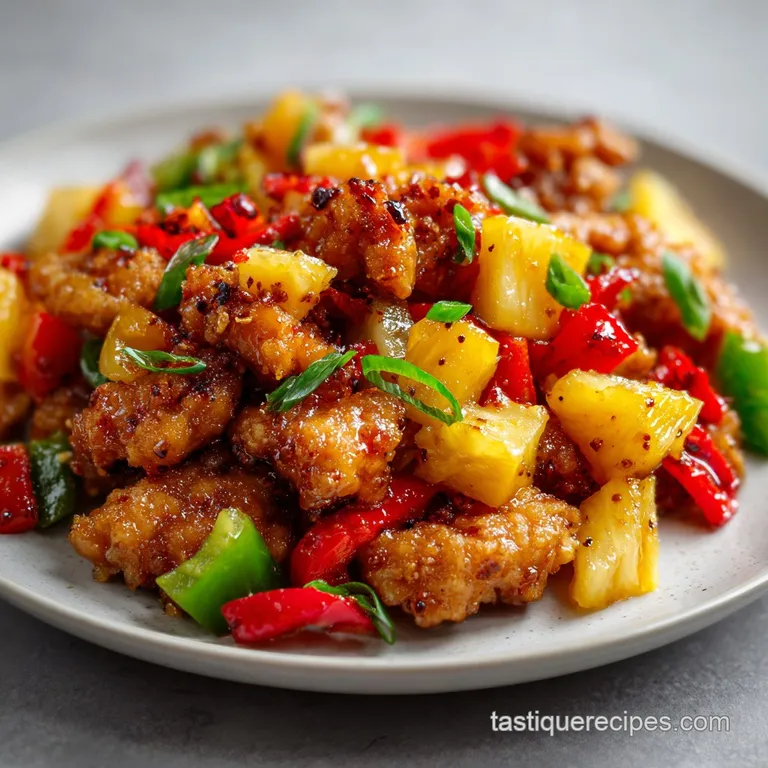
You can expect a dish where the chicken stays juicy, the peppers get soft and charred, and the sauce reduces into a thick, velvety lacquer. This Hawaiian Chicken doesn't require any fancy equipment, just a basic baking sheet and a bowl. Let's get into how to actually make this happen.
The Secret to Better Hawaiian Chicken
The magic here isn't just in the ingredients, but in how they interact under high heat. Because we're using a high temperature, we're triggering a fast evaporation of water, which lets the sugars in the honey and pineapple juice concentrate.
The Sugar Shield: Honey and pineapple juice create a thick coating that caramelizes quickly. This locks in a bit of the moisture while creating those charred brown bits.
Enzymatic Tenderizing: Pineapple contains bromelain, an enzyme that breaks down protein. By tossing the meat in pineapple juice, the Hawaiian Chicken becomes tender much faster than if we used plain soy sauce.
The Airflow Gap: Leaving space between the chicken and veg prevents them from steaming. This ensures you get a sizzle on the pan rather than a boil.
Salt Sugar Balance: The soy sauce provides the salt needed to cut through the heavy sweetness of the honey. This creates a balanced, savory sweet profile.
| Method | Prep Time | Texture | Best For |
|---|---|---|---|
| Fresh Pineapple | 15 minutes | Firm, zesty, bright | Fresh, high contrast flavor |
| Canned Pineapple | 10 minutes | Softer, syrupy, sweet | Budget friendly, faster prep |
Ingredient Deep Dive
| Ingredient | Science Role | Pro Secret |
|---|---|---|
| Pineapple Juice | Tenderizer | Use 100% pure juice to avoid corn syrup interference |
| Honey | Glazing Agent | Room temperature honey whisks in much faster |
| Soy Sauce | Umami Source | Low sodium version prevents the dish from becoming too salty |
| Fresh Ginger | Aromatic Punch | Grate it finely to avoid woody chunks in the glaze |
Shopping List Breakdown
You'll want to grab these specific items. Don't settle for the cheapest "tropical" blend; the real stuff makes a massive difference in the final taste.
- 1.5 lbs chicken breast, cut into 1 inch cubes Why this? Uniform size ensures even cooking
- 2 cups fresh pineapple chunks Why this? Holds shape better than canned
- 1 large red bell pepper, diced
- 1 large green bell pepper, diced
- 1 small red onion, cut into wedges
- 1/2 cup pineapple juice Why this? Provides the acidic base for the sauce
- 1/4 cup soy sauce Why this? Adds the essential salty depth
- 2 tbsp honey Why this? Creates the sticky, glossy finish
- 1 tbsp minced garlic
- 1 tsp freshly grated ginger
- 1 tbsp vegetable oil
If you're out of honey, maple syrup works, though it adds a woody note. For the soy sauce, coconut aminos are a great substitute if you need something soy free. Note that coconut aminos are less salty, so you might need a pinch of extra sea salt.
| Original Ingredient | Substitute | Why It Works |
|---|---|---|
| Honey (2 tbsp) | Maple Syrup (2 tbsp) | Similar viscosity. Note: Adds a distinct autumnal flavor |
| Soy Sauce (1/4 cup) | Coconut Aminos (1/4 cup) | Similar color and salt. Note: Slightly sweeter and less salty |
| Chicken Breast | Chicken Thighs | Higher fat content. Note: Harder to overcook, more velvety texture |
If you're serving this for a crowd, a fresh Homemade Salsa recipe adds a great spicy contrast to the sweetness of the meat.
The Essential Gear
You don't need a professional kitchen for this, but a few specific tools make it easier. First, a large rimmed baking sheet is a must. If the rim is too shallow, the bubbling sauce will leak all over your oven floor, which is a nightmare to clean.
I always use parchment paper. It doesn't just stop sticking, it also means you can toss the whole mess away instead of scrubbing burnt honey off a metal pan for twenty minutes. A medium mixing bowl and a whisk are the only other requirements.
Chef's Note: If you have a wire cooling rack that fits inside your sheet pan, you can roast the chicken on that. It lets the heat hit the bottom of the meat, giving you a more uniform char on all sides.
Step by step Cooking Guide
Right then, let's get this moving. Make sure your oven is fully preheated before the food goes in, or you'll lose that initial sizzle.
- Preheat your oven to 400°F (200°C) and line a large rimmed baking sheet with parchment paper.
- In a medium bowl, whisk together the pineapple juice, soy sauce, honey, garlic, ginger, and vegetable oil. Note: Whisk until the honey is fully integrated and the sauce is smooth.
- Toss the cubed chicken, pineapple chunks, and diced bell peppers in the glaze. Mix until every piece is thoroughly coated and the sauce is evenly distributed.
- Spread the mixture across the sheet pan in a single layer. Note: Leave about 1/2 inch of space between ingredients to ensure roasting instead of steaming.
- Roast in the center rack for 18-22 minutes. Cook until the chicken reaches an internal temperature of 165°F (74°C) and the pineapple is caramelized.
- Listen for the sizzle and smell for that deep, toasted sugar aroma.
- Optional: Switch to the broiler for the final 2 minutes. Watch closely until the edges of the pineapple are charred and dark brown.
- Remove from the oven and let it rest for 5 minutes on the pan. Note: This allows the juices to redistribute so the meat stays velvety.
Fixing Common Sheet Pan Issues
The most common complaint with this Hawaiian Chicken is a "watery" pan. This usually happens when people overcrowd the tray. When the pieces are touching, they release moisture that doesn't have anywhere to go, so they boil in their own juices.
Troubleshooting Common Issues
| Issue | Solution |
|---|---|
| Why Your Pan Is Watery | If you see a pool of liquid at the bottom, you've likely used too many vegetables or a pan that's too small. The solution is to use two pans or roast in batches. |
| Why the Glaze Burnt | Honey has a low burn point. If your oven runs hot or you used too much honey, the sauce will turn black before the chicken is cooked. Lower the heat to 375°F (190°C) and add a splash more pineapple ju |
| Why the Chicken Is Dry | Overcooking is the main culprit here. Even 2 minutes too long can turn breast meat rubbery. Use a meat thermometer and pull it out at exactly 165°F. |
Quick Checklist for Success:
- ✓ Pineapple chunks are patted dry before tossing
- ✓ Chicken pieces are cut to a uniform 1 inch size
- ✓ Ingredients are spread in a single layer (no overlapping)
- ✓ Oven is preheated to a full 400°F (200°C)
- ✓ Internal temp is checked with a probe thermometer
Customizing Your Tropical Dinner
If you want a lower carb version, swap the honey for a monk fruit syrup and replace the pineapple chunks with diced zucchini or cauliflower. You'll lose the caramelization, but the flavor profile remains similar.
For those avoiding gluten, simply swap the soy sauce for Tamari or coconut aminos. Since these are naturally gluten-free, the dish remains essentially the same. If you're looking for more heat, add a teaspoon of Sriracha or red pepper flakes to the glaze.
For a more filling meal, I recommend serving this over a bed of jasmine rice or quinoa. If you want a lighter start to the meal, maybe try a Caprese Salad recipe to balance the sweetness.
Adjusting for Different Sizes
If you're cooking for just one or two people, cut the recipe in half. Use a smaller baking sheet (like a quarter sheet) so the sauce doesn't spread too thin and burn. Reduce the roasting time by about 20%, but always trust your thermometer over the clock.
When doubling the recipe for a party, don't just double the soy sauce and honey. Increase the seasonings to 1.5x first, then taste. Using too much soy sauce in large batches can make the dish overwhelmingly salty. Most importantly, use two separate sheet pans to maintain the airflow.
| Batch Size | Pan Suggestion | Time Adjustment | Sauce Adjustment |
|---|---|---|---|
| Half (2 servings) | Quarter sheet | Reduce by 4-5 mins | Exact 50% reduction |
| Double (8 servings) | Two Half sheets | Same time | 1.5x salt/soy |
Common Tropical Cooking Myths
Some people think you need to sear the chicken in a pan before putting it on the sheet tray to "seal in the juices." This is a total myth. Searing adds flavor, but it doesn't stop moisture loss. In this Hawaiian Chicken, the high oven temp and sugar glaze do the work for you.
Another myth is that you must use fresh pineapple for the enzymes to work. While fresh is better for texture, canned pineapple juice still contains enough acidity to tenderize the meat. Just make sure it's not the "heavy syrup" variety, which is mostly sugar.
Storage and Waste Reduction
This dish keeps surprisingly well. Store the leftovers in an airtight container in the fridge for up to 4 days. The flavors actually deepen overnight as the chicken continues to marinate in the sauce.
To reheat, avoid the microwave if you can, as it makes the peppers mushy. Instead, pop them back in the oven at 350°F (175°C) for 10 minutes or use an air fryer for 4 minutes to bring back that charred exterior.
This can also be frozen for up to 2 months, though the pineapple may lose some of its structure.
For zero waste, don't throw away the leftover glaze in the bowl. You can simmer it in a small pan for 2 minutes until it thickens further and use it as a dip for spring rolls. If you have leftover pineapple cores, blend them with a bit of water and lime to make a fresh tropical drink.
Serving Suggestions and Pairings
The best way to serve this Hawaiian Chicken is right off the pan and onto a platter. I love adding a sprinkle of toasted sesame seeds and sliced green onions on top for a bit of crunch and freshness.
Since the dish is quite sweet and salty, pair it with something neutral. Steamed broccoli or a simple cucumber salad works wonders. If you want something more indulgent, a side of coconut rice is the traditional choice.
For those who love a little extra zing, squeeze a fresh lime wedge over the meat just before serving. The hit of citrus cuts through the honey and makes the whole dish feel lighter and more vibrant. Trust me, that one small step makes it taste like it came from a professional kitchen.
Critical Sodium Level
1380 mg 1,380 mg of sodium per serving (60% 60% of daily value)
The American Heart Association recommends a daily sodium limit of no more than 2,300 mg, and an ideal limit of 1,500 mg for most adults to reduce cardiovascular risk.
Tips to Reduce Sodium
-
Swap Soy Sauce-20%
Replace regular soy sauce with low-sodium soy sauce or coconut aminos to significantly cut the primary salt source.
-
Reduce Sauce Volume-20%
Use half the amount of soy sauce and increase the pineapple juice to maintain the consistency of the sauce.
-
Add Citrus Acidity-10%
Squeeze in fresh lime or lemon juice to provide a bright, tangy flavor that mimics the taste of salt.
-
Boost Aromatics-10%
Increase the amount of freshly grated ginger and minced garlic to add punchy flavor without adding sodium.
-
Use Fresh Herbs
Garnish the final dish with freshly chopped cilantro or green onions for added aromatic depth.
Recipe FAQs
How long to bake Hawaiian chicken?
Bake for 18 22 minutes at 400°F (200°C). Ensure the chicken reaches an internal temperature of 165°F (74°C) for safety.
Why is my sheet pan watery?
You likely used a pan that is too small or too many vegetables. Use two pans or roast in batches to ensure the ingredients roast rather than steam.
How to get a crispier finish on the chicken?
Broil for the final 2 minutes. This creates a charred, caramelized exterior on the glaze.
What makes the flavor balance work in this recipe?
Combining honey and soy sauce creates a classic sweet savory profile. If you loved this balance, see how we use similarly bold seasonings in our taco casserole.
Is it true I must marinate the chicken overnight for it to be flavorful?
No, this is a common misconception. Tossing the chicken in the glaze immediately before roasting provides ample flavor.
How to reheat leftovers without making them mushy?
Use an oven at 350°F (175°C) for 10 minutes. Alternatively, use an air fryer for 4 minutes to restore the charred exterior.
Why did the honey glaze burn?
The oven likely ran too hot. Honey has a low burn point, so monitor the roast closely during the final minutes of the 18 22 minute cook time.
Hawaiian Chicken Sheet Pan