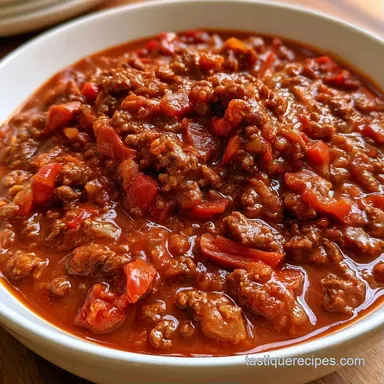
Classic Beef Chili: Hearty and Savory
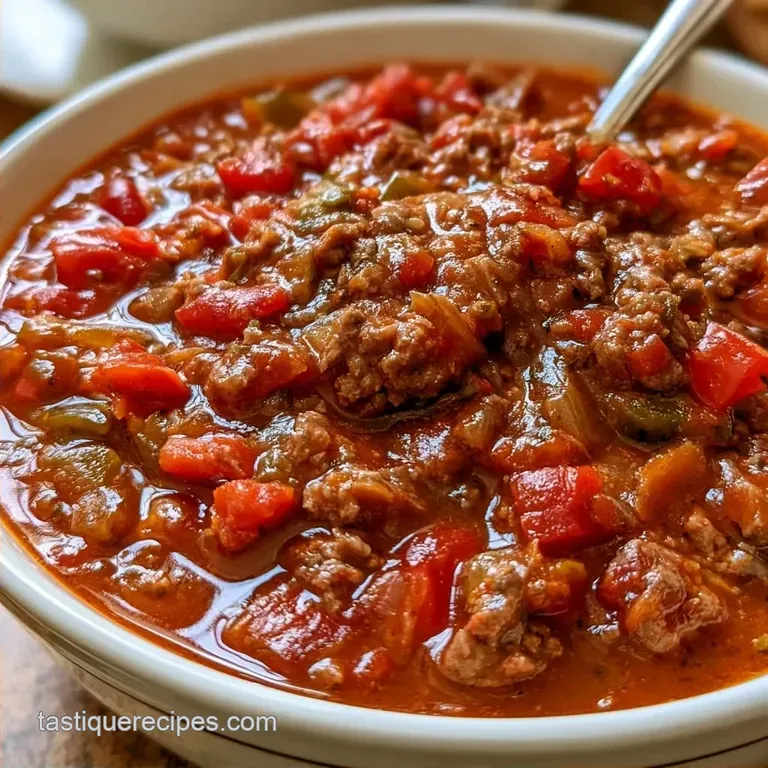
- Time: 15 min active + 60 min simmering
- Flavor/Texture Hook: Thick, smoky, and mahogany colored
- Perfect for: Game day crowds or Sunday meal prep
Hearty and Rich Beef Chili
The sound of ground beef hitting a hot pot and the sudden, sharp aroma of toasted cumin always take me back to the border towns of Texas. Chili isn't just a meal there, it's a cultural anchor.
It started as a way to stretch cheap cuts of meat, blending Spanish influence with Indigenous ingredients to create something that feels like a warm hug in a bowl.
This isn't a thin soup. I've spent a lot of time making sure the consistency is right, moving away from those watery versions that feel like beefy broth. We're going for something dense and savory that clings to a spoon.
You can expect a deep, smoky flavor from the paprika and a satisfying bite from the kidney beans. This Beef Chili focuses on the contrast between the rich, browned meat and the bright acidity of the tomatoes.
Reasons This Recipe Works
- over High heat Searing: Browning the beef until it's a dark mahogany creates complex flavors. This avoids the "gray meat" look and adds a savory depth that defines a great Beef Chili.
- Spice Blooming: Toasting the chili powder and cumin in fat awakens the oils. This makes the spices taste vibrant rather than raw or dusty.
| Approach | Prep Effort | Texture | Best For |
|---|---|---|---|
| Fresh Aromatics | Higher | Chunkier, fresher | Weekend dinners |
| Pre Cut Veggies | Lower | Softer, uniform | Weeknight rush |
| Canned Base | Lowest | Smoother | Quick lunch |
Picking the Right Ingredients
The beef provides the savory foundation. Using an 80/20 blend ensures enough fat to carry the spice flavors without leaving a greasy pool on top of your Beef Chili.
Tomatoes provide the necessary acid to cut through the richness of the meat. I use a mix of crushed and diced tomatoes to get both a thick sauce and some texture.
The spice blend is where the personality comes in. Chili powder is the heavy lifter, but smoked paprika adds a campfire quality that makes the dish feel authentic.
The Shopping List
- 2 lbs lean ground beef (80/20 or 85/15 blend) Why this? Ideal mix of taste and fat content
- 1 large yellow onion, diced Why this? Provides a savory, sweet foundation
- 1 red bell pepper, diced Why this? Offers a touch of sweetness and color
- 4 cloves garlic, minced Why this? Adds necessary aromatic depth
- 1 tbsp olive oil Why this? Stable at high heat for browning
- 28 oz crushed tomatoes Why this? Builds a dense, rich base
- 15 oz diced tomatoes Why this? Provides a chunkier consistency
- 2 cans (15 oz each) kidney beans, drained and rinsed Why this? Gives it a traditional, filling feel
- 1 cup beef broth Why this? Boosts the savory beef notes
- 2 tbsp tomato paste Why this? Intensifies the rich umami flavor
- 3 tbsp chili powder Why this? Forms the core taste of the dish
- 1 tbsp ground cumin Why this? Adds warmth and earthiness
- 1 tsp smoked paprika Why this? Gives a hint of wood fired aroma
- 1 tsp salt Why this? Brings out the other seasonings
- 1/2 tsp black pepper Why this? Simple, biting heat
- 1/4 tsp cayenne pepper Why this? Introduces a bit of spicy zest
| Original Ingredient | Substitute | Why It Works |
|---|---|---|
| Ground Beef | Ground Turkey | A leaner alternative. Note: Less flavor; stir in 1 tsp soy sauce for extra savoriness |
| Kidney Beans | Black Beans | Comparable consistency. Note: Has a slightly more earthy taste |
| Beef Broth | Vegetable Broth | A solid substitute. Note: Not as hearty as the beef version |
| Red Bell Pepper | Poblano Pepper | A tasty alternative. Note: Adds a gentle, smoky spice |
Equipment Needed
A large Dutch oven is the ideal choice for this Beef Chili, as its thick base prevents the meat from scorching during the sear. A heavy bottomed stockpot serves as a great alternative.
You will also need a wooden spoon for scraping the pot and a sharp chef's knife for prepping the onion and pepper. For rinsing the beans thoroughly, a fine mesh strainer is very helpful.
Cooking Your Chili
Warm olive oil in a Dutch oven over medium high heat. Add the ground beef, breaking it up as you cook, until it reaches a deep mahogany brown. Drain most of the fat, leaving about 1 tablespoon behind. Note: Take your time; the browned bits provide essential flavor.
Stir in the chopped onion and red bell pepper. Cook for 5 minutes until the onion is soft and translucent.
Add the spice blend, tomato paste, and minced garlic. Stir for 2 minutes until the spices are toasted and fragrant. Note: The tomato paste should darken a bit.
Pour in the beef broth, crushed tomatoes, and diced tomatoes. Stir well, scraping the bottom of the pot to release the caramelized beef. Bring the liquid to a bubble, then lower the heat to a simmer.
Cover and simmer for 30 minutes. Allow the liquid to bubble gently.
Stir in the drained kidney beans and simmer uncovered for another 15 minutes until the Beef Chili reaches a thick, velvety consistency.
Chef's Note: If you have an extra 10 minutes, let the pot rest off the heat before serving. This helps the flavors meld and the texture thicken.
Fixing Common Issues
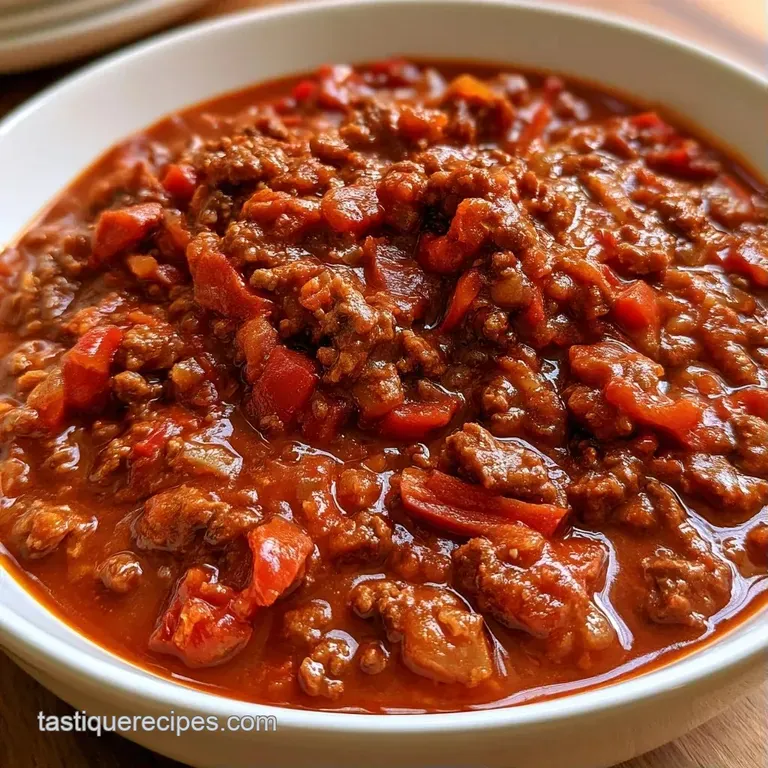
Fixing Watery Chili
If the liquid hasn't reduced enough, simmer it uncovered for an extra 15 minutes. Another trick I use is to mash a handful of beans against the side of the pot. The released starches naturally thicken the sauce.
Taming the Heat
Too much cayenne can be overwhelming. Stir in a teaspoon of brown sugar or a small square of dark chocolate. The bitterness and sweetness neutralize the sharp sting of the peppers without ruining the flavor.
Balancing the Acid
If the tomatoes make the Beef Chili taste too sharp, add a pinch of baking soda. It reacts with the acid and mellows the taste instantly. Alternatively, a dollop of sour cream on top during serving does the trick.
For those who prefer a slower approach, a beef stew uses similar browning techniques to build flavor.
Changing the Portion Size
For a smaller batch (½ recipe): Use a smaller pot and reduce the simmering time by about 20%. If the recipe calls for an odd number of eggs (not applicable here), beat one and use half.
For a larger crowd (2x-4x): Only increase the salt and cayenne to 1.5x initially. You can always add more later, but you can't take it out. Liquids should be reduced by 10% since larger pots often lose less moisture to evaporation. Work in batches when searing the meat to avoid steaming it in its own juices.
Storing Your Leftovers
Keep your Beef Chili in a glass jar in the refrigerator for as long as 4 days. The taste often improves after 24 hours as the spices blend together.
For freezing, use airtight bags or containers; it stays fresh for 3 months. Let it defrost in the refrigerator overnight, then warm it on the stove over medium heat.
Reduce waste by saving onion skins and carrot peels in a freezer bag. Once you've collected a few, boil them with water and a bay leaf to make a quick vegetable stock for your next soup.
Serving and Pairings
Topping Bar
The best way to serve Beef Chili is with a spread of toppings. I always put out shredded sharp cheddar, sliced jalapeños, diced red onion, and a bowl of cool sour cream.
Cornbread Side
A honey glazed cornbread is the classic partner here. The sweetness of the corn balances the smoky heat of the beef.
Twists and Swaps
For a different texture, try a fall beef chuck chili which uses cubed meat instead of ground.
Slow Cooker Style
Brown the beef and sauté the veggies in a pan first. Transfer everything to the slow cooker and cook on low for 6 hours. Add the beans in the last 30 minutes to keep them from getting mushy.
Texas Style
In Texas, adding beans to Beef Chili is often seen as a crime. To make it "Texas Style," simply omit the kidney beans and increase the beef to 3 lbs.
Turkey Swap
Substitute ground turkey for beef. Since turkey is leaner, add an extra tablespoon of olive oil during the searing phase to prevent the meat from sticking and drying out.
Chili Truths
Searing meat doesn't actually "lock in juices," despite the popular myth. Moisture is lost regardless of whether you brown the meat. The real benefit is the Maillard reaction, which creates that deep flavor and savory crust.
Some think an authentic chili requires simmering for 8 hours. While slow cooking is excellent, a focused 60 minute simmer at the correct temperature creates a rich Beef Chili in a fraction of the time.
This Beef Chili centers on the balance of smoky heat and savory meat. As long as you brown the beef thoroughly, you're ready to go. Happy cooking!
High in Sodium
1120 mg 1,120 mg of sodium per serving (49% 49% of daily value)
The American Heart Association recommends a daily sodium limit of no more than 2,300 mg, with an ideal limit of 1,500 mg for most adults.
Tips to Reduce Sodium in Your Chili
-
Swap the Broth-30%
Replace the beef broth with low-sodium beef broth or unsalted beef stock to significantly cut salt content.
-
Eliminate Added Salt-25%
Omit the 1 tsp of salt entirely; the canned tomatoes and paste already provide a baseline of salinity.
-
Choose Low-Sodium Beans-20%
Use no-salt added kidney beans or rinse canned beans thoroughly under cold water for 2 minutes.
-
Select Unsalted Tomatoes-20%
Switch to no-salt added crushed and diced tomatoes to avoid hidden sodium in the canning liquid.
-
Enhance with Spices
Increase the smoked paprika or cumin to add depth and richness without adding any sodium.
Recipe FAQs
What makes the flavor of this beef chili so deep?
Browning the ground beef to a deep mahogany color creates essential caramelized flavors. Toasting the spices for two minutes before adding liquids further intensifies the taste.
Which ingredients are used for this classic version?
This recipe uses lean ground beef, kidney beans, and a mix of crushed and diced tomatoes. A blend of chili powder, cumin, smoked paprika, and cayenne provides the signature heat.
How to achieve a thick and velvety consistency?
Simmer the chili uncovered for the final 15 minutes after adding the kidney beans. This allows excess moisture to evaporate and concentrates the sauce.
Is chili a better choice than soup for a cold winter day?
Chili is generally the better choice because its thickness and hearty ingredients provide more warmth. It feels more like a filling meal than a lighter soup.
Do I need to simmer the beans for the entire hour?
Not true. Adding the kidney beans during the last 15 minutes prevents them from becoming mushy.
Can this browning technique be used for other meals?
Achieving a deep brown sear is a core culinary skill. If you found this browning process helpful, you can use a similar approach for our classic meatloaf.
Why does my chili look too watery?
You likely didn't simmer it long enough without a lid. Let it bubble uncovered at the end to reduce the liquid until it reaches the desired thickness.
Classic Beef Chili