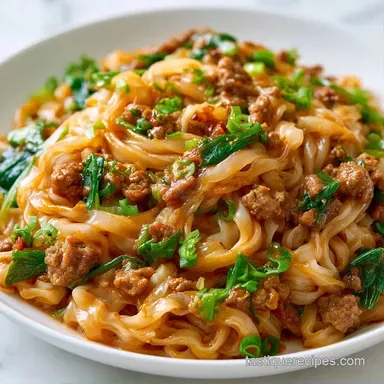
Beef Rice Noodle Skillet: Mahogany Glazed
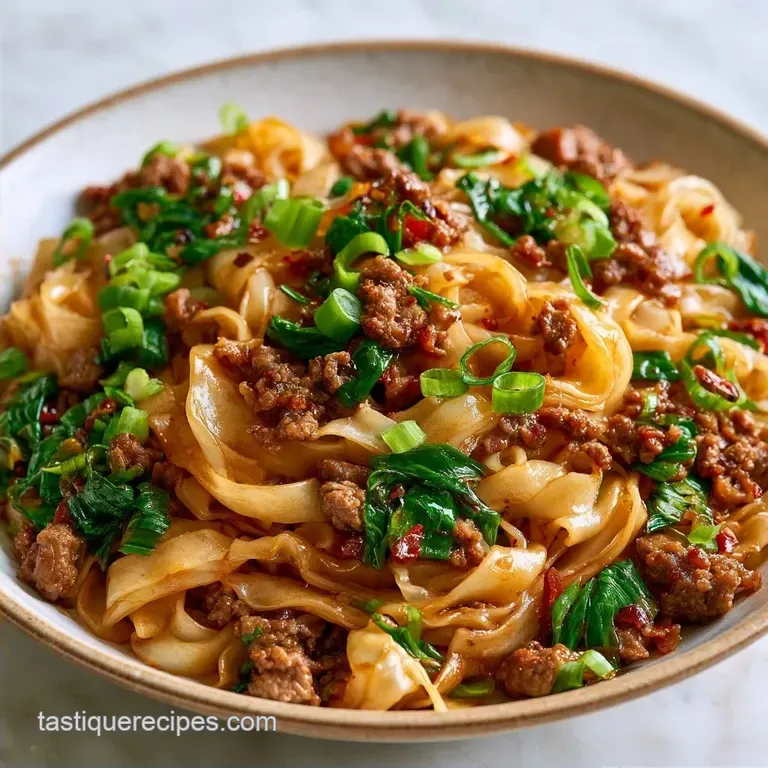
- Time: 10 min active + 15 min cook = Total 25 mins
- Flavor/Texture Hook: Mahogany glazed noodles with a deep, nutty beef crust
- Perfect for: Weeknight dinner, beginner friendly, one pan cleanup
- Beef Rice Noodle Skillet Secrets
- Why This Method Actually Works
- The Essential Ingredient Breakdown
- Gathering All Your Ingredients
- Required Kitchen Tools
- Step By Step Cooking Process
- Fixing Common Cooking Glitches
- Ways to Swap Ingredients
- Adjusting the Batch Size
- Debunking Noodle Myths
- Storage and Waste Reduction
- Plating For Best Results
- Very High in Sodium
- Recipe FAQs
- 📝 Recipe Card
Beef Rice Noodle Skillet Secrets
That sharp, aggressive sizzle when the beef hits the hot oil is the sound of success. If you aren't hearing that, your pan isn't hot enough. I remember the first time I tried making a stir fry at home, I crowded the pan with too much meat and everything just grayed out.
It steamed in its own juices, and I ended up with a bland, rubbery mess that tasted like boiled beef. It was a total disaster.
Forget the idea that you need a professional carbon steel wok or a commercial grade burner to get a proper sear. Most people think they need "wok hei" or extreme heat to make a great Rice Noodle Skillet, but that's a myth.
You can get that same deep, concentrated flavor in a standard heavy bottomed skillet by simply leaving the meat alone for a few minutes.
This recipe is all about the build. We start with the beef to create a base of flavor, add the aromatics to brighten it up, and finish with a glossy sauce that clings to every strand of noodle. It's a straightforward process, but the order of operations is what makes it work.
Trust me on this, don't rush the beef browning, or you'll miss out on the best part of the dish.
Why This Method Actually Works
- Surface Browning: Leaving the beef untouched creates a deep crust, which adds a nutty depth to the whole pan.
- Controlled Hydration: Soaking noodles in hot water rather than boiling them keeps them pliable and prevents them from turning into a gluey mass.
- Sugar Binding: The brown sugar melts into the soy sauce, creating a syrupy glaze that coats the noodles instead of pooling at the bottom.
- Aromatic Infusion: Sautéing garlic and ginger in the rendered beef fat carries those sharp flavors into every bite.
| Method | Time | Texture | Best For |
|---|---|---|---|
| Fast Skillet | 25 mins | Glossy & Tender | Weeknight meals |
| Classic Wok | 20 mins | Charred & Smoky | over High heat cooking |
| Slow Simmer | 45 mins | Soft & Integrated | Meal prep batches |
The Essential Ingredient Breakdown
| Ingredient | Science Role | Pro Secret |
|---|---|---|
| Lean Ground Beef | Flavor Base | Pat dry with paper towels for a better sear |
| Rice Noodles | Texture Carrier | Use wide noodles for maximum sauce grip |
| Brown Sugar | Glaze Agent | Pack it tight for consistent sweetness |
| Rice Wine Vinegar | Acid Balance | Cuts through the fat of the beef |
Gathering All Your Ingredients
You'll need a few pantry staples to get this right. Make sure your soy sauce is a general purpose one, though a dark soy sauce can be added if you want a deeper color. For the ginger, fresh is non negotiable. The bottled stuff just doesn't have that zesty punch.
- 1 lb lean ground beef Why this? Lean prevents the sauce from becoming too greasy
- 2 tbsp olive oil Why this? High smoke point for searing
- 3 cloves garlic, minced
- 1 tbsp fresh ginger, grated
- 1/2 cup diced yellow onion
- 8 oz wide rice noodles (dried) Why this? Width helps them hold the sauce
- 4 cups very hot water
- 1/2 cup soy sauce
- 1/4 cup brown sugar, packed Why this? Adds a rich, molasses undertone
- 1 tbsp rice wine vinegar
- 1 tsp toasted sesame oil
- 1/2 tsp red pepper flakes
If you find yourself missing a few items, don't panic. You can easily swap things out without ruining the dish. For instance, if you're looking for a plant based version, my Vegan Oyster Sauce works great here as a base for the glaze.
Required Kitchen Tools
You don't need a huge arsenal for this. A large non stick or cast iron skillet is the star here. I prefer cast iron because it holds heat better, which is key for that beef crust. You'll also need a large mixing bowl for the noodles and a whisk for the sauce.
Tongs are a lifesaver when folding in the noodles. Forks tend to break the rice noodles, which are much more fragile than wheat noodles. A good pair of silicone tipped tongs lets you toss everything gently so the noodles stay intact and mahogany colored.
Step by step Cooking Process
- Place the dried rice noodles in a large bowl and cover with very hot water. Let them soak for 8-10 minutes until pliable but still slightly firm. Drain and set aside.
- Heat olive oil in the skillet over medium high heat. Add ground beef and spread it in an even layer.
- Leave the beef untouched for 3 minutes until a deep brown crust forms, then break it into small crumbles. Cook until no pink remains. Note: This is where the flavor lives; don't stir too early!
- Push the beef to the sides of the pan and add the onions, garlic, and ginger to the center.
- Sauté for 2-3 minutes until the onions are translucent and the garlic smells fragrant and nutty.
- Whisk the soy sauce, brown sugar, rice wine vinegar, sesame oil, and red pepper flakes together in a small bowl.
- Pour the sauce over the beef. Stir for 1 minute until the sauce bubbles and thickens into a glossy glaze.
- Fold in the drained rice noodles using tongs.
- Toss gently for 2 minutes until the noodles are mahogany colored and fully coated in the sauce.
Chef's Tip: If you want an extra punch of flavor, add a teaspoon of espresso powder to the sauce. It doesn't make it taste like coffee, but it deepens the savory notes of the beef.
Fixing Common Cooking Glitches
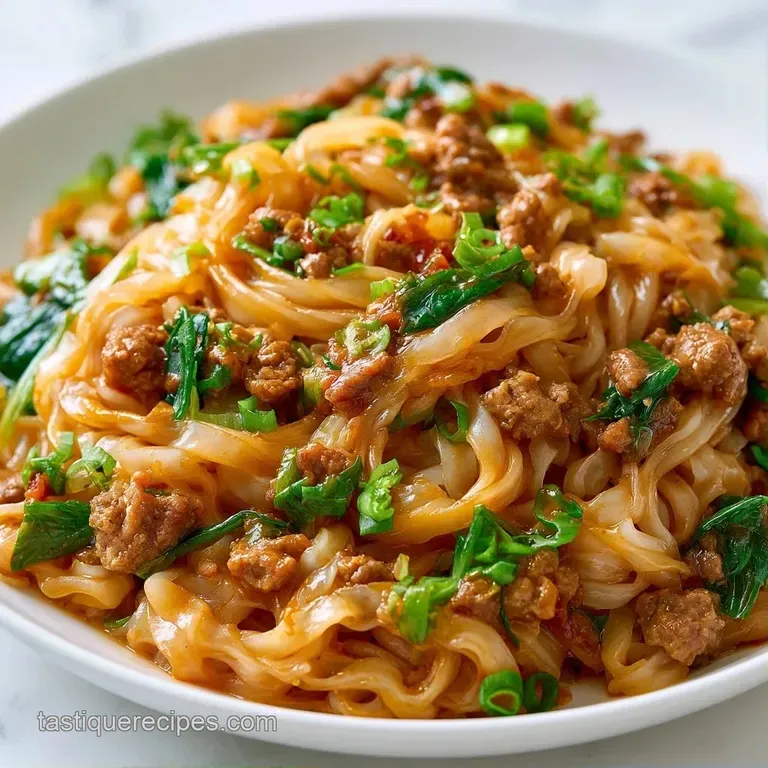
When you're working with rice noodles, things can go sideways quickly. The most common issue is the texture. If you over soak them, they turn into mush the second they hit the pan. If you under soak, they stay chalky in the middle.
Noodles are sticking together
This usually happens if the noodles were drained and left to sit too long without a bit of oil or sauce. Rice noodles are starch heavy and love to clump. Give them a quick rinse with warm water right before adding them to the skillet to loosen them up.
The sauce is too thin
A thin sauce usually means the brown sugar didn't fully caramelize or the heat was too low. Let the sauce bubble for an extra minute before adding the noodles. The reduction is what creates that velvety cling.
Beef is steaming instead of searing
If you see a lot of liquid in the pan and the beef is gray, you've likely crowded the pan or used meat with too much moisture. According to Serious Eats, patting meat dry before it hits the oil is the best way to ensure a proper sear.
| Problem | Root Cause | Solution |
|---|---|---|
| Mushy Noodles | Over soaked | Reduce soak time by 2 mins |
| Bland Flavor | Under seared beef | Leave beef untouched longer |
| Sauce is too salty | Too much soy | Add a squeeze of lime juice |
Common Mistakes Checklist
- ✓ Patting beef dry before searing
- ✓ Using very hot (not boiling) water for noodles
- ✓ Avoiding the urge to stir the beef immediately
- ✓ Whisking the sauce separately before pouring
- ✓ Using tongs instead of forks for tossing
Ways to Swap Ingredients
Depending on what's in your fridge, you can tweak this recipe. If you don't have rice wine vinegar, apple cider vinegar is a decent alternative, though it's a bit fruitier. For the beef, you could use ground turkey, but you'll need to add an extra tablespoon of olive oil since turkey is leaner.
| Original Ingredient | Substitute | Why It Works |
|---|---|---|
| Brown Sugar | Honey | Similar sweetness. Note: Makes the glaze stickier |
| Soy Sauce | Coconut Aminos | Lower sodium. Note: Slightly sweeter, less salty |
| Lean Ground Beef | Ground Pork | Similar fat profile. Note: Milder flavor |
| Rice Noodles | Thick Rice Vermicelli | Similar starch. Note: More delicate texture |
If you're in a rush and need something even faster, you can check out these Beef Rice Noodles that take just 20 minutes. Both versions are great, but this skillet method gives you a better crust on the meat.
Adjusting the Batch Size
When you're cooking for a crowd, don't just double everything in one pan. If you put 2 lbs of beef in a standard skillet, the temperature will drop, and you'll end up steaming the meat instead of searing it.
Scaling Down (Half Batch) Use a smaller 10 inch skillet. You can reduce the cooking time for the aromatics by about 20% since there's less volume to heat through. Be careful with the red pepper flakes; a half teaspoon can feel much hotter in a smaller portion.
Scaling Up (Double Batch) Work in batches. Sear the beef in two turns, remove it from the pan, and then combine everything at the end. Only increase the salt and spices to 1.5x instead of 2x, as these flavors concentrate during the reduction process.
Reduce the liquid ingredients by about 10% to ensure the sauce still thickens properly.
Debunking Noodle Myths
A lot of people believe that you have to boil rice noodles on the stove to get them "done." This is actually the fastest way to ruin them. Boiling often leads to the exterior becoming overcooked and slimy while the center remains hard. Soaking in hot water is the secret to that chewy, restaurant style texture.
Another myth is that you need a special "non stick" pan for rice noodles because they stick. While non stick helps, the real secret is the sauce. The fats from the beef and the oil in the glaze act as a lubricant, keeping the noodles separate as long as you don't overcook them in the pan.
Storage and Waste Reduction
This dish keeps surprisingly well. Store any leftovers in an airtight container in the fridge for up to 3 days. When you reheat it, add a splash of water or a teaspoon of soy sauce to loosen the noodles, as they tend to absorb the sauce while sitting.
If you're freezing it, I'd recommend only freezing the cooked beef and sauce mixture. Rice noodles don't freeze and thaw particularly well; they often become grainy. Just cook a fresh batch of noodles and toss them with the thawed beef mixture.
To keep things zero waste, don't toss your onion scraps or ginger peels. Throw them into a freezer bag with other veggie scraps to make a quick stock later. Also, if you have extra beef fat in the pan, save it in a small jar. It's essentially tallow and is incredible for roasting potatoes or searing steaks.
Plating For Best Results
Since this is a Beef Rice Noodle Skillet, the visual appeal comes from the contrast. The mahogany color of the noodles looks stunning against a bright green garnish. I always top mine with a handful of sliced scallions and a sprinkle of toasted sesame seeds.
For a bit of crunch, add some thinly sliced raw carrots or snap peas on top right before serving. This adds a fresh, crisp element that cuts through the richness of the beef. Serve it in a shallow bowl rather than a flat plate to keep the heat trapped in the noodles longer.
If you want to go all out, serve it with a side of lime wedges; a squeeze of fresh lime right at the end wakes up all the savory notes.
Very High in Sodium
1200 mg 1,200 mg of sodium per serving (52% 52% of daily value)
The American Heart Association recommends a daily sodium limit of no more than 2,300 mg, with an ideal limit of 1,500 mg for most adults.
Tips to Reduce Sodium
-
Swap Soy Sauce-30%
Replace regular soy sauce with low-sodium soy sauce or coconut aminos to drastically reduce the primary salt source.
-
Reduce Sauce Volume-20%
Cut the soy sauce amount in half and substitute the difference with water or unsalted vegetable broth.
-
Boost with Acidity-10%
Add freshly squeezed lime or lemon juice to provide a bright, salty like tang without adding sodium.
-
Use Fresh Aromatics
Garnish with fresh cilantro, sliced green onions, or toasted sesame seeds to add flavor depth without salt.
Recipe FAQs
How to prevent rice noodles from getting mushy?
Soak for 8 10 minutes in very hot water. Drain them while they are still slightly firm to ensure they don't overcook when tossed in the skillet.
How to get a deep brown crust on the ground beef?
Leave the beef untouched for 3 minutes over medium high heat. Avoid stirring too early so the meat can sear and develop a rich, caramelized flavor.
Can I freeze this skillet meal for later?
Only freeze the beef and sauce mixture. Rice noodles often become grainy after thawing, so it is better to cook a fresh batch of noodles to toss with the thawed meat.
Is it true that rice noodles must be boiled on the stove?
No, this is a common misconception. These wide rice noodles only need to soak in very hot water for 8 10 minutes to become pliable.
What's the best way to reheat leftovers without them sticking?
Add a splash of water or a teaspoon of soy sauce. This loosens the noodles, which naturally absorb the sauce while sitting in the fridge.
How to make a soup using similar ground beef flavors?
Simmer ground beef with aromatics in a savory broth. If you enjoy these flavors, you can apply a similar approach to our Korean beef broth for a comforting meal.
Can I use a different oil for searing the beef?
Yes, any high smoke point oil works. While this recipe uses olive oil, any neutral oil will effectively sear the beef over medium high heat.
Beef Rice Noodle Skillet