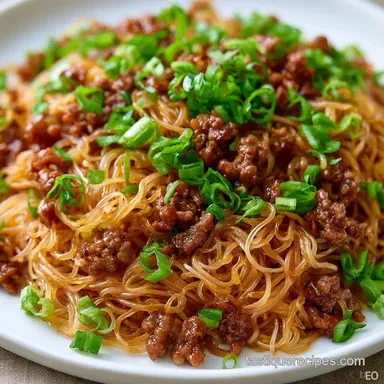
Beef Rice Noodles: Savory and Caramelized
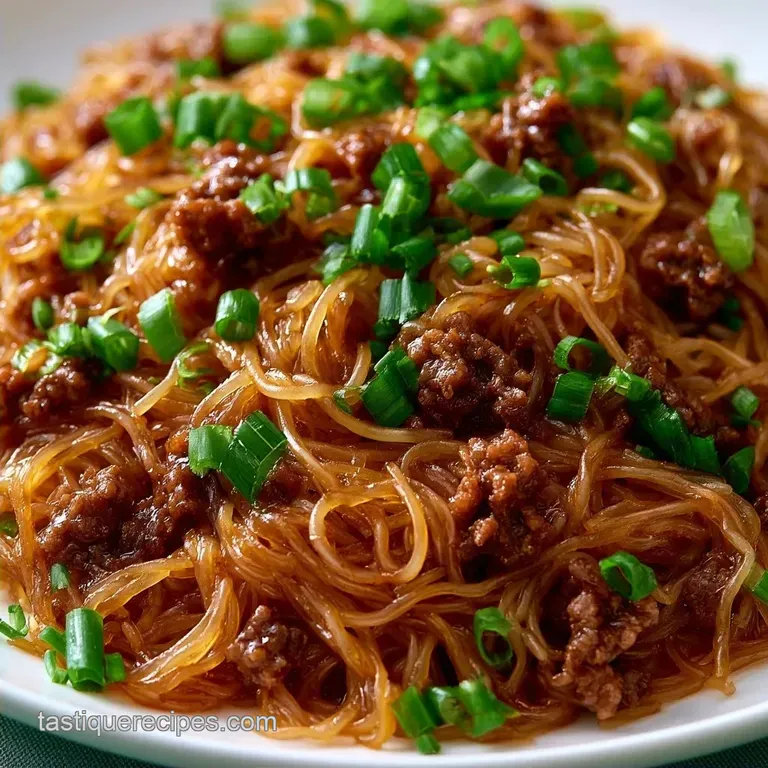
- Time: 10 min prep + 15 min cook = Total 25 mins
- Flavor/Texture Hook: Velvety mahogany glaze with a shatter crisp beef sear
- Perfect for: Fast weeknight dinners and craving crushing meal prep
Nailing The Beef Rice Noodles
The first thing you'll notice is that aggressive sizzle the second the beef hits the hot oil. I remember the first time I tried making this at home, I treated the noodles like pasta and boiled them until they were soft.
I ended up with a bowl of gummy, overcooked strings that just soaked up the sauce without any structure. It was a total disaster, and I almost gave up on the dish entirely.
But then I discovered the soak method. Instead of boiling, you let the noodles relax in hot water, which keeps them springy and gives them that restaurant style bite. When you combine that with beef that's been left alone to brown properly, the whole dish transforms.
This is about the contrast between the rich, salty beef and the slippery, light noodles.
You're going to get a meal that feels like it took hours of prep but actually comes together in under half an hour. We're aiming for a deep mahogany color and a glossy finish that clings to every single strand of the Beef Rice Noodles.
Trust me on this, the patience you show during the searing phase is where the magic happens.
The Secret To Great Texture
Right then, let's talk about why this actually works. Most people rush the process, but if you want that specific mouthfeel, you have to respect the ingredients. If you're curious about the different types of rice sticks, Serious Eats has a great breakdown of how thickness affects cook time.
- Noodle Hydration
- Soaking instead of boiling prevents the starches from releasing too early, which stops the noodles from sticking together.
- The Hard Sear
- Leaving the beef undisturbed creates a concentrated crust that adds a deep, nutty flavor.
- Sugar Reduction
- The brown sugar in the sauce caramelizes quickly, turning a thin liquid into a velvety glaze.
- Starch Binding
- The natural residue on the soaked rice noodles helps the sauce adhere rather than pooling at the bottom.
If you've ever tried Biang Biang noodles, you know how much texture matters in a noodle dish. While those are all about the chew, these are about the slip and the sear.
| Method | Time | Texture | Best For |
|---|---|---|---|
| Hot Soak | 10 min | Al dente / Springy | Weeknight Beef Rice Noodles |
| Boiling | 5 min | Soft / Tender | Traditional Noodle Soups |
| Cold Soak | 1 hour | Very Firm | Cold Noodle Salads |
The Essential Flavor Components
The secret here is the balance. You've got the salt from the soy, the tang from the vinegar, and the richness from the sesame oil. According to the USDA FoodData Central, lean ground beef provides a clean protein base that doesn't overwhelm the sauce with excess grease.
| Ingredient | Science Role | Pro Secret |
|---|---|---|
| Brown Sugar | Glaze Thickener | Packed tight for more molasses notes |
| Rice Vinegar | Acid Balance | Cuts through the beef fat for brightness |
| Toasted Sesame Oil | Aroma Anchor | Always add at the end to keep it fragrant |
| Fresh Ginger | Pungency | Grate it fine to avoid woody chunks |
Must Have Kitchen Gear
You don't need a professional kitchen, but a few things make this a lot easier. I personally love using a carbon steel wok, but a heavy cast iron skillet works just as well because it holds heat so well.
For the noodles, a large heat proof glass bowl is a must. You need enough room to move the noodles around without them cramping. For the sauce, a small whisk or even a fork in a jar will do the trick to make sure the sugar is fully dissolved before it hits the pan.
Step by step Cooking
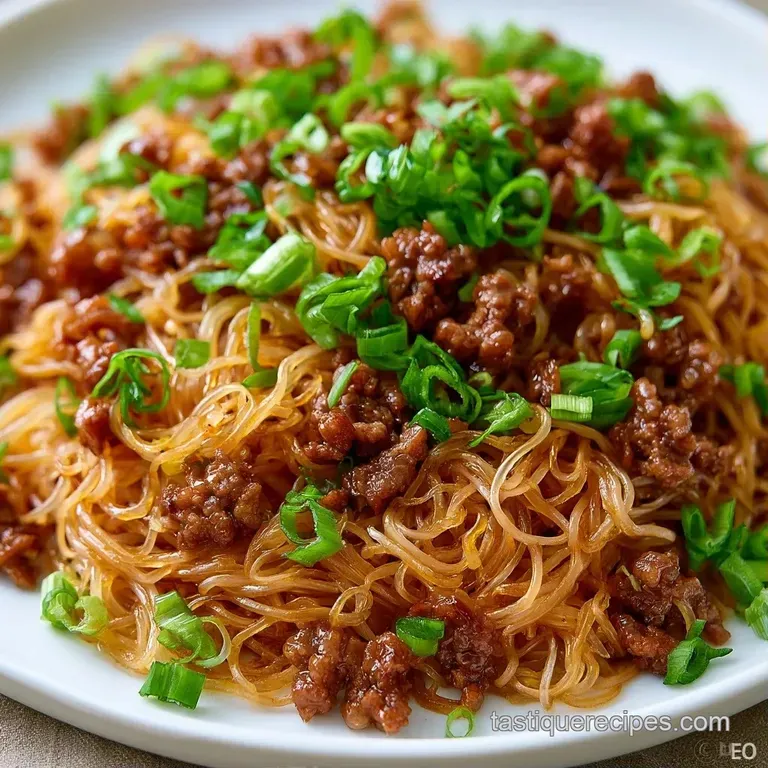
Let's crack on with the actual process. Keep your ingredients prepped and ready, as this moves fast once the heat is on.
- Place the rice noodles in a large bowl and cover with very hot (not boiling) water. Note: This prevents the noodles from splitting. Let them soak for 8-10 minutes until pliable but still slightly firm. Drain and rinse with cold water.
- Heat vegetable oil in a wok or cast iron skillet over medium high heat until it shimmers.
- Add ground beef in a flat layer. Leave undisturbed for 3 minutes until a deep brown crust forms, then break apart with a spatula and cook until fully browned.
- Stir in the minced garlic, grated ginger, and the white parts of the green onions. Sauté for 60 seconds until fragrant.
- Whisk together soy sauce, brown sugar, rice wine vinegar, sesame oil, and red pepper flakes. Pour the mixture into the pan and stir constantly for 2 minutes until the sauce bubbles and thickens into a glossy coating.
- Add the drained noodles. Toss using tongs for 1-2 minutes until the noodles are mahogany colored and have absorbed the sauce.
- Remove from heat immediately and garnish with sliced green onion tops and toasted sesame seeds.
Chef's Note: If you want a more intense beef flavor, try freezing your ground beef for 15 minutes before cooking to firm it up, which helps in getting an even better sear.
Solving Common Cooking Glitches
Even the best of us mess up sometimes. I've had this dish turn into a soup because my pan wasn't hot enough, or a salt bomb because I didn't measure the soy sauce.
Noodle Texture Issues
If your noodles are mushy, you likely soaked them too long or used water that was too hot. They should have a slight resistance in the center before they hit the pan.
Beef Browning Problems
Grey beef happens when the pan is overcrowded or the heat is too low, causing the meat to steam in its own juices. Work in batches if you're doubling the recipe.
Salty Sauce Fixes
Too much soy sauce can happen. A squeeze of fresh lime juice or a teaspoon of honey can balance the salt without thinning the sauce too much.
| Problem | Root Cause | Solution |
|---|---|---|
| Noodles clumped | Oversoaked/No rinse | Rinse with cold water immediately |
| Beef is grey | Pan too cold | Increase heat, sear undisturbed |
| Sauce is watery | Not reduced enough | Simmer 1 extra minute before adding noodles |
Common Mistakes Checklist
- ✓ Rinsing noodles in cold water to stop the cooking
- ✓ Leaving beef alone for 3 full minutes to crust
- ✓ Whisking sugar into the sauce before pouring
- ✓ Removing from heat the second noodles are coated
Easy Dietary Swaps
This recipe is pretty flexible. If you're avoiding soy, you can swap the soy sauce for coconut aminos. It's a bit sweeter, so you might want to reduce the brown sugar by half.
For those who want a completely plant based version, you can use crumbled extra firm tofu or mushrooms. If you do that, I highly recommend using a vegan oyster sauce to keep that deep, savory umami hit that ground beef usually provides.
| Original Ingredient | Substitute | Why It Works |
|---|---|---|
| Brown Sugar (2 tbsp) | Honey or Maple Syrup | Similar sweetness. Note: Makes the glaze slightly stickier |
| Soy Sauce (1/4 cup) | Coconut Aminos | Salty sweet. Note: Lower sodium, slightly sweeter profile |
| Wide Rice Noodles | Rice Vermicelli | Same base. Note: Thinner noodles cook faster and soak up more sauce |
| Ground Beef | Ground Turkey | Leaner protein. Note: Lacks the rich beefy fat, add extra sesame oil |
Keeping Leftovers Fresh
Beef Rice Noodles hold up surprisingly well if you store them correctly. I usually keep them in an airtight container in the fridge for up to 3 days.
Storage: Keep in the fridge for 3 days. To avoid the noodles absorbing all the sauce and becoming dry, add a tiny splash of water or soy sauce before reheating.
Freezing: I don't recommend freezing this. Rice noodles tend to break down and become grainy after thawing, which ruins the texture.
Zero Waste: Don't toss those green onion roots! I keep them in a glass of water on the windowsill to regrow them. Also, any leftover sauce in the pan can be scraped out and used as a marinade for grilled tofu or chicken.
The Best Side Pairings
Since this dish is quite rich and salty, you want sides that bring brightness or crunch. I love pairing this with a simple smashed cucumber salad with rice vinegar and chili oil.
Vegetable Matches: Steamed bok choy or roasted broccoli are the go to choices. The bitterness of the greens cuts through the sweet glaze.
Drink Matches: A crisp lager or a sparkling lime water works best here. You want something that cleanses the palate between those savory bites.
Decision Shortcut: - Want more heat? Add a drizzle of Sriracha at the end. - Want more crunch? Double the toasted sesame seeds. - Want more tang? Add an extra splash of rice wine vinegar.
Critical: Very High in Sodium
1380 mg 1,380 mg of sodium per serving (60% 60% of daily value)
The American Heart Association recommends a limit of 2,300 mg of sodium per day, with an ideal limit of 1,500 mg for most adults to reduce the risk of cardiovascular disease.
Tips to Reduce Sodium
-
Swap Soy Sauce-30%
Replace regular soy sauce with low-sodium soy sauce or coconut aminos to dramatically lower the salt content.
-
Reduce Sauce Volume-20%
Cut the soy sauce quantity in half and supplement the flavor with an extra tablespoon of rice wine vinegar.
-
Verify Beef Selection-10%
Ensure the ground beef is completely unseasoned and not a pre-marinated blend, which often contains hidden sodium.
-
Check Noodle Labels-5%
Verify that the wide rice noodles are additive free and contain 0mg of sodium per serving.
-
Enhance Aromatics
Increase the amount of fresh ginger, garlic, and red pepper flakes to provide a bold flavor profile without adding salt.
Recipe FAQs
Do ground beef and rice noodles go together?
Yes, they pair perfectly. The savory, umami profile of the browned beef complements the neutral, chewy texture of the rice noodles.
How to prevent rice noodles from becoming mushy?
Soak them in very hot, not boiling, water for 8 10 minutes. Drain and rinse them with cold water immediately to stop the cooking process while they remain al dente.
Is it true that rice noodles must be boiled on the stove to soften?
No, this is a common misconception. Soaking them in hot water is often more effective because it prevents the noodles from splitting or overcooking.
How to get a deep brown crust on the ground beef?
Press the beef into a flat layer and leave it undisturbed for 3 minutes. This allows the meat to sear properly before you break it apart with a spatula.
Can you eat rice noodles if you have diabetes?
Yes, but monitor your portion sizes. Rice noodles are high in carbohydrates, so balancing them with the lean protein in the beef helps manage blood sugar.
How to make this dish with more traditional Korean flavors?
Incorporate fresh ginger, garlic, and sesame oil. If you enjoyed the flavor balance here, see how we use similar aromatic bases in our Korean beef broth.
Is ground beef and rice a satisfying meal?
Yes, it is a complete meal. The combination of protein from the beef and carbohydrates from the noodles provides lasting energy and satiety.
Beef Rice Noodles