Vegetarian Kolache Recipe: Savory & Pillowy
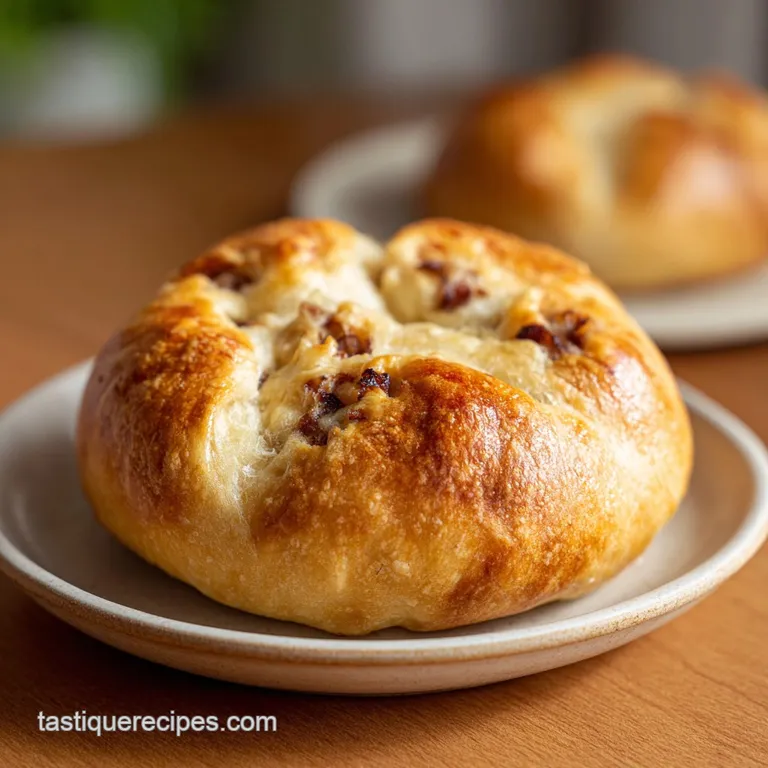
- Time: Active 45 minutes, Passive 2 hours 30 mins, Total 3 hours 15 minutes
- Flavor/Texture Hook: Pillowy, buttery crumb with a golden, supple crust
- Perfect for: High protein meal prep or weekend brunch
- Master My Favorite Vegetarian Kolache Recipe
- Science of the Pillowy Rise
- Component Analysis for Better Baking
- Essential Tools for Best Results
- Simple Steps for Flawless Bakes
- Fix Common Dough Texture Issues
- Plant Based and Nutritious Adaptations
- Freshness and Smart Storage Tips
- Flavor Pairings and Side Ideas
- Baking Myths Debunked
- Recipe FAQs
- 📝 Recipe Card
Master My Favorite Vegetarian Kolache Recipe
The first time I pulled a tray of these from the oven, the yeasty aroma hit me like a warm hug. I remember standing in my kitchen, watching that first wisp of steam escape as I tore into a bun filled with plant based sausage and tangy jalapeños.
It was the exact sensory trigger I’d been chasing since my last road trip through West, Texas that specific scent of browning butter and sweet dough that lingers in the air of a legacy bakery.
I’ve spent months tweaking this vegetarian kolache recipe because most plant based versions I tried were either too dry or lacked that signature "squish." Trust me, we’ve all been there with bread that feels more like a brick than a cloud.
But after plenty of trial and error, I found the secret lies in the fat to flour ratio and a bit of patience. This version hits all those nostalgic notes while packing in 9.6g of protein per serving, proving that meat free doesn't mean flavor free.
Whether you are craving the savory "klobasnek" style or the traditional sweet fruit filled centers, this dough handles both like a pro. We are going to use real science to get that velvety texture without needing a commercial proofer.
Right then, let's get into the details so you can have these golden beauties on your counter by noon.
Science of the Pillowy Rise
Lipid Protein Barrier: The 115g of melted butter coats the 500g of flour particles, which physically hinders long gluten strand formation to create a tender, cake like crumb.
Enzymatic Activation: Keeping the 240ml of milk at exactly 110°F ensures the 7g of yeast wakes up without dying, allowing for maximum carbon dioxide production during the 2.5 hour rise.
| Method | Time | Texture | Best For |
|---|---|---|---|
| Standard Oven | 15 minutes | Golden, soft crust | Traditional bakery results |
| Air Fryer | 10 minutes | Crisper exterior | Quick individual snacks |
| Cold Proof | 12 hours | Deep, yeasty tang | Stress free morning baking |
If you are looking for more high protein dough inspiration, the hydration levels here are quite different from my Einkorn Biscuits Recipe, which focuses more on flaky layers than pillowy expansion.
Component Analysis for Better Baking
| Ingredient | Science Role | Pro Secret |
|---|---|---|
| 2 Egg Yolks | Emulsifier | Use room temp yolks to prevent "shocking" the warm milk/yeast mix. |
| 500g All Purpose Flour | Structure | Weighing in grams prevents the "dry bun" syndrome caused by packing cups. |
| 65g Granulated Sugar | Yeast Food | Provides the Maillard reaction fuel needed for that golden brown finish. |
| 7g Active Dry Yeast | Leavening | Always "bloom" it in 110°F milk first to verify it is still alive. |
Getting the right balance of fats and sugars is essential for a vegetarian kolache recipe. I once tried to cut the sugar in half, and the dough took double the time to rise and looked pale even after baking. Don't make that mistake the sugar is there for the yeast, not just for your sweet tooth.
The plant based sausage provides a savory counterpoint to the enriched dough. When shopping for the 5 links of plant based sausage, look for brands that have a high protein density and a bit of spice to cut through the buttery bread.
- 240ml whole milk: Why this? Provides fat and lactose for a soft crumb and dark crust.
- 7g active dry yeast: Why this? Reliable lifting agent for heavy, enriched doughs.
- 65g granulated sugar: Why this? Tenderizes the dough and feeds the yeast.
- 115g unsalted butter: Why this? Creates the signature velvety, melt in-your mouth texture.
- 2 large egg yolks: Why this? Adds richness and a beautiful yellow hue to the dough.
- 500g all purpose flour: Why this? Moderate protein content allows for structure without toughness.
- 6g fine sea salt: Why this? Tightens gluten and balances the sweet dough notes.
Essential Tools for Best Results
You don't need a high end bakery kitchen to make a vegetarian kolache recipe, but a few specific items make it much easier. A digital scale is non negotiable for me now. Measuring 500g of flour by weight instead of volume is the difference between a bun that floats and one that sits heavy in your stomach.
I also recommend using a stand mixer such as KitchenAid if you have one. This dough is "enriched," meaning it’s sticky and high in fat, which makes hand kneading a messy, long process. If you are doing this by hand, prepare for a workout and resist the urge to keep adding extra flour.
Chef's Tip: Use an instant read thermometer to check your milk. Anything over 120°F will kill your yeast, and anything under 100°F will leave it dormant for too long.
Simple Steps for Flawless Bakes
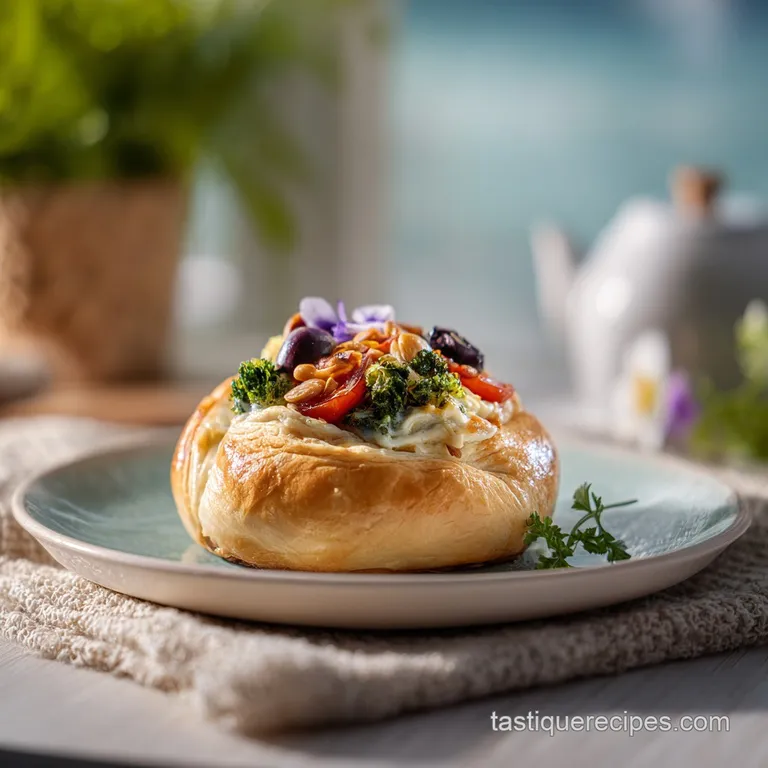
- Warm the milk. Heat 240ml milk to 110°F in a small saucepan. Note: If it's too hot, let it sit for a few minutes before adding yeast.
- Bloom the yeast. Stir 7g yeast and 1 tablespoon of the sugar into the milk; wait 10 mins until foamy and bubbling.
- Mix wet ingredients. Whisk in the remaining sugar, 115g melted butter, and 2 egg yolks.
- Incorporate the flour. Add 500g flour and 6g salt. Mix until a shaggy mass forms.
- Knead the dough. Use a dough hook on medium speed for 8 mins until supple and pulling away from sides.
- First proof. Place in a greased bowl, cover, and let rise for 90 mins until doubled in volume.
- Shape the buns. Punch down dough and divide into 15 equal balls (approx 65g each).
- Prepare savory fillings. Slice 5 plant based sausage links into thirds and cube 100g cheddar.
- Fill and seal. Flatten a dough ball, place sausage, cheese, and a jalapeño slice in the center, and pinch tightly to seal.
- Final proof. Place on a lined sheet, cover, and let rise for 45 mins until puffy and light.
- Bake. Cook at 350°F (180°C) for 15 minutes until golden and fragrant.
Enrichment Phase Details
When you add the 115g of melted butter, make sure it has cooled slightly. If you pour boiling hot butter into your yeast mixture, you'll scramble the egg yolks and kill the yeast in one go. The goal is a lukewarm, silky liquid that integrates easily into the 500g of flour.
Shaping and Filling Buns
For the savory version, ensure the seal is on the bottom. If the seam is on the side, the steam from the 100g of cheddar cheese will cause the bun to "shatter" open, leaking filling everywhere. For sweet versions, use your thumb to create a deep well in the center for the 150g of preserves.
Final Proof and Bake
Don't rush this second rise! This is where the air bubbles expand, ensuring the vegetarian kolache recipe doesn't turn out dense. You want them to look like little pillows before they hit the heat.
Fix Common Dough Texture Issues
Sticky Dough Solutions
If your dough feels more like paste than bread after 8 minutes of kneading, don't panic. Humidity plays a huge role in baking. If it's a rainy day, your 500g of flour might need an extra tablespoon or two to come together. Add it one teaspoon at a time.
Preventing Dough Blowouts
This happens most often with the savory plant based sausage fillings. As the air inside the dough heats up, it expands. If your pinch isn't strong, the cheese will find the weakest point and escape.
| Problem | Root Cause | Solution |
|---|---|---|
| Dense, heavy buns | Inactive yeast or cold milk | Ensure milk is 110°F and yeast foams before mixing. |
| Filling leaks out | Weak seams or overfilling | Pinch the bottom firmly and don't exceed 1/3 of a sausage link. |
| Pale crust | Under proofed or low sugar | Let rise until doubled and don't skip the sugar in the dough. |
Common Mistakes Checklist ✓ Never use "light" or "low-fat" milk; the fat is needed for the texture. ✓ Avoid using old yeast; if it doesn't foam in 10 minutes, start over. ✓ Don't skip the salt; 6g is vital for controlling the yeast and adding flavor.
✓ Resist adding too much flour during kneading; the dough should be tacky, not dry. ✓ Let the buns cool for 10 minutes before eating to allow the crumb to set.
Plant Based and Nutritious Adaptations
If you want to turn this into a vegan kolache recipe, the swaps are actually quite straightforward. Since the dough relies heavily on fat and moisture, you just need to ensure your substitutes match the calorie and fat density of the original ingredients.
| Original Ingredient | Substitute | Why It Works |
|---|---|---|
| 240ml Whole Milk | Soy Milk (unsweetened) | Highest protein plant milk with similar fat profile. |
| 115g Unsalted Butter | Vegan Butter Sticks | Choose a brand with high fat content for the best crumb. |
| 2 Egg Yolks | 1/4 cup Aquafaba | Provides the necessary lift and binding without animal products. |
For a gluten-free vegan kolache recipe, use a high-quality 1 to-1 flour blend. Note that the texture will be slightly denser, and you may need to add 1 teaspoon of xanthan gum if your blend doesn't include it. The rise time might also be slightly shorter, so keep a close eye on the volume.
- If you want a savory snack, use the sausage and jalapeño filling.
- If you want a sweet treat, stick to the cream cheese and preserves.
- If you want a high protein breakfast, double the plant based sausage ratio.
Freshness and Smart Storage Tips
Store these in an airtight container at room temperature for up to 2 days. Because of the high fat content from the 115g of butter, they stay moist longer than leaner breads. For longer storage, the fridge works for 5 days, but it can dry the bread out slightly.
To freeze, wait for the buns to cool completely, then wrap them individually in foil and place in a freezer bag for up to 3 months. When the craving hits, just pop one in the oven at 350°F for 5-8 minutes or microwave for 30 seconds.
For a zero waste tip, if you have leftover dough but ran out of filling, roll the dough into small balls, toss them in cinnamon sugar, and bake them as "donut holes." Also, if you have leftover pickled jalapeño brine, use it to marinate tofu or add a splash to your next salad dressing for a tangy kick.
| Servings | Dough Balls | Sausage Needed | Pan Size |
|---|---|---|---|
| 15 People | 15 balls (65g) | 5 links | 13x18 sheet |
| 30 People | 30 balls (65g) | 10 links | Two 13x18 sheets |
| 8 People | 8 balls (65g) | 3 links | 9x13 pan |
Flavor Pairings and Side Ideas
These buns are quite filling on their own, but they pair beautifully with a light, acidic side to cut through the richness. I often serve the savory jalapeño version alongside my Kabocha Squash Soup recipe, as the ginger and squash notes complement the buttery dough perfectly.
The Tex Mex Breakfast
Serve the savory buns with a side of sliced avocado and a dash of hot sauce. The creaminess of the avocado balances the heat of the 15 pickled jalapeño slices tucked inside. It's a high protein start to the day that keeps you full way past lunch.
European Tea Time Treats
If you've opted for the 150g of fruit preserves filling, these are the ultimate companion to a strong Earl Grey tea. The 100g of softened cream cheese in the center provides a tangy, velvety contrast to the sweet fruit.
Baking Myths Debunked
One common misconception is that yeast is incredibly fragile. While you shouldn't boil it, yeast is sturdier than people think. The "bloom" step is more about verifying the yeast's viability than it is about a chemical necessity. If you know your yeast is fresh, you can technically mix it straight with the flour.
Another myth is that you must use bread flour for a good vegetarian kolache recipe. In reality, all purpose flour (500g) is actually better here. Bread flour creates too much chew and "snap," whereas we want the soft, yielding texture that comes from the lower protein content of all purpose flour.
Finally, some say you can't get a good brown crust without a heavy egg wash. While a wash helps, the 65g of sugar in this dough ensures beautiful caramelization through the Maillard reaction, even if you forget the egg wash entirely.
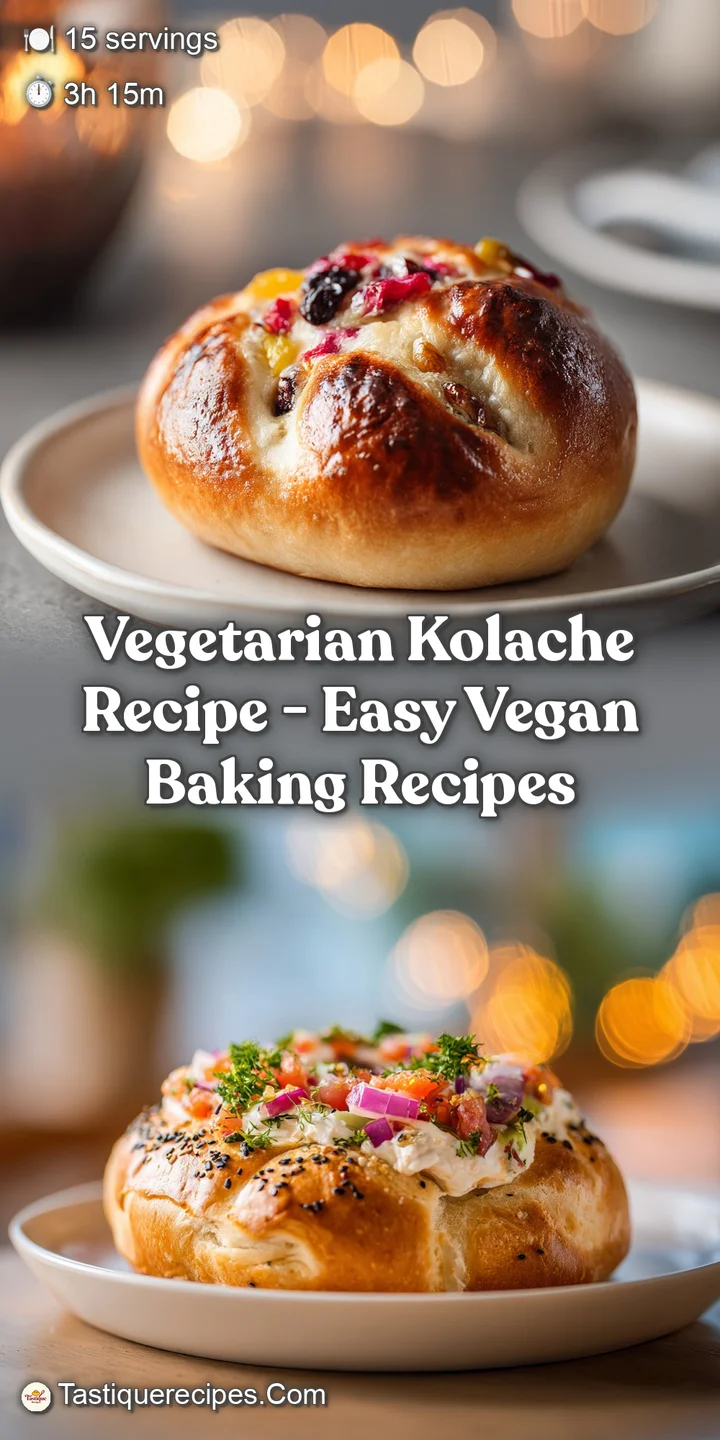
Recipe FAQs
What's the difference between a kolache and a kolache?
Yes, there is a major difference, depending on region. Traditional Moravske koláče are small, sweet, open faced pastries made with a less enriched dough, often served at weddings. The term often refers to the fruit filled style.
Why are Texas kolaches different?
Yes, they are significantly different, focusing on savory fillings. Texas kolaches evolved from Czech immigrants bringing their recipes, which adapted by adding substantial savory fillings like sausage and cheese (called klobasneks).
This dough tends to be richer and sweeter than the Czech original.
What makes Moravske koláče unique?
No, they are not yeasted like the Texas style. Authentic Moravske koláče often use a shortbread or slightly less risen dough base, focusing on delicate fillings like poppy seed or sweetened farmer's cheese.
This contrasts with the pillowy, enriched yeast dough used for savory Texas fillings.
What are the two types of kolaches commonly discussed?
Yes, they are generally categorized by filling and style: sweet or savory. The sweet version typically has fruit, cheese, or nut fillings placed in the center well of the dough. The savory type, often called a klobasnek in Texas, is usually rolled around a sausage or meat based center.
How can I ensure my vegetarian kolache dough rises properly?
Heat the milk to exactly 110°F before mixing. If the milk temperature is too cool, the yeast will be sluggish, leading to a dense result. If you master temperature control here, you'll see great results; this precision is also key for perfectly structured sauces like my Mushroom Walnut Bolognese recipe, which relies on even heat distribution.
Is it true that using plant based sausage makes the dough stickier?
Yes, plant based fillings often release more initial moisture during mixing. This extra liquid can trick bakers into adding too much flour, resulting in a tough crumb.
You must trust the process and only add extra flour teaspoon by teaspoon if the dough absolutely cannot form a cohesive mass after 5 minutes of kneading.
How to substitute the egg yolks in this enriched dough?
Whisk aquafaba with a touch of oil to mimic the fat and emulsification. For the two yolks called for, use about 1/4 cup of aquafaba (chickpea liquid) mixed with 1 teaspoon of neutral oil. This preserves the richness needed for that velvety texture. If you enjoy the binding power of aquafaba, try it out in my Weeknight Tofu Stir Fry recipe where it helps create crispy tofu.
Vegetarian Kolache Recipe
Ingredients:
Instructions:
Nutrition Facts:
| Calories | 276 kcal |
|---|---|
| Protein | 9.6g |
| Fat | 12.2g |
| Carbs | 32.1g |
| Fiber | 1.4g |
| Sugar | 8.5g |
| Sodium | 312mg |
