Vegan Pad See Ew
- Time: Active 10 minutes, Passive 20 minutes, Total 30 minutes
- Flavor/Texture Hook: Charred, chewy, and deeply savory
- Perfect for: Quick weeknight dinner or impressive date night
- The Secret to Noodle Texture and Flavor
- The Science of the Stir Fry Components
- Assembling the Flavor Building Blocks
- Essential Tools for High Heat Success
- Detailed Steps to Authentic Results
- Troubleshooting Common Stir Fry Issues
- Modifying for Different Needs
- Flavor Legends and Myths
- Storage and Zero Waste Strategies
- How to Serve and Enjoy
- Very High in Sodium
- Recipe FAQs
- 📝 Recipe Card
The first time I tried to make this at home, it was a disaster. I ended up with a pile of mushy, broken rice noodle bits that looked more like porridge than a stir fry. I was trying to cook too much at once, and my pan wasn't nearly hot enough.
But then I remembered the smell of the street stalls in Thailand that specific, smoky aroma of soy sauce hitting a searing hot wok. It’s a scent that stays with you, a mix of caramelized sugar and toasted garlic.
I spent months testing different pans and noodle temperatures until I realized the secret wasn't just the heat; it was the restraint. You have to let the noodles sit undisturbed in the pan to get that beautiful char. Now, when I toss these noodles and hear that rhythmic sizzle, I know exactly what’s coming.
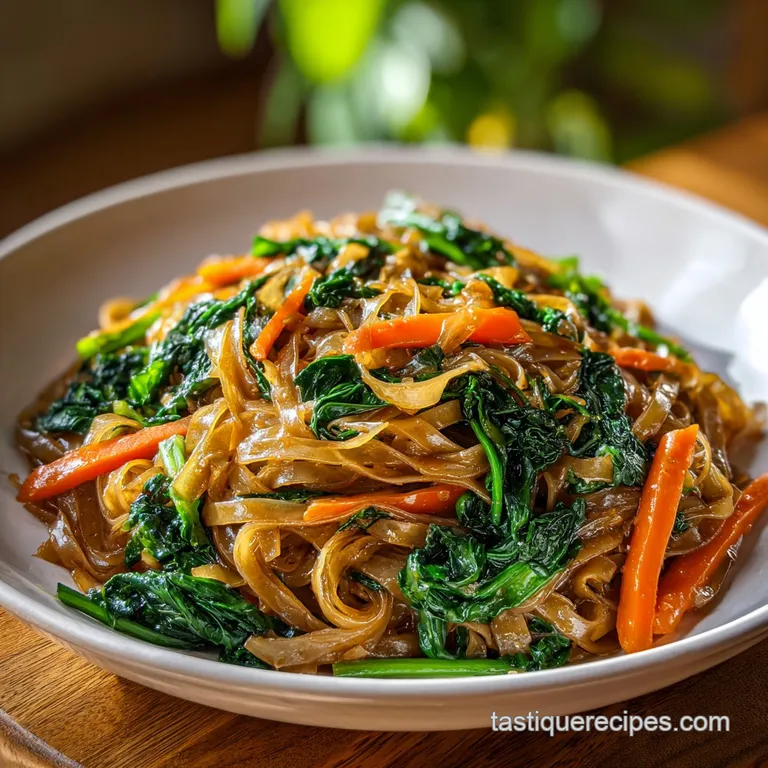
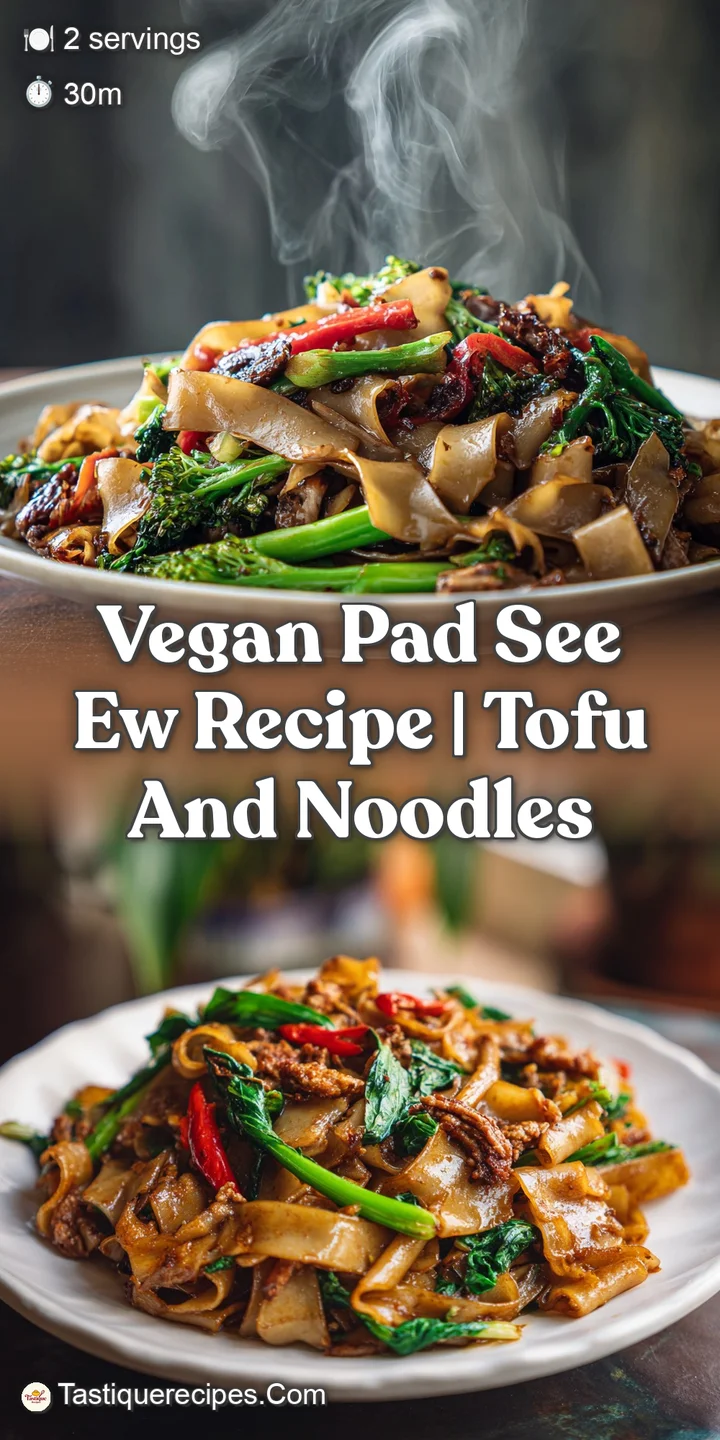
The result is a plate of wide, glossy noodles that are perfectly chewy, punctuated by the crunch of Chinese broccoli and the savory bite of seared tofu.
We aren't just making dinner here; we are building layers of flavor. From the first pop of garlic in the oil to the moment the dark soy sauce hits the hot metal and bubbles into a glaze, every step matters.
If you've ever felt intimidated by Thai cooking, trust me, this is the dish that will make you feel like a pro in your own kitchen.
The Secret to Noodle Texture and Flavor
Success with this recipe depends on understanding how heat and starch interact. If the pan is too cool, the noodles steam and break. If the pan is hot, the exterior of the noodle dehydrates and sears, creating a protective "skin" that keeps the interior chewy.
- Maillard Reaction: The combination of high heat and the coconut sugar in the sauce creates a deep caramelization that provides the signature "smoky" taste.
- Starch Retrogradation: Using room temperature, slightly dry noodles ensures they don't turn into a sticky mess when they hit the oil.
- Emulsification: The mushroom oyster sauce acts as a binder, helping the thinner soy sauces cling to the smooth surface of the rice noodles.
- Cellulose Softening: Quick searing the Chinese broccoli softens the stalks while keeping the leaves crisp tender, providing a necessary texture contrast.
| Cooking Method | Active Time | Texture Outcome | Best For |
|---|---|---|---|
| Traditional Stovetop | 10 mins | Maximum char and chew | Authentic restaurant flavor |
| over High heat Cast Iron | 12 mins | Deepest smoky notes | Replicating "Wok Hei" at home |
| Batch Cooking | 20 mins | Softer, more uniform | Feeding a larger family |
If you are looking for a different kind of comfort meal, you might enjoy the techniques I use in my Vegan Japanese Curry recipe. It’s a different flavor profile but relies on similar principles of building deep, savory layers over time.
The Science of the Stir Fry Components
Choosing the right ingredients for your Vegan Pad See Ew is about more than just finding what's in the pantry; it's about understanding the role each element plays in the final architecture of the dish.
| Component | Science Role | Pro Secret |
|---|---|---|
| Dark Soy Sauce | Provides color and molasses like sweetness | Use a Thai brand for the most authentic, thick consistency |
| Wide Rice Noodles | Absorbs sauce through surface tension | Separate them gently by hand before they ever touch the pan |
| Mushroom Oyster Sauce | Adds thickness and deep umami | Look for brands with real mushroom extract for the best flavor |
| Extra Firm Tofu | Protein structure and fat absorption | Press for 20 minutes to ensure it sears instead of steaming |
Chef Tip: Freeze your block of tofu for 30 minutes before slicing. This creates small ice crystals that, once thawed and pressed, leave behind tiny pockets. These pockets act like sponges, soaking up that incredible sauce!
Assembling the Flavor Building Blocks
The beauty of this recipe is that once the prep is done, the actual cooking happens in a flash. Have everything measured and ready by the stove before you turn on the heat.
- 2 tbsp Vegan Mushroom Oyster Sauce: This is the heart of the umami. Why this? Replaces traditional oyster sauce with a deep, earthy saltiness.
- 1 tbsp Dark Soy Sauce: For that rich, mahogany color. Why this? Higher sugar content helps with the caramelization process.
- 1 tbsp Light Soy Sauce: For the primary salty seasoning.
- 1 tbsp Coconut Sugar: Balances the salt. Why this? Adds a slight caramel note that refined sugar lacks.
- 1 tsp Rice Vinegar: Brightness to cut through the fat.
- 1/2 tsp White Pepper: A classic Thai heat that lingers on the palate.
- 10 oz fresh wide flat rice noodles: The star of the show.
- 7 oz extra firm tofu: Our protein base, pressed and sliced.
- 2 cups Chinese broccoli (Gai Lan): Chopped into bite sized pieces.
- 3 cloves garlic: Minced finely.
- 3 tbsp neutral oil: Use something with a high smoke point like canola or grapeseed.
| Original Ingredient | Substitute | Why It Works |
|---|---|---|
| Chinese Broccoli | Broccolini | Similar texture, though slightly sweeter than the original |
| Dark Soy Sauce | Soy Sauce + Molasses | Mimics the thickness and color. Note: Use 3/4 tsp molasses per tbsp soy. |
| Wide Rice Noodles | Dried Wide Noodles | If fresh aren't available. Note: Soak in warm water until just pliable. |
If you want to swap the tofu for something with a bit more chew, you can use the protein from my Vegan Soy Curl recipe. The texture is surprisingly similar to traditional stir fry meats and holds the sauce beautifully.
Essential Tools for High Heat Success
You don't need a professional kitchen, but a few specific tools make a world of difference when you're trying to get that perfect sear.
- Carbon Steel Wok or Large Cast Iron Skillet: These hold heat much better than thin non stick pans, which is vital for the char.
- Wide Metal Spatula: Essential for getting under the noodles without shredding them.
- Tofu Press (or heavy books): Essential for getting the moisture out of the tofu so it gets crispy.
- Small Glass Jar: For whisking the sauce ingredients together so they are ready to pour.
Detailed Steps to Authentic Results
- Whisk the sauce fusion. In a small bowl, combine the mushroom oyster sauce, dark soy sauce, light soy sauce, coconut sugar, rice vinegar, and white pepper. Note: Mixing beforehand prevents the sugar from burning while you're scrambling to find other ingredients.
- Prepare the noodle base. If using fresh noodles, gently separate them. If they are cold and stiff, microwave them for 30 seconds to make them pliable.
- Sear the protein. Heat 1 tablespoon of oil in your pan over medium high heat. Add the tofu slices and cook for 3 minutes per side until golden and slightly crispy on the edges. Remove and set aside.
- Sizzle the aromatics. Add the remaining 2 tablespoons of oil to the same pan. Toss in the minced garlic. Note: Garlic burns fast at these temps, so only give it about 15 seconds.
- Char the greens. Add the Chinese broccoli stalks first, then the leaves. Stir fry for 1 minute until the leaves are wilted and the stalks are vibrant green.
- The over high heat noodle toss. Crank the heat to high. Add the rice noodles and the seared tofu back into the pan.
- Apply the glaze. Pour the sauce mixture directly over the noodles.
- The sear technique. Instead of stirring constantly, let the noodles sit for 30-45 seconds. You want to hear them crackle.
- The final flip. Using a wide spatula, flip the noodles carefully. Let them sit for another 30 seconds until you see charred brown spots forming on the noodles.
- Finish and plate. Give everything one last gentle toss to ensure the sauce is evenly distributed and serve immediately while the "wok hei" is at its peak.
Troubleshooting Common Stir Fry Issues
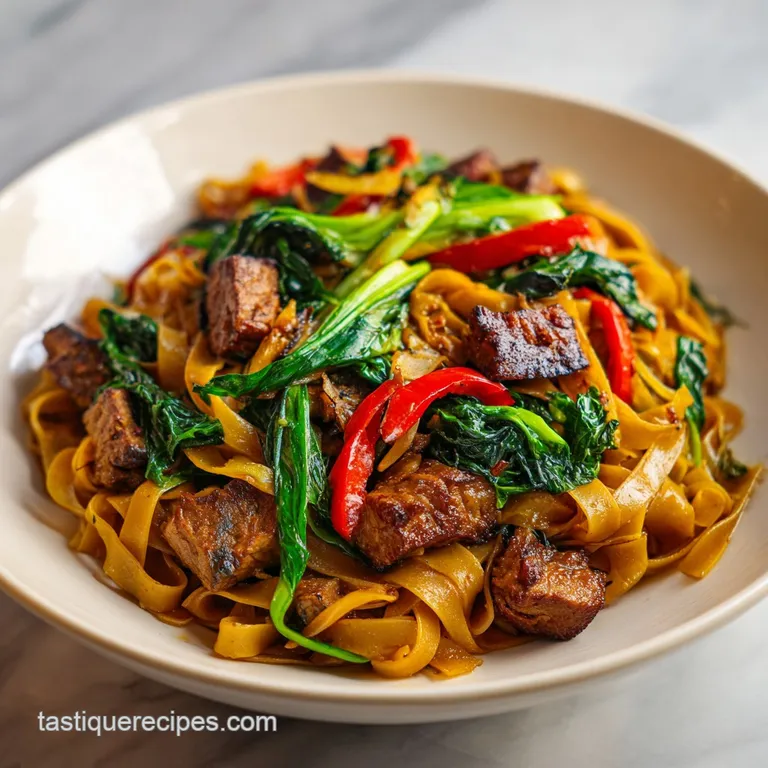
Even experienced cooks run into trouble with rice noodles. They are temperamental, but most issues can be solved with a few simple adjustments.
Solving the Broken Noodle Problem
If your noodles are breaking into small pieces, they were likely too cold when they hit the pan or you stirred them too aggressively. Fresh rice noodles are mostly starch and become brittle when chilled. Always ensure they are at room temperature or slightly warmed before they enter the wok.
Achieving More Smoke and Char
A common mistake is overcrowding the pan. When you put too many ingredients in at once, the temperature drops and things start to steam. If you are doubling the recipe, work in batches. Your pan should stay screaming hot throughout the entire process.
| Problem | Root Cause | Solution |
|---|---|---|
| Noodles are sticky/clumped | Excess moisture or lack of oil | Separate noodles with a tiny bit of oil before cooking |
| Dish is too salty | Too much light soy sauce | Add a squeeze of fresh lime juice to balance the sodium |
| Broccoli is tough | Stalks were too thick | Slice the stalks diagonally into thin "coins" for faster cooking |
Common Mistakes Checklist
- ✓ Always press your tofu for at least 20 minutes; water is the enemy of a good sear.
- ✓ Don't use a non stick pan if you want authentic char; it won't handle the heat safely.
- ✓ Avoid stirring constantly; the noodles need contact time with the metal to develop flavor.
- ✓ Prep every single ingredient before turning on the burner; the window for success is narrow.
- ✓ If using dried noodles, don't overcook them during the soak; they should still have a bite.
Modifying for Different Needs
Scaling this recipe is straightforward, but you have to be mindful of your pan size. This recipe is designed for two generous servings.
Reducing the Recipe If you are cooking for one, you can easily halve the ingredients. Use a smaller skillet so the sauce doesn't evaporate too quickly. You won't need to change the cook times significantly, but keep an eye on the garlic so it doesn't burn.
Doubling for a Group If you want to serve four people, do not just double the ingredients in one pan. Most home stoves cannot maintain the heat required for 20 oz of noodles at once. Instead, prep everything together but cook in two separate batches.
This ensures every plate has those characteristic charred bits. For the spices, you can usually use 1.5x the amount rather than a full double to keep the flavors from becoming overwhelming.
Flavor Legends and Myths
There’s a common belief that you can't get "Wok Hei" (the breath of the wok) on an electric stove. While it's true that gas flames help, the real secret is the thermal mass of your pan. A heavy cast iron skillet can store enough heat to sear the noodles effectively even on a standard electric coil.
It’s about the pan, not just the flame.
Another myth is that you need to boil fresh rice noodles. Never boil them! Fresh noodles are already cooked. Boiling them will turn them into a gummy paste the second they hit the stir fry sauce. Just a quick warm up to make them pliable is all they ever need.
Storage and Zero Waste Strategies
Pad See Ew is definitely best enjoyed fresh from the pan, but life happens. If you have leftovers, store them in an airtight container in the fridge for up to 3 days. When reheating, don't use the microwave if you can help it; it makes the noodles rubbery.
Instead, toss them back into a hot skillet with a teaspoon of water and a tiny splash of oil to loosen things up.
For a zero waste approach, don't throw away those thick Chinese broccoli stems. Peel the outer woody layer with a vegetable peeler, and you'll find a tender, sweet interior that is actually the best part of the vegetable. If you find yourself with extra rice noodles, they make a fantastic addition to a Vegan Congee Recipe the next morning for a savory breakfast.
How to Serve and Enjoy
To serve your Vegan Pad See Ew like a pro, bring the pan straight to the table or plate it immediately. The noodles continue to cook in their own heat, so you want to eat them while the edges are still slightly crisp.
Traditional Thai condiments are a must. I always serve mine with a small dish of "Prik Nam Pla" (the vegan version using soy sauce, lime, and Thai bird's eye chilies) and a sprinkle of extra white pepper. A wedge of lime on the side is great for those who like a bit more acidity to balance the richness of the dark soy.
The contrast between the hot, savory noodles and a cold, crisp side salad makes for a complete, restaurant style experience at home.
Very High in Sodium
1480 mg mg of sodium per serving (64% of daily value)
The American Heart Association recommends limiting sodium intake to about 2,300mg per day for overall health.
Tips to Reduce Sodium in Your Pad See Ew:
-
Reduce Soy Sauce-25%
Significantly reduce or eliminate the dark and light soy sauces. Start by halving the amounts and taste test. Consider using a low-sodium soy sauce or tamari, which typically contains less sodium than regular soy sauce.
-
Control Oyster Sauce-20%
The vegan mushroom oyster sauce is likely a major source of sodium. Use it sparingly. Reduce the total amount used by half and substitute with a combination of unsalted mushroom broth and a touch of molasses for color and sweetness.
-
Unsalted Cooking-15%
Ensure that the rice noodles are cooked in unsalted water. Avoid adding any salt to the water when boiling or soaking the noodles.
-
Boost Flavor Naturally-10%
Enhance the flavor with more white pepper, garlic, and rice vinegar instead of relying on salty sauces. A squeeze of lime juice at the end can also add brightness.
-
Experiment with Herbs
Use fresh or dried herbs and spices like ginger, galangal, or chili flakes to add flavor complexity without sodium.
Recipe FAQs
Can I use fresh instead of wide, flat rice noodles?
No, absolutely not. Fresh noodles are already cooked and will turn into a gummy mess when stir fried; they must only be gently warmed to separate.
How do I achieve the signature smoky "Wok Hei" flavor without a commercial wok burner?
Use cast iron or carbon steel and let the noodles sit undisturbed. The secret is the pan's thermal mass, which retains enough heat to sear the sauce onto the noodles instead of steaming them.
What is the role of the Vegan Oyster Sauce in the glaze?
It acts as a primary umami binder and thickener. It helps the thinner soy sauces cling better to the smooth rice noodles, similar to how a good emulsion works in dressings, which is a technique you can practice in our Vegan Oyster Sauce recipe.
If my dish turns out too salty, what is the best immediate correction?
Squeeze fresh lime juice over the entire dish. The acidity cuts through the excessive sodium and richness, rebalancing the overall flavor profile without diluting the texture.
How must I prepare the tofu so it sears nicely instead of soaking up oil?
Press the tofu for a minimum of 20 minutes. Removing excess water is crucial because water lowers the pan temperature, leading to steaming rather than crisp, golden searing.
Is it true that I must cook this recipe in small batches only?
Yes, if you want authentic char. Overcrowding the pan drops the temperature too low, which results in steaming and mushy noodles rather than the required high heat searing.
Can I substitute Chinese broccoli (Gai Lan) with another vegetable?
Yes, broccolini is an excellent substitute. It has a similar texture, though you might want to slice the stalks thinner than you would for a dish like our Vegan Mapo Tofu recipe, where softer greens are sometimes preferred.
Vegan Pad See Ew Recipe
Ingredients:
Instructions:
Nutrition Facts:
| Calories | 512 kcal |
|---|---|
| Protein | 13.6 g |
| Fat | 26.8 g |
| Carbs | 54.2 g |
| Fiber | 3.1 g |
| Sugar | 7.8 g |
| Sodium | 1480 mg |
