Vegan Mapo Tofu: Velvety & Numbing
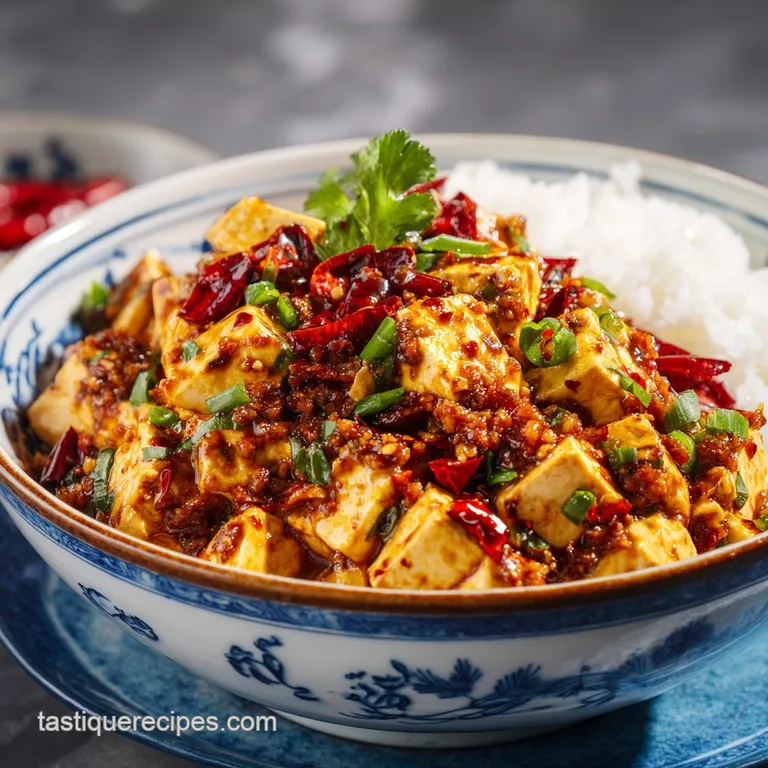
- Time: Active 15 minutes, Passive 15 minutes, Total 30 minutes
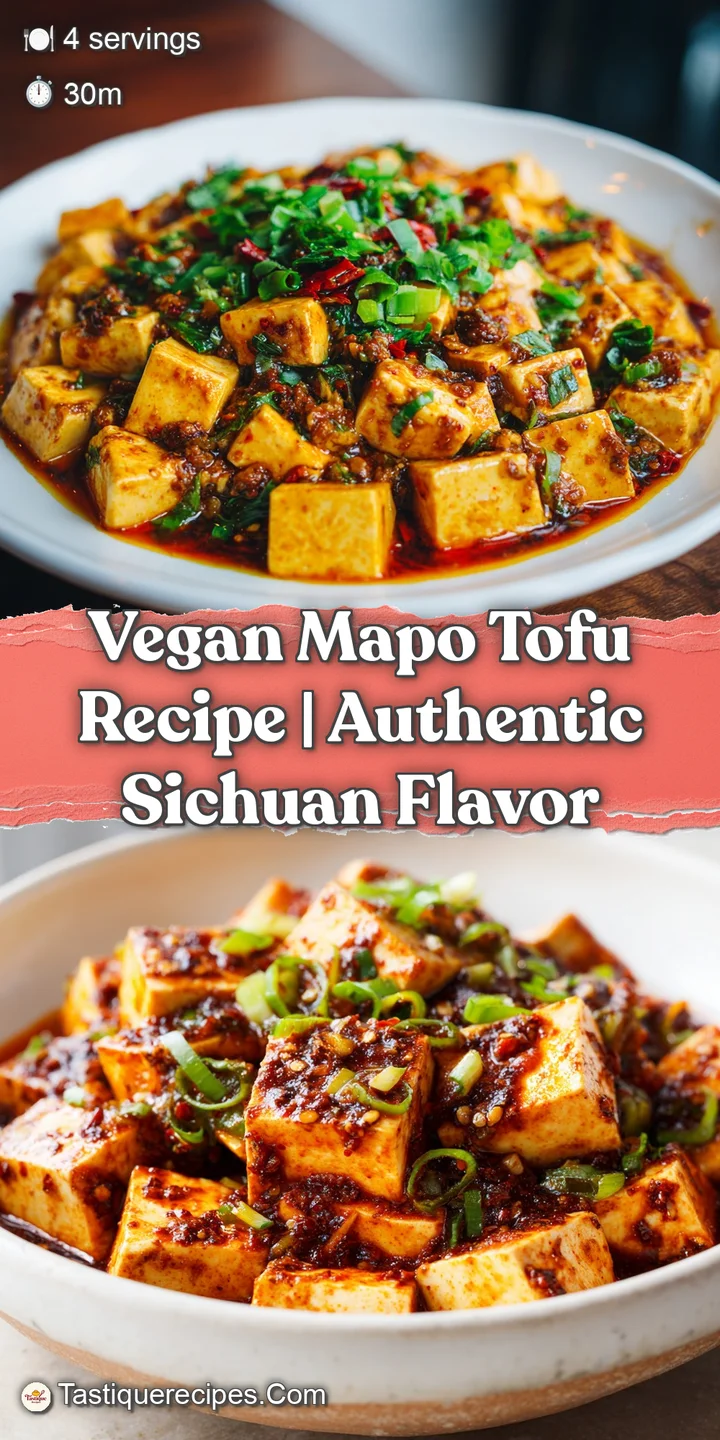
- Flavor/Texture Hook: Silky tofu in a fiery, velvety sauce
- Perfect for: Weeknight dinners and showing off restaurant quality skills
- Master the Ultimate Vegan Mapo Tofu
- Layering Flavor for Maximum Depth
- Essential Component Scientific Breakdown
- Sourcing the Best Recipe Elements
- Necessary Gear for Professional Results
- Precise Steps for Flawless Execution
- Troubleshooting Common Culinary Pitfalls
- Scaling Portions for Every Guest
- Debunking Common Sichuan Cooking Myths
- Smart Storage and Waste Reduction
- Creative Modern Twists to Try
- Side Dishes for Complete Meals
- Very High in Sodium
- Recipe FAQs
- 📝 Recipe Card
Master the Ultimate Vegan Mapo Tofu
The first time I cracked open a jar of authentic Pixian Doubanjiang, the smell hit me like a brick wall in the best way possible. It wasn't just "salty" or "spicy." It was funky, fermented, and deeply earthy, carrying the scent of years of aging in giant terracotta vats.
When that paste hit the hot oil in my wok, the sizzle was almost musical, releasing a cloud of chili infused steam that made my eyes water and my stomach growl simultaneously. It’s a sensory overload that sets the stage for what I think is the most satisfying meal in the Sichuan repertoire.
I used to think you needed ground pork to get that specific savory "oomph" in a Vegan Mapo Tofu, but I was so wrong. After a few failed attempts that ended up either too watery or just one note spicy, I learned that the secret lies in the humble shiitake.
When you mince them down to nearly nothing and brown them until they’re almost crispy, they provide a chew and a depth that honestly makes you forget the meat was ever missing. Trust me on this, once you feel that first "mala" tingle from the peppercorns on your tongue, you'll be hooked just like I was.
Layering Flavor for Maximum Depth
Building a proper mapo doufu vegan experience requires understanding how the different types of heat interact. We aren't just dumping chili flakes into a pan; we are building a foundation of flavor that starts with the oil and ends with a glossy, tongue numbing finish.
- Maillard Magic: Finely mincing shiitakes increases surface area, allowing for rapid browning and the creation of glutamate rich compounds that mimic meat.
- Capsaicin Extraction: Frying the Doubanjiang in oil (blooming) releases fat soluble flavor compounds and gives the sauce its signature vibrant red hue.
- The Physics of the Emulsion Gloss: A three stage cornstarch slurry addition prevents the sauce from breaking, ensuring it clings to every cube of tofu.
- Mala Synergy: The combination of Sichuan peppercorns (numbing) and fermented chilies (heat) creates a sensory contrast that keeps the palate refreshed between bites.
| Method | Time | Texture | Best For |
|---|---|---|---|
| Fast Method | 15 minutes | Softer, less "meaty" | Busy weeknights |
| Classic Method | 45 minutes | Intense umami, concentrated | Weekend projects |
| Our Recipe | 30 minutes | Balanced chew & gloss | Restaurant quality at home |
This specific Vegan Mapo Tofu recipe bridges the gap between a quick stir fry and a slow cooked traditional dish. By using high-quality ingredients like Pixian Doubanjiang, we get that aged complexity in a fraction of the time.
Essential Component Scientific Breakdown
Understanding your ingredients is the difference between a soggy mess and a dish that pops. In this homemade vegan mapo tofu, every element has a structural or chemical job to do.
| Ingredient | Science Role | Pro Secret |
|---|---|---|
| Silken Tofu | Protein structure | Soak in salted hot water to "tighten" the proteins before cooking. |
| Doubanjiang | Fermented salt/acid | Always fry until the oil turns red to remove the "raw" fermented taste. |
| Sichuan Peppercorns | Hydroxy alpha sanshool | Toast them whole then grind fresh; the oils oxidize and lose numbing power quickly. |
The silken tofu provides a velvety contrast to the grainy, savory mushroom mince. It’s all about those texture layers that keep your mouth interested. If you're looking for more ways to use tofu, this vibe reminds me of my Vegan Dan Dan recipe which also uses those fermented notes.
Sourcing the Best Recipe Elements
To make an easy vegan mapo tofu that actually tastes like the ones in Chengdu, you need the right kit. Don't sub out the Doubanjiang for regular chili paste; the fermentation is where the soul of the dish lives.
- 16 oz silken tofu: Look for "firm" silken if possible. Why this? It provides a custard like mouthfeel that melts away compared to block tofu.
- 5 oz fresh shiitake mushrooms: Finely minced. Why this? They provide the "meaty" chew and natural MSG for that savory hit.
- 2.5 tbsp Pixian Doubanjiang: The "soul of Sichuan cuisine."
- 1 tbsp fermented black beans (douchi): Slightly mashed to release their saltiness.
- 2 tbsp neutral oil: Grapeseed or canola works best.
- 1 tsp ginger and 3 cloves garlic: Minced into a fine paste.
- 1.5 cups vegetable stock: Use a low sodium version to control the salt.
- 1 tbsp light soy sauce: For seasoning and color.
- 1 tsp granulated sugar: To balance the intense salt and spice.
- 1/2 tsp toasted Sichuan peppercorn powder: Graded for a numbing finish.
- 2 tbsp cornstarch + 3 tbsp cold water: Your thickening slurry.
- 2 tsp chili oil with flakes: For the final "shatter" of heat.
- 2 stalks green onions: Sliced thin for a fresh, sharp bite.
If you find silken tofu too intimidating to handle, you can start with a firmer variety. For instance, my Crispy Tofu Katsu recipe uses a much firmer tofu base if you want to practice your tofu handling skills first.
Necessary Gear for Professional Results
You don't need a high BTU restaurant burner to make this, but a few specific tools will make the process much smoother.
- A well seasoned carbon steel wok: This allows for rapid temperature changes. If you don't have one, a large heavy bottomed stainless steel skillet is a decent runner up.
- A spider or slotted spoon: Essential for gently lifting the tofu out of its warm salt bath without breaking the delicate cubes.
- A mortar and pestle: For grinding those toasted Sichuan peppercorns fresh. The pre ground stuff often tastes like sawdust.
- A sharp chef's knife: You need to mince those shiitakes very finely to get the right texture for the vegan tofu mapo recipe.
Chef's Tip: Freeze your shiitake mushrooms for 20 minutes before mincing. It firms them up just enough that they won't turn into mush under your knife, giving you those perfect little "meaty" bits.
Precise Steps for Flawless Execution
Let's get into the flow of the kitchen. Mapo tofu moves fast once the heat is on, so have your slurry mixed and your aromatics ready to go.
- Prep the tofu. Cut the 16 oz silken tofu into 1 inch cubes. Place them in a bowl of hot (140°F / 60°C) salted water for 10 minutes. Note: This seasons the tofu and makes it less likely to fall apart in the wok.
- Mince the mushrooms. Finely chop the 5 oz shiitakes until they resemble coarse ground meat.
- Brown the "meat". Heat 2 tbsp oil in your wok over medium high heat. Add the mushrooms and sauté until they are golden brown and slightly crispy.
- Bloom the paste. Lower the heat to medium. Add 2.5 tbsp Pixian Doubanjiang. Stir fry for 2 minutes until the oil turns a bright, translucent red.
- Add aromatics. Toss in the ginger, garlic, and mashed black beans. Sauté for 1 minute until the fragrance fills the room.
- Simmer the base. Pour in 1.5 cups vegetable stock, 1 tbsp soy sauce, and 1 tsp sugar. Bring to a gentle boil.
- Poach the tofu. Drain the tofu cubes gently and slide them into the sauce. Simmer for 3 minutes until the tofu is heated through.
- Thicken in stages. Give your starch slurry a quick stir. Pour in one third of the mixture, swirling the wok gently. Wait 30 seconds, then repeat twice more until the sauce is glossy and thick.
- The final touch. Drizzle in 2 tsp chili oil and sprinkle the Sichuan peppercorn powder.
- Garnish and serve. Scatter the green onions over the top and serve immediately.
Troubleshooting Common Culinary Pitfalls
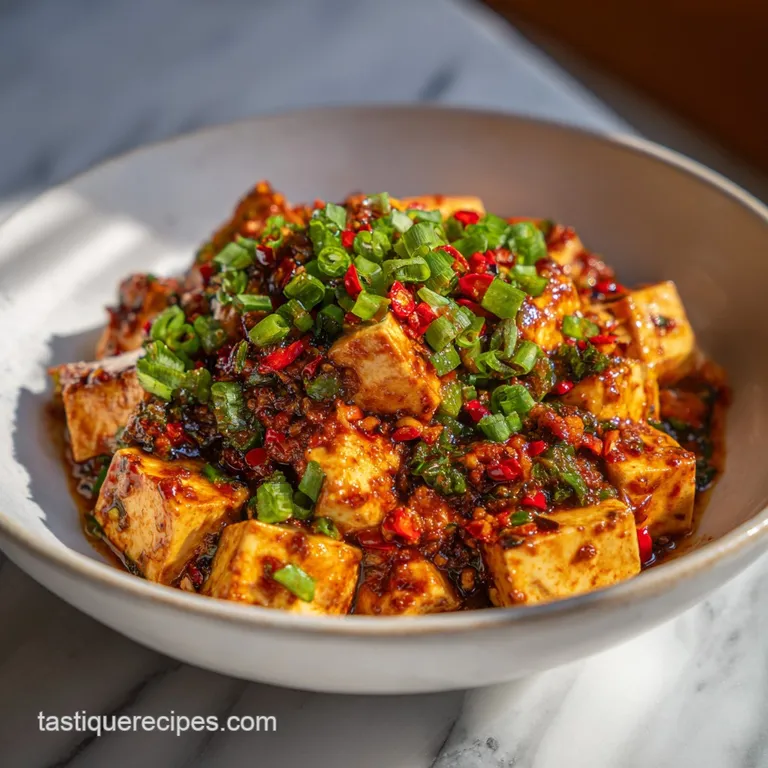
Even the best of us hit a snag sometimes. Mapo tofu is a balance of viscosity and heat, and if one thing is off, the whole dish can feel "muddy."
Why Your Sauce is Watery
If your sauce looks thin or starts to "weep" water on the plate, it’s usually a starch issue. Starch needs to reach a certain temperature to gelatinize, and if you don't simmer it long enough after adding the slurry, it won't hold the liquid.
Why the Tofu is Bland
Tofu is a sponge. If you don't soak it in salted water first, it will taste like nothing in the center. That pre soak is a non negotiable step for a truly great vegetarian mapo tofu.
| Problem | Root Cause | Solution |
|---|---|---|
| Tofu broke apart | Aggressive stirring | Use a "pushing" motion with the back of your ladle, never stir. |
| Sauce is too salty | Too much Doubanjiang | Add a splash more stock and another pinch of sugar to balance. |
| No numbing feeling | Stale peppercorns | Toast whole peppercorns until fragrant, then grind fresh. |
Common Mistakes Checklist
- ✓ Didn't pre soak the silken tofu (leads to breakage and blandness).
- ✓ Adding the slurry all at once (causes clumping instead of a smooth gloss).
- ✓ Burning the Doubanjiang (it turns bitter if the heat is too high).
- ✓ Using "regular" chili paste instead of fermented bean paste.
- ✓ Not mincing the mushrooms finely enough to mimic the traditional texture.
Scaling Portions for Every Guest
If you're cooking for a crowd or just yourself, mapo tofu scales reasonably well, but you have to be careful with the liquid to starch ratio.
Scaling Down (1-2 servings): Cut everything in half, but keep the pan size small. If you use a massive wok for a tiny portion, the sauce will evaporate too quickly before the tofu has a chance to heat through. Reduce the simmer time by about 2 minutes.
Scaling Up (8 servings): Do not just double everything. Increase the aromatics and mushrooms by 2x, but keep the salt and soy sauce to about 1.5x at first. You can always add more, but you can't take it away. Work in batches if your wok isn't large enough to hold two tubs of tofu without crushing them.
Debunking Common Sichuan Cooking Myths
There’s a lot of "rules" floating around about mapo doufu vegan cooking that just aren't true. Let's clear some of those up so you can cook with confidence.
Myth: You must use a screaming hot wok. While "wok hei" is great for some stir fries, mapo tofu is actually a braised dish. If your wok is too hot when you add the bean paste, you'll burn the delicate fermented sugars before you can build the sauce. Medium high is your friend here.
Myth: Silken tofu is too fragile to cook with. People think you need to use firm tofu so it doesn't turn into mush. In reality, the hot salt soak "toughens" the exterior of silken tofu just enough that it holds its shape while staying creamy inside.
It’s all about the prep technique, not the tofu variety.
Smart Storage and Waste Reduction
Mapo tofu is one of those rare dishes that actually tastes incredible the next day as the flavors have more time to meld into the tofu cubes.
- Fridge: Store in an airtight container for up to 3 days. The sauce might thicken further, so add a tablespoon of water when reheating.
- Freezer: Honestly, don't do it. Tofu changes texture significantly when frozen, becoming porous and spongy. While some people like "frozen tofu," it ruins the silky experience of a classic mapo.
- Zero Waste Tip: Don't toss those shiitake stems! They are too woody to eat in the dish, but throw them into a freezer bag. Once you have a handful, simmer them with veggie scraps to make an ultra umami stock for your next batch of quick vegan mapo tofu.
Creative Modern Twists to Try
Once you've mastered the classic vegan mapo tofu sauce, you can start playing with the "mince" and the heat profiles.
- The Protein Swap: If you aren't a fan of mushrooms, try using finely crumbled tempeh or even rehydrated soy curls chopped into tiny bits. They provide a different kind of "bite" that some people prefer.
- The Green Boost: Add some blanched baby bok choy or chopped kale to the sauce at the very end for a pop of color and extra nutrition.
- The Smoky Finish: If you want a deeper flavor, add a drop of liquid smoke or use smoked salt in your tofu soak. It adds a layer of "char" flavor that mimics a over high heat commercial burner.
Side Dishes for Complete Meals
This dish is a flavor heavyweight, so you want sides that can either stand up to the heat or provide a cooling contrast.
The Classic Pairing: Nothing beats a bowl of steaming jasmine rice. The starch in the rice is the perfect vehicle for that glossy sauce and helps temper the numbing sensation of the peppercorns.
A Refreshing Contrast: A cold smashed cucumber salad with plenty of garlic and black vinegar provides a bright, acidic crunch that cuts right through the rich, oily sauce. It cleanses the palate and keeps you reaching for the next bite. If you're looking for more inspiration, my Weeknight Tofu Stir recipe uses similar aromatics and pairs beautifully with these same sides.
Very High in Sodium
1185 mg mg of sodium per serving (52% % of daily value)
The American Heart Association recommends limiting sodium intake to 2,300mg per day for optimal heart health.
Sodium Reduction Tips for Mapo Tofu
-
Low-Sodium Broth-30%
Replace regular vegetable stock with a low-sodium or no-salt added version. This simple swap can significantly reduce the overall sodium content.
-
Reduce Doubanjiang-20%
Doubanjiang is a major source of sodium. Try reducing the amount to 1.5 tbsp or using a homemade alternative with less salt.
-
Omit Added Salt-15%
The recipe already includes several sodium rich ingredients. Eliminate the added teaspoon of sea salt entirely to decrease sodium. Taste the dish before adding any salt.
-
Less Douchi-10%
Fermented black beans (douchi) are another significant source of sodium. Reduce the amount to 0.5 tbsp or use a lower sodium variety if available.
-
Fresh Herbs & Spices
Enhance the flavor with fresh herbs (cilantro, basil) and spices (white pepper, star anise) to compensate for the reduced sodium. These additions boost flavor without adding sodium.
Recipe FAQs
Can mapo tofu be made without meat?
Yes, absolutely. Traditional recipes often use ground pork for texture and umami, but minced shiitake mushrooms browned aggressively provide a convincing chew and deep savoriness.
Is PF Chang's mapo tofu vegan?
No, PF Chang's version is typically not vegan. It relies on chicken stock and ground pork for its flavor base, so substitutions are necessary for a plant based version.
What is a substitute for ground pork in mapo tofu?
Finely minced shiitake mushrooms are the best substitute. When sautéed until dry, they mimic the texture of ground meat and release savory compounds that add depth, similar to the umami base in our Vegan Mushroom Stroganoff recipe.
Is vegan mapo tofu healthy?
Yes, it is generally a healthy dish. It is high in protein from the tofu and relatively low in saturated fat, especially when relying on mushrooms instead of meat.
How do I make the tofu less likely to break when stirring?
Gently soak the cubed tofu in hot, salted water for ten minutes before cooking. This slightly firms the exterior proteins, allowing you to slide it into the sauce rather than aggressively stirring it.
What is the essential ingredient for achieving authentic "mala" flavor?
Freshly toasted and ground Sichuan peppercorns are essential. The numbing sensation, or "ma," comes from the oils in these berries, which degrade quickly after grinding.
What is the best method to ensure the sauce thickens properly and clings to the tofu?
Use a three stage cornstarch slurry addition. Pour in one third of the mixed slurry, swirl gently, wait briefly, and repeat. This method prevents clumping and ensures a glossy, even emulsion that perfectly coats the ingredients.
Vegan Mapo Tofu In 30 Minutes
Ingredients:
Instructions:
Nutrition Facts:
| Calories | 194 kcal |
|---|---|
| Protein | 10.4 g |
| Fat | 13.2 g |
| Carbs | 11.6 g |
| Fiber | 1.9 g |
| Sugar | 2.2 g |
| Sodium | 1185 mg |
