Vegan Eggplant Unagi Recipe
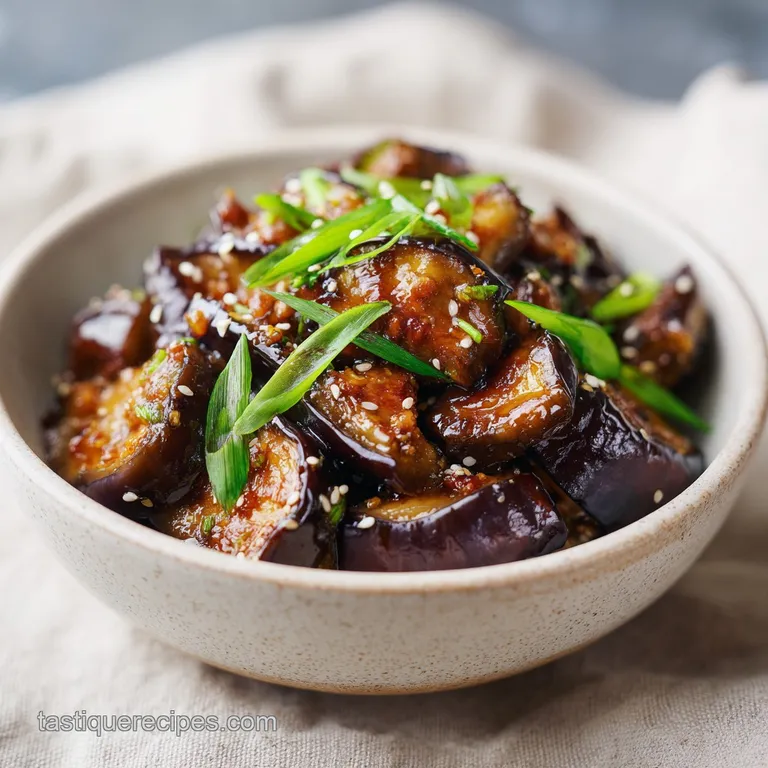
- Time: Active 10 minutes, Passive 10 minutes, Total 20 minutes
- Flavor/Texture Hook: Savory sweet glaze with velvety, melt in-your mouth eggplant fillets
- Perfect for: A quick Japanese style lunch or an impressive weeknight dinner
- Master the Best Vegan Eggplant Unagi
- Science of the Perfect Texture
- The Essential Ingredient Breakdown
- Required Tools for Success
- Essential Components and Substitutes
- Step by Step Cooking Guide
- Fixing Common Cooking Errors
- Fun Flavor Variations
- Storing and Reheating Tips
- The Best Serving Ideas
- Unagi Myth Busting
- Critical in Sodium
- Recipe FAQs
- 📝 Recipe Card
Master the Best Vegan Eggplant Unagi
The first time I tried to make this, I didn't realize how much of a difference the type of eggplant makes. I used a giant globe eggplant, and it turned into a watery, bitter mess that looked nothing like the "unagi" I was dreaming of. I was so disappointed I almost gave up on the idea entirely.
But then I saw a chef in a tiny shop in Kyoto scoring vegetables with such precision, and it clicked. You need the slender, delicate Japanese variety to get that authentic look and feel.
When the soy sauce and mirin hit the hot pan, the aroma is absolutely intoxicating. It's that specific toasted, sugary scent that instantly makes your mouth water. You'll notice the sauce starts to bubble and thicken, turning into a dark, glossy lacquer that clings to the vegetable.
It's a total sensory transformation that happens in just a few minutes.
We're going to use a simple steaming technique followed by a quick sear. This ensures the inside is completely soft while the outside gets those iconic charred edges. If you've enjoyed my Vegan General Tso recipe, you already know how much I love a good balance of sweet and savory. This dish takes that profile but adds a sophisticated Japanese twist that feels like something you'd order at a high end restaurant.
Science of the Perfect Texture
Cellular Structural Collapse: Steaming the eggplant first breaks down its rigid, spongy cell walls, allowing it to compress into a dense, flaky texture that resembles fish.
Starch Based Moisture Barrier: A light coating of 1 tbsp cornstarch creates a thin hydrophobic layer that prevents the sauce from turning the eggplant into a soggy sponge.
Caramelization Mechanics: The 1.5 tbsp coconut sugar and mirin undergo the Maillard reaction, creating complex flavor molecules and a sticky, syrupy glaze that coats the fillets.
| Feature | Fresh Japanese Eggplant | Pre Glazed Shortcut |
|---|---|---|
| Texture | Flaky and velvety | Often rubbery or overly soft |
| Flavor | Clean with customized sweetness | High sodium and artificial notes |
| Aroma | Fresh toasted soy and sake | Muted, packaged smell |
Choosing fresh ingredients always wins here. While shortcuts exist, the texture of a freshly steamed and seared eggplant is impossible to beat with a pre packaged version. You get to control the char, which is where all that smoky depth comes from.
The Essential Ingredient Breakdown
| Ingredient | Science Role | Pro Secret |
|---|---|---|
| Japanese Eggplant | Provides the structural base | Peel half inch strips for a "fillet" look |
| Mirin (3 tbsp) | Adds gloss and mild acidity | Use "Hon Mirin" for real fermented depth |
| Nori (1 sheet) | Delivers sea like umami | Place under the eggplant to mimic skin |
| Sake (2 tbsp) | Tenderizes and adds aroma | high-quality cooking sake reduces bitterness |
The interaction between the sake and the coconut sugar is what creates that signature unagi flavor. The alcohol in the sake evaporates, leaving behind a subtle fruity note that cuts through the saltiness of the 3 tbsp soy sauce.
It’s a delicate balance that makes the final dish taste much more complex than its simple ingredient list suggests.
Required Tools for Success
You don't need a professional kitchen, but a few specific items make this much easier. A good steamer basket is essential for that first softening phase. I usually use a bamboo steamer, but a metal insert works just as well. For the searing, a non stick pan or a well seasoned cast iron skillet is your best friend.
You'll also want a very sharp knife. Since we're scoring the eggplant to help it absorb the 1 tsp rice vinegar and the rest of the sauce, precision matters. If your knife is dull, you'll just mash the vegetable instead of creating those clean diamond cuts.
A small pastry brush is also helpful for painting on the glaze, though a spoon works in a pinch.
Essential Components and Substitutes
- Japanese Eggplants (2 medium): These are thinner and have fewer seeds. Substitute with Chinese eggplant if needed.
- Cornstarch (1 tbsp): Essential for the crust. Potato starch is a great alternative for an even crispier finish.
- Neutral Oil (1 tbsp): Use avocado or grapeseed oil. Avoid olive oil as its flavor is too dominant.
- Nori (1 sheet): This provides the "fishy" hint. If you don't have it, a drop of mushroom umami seasoning helps.
- Soy Sauce (3 tbsp): For a gluten-free version, use Tamari or liquid aminos. Why this? Provides the salty backbone and deep color.
- Mirin (3 tbsp): If you can't find it, use white wine with a pinch of extra sugar.
- Sake (2 tbsp): Dry sherry is a decent substitute, though it changes the aroma slightly.
- Coconut Sugar (1.5 tbsp): Brown sugar or maple syrup works. Why this? Adds a rich, caramel like sweetness without being cloying.
- Rice Vinegar (1 tsp): Apple cider vinegar is okay, but rice vinegar is much milder.
- Short grain Rice (2 cups): Essential for the right texture. Use Jasmine rice only if you absolutely must.
- Toasted Sesame Seeds (1 tsp): Adds a nutty crunch.
- Scallion (1 stalk): For freshness and color.
step-by-step Cooking Guide
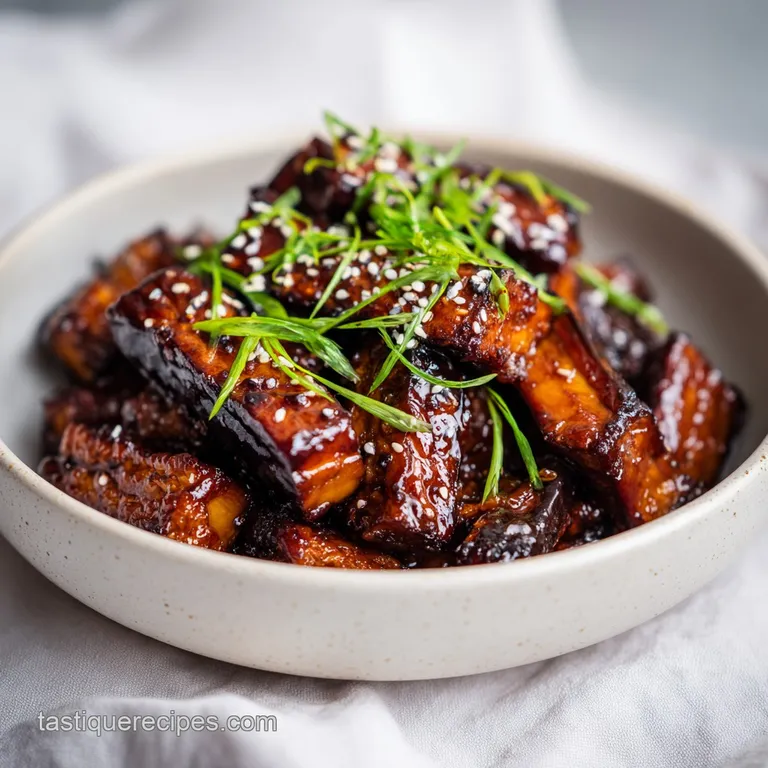
Phase 1: Prep Fillets
- Peel the 2 medium Japanese eggplants in alternating strips to create a patterned look, then cut them in half lengthwise.
- Steam the eggplant halves for about 5 to 7 minutes until they are tender but still hold their shape. Note: Don't overcook them here or they will fall apart in the pan.
- Remove from the steamer and let them cool for a minute, then gently press them flat with the back of a spoon.
- Use a sharp knife to score the flesh side in a diamond pattern, being careful not to cut all the way through the skin.
- Dust the scored side lightly with the 1 tbsp cornstarch, tapping off any excess.
Phase 2: The Sear
- Heat the 1 tbsp neutral oil in a pan over medium heat until it shimmers and a drop of water sizzles.
- Place the eggplant in the pan, scored side down, and sear for 3 minutes until golden brown and slightly crispy.
- While the eggplant sears, whisk together the 3 tbsp soy sauce, 3 tbsp mirin, 2 tbsp sake, 1.5 tbsp coconut sugar, and 1 tsp rice vinegar in a small bowl.
- Flip the eggplant and pour the sauce into the pan, letting it bubble and reduce.
- Simmer for 2 minutes until the sauce is thick, glossy, and syrupy.
- Place a strip of the 1 sheet nori on top of each "fillet" to represent the skin before serving over the 2 cups steamed rice.
Chef's Tip: Freeze your eggplant for 15 minutes before peeling if it feels too soft; it makes getting clean strips much easier.
Fixing Common Cooking Errors
If your eggplant ends up too soft, you likely steamed it for too long or used too much water in the pan. The goal is to soften the fibers, not turn them into mush. On the flip side, if the eggplant feels tough, you might have skipped the pressing step.
Pushing down on the eggplant after steaming helps break the internal structure so it can soak up that savory glaze.
Fixing a Bitter Sauce
Sometimes the sauce can taste a bit harsh, especially if the sake didn't cook off completely. If this happens, add a tiny splash of water and another teaspoon of coconut sugar to mellow it out. The bitterness can also come from the eggplant itself if it's older.
Selecting young, firm eggplants is the best way to avoid this.
| Problem | Root Cause | Solution |
|---|---|---|
| Soggy Eggplant | Over steaming or too much sauce | Steam for exactly 5-7 mins and reduce sauce fully |
| Burnt Glaze | Heat was too high | Keep heat at medium; the sugar burns quickly |
| Lack of Umami | Not enough nori or soy | Add a tiny pinch of MSG or more nori strips |
Common Mistakes Checklist
- ✓ Always pat the eggplant dry after steaming before adding cornstarch.
- ✓ Don't skip the scoring; it's the only way the sauce gets into the center.
- ✓ Ensure the rice is hot when serving to help keep the eggplant warm.
- ✓ Use a non stick pan if you aren't confident with your cast iron seasoning.
- ✓ Don't crowd the pan; work in batches if your eggplants are large.
Fun Flavor Variations
If you want a different protein base, this technique works surprisingly well with king oyster mushrooms. You'd follow the same steaming and glazing steps. Much like the flavor profile in my Vegan Mapo Tofu recipe, you can also add a bit of spice to this dish.
The Spicy Version
Add 1 teaspoon of chili crisp or a pinch of togarashi to the sauce mixture. This adds a nice heat that cuts through the sweetness of the mirin. It’s not traditional for unagi, but it’s a fantastic modern twist for those who like a little kick.
For a gluten-free Option
As mentioned, Tamari is your best friend here. Most mirin and sake are naturally gluten-free, but always double check the labels. The cornstarch is already GF, so this is one of the easiest recipes to adapt for dietary needs without losing any of that iconic texture.
Storing and Reheating Tips
This dish is best eaten immediately, as the eggplant can get a bit soft as it sits. However, if you have leftovers, they will keep in the fridge for up to 2 days. Store the rice and the eggplant separately to prevent the rice from soaking up all the extra glaze and becoming gummy.
To reheat, avoid the microwave if possible. Instead, place the eggplant fillets in a dry pan over medium heat for 2-3 minutes. This helps restore some of that seared texture. If the sauce has thickened too much in the fridge, add a teaspoon of water to the pan to loosen it up.
I don't recommend freezing this dish, as the eggplant's texture will break down and become quite watery upon thawing.
For a zero waste tip, don't throw away those eggplant peels! You can toss them with a little oil and salt and air fry them for 5 minutes to make a crispy snack.
The Best Serving Ideas
The most traditional way to serve this is as "Unadon," which just means unagi over a bowl of rice. I like to drizzle any remaining sauce from the pan directly over the rice so it absorbs all that umami goodness. Top it with the 1 tsp toasted sesame seeds and the finely sliced scallion for a pop of color and crunch.
If you're feeling fancy, you can also use these fillets to make "sushi." Just slice the glazed eggplant into smaller pieces and place them on top of small mounds of seasoned sushi rice, securing them with a thin strip of nori. It's an incredible appetizer for a dinner party.
Traditional Unadon Style
Place the 2 cups steamed Japanese short grain rice in two bowls. Lay two "fillets" over each bowl. The steam from the rice will hit the nori and release a faint, pleasant scent of the sea. It's simple, elegant, and focused entirely on the flavor of the glaze.
Why Searing Matters
Many people try to just bake the eggplant with the sauce, but you miss out on the "shatter" of those crispy edges. That tiny bit of crunch against the velvety interior is what makes this feel like a professional dish. Trust the process and don't skip the pan fry!
| Goal | Action | Result |
|---|---|---|
| Maximum Flakiness | Press after steaming | Mimics fish fibers |
| Extra Smoke | Use a blowtorch at the end | Authentic grilled aroma |
| Thicker Sauce | Simmer for an extra minute | More "lacquered" look |
Unagi Myth Busting
One common misconception is that "unagi sauce" contains eel. In reality, the traditional sauce (often called "tare") is almost always vegetarian, made from soy, mirin, and sugar. The flavor we associate with eel is actually the caramelized sauce and the smoke from the grill.
This is why eggplant works so perfectly as a stand in!
Another myth is that you need to soak the eggplant in salt water to remove bitterness. With modern Japanese eggplants, this really isn't necessary. The steaming process and the strong flavors of the glaze will mask any slight bitterness, saving you about 20 minutes of prep time.
It's all about working smarter in the kitchen to get that restaurant quality result.
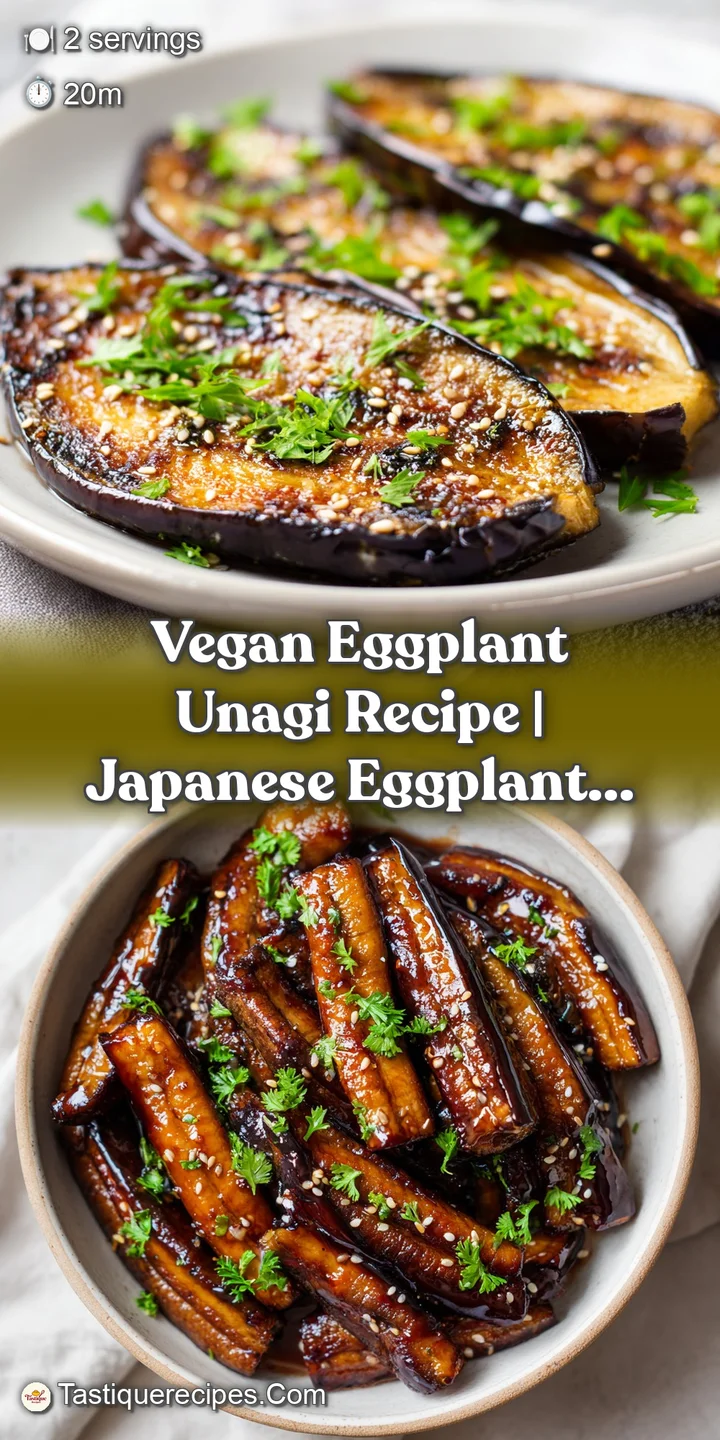
Critical in Sodium
1285 mg of sodium per serving (56% of daily value)
The American Heart Association recommends limiting sodium intake to no more than 2,300mg per day for most adults.
Tips to Reduce Sodium in Your Eggplant Dish
-
Low-Sodium Soy Sauce-25%
Replace regular soy sauce with a low-sodium version. This is the biggest sodium contributor in the recipe. You can expect to significantly reduce the sodium content.
-
Reduce Soy Sauce-15%
Decrease the amount of soy sauce from 3 tablespoons to 2 tablespoons, and compensate with extra mirin or sake for flavor. This can subtly reduce the sodium without sacrificing the dish's essence.
-
Control Coconut Sugar-5%
While not a major sodium source, reducing the coconut sugar by 1/2 tablespoon and increasing the sake by the same amount can slightly reduce the sodium. It's a minor change that contributes to overall reduction.
-
Unsalted Rice-5%
Ensure the Japanese short grain rice is steamed without added salt. Even a small amount of salt in the rice can contribute to the overall sodium content.
-
Flavor Boost
Experiment with fresh herbs and spices like ginger, garlic, or chili flakes to enhance the flavor of the dish without adding sodium.
Recipe FAQs
What kind of eggplant works best for achieving an authentic texture?
Japanese eggplant is highly recommended. These are slender and contain fewer seeds, allowing them to steam into the flaky, dense texture necessary to mimic eel.
How to prevent the eggplant from becoming watery after steaming?
Steam for exactly five to seven minutes until tender, but still firm. Immediately after steaming, gently press the fillets to expel excess moisture before scoring and coating with starch.
Is it true that the flavor primarily comes from the sauce, making the base vegetable unimportant?
No, the texture is paramount, which relies on the eggplant structure. While the glaze is key for flavor, mastering the steaming and searing technique is essential; if you enjoyed controlling the caramelization here, see how that skill applies to our Vegan Japanese Curry recipe.
Can I substitute Tamari for the soy sauce if I need a gluten-free version?
Yes, Tamari is an excellent substitute for soy sauce. It provides the necessary salt and deep color without introducing gluten, making adaptation very straightforward.
How do I ensure the glaze caramelizes properly without burning?
Keep the heat at medium while adding the sauce and let it reduce slowly. The sugar content in the mirin and coconut sugar requires gentle simmering to achieve a glossy lacquer instead of a scorched flavor.
What technique delivers the essential "fishy" or oceanic umami flavor?
Incorporating a sheet of toasted nori seaweed is necessary. Place the nori on top of the eggplant while it simmers in the glaze; this steams the seaweed slightly, releasing the oceanic aroma.
How should I reheat leftovers to preserve the crispy sear?
Avoid the microwave and use a dry pan over medium heat instead. Heating it in a dry skillet for two to three minutes will help reactivate some of the crispness on the exterior surface.
Vegan Eggplant Unagi
Ingredients:
Instructions:
Nutrition Facts:
| Calories | 412 kcal |
|---|---|
| Protein | 7.5 g |
| Fat | 8.2 g |
| Carbs | 76.4 g |
| Fiber | 5.6 g |
| Sugar | 19.2 g |
| Sodium | 1285 mg |
