Vegan Brioche Buns: Fluffy & Dairy Free
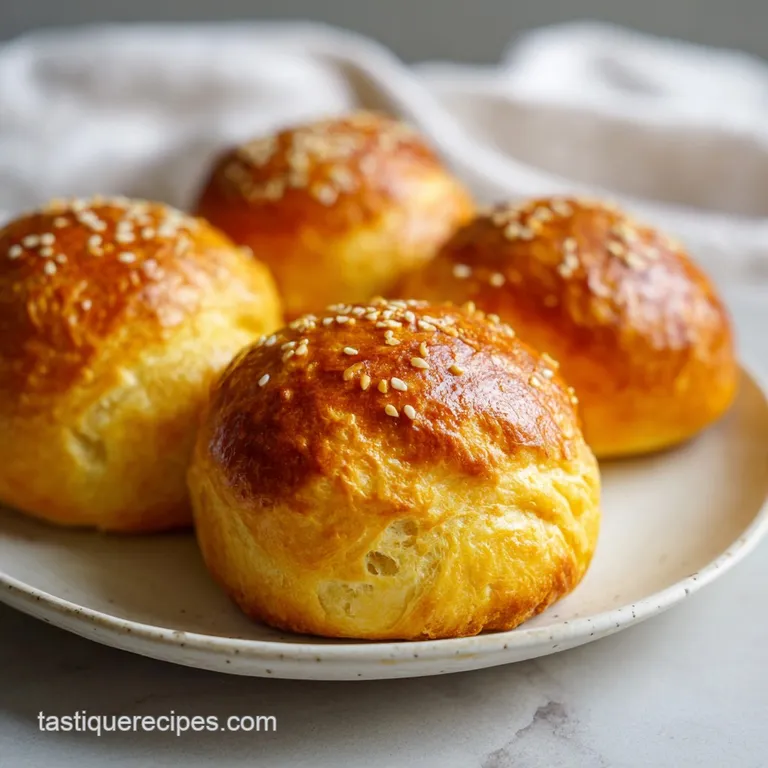
- Time: Active 45 mins, Passive 2 hours 35 mins, Total 3 hours 20 mins
- Flavor/Texture Hook: Velvety, melt in-your mouth crumb with a golden, toasted sweetness
- Perfect for: Weekend brunch, gourmet burger nights, or beginner bread bakers
- Homemade Vegan Brioche Buns Beat All Store-Bought Options
- Timings and Textures for Professional Quality Bread
- Affordable Plant Based Pantry Items for Rich Dough
- Simple Kitchen Tools for Bakery Quality Results
- Kneading and Shaping Your Rounds with Confidence
- Solving Dough Dilemmas for an Airy Finish
- Flavorful Variations and Smart Scaling Techniques
- Storing and Repurposing Leftover Bread Efficiently
- Perfect Pairings to Showcase Your Homemade Bread
- Recipe FAQs
- 📝 Recipe Card
Homemade Vegan Brioche Buns Beat All store-bought Options
The first time I pulled a tray of these out of the oven, the aroma hit me like a warm hug from a Parisian bakery. I stood in my kitchen, listening to the faint crackle of the cooling crust that tiny "bread song" that tells you the crumb is airy and light.
I’d spent months trying to mimic that rich, egg heavy texture using only plant based staples, and honestly, most early attempts were more like dense dinner rolls than true brioche.
But everything changed when I stopped trying to find a direct egg replacement and started looking at the chemistry of the dough itself. The secret wasn't some fancy, expensive powder; it was a simple paste made of flour and water.
When I tore into that first successful batch, the interior was so velvety and soft it practically dissolved. Since then, these have become the backbone of my weekend meal prep, proving that you don't need a massive grocery budget to eat like royalty.
We've all been there: buying a pack of "premium" buns only to have them crumble the moment they touch a burger patty. This recipe fixes that. We’re building a dough that is strong enough to hold a mountain of toppings but soft enough to feel like a cloud.
Whether you're a seasoned baker or someone who’s terrified of yeast, I promise we can get this right together.
Timings and Textures for Professional Quality Bread
The Physics of the Pillow: By cooking a small portion of flour and water into a "Tangzhong" paste, we pre gelatinize the starches so they can absorb and retain significantly more moisture. This creates a stable internal structure that stays soft for days instead of turning into a brick by morning.
Chef Tip: Add a tiny pinch of turmeric to your dry ingredients. It doesn't affect the flavor, but it provides that signature "eggy" golden hue that makes people question if these are actually vegan.
Success with yeast is all about patience and sensory cues rather than just watching the clock. You’ll want to look for the dough to double in size, but more importantly, it should feel tacky like a Post it note, not sticky like glue.
If you can poke it and the indentation slowly fills back in, you’re ready for the oven.
| Method | Time | Texture | Best For |
|---|---|---|---|
| Oven Baked | 20 mins | Crispy exterior, airy middle | Classic burger buns |
| Stovetop (Cast Iron) | 12 mins | Flat, charred, chewy | English muffin style |
| Air Fryer | 15 mins | Very thick crust, dense | Small batch sliders |
Choosing the right method depends on your kitchen setup, but for that authentic "shatter" on the crust and a velvety interior, the oven remains the gold standard. The dry heat allows the maple soy wash to caramelize into a beautiful mahogany brown.
Affordable Plant Based Pantry Items for Rich Dough
To keep this recipe budget friendly, we are skipping expensive egg replacers and relying on soy milk and vegan butter. Soy milk is my go to because it has the highest protein content among plant milks, which helps with the browning and structure.
We'll use 380g high protein bread flour for the main dough to ensure the buns can rise tall without collapsing.
| Ingredient | Science Role | Pro Secret |
|---|---|---|
| Bread Flour (380g) | Provides gluten strength | Use high protein flour for a taller rise |
| Coconut Sugar (50g) | Feeds yeast and browns | Adds a subtle caramel depth to the crust |
| Vegan Butter (75g) | Softens the crumb | Keep it cool but pliable for easier mixing |
| Turmeric (0.25 tsp) | Natural colorant | Just enough to mimic the look of egg yolks |
For the Tangzhong (Starter)
- 25g bread flour Why this? Essential for creating the moisture locking paste.
- 120ml water Why this? Hydrates the flour to create the gelatinized starter.
For the Main Dough
- 380g high protein bread flour Why this? The high protein creates a strong gluten network.
- 50g coconut sugar Why this? Provides sweetness and helps with fermentation.
- 7g instant yeast Why this? Faster rising time and more reliable than active dry.
- 0.5 tsp salt Why this? Tightens gluten and balances the sugar.
- 120ml unsweetened soy milk, lukewarm Why this? High protein content mimics dairy milk effectively.
- 0.25 tsp turmeric Why this? Provides that classic golden brioche color.
- 75g vegan butter, softened and cubed Why this? Adds richness and creates a tender crumb.
For the Vegan Wash
- 1 tbsp unsweetened soy milk
- 1 tsp maple syrup Why this? The sugar in the syrup creates a shiny, dark crust.
Simple Kitchen Tools for Bakery Quality Results
You don't need a high end stand mixer to make these, though it certainly saves your forearms from a workout. I usually make these by hand when I want to feel the dough change from a shaggy mess into a silky ball.
A simple digital scale is probably your most important tool here; measuring flour by volume is the fastest way to end up with dry, heavy buns.
A bench scraper is also a lifesaver for handling sticky dough without adding too much extra flour. For the baking, a standard rimmed baking sheet lined with parchment paper works perfectly.
If you want perfectly uniform rounds, you can use a set of large English muffin rings, but I prefer the rustic look of hand shaped boules.
Chef Tip: If you don't have a warm place for the dough to rise, turn your oven on for exactly 60 seconds, then turn it off. It creates a "proofing box" environment that's just warm enough to wake up the yeast.
Kneading and Shaping Your Rounds with Confidence
Preparing the Tangzhong
In a small saucepan over medium heat, whisk the 25g flour and 120ml water. Whisk constantly for about 2 minutes until it thickens into a translucent, pudding like paste. Note: Do not let it boil; we just want to cook the starch.
Scrape this into a bowl and let it cool to room temperature.
Mixing the Shaggy Mass
In a large bowl, whisk together the 380g flour, sugar, yeast, salt, and turmeric. Make a well in the center and pour in the lukewarm soy milk and the cooled Tangzhong. Note: Ensure the milk isn't hot to the touch, or you might kill the yeast.
Developing the Gluten
Stir until a shaggy dough forms, then start adding the 75g cubed vegan butter one piece at a time. Knead the dough by hand or with a mixer for 10 minutes until it becomes smooth, elastic, and pulls away from the sides. Note: The dough will be very soft, but avoid adding extra flour.
Mastering the First Rise
Place the dough in a lightly oiled bowl and cover with a damp cloth. Let it sit in a warm spot for 1 hour 30 mins until it has clearly doubled in size. Note: This timing varies based on the temperature of your kitchen.
Shaping the Rounds
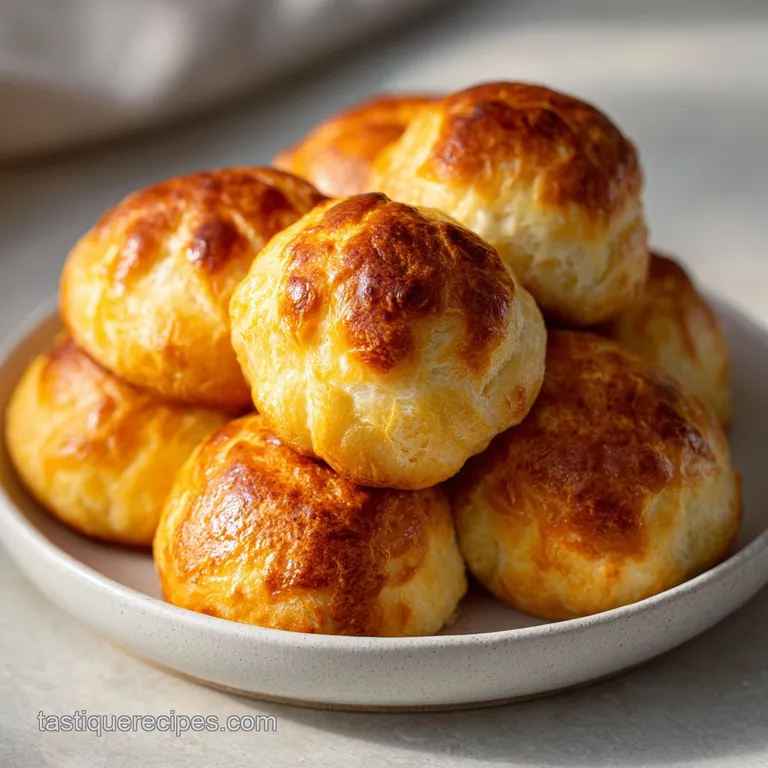
Gently punch the air out of the dough and divide it into 8 equal pieces (about 100g each). Roll each piece against the counter in a circular motion until the top is taut and smooth. Note: Tension on the surface is what gives you a tall rise.
Perfecting the Final Proof
Place the balls on a lined baking tray, leaving at least 3 inches between them. Cover lightly and let them rise for another 45 mins until they look puffy and slightly fragile. Note: They should spring back very slowly when touched.
Baking to Golden Perfection
Preheat your oven to 350°F (180°C). Whisk the 1 tbsp soy milk and 1 tsp maple syrup, then gently brush it over the tops. Bake for 20 mins until the tops are deep golden and the bottoms sound hollow when tapped.
Note: The maple syrup will darken quickly, so watch them at the 18 mins mark.
Solving Dough Dilemmas for an Airy Finish
Why Your Buns Are Dense
If your buns feel more like heavy biscuits, the culprit is usually under proofing or dead yeast. Yeast is a living organism, and if your soy milk was too hot (over 110°F), you might have accidentally neutralized it.
Another common reason for density is adding too much flour during the kneading process because the dough felt "too sticky."
| Problem | Root Cause | Solution |
|---|---|---|
| Dough won't rise | Dead yeast or cold room | Check yeast date; use a warmer proofing spot |
| Crust is too hard | Oven too hot or no wash | Lower temp by 25°F; use more maple wash |
| Buns collapsed | Over proofing | Reduce final rise time by 10-15 minutes |
The "Windowpane Test" is the best way to know if you've kneaded enough. Take a small piece of dough and stretch it gently between your fingers. If it stretches thin enough to see light through it without tearing, your gluten is perfectly developed. If it snaps immediately, keep kneading!
Common Mistakes Checklist
- ✓ Use a digital scale to measure 380g flour (cups are too inconsistent)
- ✓ Ensure the Tangzhong is cooled before adding to the yeast
- ✓ Resist the urge to add extra flour; the stickiness disappears as gluten develops
- ✓ Brush the wash gently so you don't deflate the risen dough
- ✓ Let the buns cool for at least 15 minutes before slicing to set the crumb
Flavorful Variations and Smart Scaling Techniques
One of the best things about this recipe is how adaptable it is. If you want a savory twist, try folding in some nutritional yeast or garlic powder into the dry ingredients. You could even top them with sesame seeds or "everything" bagel seasoning after brushing on the wash.
For a sweeter version, increase the coconut sugar slightly and add a dash of vanilla bean paste to the milk.
This dough also makes a fantastic base for a savory sandwich. I love to use these for a hearty lunch with a Vegan Soy Curl recipe and some avocado. The sweetness of the brioche balances the smoky saltiness of the soy curls perfectly.
| Original Ingredient | Substitute | Why It Works |
|---|---|---|
| Coconut Sugar | Organic Cane Sugar | Similar sweetness; Note: Lacks the caramel notes |
| Soy Milk | Oat Milk (Full Fat) | Good protein/fat ratio for browning |
| Vegan Butter | Refined Coconut Oil | Provides fat; Note: Result is slightly less "buttery" |
Adjusting the Batch Size
If you want to scale this recipe down for a solo dinner, you can halve all ingredients. Since it calls for 7g of yeast (usually one packet), just use a scant teaspoon. For scaling up to 16 buns, keep the yeast and salt at 1.5x the original amount to prevent the dough from rising too fast and becoming sour.
You’ll also want to work in batches during the baking stage so you don't overcrowd the oven, which can lead to uneven steaming.
Storing and Repurposing Leftover Bread Efficiently
Because of the Tangzhong method, these stay fresh longer than most homemade breads, but they are still best within the first 48 hours. Store them in an airtight container or a reusable silicone bag at room temperature.
Avoid the fridge, as the cold temperature actually recrystallizes the starches and makes bread go stale faster.
If you have leftovers that have started to firm up, don't toss them! They make the most incredible French toast or bread pudding. You can also slice them thin and bake them at a low temperature to make gourmet croutons for a salad or a bowl of Vegan Congee Recipe when you want a bit of crunch.
For long term storage, these buns freeze beautifully. Wrap them individually in foil and then place them in a freezer bag for up to 3 months. When you're ready to eat, just let them thaw at room temperature for an hour, then pop them in a 300°F oven for 5 minutes to restore that "just baked" feel.
Perfect Pairings to Showcase Your Homemade Bread
These buns are essentially a blank canvas for high protein vegan meals. My favorite way to serve them is toasted with a little extra vegan butter and a thick, seared tofu steak marinated in smoky BBQ sauce. The soft crumb absorbs the juices without falling apart, which is the ultimate test of a good brioche.
If you're hosting a party, you can make mini versions of these (about 50g each) to serve as sliders. They pair wonderfully with pulled jackfruit or even a simple chickpea "tuna" salad.
The slight sweetness of the coconut sugar in the dough highlights the tangy vinegar in most coleslaws, making it a rounded, sensory experience.
Dispelling Common Bread Misconceptions
A lot of people think that sugar is only there to "wake up" the yeast. In reality, modern instant yeast is robust enough to ferment without it. In this recipe, the sugar is primarily for flavor and "Maillard reaction" the scientific term for that beautiful browning on the crust.
Another myth is that you need to knead dough until it's completely dry and non sticky. High hydration doughs like brioche should be tacky. If you keep adding flour until it's easy to handle, you'll end up with a dry, crumbly bun instead of a velvety one.
Trust the process, use your bench scraper, and let the gluten do the work!
Recipe FAQs
Which brioche buns are vegan?
The ones made specifically without eggs or dairy butter. Traditional brioche relies heavily on eggs and butter for its color and texture, so you must look for labels explicitly stating "plant based" or "vegan." Always check ingredient lists for whey or casein if you are buying commercially.
What is a substitute for eggs in brioche bread?
Use a combination of high protein soy milk and a starch slurry like Tangzhong. Eggs add moisture, fat, and color; soy milk covers the protein aspect, while the Tangzhong paste traps moisture to mimic the rich, velvety mouthfeel you expect from brioche.
What is vegan brioche made of?
It is primarily made of flour, yeast, sugar, water, vegan butter, and plant milk, often soy milk. We use a technique called Tangzhong, which involves cooking a small portion of the flour and water first, to ensure the final loaf achieves the necessary soft, high hydration texture.
Is Trader Joe's brioche vegan?
No, the standard Trader Joe's brioche buns are not vegan. They typically contain eggs and milk, as is traditional for the product. You must seek out their specialized vegan bread lines, if available, or stick to making your own to guarantee safety.
How do I achieve the golden egg-like color without eggs?
Use a small amount of turmeric in the dry ingredients and a maple syrup wash on top. Turmeric acts as a natural, neutral flavored colorant inside the dough, while the maple syrup in the final wash caramelizes during baking to give you that deep, glossy, golden brown crust.
How can I tell if my dough has been kneaded long enough?
Perform the Windowpane Test by stretching a small dough piece until it is translucent without tearing. This indicates that the gluten network is strong enough to trap the gases from the yeast, which is crucial for a light, high rising brioche. If you enjoyed mastering this structure here, see how the same principle works in developing a strong dough base for our Vegan Mapo Tofu recipe where gluten structure is key to texture.
Can I freeze the baked vegan brioche buns?
Yes, freezing them extends their shelf life significantly. Wrap the cooled buns tightly in aluminum foil first, then place them in a heavy duty freezer bag to prevent freezer burn. Thaw them at room temperature and briefly reheat in a low oven to revive the soft crumb.
Vegan Brioche Buns Recipe
Ingredients:
Instructions:
Nutrition Facts:
| Calories | 287 kcal |
|---|---|
| Protein | 8.5 g |
| Fat | 8.4 g |
| Carbs | 44.9 g |
| Fiber | 1.5 g |
| Sugar | 7.1 g |
| Sodium | 227 mg |
