Korean Sweet Potato Bread Recipe
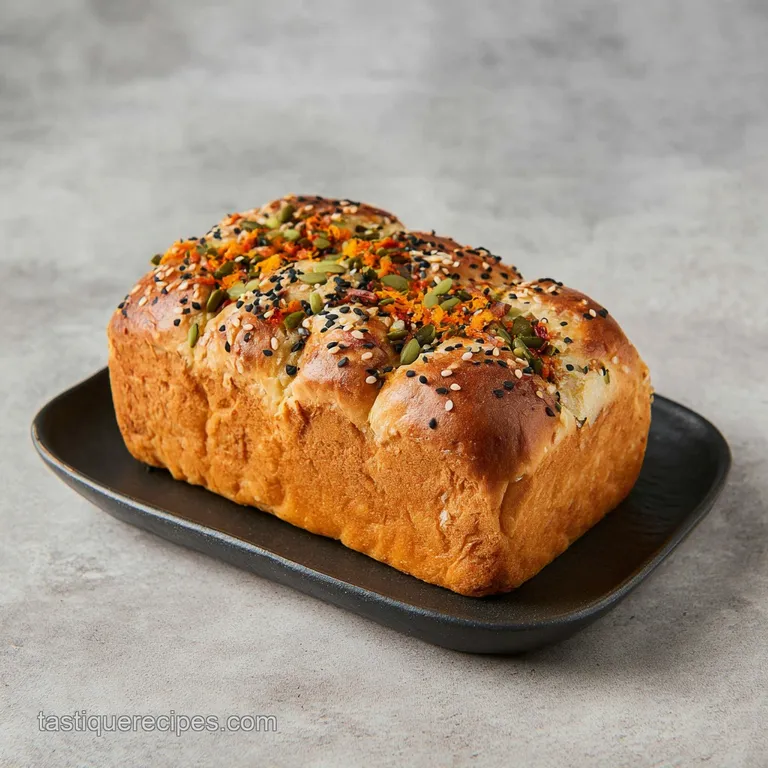
- Time: Active 45 minutes, Passive 20 minutes, Total 1 hour 5 minutes
- Flavor/Texture Hook: Earthy, honey sweetened filling encased in a bouncy, mochi like crust.
- Perfect for: Impressing guests with edible illusions or as a unique afternoon snack.
- Mastering This Authentic Korean Sweet Potato Bread
- Essential Recipe Specifications and Times
- Key Ingredients for Mochi Texture
- Necessary Kitchen Tools and Equipment
- Step-By-Step Guide to Perfect Results
- Solutions for Common Baking Issues
- Smart Ingredient Swaps and Variations
- Proper Storage and Reheating Methods
- Creative Ways to Serve This
- Recipe FAQs
- 📝 Recipe Card
Mastering This Authentic Korean Sweet Potato Bread
The first time I saw these in a tiny bakery in Myeong dong, I actually laughed. I thought the baker had accidentally left a basket of raw, dirt covered sweet potatoes on the counter. It wasn't until the earthy, toasted aroma hit me that I realized they were actually warm, soft rolls.
I took one bite and my brain couldn't compute how something that looked so much like a vegetable could taste so much like a chewy, buttery cloud.
I spent weeks in my own kitchen trying to get that "skin" right. My first few attempts looked like purple lumps of clay, and the dough was so tough it could have served as a doorstop.
But then I figured out the secret: it's all about the starch ratios and the way you handle the sweet potato filling while it's still steaming hot. Trust me, once you pull these out of your oven, the "shatter" of the purple powder and the velvety center will make you a neighborhood legend.
Essential Recipe Specifications and Times
Getting the timing right is the difference between a chewy mochi crust and a rubbery mess. We want the starch to gelatinize just enough to hold its shape while keeping that signature bounce.
The Physics of the Mochi Snap: The combination of tapioca and glutinous rice flour creates a cross linked starch network when hydrated with warm milk. This specific structure allows the bread to expand without tearing, resulting in a flexible, chewy shell.
| Method | Time | Texture | Best For |
|---|---|---|---|
| Traditional Oven | 20 minutes | Crisp skin, soft interior | Authentic bakery finish |
| Air Fryer | 15 minutes | Thicker, crunchier crust | Quick individual snacks |
| Stovetop (Steam) | 12 minutes | Very soft and gummy | Maximum chewiness |
If you love that stretchy, soft texture in your bakes, you really need to try my Japanese Milk Bread recipe because it uses a similar principle of pre gelatinized starch to stay soft for days.
Key Ingredients for Mochi Texture
Understanding why we use three different types of flour is vital here. You can't just swap them all for all purpose flour, or you'll end up with a standard dinner roll that looks like a potato but doesn't have the soul of one.
| Ingredient | Science Role | Pro Secret |
|---|---|---|
| Tapioca Starch | Provides the "QQ" chew | Sift it twice to avoid tiny white clumps in the purple dough. |
| Goguma (Korean Potato) | Natural density and sweetness | Roast them instead of boiling to concentrate the sugars and reduce water. |
| Purple Potato Powder | Visual realism and color | Use a fine mesh strainer for a dusty, "straight from the earth" look. |
For the filling, we use 400g of Korean sweet potato (Goguma), 20g of softened unsalted butter, 30g of honey, and 15ml of heavy cream. This creates a center so smooth it feels like silk on the tongue.
Necessary Kitchen Tools and Equipment
You don't need a high tech lab, but a few specific tools will make the shaping process much easier.
- Potato Masher or Ricer: To get that 400g of sweet potato perfectly smooth without any fibrous lumps.
- Kitchen Scale: This recipe relies on precise ratios; 200g of tapioca starch must be exact.
- Fine Mesh Sieve: Essential for dusting that 50g of purple powder evenly over the dough.
- Parchment Paper: The high sugar content in the filling and the starch in the dough will stick to a bare tray instantly.
Chef's Note: If you don't have a ricer, push the cooked potato through a metal sieve with the back of a spoon. It's an extra step, but it guarantees that velvety texture that makes people ask if you bought these from a professional shop.
step-by-step Guide to Perfect Results
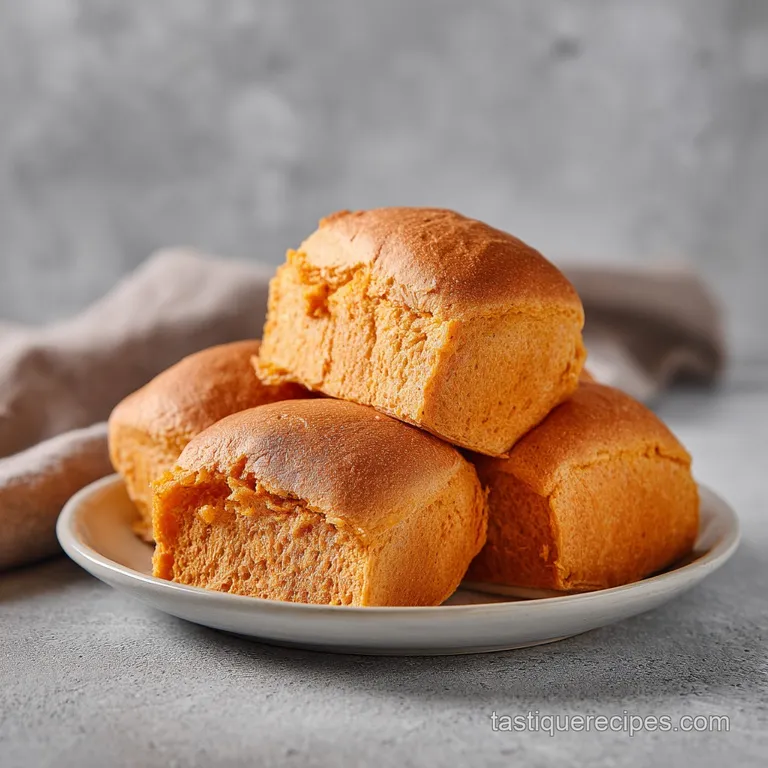
Let's get into the process. We're aiming for a realistic look, so don't worry if they aren't perfectly symmetrical. Real potatoes have character!
- Steam the goguma. Cook 400g of peeled, cubed sweet potato until a fork slides through with zero resistance.
- Mash the filling. Mix the hot potato with 20g softened butter, 30g honey, and 15ml heavy cream Note: Heat helps the butter emulsify into the potato starch.
- Chill the center. Divide the filling into 6 portions and shape into logs; refrigerate for 20 minutes until firm to the touch.
- Whisk the liquids. Combine 1 egg, 90ml lukewarm milk, 20g corn syrup, 50g melted butter, and 2g salt.
- Form the dough. Add 200g tapioca starch, 30g glutinous rice flour, and 30g bread flour to the liquids; knead until a smooth, tacky ball forms.
- Rest the dough. Cover and let it sit for 30 minutes at room temperature to allow the starches to fully hydrate.
- Encase the filling. Flatten a piece of dough, place a potato log in the center, and pinch the seams until completely sealed.
- Dust the exterior. Roll each log in 50g of purple sweet potato powder until every crevice is saturated with color.
- Add the "eyes". Use a toothpick to poke random shallow holes and indentations to mimic a real potato.
- Bake the bread. Heat your oven to 180°C and bake for 20 minutes until the crust is set but not browned.
For fans of purple treats, this recipe pairs beautifully with my Ube Butter Mochi Recipe as it shares that wonderful chewy profile.
Solutions for Common Baking Issues
The most common heartbreak with this bread is the dough cracking during the bake. This usually happens because the dough is too dry or the oven is too hot.
Why Your Dough Is Tearing
If the crust splits open, your dough lacked elasticity. This often happens if the milk wasn't lukewarm or if you used too much bread flour. The tapioca needs that slight warmth to become pliable.
Why the Filling Is Leaking
A blowout usually means there was an air pocket trapped between the filling and the dough. When you seal the logs, make sure you press the dough firmly against the potato center to push out any air.
| Problem | Root Cause | Solution |
|---|---|---|
| Dough is too sticky | Too much milk or syrup | Add 1 tbsp tapioca starch at a time until workable. |
| Powder won't stick | Surface of dough is too dry | Lightly mist the dough with water before rolling in purple powder. |
| Bread is tough/hard | Overbaked or too much bread flour | Reduce bake time by 3 minutes and check for a soft "bounce." |
Common Mistakes Checklist ✓ Ensure the sweet potato is mashed while steaming hot for the smoothest filling. ✓ Don't skip the resting period for the dough; it’s when the starches stabilize. ✓ Use a kitchen scale for the 90ml of milk liquid volume is critical here.
✓ Avoid browning the purple powder, as it turns a dusty brown/grey if overcooked. ✓ Let the bread cool for 5 minutes before eating to let the "chew" set.
Smart Ingredient Swaps and Variations
I know it can be hard to find specific Korean ingredients depending on where you live. While goguma is the gold standard for its chestnut like flavor, you can make this work with other tubers.
| Original Ingredient | Substitute | Why It Works |
|---|---|---|
| Korean Sweet Potato | Beauregard Sweet Potato | Similar sugar levels. Note: Needs more mashing as it's more fibrous. |
| Corn Syrup | Rice Syrup or Honey | Provides the same sheen and pliability to the dough. |
| Purple Potato Powder | Beet Powder (small amount) | Provides a vibrant red/purple hue, though flavor is slightly more earthy. |
If you want a savory surprise, try the Cheesy Twist. Tuck a small cube of low moisture mozzarella into the center of the sweet potato filling before wrapping it in dough. The saltiness of the cheese cutting through the honeyed potato is absolutely brilliant.
Proper Storage and Reheating Methods
These are best eaten warm, right out of the oven, but they do keep surprisingly well if you handle them right.
Storage: Keep them in an airtight container at room temperature for up to 2 days. If you need longer, they'll stay happy in the fridge for 5 days, though the crust will toughen up. In the freezer, they last for 2 months just wrap them individually in plastic wrap first.
Zero Waste Tip: If you have leftover purple sweet potato powder, don't toss it! It makes an incredible natural food coloring for frosting or can be stirred into a latte for a "purple taro" style drink.
Creative Ways to Serve This
Serving these at a brunch is always a highlight. I love putting them in a rustic wooden basket lined with brown parchment paper to lean into that "fresh from the farm" aesthetic.
- The Classic Way: Serve warm with a small side of salted butter for dipping.
- The Dessert Way: Top with a drizzle of condensed milk and a sprinkle of toasted black sesame seeds.
- The Savory Way: Pair with a spicy gochujang based dipping sauce to contrast the sweetness.
Myths About Korean Potato Bread
"You need yeast to make it rise." Actually, this isn't a leavened bread in the traditional sense. The "rise" comes from the expansion of moisture and air trapped in the starch layers. Yeast would actually ruin the dense, chewy texture we’re aiming for.
"Boiling the potatoes is the same as steaming." Boiling introduces too much water into the 400g of potato. This makes the filling runny and can cause the dough to become soggy from the inside out. Steaming or roasting keeps the filling concentrated and velvety.
"The purple powder is just for looks." While it definitely provides the visual "wow" factor, the purple sweet potato powder also adds a subtle, earthy toasted flavor to the exterior that mimics the skin of a real roasted goguma. Without it, the flavor profile feels incomplete.
Recipe FAQs
Is Korean sweet potato bread healthy?
Moderately, but enjoy as a treat. It contains complex carbohydrates and nutrients from the real sweet potato filling, but the dough uses significant starches and sugar for texture.
What is sweet potato bread in Korean?
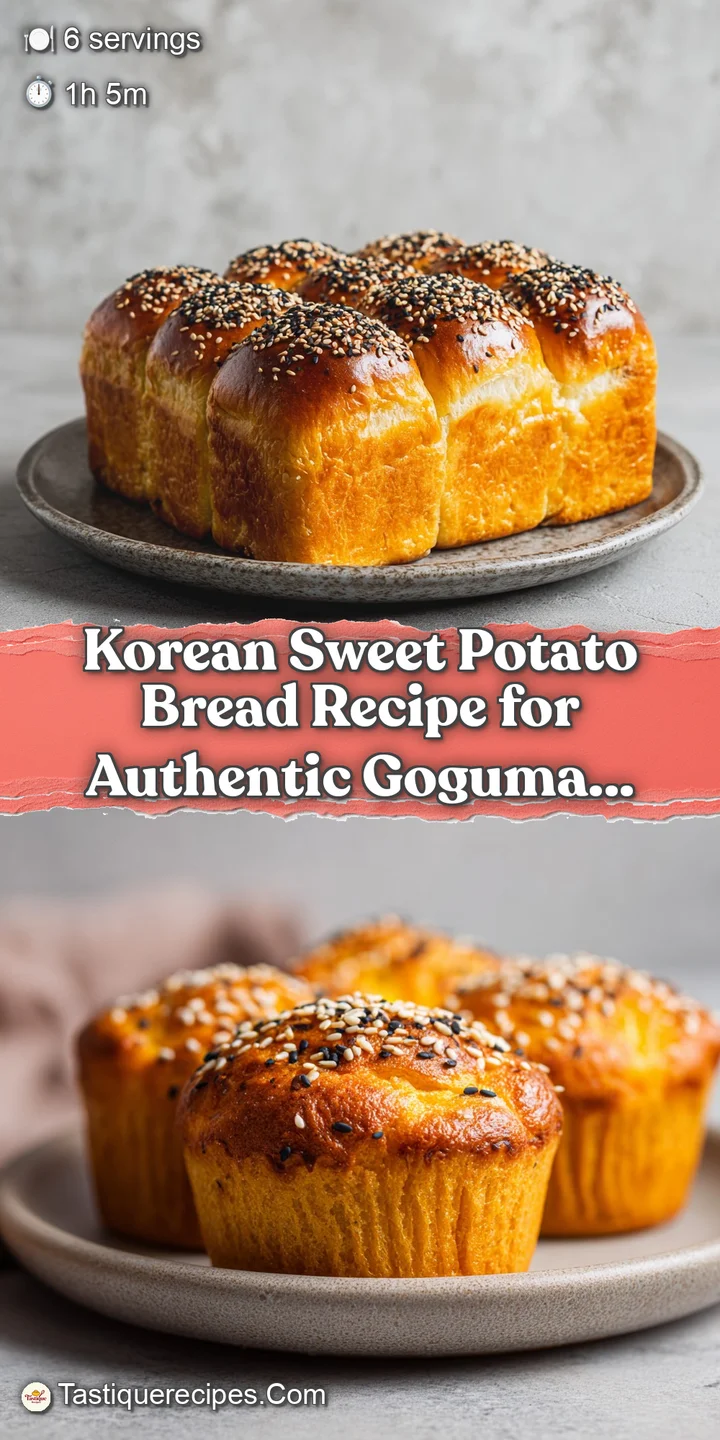
It is called Goguma Bbang (고구마 빵). This popular bakery item mimics the look and texture of a roasted sweet potato using a specialized mochi like dough.
What exactly is yaki imo?
Yaki imo is Japanese for roasted sweet potato. It is traditionally slow roasted over hot stones, yielding an intensely sweet and creamy interior, which is the filling inspiration for this bread.
Is Korean sweet potato healthy for you?
Yes, the core ingredient is very nutritious. Sweet potatoes provide excellent fiber, Vitamin A, and antioxidants, making the filling component quite healthy.
How do I achieve the signature chewy, bouncy crust texture?
Combine tapioca starch and glutinous rice flour in the dough. This combination creates a cross linked starch structure that mimics mochi; if you enjoyed controlling texture here, see how the same structural principle works when making the Kabocha Squash Soup recipe, which relies on vegetable breakdown for thickness.
Can I substitute the purple sweet potato powder for coloring?
No, skip the substitution if possible. The powder provides necessary earthy flavor along with the color; using only artificial dye will result in a visually correct but flavorless exterior.
How do I stop the dough from tearing during shaping?
Ensure the dough rests for 30 minutes after kneading. This resting time allows the starches to fully hydrate and relax, giving the dough the necessary pliability to wrap the dense filling without cracking under pressure.
Sweet Potato Bread Recipe
Ingredients:
Instructions:
Nutrition Facts:
| Calories | 381 kcal |
|---|---|
| Protein | 4.2g |
| Fat | 12.2g |
| Carbs | 64.8g |
| Fiber | 2.1g |
| Sugar | 10.4g |
| Sodium | 143mg |
