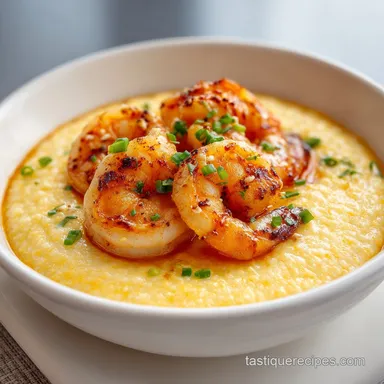
Southern Shrimp and Grits: Cheesy and Savory
- Time:10 minutes active + 20 minutes cooking = Total 30 minutes
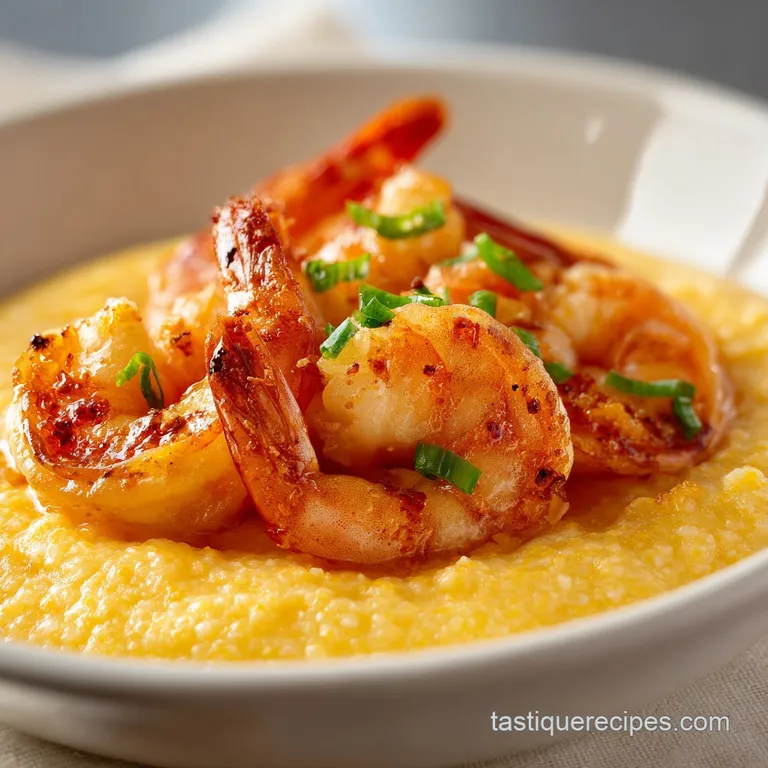
- Flavor/Texture Hook: Velvety, cheesy grits paired with mahogany seared shrimp and smoky bacon
- Perfect for: A cozy weekend brunch or a budget-friendly date night dinner
- Easy Homemade Shrimp and Grits
- Essential Cooking Techniques Explained
- The Quick Recipe Specs
- Budget-friendly Shopping List
- Tools For The Job
- The Full Cooking Process
- Avoiding Common Kitchen Disasters
- Troubleshooting Common Issues
- Creative Flavor Variations
- Scaling For More People
- Debunking Common Myths
- Storage and Scrap Tips
- The Best Pairing Ideas
- Critical Sodium Level
- Recipe FAQs
- 📝 Recipe Card
Easy Homemade Shrimp and Grits
The first thing that hits you when you make this is the smell of bacon fat hitting a hot cast iron skillet. It's that deep, salty aroma that promises something hearty. I remember the first time I tried to make this for a group of friends, and I thought I had to spend a fortune on "premium" fresh caught shrimp from the specialty market.
I spent way too much money and, honestly, they weren't even that much better than the frozen ones I usually keep in my freezer.
The biggest mistake I made early on was thinking that the "creaminess" of the grits came from adding heaps of heavy cream. I used to dump in half a carton, which just made the whole dish feel greasy and muted the flavor of the corn. It turns out, the secret isn't more fat, it's more movement.
Once I learned that whisking is the real key to that velvety texture, everything changed.
You don't need a professional kitchen or a huge budget to get this right. By using a few smart swaps and focusing on the sear, you can create a version of Shrimp and Grits that feels rustic and authentic.
It's all about the contrast: the sharp bite of cheddar, the smoky hit of paprika, and the snap of a perfectly cooked shrimp.
Essential Cooking Techniques Explained
To get this right, you have to understand how the ingredients are actually interacting in the pan. It isn't just about following steps, it's about knowing when the food is telling you it's ready.
Starch Release: When you whisk stone ground grits, you're breaking down the corn granules and releasing amylose. This is what creates that creamy, thick consistency without needing to add excessive amounts of cream or flour.
Fat Based Flavoring: Using rendered bacon fat as the base for your vegetables and shrimp is a classic move. The fat carries the smoky essence of the pork and binds it to the shrimp, creating a more cohesive sauce.
Over High heat Searing: Cooking the shrimp on medium high heat for a very short time prevents them from toughening. A quick blast of heat creates a mahogany crust and locks in the moisture before the protein over coagulates.
Temperature Control: Adding cheese to grits at the very end on the lowest setting prevents the fats from separating. If the grits are boiling when the cheese goes in, you'll end up with an oily film on top.
| Method | Time | Texture | Best For |
|---|---|---|---|
| Instant Grits | 5 mins | Smooth/Thin | Quick weekday breakfast |
| Stone Ground | 20 mins | Hearty/Velvety | Authentic dinner experience |
| Slow Cooker | 4 hours | Very Soft | Large crowd meal prep |
The Quick Recipe Specs
When you're planning your kitchen time, it's helpful to have a mental map of the process. This dish moves fast once the grits are simmering, so having your "mise en place" (everything chopped and ready) is a lifesaver.
The timing here is tight. You have a 20 minute window while the grits are bubbling to get your bacon rendered and your vegetables softened. If you're a slower chopper, I suggest dicing the onion and pepper before you even turn on the stove.
According to Serious Eats, the choice of corn affects the final mouthfeel, and using stone ground white grits provides a more rustic, traditional texture than the mass produced instant versions. This is where the budget smart approach wins, as stone ground grits are often just as cheap as instant ones but offer double the flavor.
Budget friendly Shopping List
You don't need to hit a fancy gourmet store for this. Most of these items are pantry staples or available at any budget supermarket. The trick is knowing where to save and where to be specific.
The Grits Base
- 1 cup (160g) stone ground white gritsWhy this? Better texture and heartier flavor than instant
- 2 cups (480ml) whole milkWhy this? Provides the fat needed for a velvety finish
- 2 cups (480ml) waterWhy this? Balances the richness of the milk
- 4 tbsp (57g) unsalted butterWhy this? Adds a silky mouthfeel and rich taste
- 1 cup (115g) sharp cheddar cheese, shreddedWhy this? Sharpness cuts through the richness of the grits
- 1/2 tsp (3g) saltWhy this? Basic flavor enhancer
The Savory Topping
- 1 lb (450g) large shrimp, peeled and deveinedWhy this? Frozen thawed shrimp are budget friendly and high quality
- 4 slices (60g) thick cut bacon, dicedWhy this? Rendered fat is the flavor engine here
- 1 medium (110g) yellow onion, finely dicedWhy this? Standard aromatic base
- 1 medium (110g) red bell pepper, dicedWhy this? Adds color and a subtle sweetness
- 3 cloves (9g) garlic, mincedWhy this? Pungent depth for the shrimp sauce
- 1 tbsp (15ml) lemon juiceWhy this? Acid brightens the heavy fats
- 1 tsp (2g) smoked paprikaWhy this? Adds a wood fired, smoky depth
- 1/2 tsp (1g) cayenne pepperWhy this? Adds a gentle back end heat
- 2 tbsp (30g) fresh parsley, choppedWhy this? Fresh contrast to the rich sauce
- salt to taste
- black pepper to taste
| Original Ingredient | Substitute | Why It Works |
|---|---|---|
| Stone Ground Grits | Yellow Cornmeal | Similar grain, but Note: result is slightly coarser |
| Whole Milk | Evaporated Milk | More concentrated creaminess. Note: dilute slightly with water |
| Sharp Cheddar | Pepper Jack | Similar melt. Note: adds more heat to the grits |
| Large Shrimp | scallops | Similar sear time. Note: significantly more expensive |
Tools For The Job
You can get away with basic gear, but a couple of specific tools make this Shrimp and Grits recipe much easier to manage.
First, a medium saucepan is non negotiable for the grits. You want something with a heavy bottom so the milk doesn't scorch. If you have a whisk, use it. A spoon just doesn't move the grits enough to prevent those annoying little clumps from forming.
For the shrimp, a cast iron skillet is my top recommendation. It holds heat far better than stainless steel or non stick, which is how you get that mahogany sear without overcooking the center of the shrimp. If you don't have one, a heavy stainless steel pan will work, but you might need a bit more butter.
Chef Note: If you're using frozen shrimp, thaw them in a bowl of cold water for 15-20 minutes. Pat them bone dry with paper towels before seasoning. If they are wet, they will steam instead of sear, and you'll lose that beautiful color.
The Full Cooking Process
Let's crack on with the actual cooking. The goal here is to time everything so the grits are finished right as the shrimp leave the pan.
Phase 1: The Grits Base
- In a medium saucepan, bring the milk, water, and salt to a gentle simmer over medium heat. Note: Don't let it reach a rolling boil or the milk may separate.
- Slowly whisk in the grits in a steady stream to avoid clumps. Reduce heat to low, cover, and simmer for approximately 20 minutes, whisking vigorously every 5 minutes. until the mixture is thick and holds its shape.
- Once the grits are thick and velvety, stir in the butter and shredded cheddar cheese until fully melted. Keep warm on the lowest setting.
Phase 2: The Flavor Foundation
- While grits simmer, place diced bacon in a cold cast iron skillet. Turn heat to medium and fry until crisp. Use a slotted spoon to remove bacon bits, leaving the rendered fat in the pan.
- Add the diced onion and red bell pepper to the bacon fat; sauté until onions are translucent and peppers have softened.
- Stir in the minced garlic and cook for 30 seconds until fragrant and sizzling.
Phase 3: The Shrimp Sear & Finish
- Increase skillet heat to medium high. Season the shrimp with smoked paprika, cayenne, salt, and black pepper.
- Add shrimp to the pan in a single layer and sear for 2-3 minutes per side until mahogany colored and opaque. Stir in lemon juice and fresh parsley before serving over the cheesy grits.
Avoiding Common Kitchen Disasters
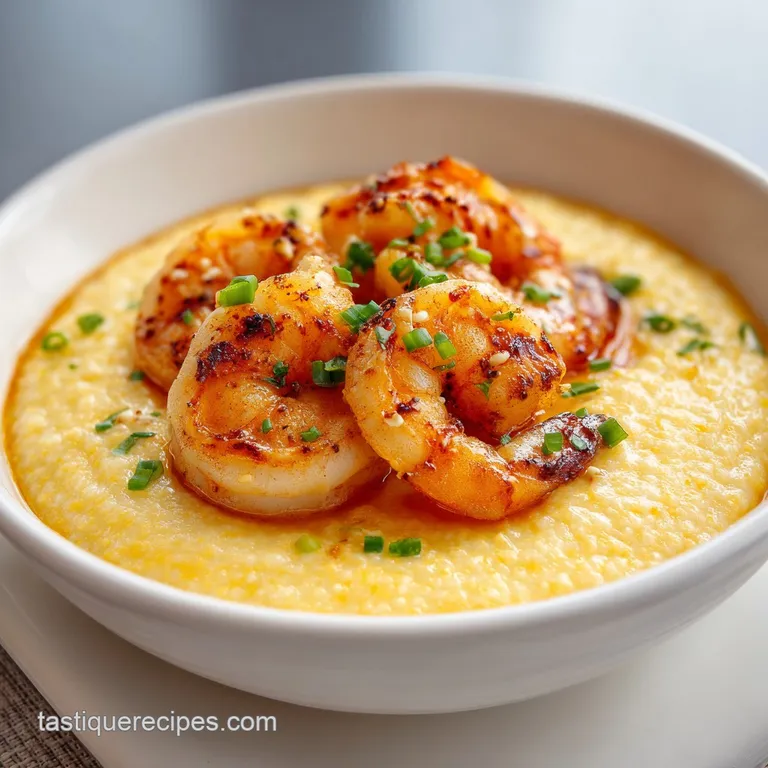
Even experienced cooks can run into trouble with this dish. Usually, it comes down to temperature or timing.
Troubleshooting Common Issues
| Issue | Solution |
|---|---|
| Why Your Grits Are Grainy | If your grits feel like sand, it's usually because they weren't simmered long enough or weren't whisked. Stone ground grits take time to hydrate. If you rush the process, the center of the grain remai |
| Why Your Shrimp Is Rubbery | Overcooking is the enemy. Shrimp go from "perfect" to "rubber band" in about 60 seconds. The key is the over high heat sear, which cooks the outside quickly while leaving the inside tender. |
| Why Your Cheese Separated | This happens when the grits are too hot. If you add cheese to a boiling pot, the protein in the cheese tightens and squeezes out the fat, leaving you with oily grits and clumps of rubbery cheese. |
Common Mistakes Checklist
- ✓ Pat shrimp dry before searing to avoid steaming.
- ✓ Whisk grits every 5 minutes to ensure smoothness.
- ✓ Use a cold pan for the bacon to render fat slowly.
- ✓ Remove cheese from the fridge 10 mins before adding to grits.
- ✓ Don't overcrowd the pan with shrimp or the temperature will drop.
Creative Flavor Variations
Once you've nailed the basic Shrimp and Grits, you can start playing with the flavor profile. Depending on where you are in the country, this dish changes quite a bit.
For a New Orleans style, I like to add a bit of Worcestershire sauce and a pinch of dried thyme to the shrimp. It gives it a darker, more complex gravy feel. If you're looking for something even richer, you could try incorporating some of the techniques from my Garlic Shrimp and Mushroom Bisque by adding a touch of cream to the pan sauce.
If you want a spicy version, double the cayenne and add a diced jalapeño along with the bell pepper. For a healthier swap, you can use almond milk and a small amount of Greek yogurt instead of butter, though you'll lose some of that rustic richness.
Scaling For More People
Scaling this recipe requires a bit of caution, especially with the grits. They don't always scale linearly because the evaporation rate changes in larger pots.
Scaling Down (Half Batch) Use a smaller saucepan. You can reduce the simmering time by about 20%, but keep whisking. Beat one egg and use half if you're adding any binders (though not needed for this version).
Scaling Up (2x-4x) When doubling the recipe, don't double the salt or cayenne immediately. Start with 1.5x and taste as you go. Most importantly, cook the shrimp in batches.
If you put 4 lbs of shrimp in one skillet, the temperature will plummet, and you'll end up boiling the shrimp in their own juices rather than searing them.
| Batch Size | Pan Adjustment | Heat Adjustment | Tip |
|---|---|---|---|
| Single (4) | 12 inch skillet | Medium High | Standard method |
| Double (8) | 2 separate pans | Keep High | Sear shrimp in 2 batches |
| Triple (12) | Large Dutch oven | Lower Grits Heat | Stir grits more frequently |
Debunking Common Myths
There are a lot of "rules" about Southern cooking that aren't actually true. Let's clear a few things up.
Myth: You must use "fresh" shrimp for the best results. Actually, most "fresh" shrimp at the store were frozen anyway. Buying high-quality flash frozen shrimp is often a smarter budget move and can actually be fresher than the counter options.
Myth: Grits need heavy cream to be velvety. False. The creaminess comes from the starch release of the corn and the addition of butter and cheese at the end. As long as you whisk them properly, whole milk is more than enough.
Myth: Searing the shrimp "seals in" the juices. Searing doesn't create a waterproof seal. Instead, it creates flavor through browning. The goal is a quick cook to avoid toughness, not to "lock in" liquid.
Storage and Scrap Tips
Shrimp and Grits are best eaten immediately, but you can save leftovers if you're not eating it all in one go.
Storage Guidelines Store the grits and the shrimp separately in airtight containers in the fridge for up to 3 days. The grits will thicken significantly as they cool, turning into something resembling a block of polenta.
Reheating Tips Don't microwave the grits on high, or they'll get grainy. Instead, put them in a small pot with a splash of milk or water and heat them on low, stirring constantly until they loosen up. For the shrimp, a quick toss in a hot pan for 60 seconds is all you need.
Zero Waste Tips If you bought shrimp with the shells on, don't toss them! Simmer the shells with a bit of onion and carrot to make a quick seafood stock. This stock can be used in other recipes or even as a substitute for some of the water in the grits for an extra layer of oceanic flavor.
The Best Pairing Ideas
Since this is a very rich, savory dish, you need sides that provide some acidity or a fresh, crisp contrast.
A simple side of sautéed kale or collard greens with a splash of apple cider vinegar works wonders. The bitterness of the greens cuts through the cheesy grits perfectly. If you want something more substantial, this pairs surprisingly well with a comforting Broccoli Cheese Soup as a starter, though that might be a bit too much cheese for some people.
For a lighter option, a crisp cucumber and tomato salad with a lemon vinaigrette provides the refreshing snap needed to balance the heavy bacon and butter. Just keep it simple so you don't overshadow the main event.
Critical Sodium Level
1319 mg 1319 mg of sodium per serving (57% 57% of daily value)
The American Heart Association recommends a daily sodium limit of no more than 2,300 mg, with an ideal limit of 1,500 mg for most adults to reduce cardiovascular risk.
Tips to Reduce Sodium
-
Swap the Bacon-25%
Replace the thick cut bacon with low-sodium turkey bacon or omit it entirely to significantly lower the salt content.
-
Eliminate Added Salt-25%
Remove the 1/2 tsp of salt and the 'salt to taste' instruction; the cheese and bacon already provide significant sodium.
-
Modify the Cheese-15%
Use a low-sodium sharp cheddar or reduce the amount of cheese by half while maintaining the flavor profile.
-
Enhance with Acid and Spice
Increase the lemon juice or add more smoked paprika to brighten the flavors without needing extra salt.
Recipe FAQs
What are shrimp and grits made of?
Stone ground white grits, shrimp, and a savory base of bacon, onion, and bell pepper. The grits are finished with whole milk, butter, and sharp cheddar cheese, while the shrimp are seasoned with smoked paprika and cayenne.
What is the key to creamy shrimp and grits?
Whisking vigorously and simmering slowly. Stirring the grits every 5 minutes during the 20-minute cook time ensures the grains hydrate fully and integrate the butter and cheese for a velvety texture.
Why are my grits grainy?
You likely didn't simmer them long enough or whisk frequently. Stone ground grits require sufficient time to hydrate; if the process is rushed, the center of the grain remains hard.
How to prevent the shrimp from becoming rubbery?
Sear on medium high heat in a single layer. This cooks the exterior quickly to a mahogany color while keeping the inside tender, avoiding the overcooking that happens within seconds.
Is it true that leftover grits can be microwaved on high?
No, this is a common misconception. High microwave heat causes grits to become grainy; instead, reheat them in a small pot on low with a splash of milk or water.
How to store and reheat the dish?
Store the grits and shrimp in separate airtight containers for up to 3 days. Reheat the grits in a pot on low, stirring constantly until they loosen up.
What goes great with shrimp and grits?
Fresh greens or a light side salad. If you enjoyed the bold, creamy flavor profile here, you might like the similar richness found in our creamy Cajun pasta.
Southern Shrimp And Grits