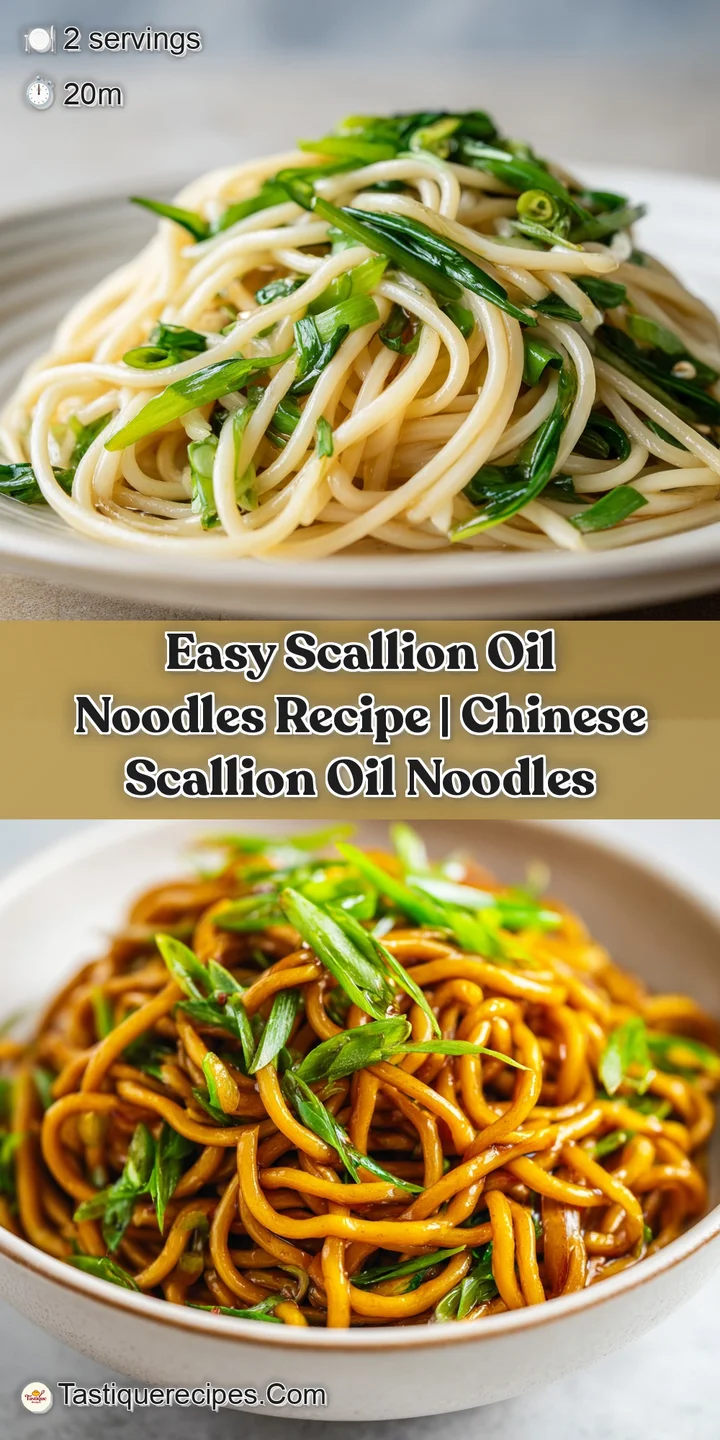
Scallion Oil Noodles: Aromatic Shanghai Style
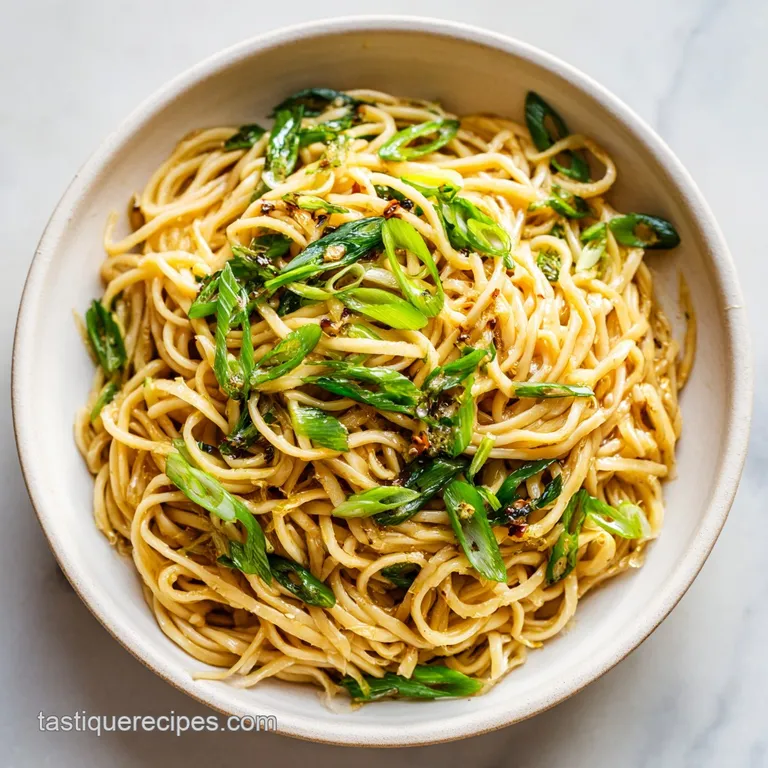
- Time: Active 5 minutes, Passive 15 minutes, Total 20 minutes
- Flavor/Texture Hook: Savory, aromatic oil with a satisfyingly crispy scallion crunch
- Perfect for: A quick weeknight dinner or a late night umami craving
- Authentic Fragrance in Scallion Oil Noodles
- Essential Specs for Your Noodle Bowl
- Selective Ingredients for Balanced Umami Flavor
- Simple Tools for a Professional Sizzle
- Mastering the Scallion Oil Infusion Process
- Troubleshooting Common Scallion Oil Noodle Issues
- Practical Storage and Smart Waste Solutions
- Flavor Variations for Every Noodle Lover
- Perfect Pairings for Your Savory Dish
- Very High in Sodium
- Recipe FAQs
- 📝 Recipe Card
Authentic Fragrance in Scallion Oil Noodles
Right then, let's talk about that specific moment when the kitchen transforms. You know the one where the sharp, punchy bite of raw green onions hits the warm oil and suddenly everything smells like a high end noodle shop in Shanghai.
The first time I tried making these, I cranked the heat way too high, ended up with bitter, black charcoal bits, and a house that smelled like a burnt onion factory for three days. But when you get it right?
The scallions turn a deep mahogany and offer a delicate crunch that contrasts perfectly against the velvety, oil slicked noodles.
We're going for a dish that’s all about restraint and patience. It’s not about a million ingredients; it’s about what the oil can extract from that single bunch of scallions. You’ll watch the oil go from clear to a shimmering gold, and finally to a rich green brown.
This isn't just a meal; it's a lesson in how fat carries flavor. Trust me on this, once you master the slow sizzle technique, you'll never look at a bunch of green onions the same way again.
Essential Specs for Your Noodle Bowl
Getting the texture right is the difference between a soggy mess and restaurant quality results. We want the noodles to have that "al dente" bite or what we call q bounce in many Asian kitchens to stand up against the richness of the oil. Unlike the wide, hand stretched style found in a Biang Biang Noodles recipe, these use thin, dried wheat noodles that act like a sponge for the soy sugar glaze.
The Lipid Infusion Logic
Thermal Extraction: Slow frying scallions in oil at a low temperature allows volatile aromatic compounds to dissolve into the fat without burning the delicate sugars. This creates a shelf stable, flavor dense base that carries the allium scent through the entire dish.
| Method | Time | Texture | Best For |
|---|---|---|---|
| Traditional Slow Fry | 15 minutes | Shattering, crispy scallions | Maximum flavor depth |
| High Heat Flash | 5 minutes | Soft, wilted scallions | Quick lunch cravings |
| Cold Infusion | 24 hours | No crunch, pure oil | Prep ahead stir fries |
Since we are working with high protein wheat and hot oil, the chemistry is simple but vital. The sugar in the sauce doesn't just sweeten; it helps emulsify the soy sauces and oil into a glossy coating that won't just pool at the bottom of your bowl.
It’s that sticky, savory finish that makes this dish so addictive.
| Ingredient | Science Role | Pro Secret |
|---|---|---|
| Neutral Oil | Flavor Carrier | Use grapeseed for a higher smoke point and cleaner finish. |
| Dark Soy Sauce | Maillard Color | This provides the deep mahogany hue rather than just saltiness. |
| Granulated Sugar | Emulsifier | Helps the oil and soy sauce bind to the noodle surface. |
Selective Ingredients for Balanced Umami Flavor
For this recipe, we are keeping things focused. You don't need a pantry full of exotic items, but the quality of your soy sauce really matters here because there's nowhere for poor flavors to hide.
- 1 large bunch Scallions (8 10 stalks): Cut into 2 inch lengths. Why this? They are the star; use fresh, firm stalks for the best crunch.
- 1/2 cup Neutral Cooking Oil: Grapeseed or Canola oil works best. Why this? You want a high smoke point oil that doesn't add its own heavy flavor.
- 2 tbsp Light Soy Sauce: For the essential salt and fermented depth.
- 1.5 tbsp Dark Soy Sauce: Primarily for that rich, dark aesthetic and a hint of molasses.
- 1 tbsp Granulated Sugar: To balance the salt and create a glossy sheen.
- 1 tsp Chinkiang Vinegar: To cut through the fat with a tiny bit of acidity.
- 8 oz Dried Wheat Noodles: Thin or medium width works best.
- 6 oz Chicken breast: Thinly sliced to cook quickly in the residual oil.
| Original Ingredient | Substitute | Why It Works |
|---|---|---|
| Chinkiang Vinegar | Balsamic Vinegar | Similar dark, fruity acidity. Note: Use slightly less as it is sweeter. |
| Dark Soy Sauce | Extra Light Soy + Molasses | Mimics the color and thickness. Note: Only use a tiny drop of molasses. |
| Dried Wheat Noodles | Fresh Ramen Noodles | Similar chew. Note: Reduce boiling time by half. |
Simple Tools for a Professional Sizzle
You don't need a professional wok station for this, but a few specific tools will make your life much easier. I've found that using the wrong pan can lead to uneven browning, which is the enemy of a good scallion oil.
- Heavy Bottomed Skillet: A cast iron or heavy stainless steel pan is your best friend here. It holds heat steadily, which prevents the oil temperature from fluctuating and burning your scallions.
- Kitchen Scissors: Honestly, don't even bother with a knife for the scallions. Snipping them directly into the pan is faster and keeps the lengths uniform.
- Spider Strainer: Essential for fishing out those perfectly browned scallions before they turn bitter.
- Tongs: You’ll need these to toss the noodles vigorously. A fork just won't give you the same leverage to ensure every strand is coated.
Mastering the Scallion Oil Infusion Process
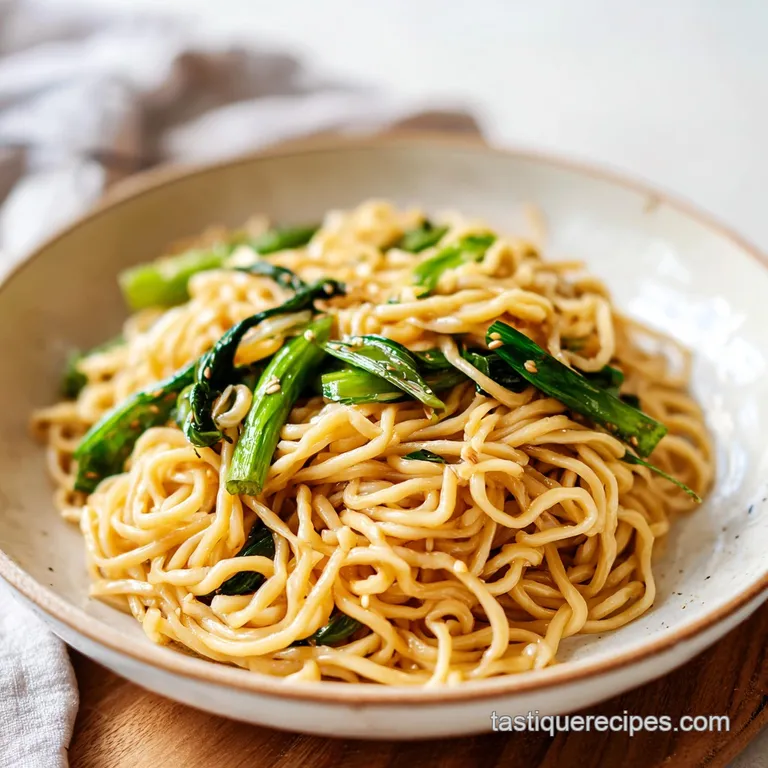
Let’s get into the flow. The secret is starting with cold oil. If you drop scallions into screaming hot oil, the outside burns before the inside dehydrates, leaving you with soggy, bitter greens instead of crispy gold.
- Prep the greens. Wash the 8-10 scallions and pat them completely dry. Note: Any water will cause the oil to splatter aggressively.
- Start the cold infusion. Place the 1/2 cup oil and the white parts of the scallions in your skillet. Turn the heat to medium low.
- Add the greens. Once the white parts start to sizzle gently (about 3 minutes), add the green parts.
- Fry until golden. Cook for about 10-12 minutes, stirring occasionally, until the scallions turn a deep, golden brown and feel stiff.
- Strain and save. Remove the scallions with a spider and set them on a paper towel. They will crisp up further as they cool.
- Sauté the protein. In the same fragrant oil, toss in the 6 oz sliced chicken. Sauté for 3-4 minutes until opaque and slightly browned at the edges.
- Whisk the sauce. Stir the light soy, dark soy, sugar, and vinegar together in a small bowl until the sugar dissolves.
- Boil the noodles. Cook the 8 oz wheat noodles in boiling water. Pull them out 1 minute earlier than the package says until they have a firm, bouncy bite.
- The big mix. Add the noodles and the sauce mixture to the skillet with the chicken and oil. Toss over medium heat for 2 minutes until the sauce thickens and clings to the noodles.
- Final garnish. Top with those reserved crispy scallions and serve immediately while the aroma is at its peak.
If you find yourself loving these savory, soy based profiles, you should definitely try a Vegan Dan Dan recipe for a different kind of umami hit that uses similar pantry staples.
Troubleshooting Common Scallion Oil Noodle Issues
The biggest mistake people make is rushing the oil. If you try to do this in 5 minutes, you'll end up with "onion flavored oil" but not the deep, toasted complexity that defines this dish.
My scallions turned black and bitter
This usually happens because the heat was too high or you didn't pull them out fast enough. Residual heat in the oil continues to cook the scallions even after you turn off the burner. Always pull them out when they are a shade lighter than your target color.
The sauce is watery and doesn't stick
You likely didn't drain your noodles well enough, or you skipped the final 2 minute toss in the pan. That final toss is where the starch from the noodles meets the sugar in the sauce to create that velvety emulsion.
| Problem | Root Cause | Solution |
|---|---|---|
| Greasy mouthfeel | Oil to noodle ratio is off | Add a splash of noodle cooking water to help emulsify. |
| Tough chicken | Overcooked during sautéing | Slice chicken very thin and cook just until white. |
| Bland flavor | Weak soy sauce quality | Add a pinch of sea salt or a dash more light soy. |
Common Mistakes Checklist
- ✓ Pat scallions bone dry before frying to avoid dangerous oil pops.
- ✓ Use a "cold start" for the oil to ensure even heat distribution.
- ✓ Don't discard the scallion whites; they have the most intense flavor.
- ✓ Lower the heat immediately if the oil begins to smoke.
- ✓ Rinse noodles briefly in cold water if not using them immediately to stop the cooking.
Practical Storage and Smart Waste Solutions
You can actually make a big batch of the scallion oil (without the soy sauce added) and keep it in a glass jar in the fridge for up to 2 weeks. It’s a total game changer for quick fried rice or drizzling over steamed fish.
- Fridge: Store leftovers in an airtight container for up to 3 days. The noodles will absorb the oil, so you might need a splash of water when reheating.
- Freezer: I don't recommend freezing the assembled dish as the wheat noodles will become mushy. However, you can freeze the infused oil in ice cube trays for up to 3 months.
- Reheating: Use a skillet over medium heat with a tiny splash of water. Microwave reheating often makes the oil separate and feel heavy.
- Zero Waste: Save the hairy root ends of your scallions! Put them in a jar of water on your windowsill, and they’ll regrow in about a week. Also, if you have leftover sauce, it makes an incredible marinade for grilled pork.
Flavor Variations for Every Noodle Lover
Once you have the base technique down, you can start playing with the "extras." While the Shanghai version is classic, I often find myself adding a bit of heat or changing up the protein based on what’s in my fridge.
- The Spicy Kick: Add a teaspoon of red chili flakes or a dollop of crispy chili oil during the final toss for a buzzing heat.
- Seafood Variation: Swap the chicken for small dried shrimp (soaked first) or fresh bay scallops. The dried shrimp add a massive punch of oceanic umami that is very traditional.
- The Crunchy Topping: If you ran out of scallions, toasted sesame seeds or crushed peanuts add that necessary texture contrast.
If you’re in the mood for more baking rather than stovetop work, these flavors translate beautifully into a Chinese Hot Dog recipe where the scallions are baked right into a soft, pillowy dough.
Perfect Pairings for Your Savory Dish
Because these noodles are quite rich and oil forward, you really want something bright or crunchy on the side to reset your palate between bites.
- The Protein Pairing: While we included chicken in the recipe, a simple fried egg with a runny yolk is the ultimate partner. The yolk breaks and mixes with the scallion oil to create a sauce that is incredibly creamy.
- The Fresh Balance: A quick smashed cucumber salad with garlic and plenty of vinegar provides the acidity needed to cut through the fat.
- The Soup Side: In many traditional settings, a small bowl of light seaweed or cilantro broth is served alongside to help wash everything down.
Right then, you're ready to hit the kitchen. Just remember: keep that heat low, watch the color of those scallions like a hawk, and don't be afraid to let the noodles sizzle in the pan for a minute to get those slightly crispy bits. Enjoy the aroma!
Very High in Sodium
2150 mg mg of sodium per serving (93% % of daily value)
The American Heart Association recommends limiting sodium intake to no more than 2,300mg per day for most adults. This recipe significantly exceeds that limit.
Tips to Reduce Sodium in Your Scallion Oil Noodles:
-
Reduce Soy Sauce-30%
Soy sauce is a major sodium contributor. Halve the amount of both light and dark soy sauces used in the recipe, and adjust to taste. Consider using low-sodium soy sauce as a substitute.
-
Choose Low-Sodium Noodles-20%
Check the nutrition label of your dried wheat noodles and opt for a brand with lower sodium content per serving. Some brands add sodium during processing.
-
Vinegar Variation-15%
While Chinkiang vinegar adds flavor, using a blend of rice vinegar with a touch of balsamic vinegar can offer a similar taste profile with potentially lower sodium content. Experiment to find your preferred ratio.
-
Spice It Up
Enhance the flavor with fresh ginger, garlic, white pepper, or a pinch of red pepper flakes. These additions can help compensate for the reduced saltiness.
Recipe FAQs
What ingredients are essential for Scallion Oil Noodles?
Neutral oil, wheat noodles, scallions, light soy sauce, dark soy sauce, and sugar. These form the core flavor profile, where the slow fried scallions infuse the oil with deep aroma before binding with the salty sweet sauce.
Are scallion oil noodles considered healthy?
No, they are better described as an indulgent comfort food. While scallions offer some vitamins, the dish relies heavily on refined wheat noodles and a high volume of fat (the infused oil) for its signature texture.
What can I use the leftover aromatic scallion oil for?
Drizzle it over steamed fish, use it as a base for fried rice, or toss it with steamed vegetables. This leftover oil is pure flavor; if you enjoyed the slow thermal extraction used here, see how the same principle of fat infusion builds flavor in our Spelt Flour Pancakes recipe base.
Should I refrigerate the extra scallion oil?
Yes, always refrigerate leftover oil if not using it within 24 hours. Store it in an airtight jar; the oil will solidify due to the low temperature, but it will quickly loosen when you scoop out what you need for reheating or another dish.
How do I achieve the perfect crispy, non-bitter scallion texture?
Start the scallions in cold oil and cook slowly over medium low heat. You must patiently fry them until they are deep golden brown, then remove them from the oil immediately before they darken further, as residual heat continues the cooking process.
Is it true that using dried noodles results in a less authentic texture?
False. Dried wheat noodles are traditionally preferred for their chewiness. They hold up better against the heavy oil coating than very delicate fresh noodles, providing that desired "q bounce" texture.
How do I prevent the sauce from being greasy and separating from the noodles?
Toss the drained noodles and sauce together in the hot pan for at least two minutes. The starch released from the partially cooked noodles, combined with the sugar in the sauce, acts as a natural emulsifier to bind the oil to the strands.
Scallion Oil Noodles Recipe
Ingredients:
Instructions:
Nutrition Facts:
| Calories | 1081 kcal |
|---|---|
| Protein | 41.8 g |
| Fat | 59.8 g |
| Carbs | 91.3 g |
| Fiber | 4.1 g |
| Sugar | 6.5 g |
| Sodium | 2150 mg |
