Roasted Carrot Soup: Creamy and Silky
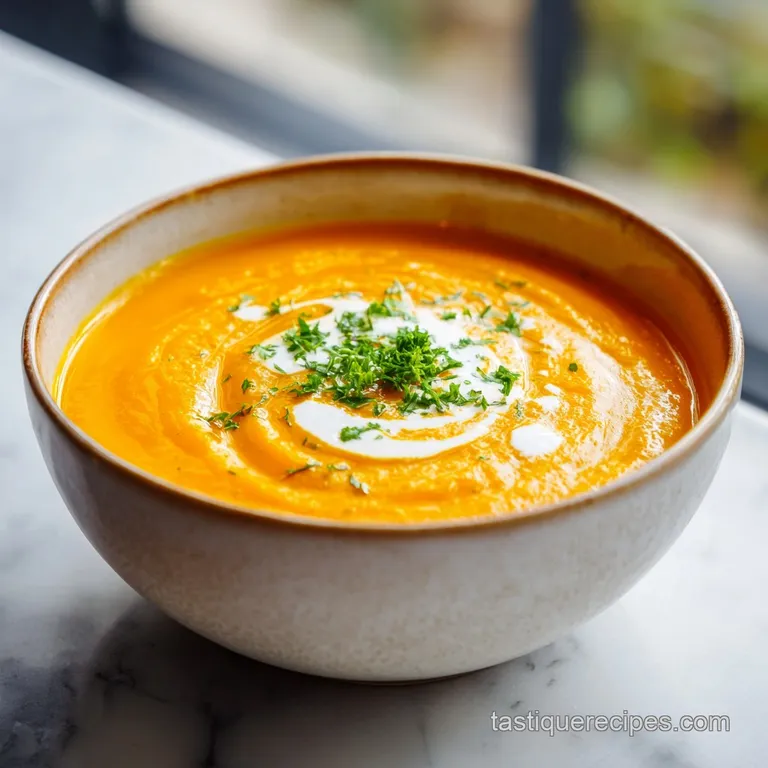
- Time: Active 10 minutes, Passive 35 minutes, Total 45 minutes
- Flavor/Texture Hook: Silky, velvety texture with a warm, gingery zing and caramelized depth.
- Perfect for: A budget conscious weeknight dinner or a meal prep lunch that feels fancy.
- Master the Ultimate Velvety and budget-friendly Carrot Soup
- Transforming Humble Ingredients Into A Velvety Golden Masterpiece
- Component Analysis for the Perfect Plant Based Base
- Essential Elements for Your Golden Soup
- Tools Required for Achieving a High Speed Smooth Finish
- Detailed Methods for Crafting This Nutrient Dense Golden Meal
- Solving Common Texture and Seasoning Mistakes at Home
- Exploring Global Variations and Easy Smart Ingredient Swaps
- Safe Storage and Zero Waste Methods for Leftovers
- Creative Toppings and Pairings to Complete Your Table
- Recipe FAQs
- 📝 Recipe Card
Master the Ultimate Velvety and budget friendly Carrot Soup
Picture this: it is a Tuesday evening in late November, the kind of day where the sun disappears at 4:30 PM and the air has that sharp, biting chill. You open the fridge and see nothing but a massive 2 lb bag of carrots that you bought with good intentions but never touched.
Most people see a snack for a rabbit, but I see the foundation for a meal that feels like a warm hug in a bowl. This is the moment where this plant based soup shines, turning humble, dirt cheap roots into something that looks like it belongs in a high end bistro.
I remember the first time I tried to make a simple carrot soup. I just tossed everything into a pot with water and boiled it until it was soft. It was, quite honestly, a disaster. It tasted like watered down baby food, bland and uninspired.
I realized then that if you are going to use budget ingredients, you have to treat them with respect. You need to coax the flavor out of them using heat and fat. That is when I discovered the magic of roasting the vegetables first, which completely changed my perspective on vegan cooking.
We are going to take those 2 lbs of carrots and transform them into a golden, glowing masterpiece. It is incredible how a bit of ginger and turmeric can take a basic vegetable and turn it into a high protein, vibrant meal that costs less than five dollars to make for the whole family.
You do not need expensive cream or fancy stock to get that luxurious mouthfeel. We are using the natural starches in the carrots and the healthy fats in coconut milk to do the heavy lifting. Let's get into how we make this work without breaking the bank.
Transforming Humble Ingredients Into A Velvety Golden Masterpiece
Concentrated Sweetness: Roasting at 200°C triggers the breakdown of complex carbohydrates into simple sugars, turning earthy carrots into sweet, caramelized gems.
Aromatic Extraction: Simmering fresh ginger and turmeric directly in the broth allows the heat to pull out fat soluble flavor compounds before the milk is added.
High Speed Emulsification: Blending the roasted fibers with full fat coconut milk creates a stable, silky emulsion that mimics the texture of heavy dairy cream.
Acidic Balance: A final hit of lime juice acts as a chemical "brightener," cutting through the richness of the coconut and the heavy earthiness of the turmeric.
| Cooking Method | Total Time | Flavor Depth | Texture Outcome |
|---|---|---|---|
| Roasting (This Recipe) | 45 minutes | Deep, nutty, caramelized | Velvety and complex |
| Traditional Boiling | 25 minutes | Mild, sweet, watery | Grainy or "thinner" |
| Slow Cooker | 4 hours | Mellow, integrated | Soft but lacks "char" |
If you are looking for a different flavor profile to rotate through your weeknight schedule, you might also enjoy this Kabocha squash soup which uses a similar ginger base but with a heartier winter squash. Both recipes rely on the same principle of roasting to ensure the vegetables reach their full flavor potential.
Component Analysis for the Perfect Plant Based Base
| Ingredient | Science Role | Pro Secret |
|---|---|---|
| Carrots (2 lbs) | Provides the bulk, fiber, and natural sweetness through caramelized sugars. | Choose medium sized carrots; they often have a better sugar to fiber ratio than the giant ones. |
| Full fat Coconut Milk | Acts as the primary lipid source for a silky mouthfeel and fat soluble nutrient absorption. | Shake the can vigorously before opening to ensure the cream and water are fully integrated. |
| Fresh Ginger | Adds a spicy, pungent counterpoint to the sweet carrots and aids in digestion. | Keep your ginger in the freezer and grate it while frozen for a much finer, smoother texture. |
| Turmeric | Provides the iconic golden hue and a subtle, musky earthiness that anchors the soup. | Always pair with black pepper to significantly increase the bioavailability of its healthy compounds. |
When we talk about making a budget friendly meal, the quality of your base ingredients really matters. This carrot soup relies on the interaction between the natural sugars in the carrots and the healthy fats in the coconut milk.
Many people make the mistake of using "lite" coconut milk to save calories, but honestly, don't even bother. You lose the very thing that makes this soup feel like a luxury. The full fat version provides the necessary structure to keep the soup from feeling thin and watery.
Essential Elements for Your Golden Soup
- 2 lbs carrots: Peeled and sliced into 1 inch rounds. Why this? Uniform sizes ensure even roasting and consistent caramelization across the whole batch.
- 1 large yellow onion: Quartered. Why this? Roasting the onion in large chunks prevents it from burning before the carrots are tender.
- 3 cloves garlic: Skin on. Why this? Keeping the skins on protects the garlic from becoming bitter and acrid in the high heat.
- 2 tbsp olive oil: For roasting. Why this? Provides the conductive medium for heat to penetrate the vegetables effectively.
- 1 tsp sea salt: To season. Why this? Salt draws out moisture, which helps the sugars concentrate and caramelize faster.
- 1/2 tsp cracked black pepper: For a subtle bite. Why this? Necessary for activating the turmeric and adding depth to the finish.
- 4 cups low sodium vegetable broth: The liquid base. Why this? Using low sodium allows you to control the final seasoning without it becoming too salty.
- 13.5 oz full fat coconut milk: One standard can. Why this? This provides the decadent, velvety texture that makes the soup feel substantial.
- 2 tbsp fresh ginger: Grated. Why this? Fresh ginger offers a bright, sharp heat that dried powder simply cannot replicate.
- 1 tsp ground turmeric: For color and earthiness. Why this? A little goes a long way in providing that vibrant, professional look.
- 1 tbsp fresh lime juice: For the final touch. Why this? The acid breaks up the heavy flavors and makes the soup "pop."
- 1/4 cup fresh cilantro: For garnish. Why this? Adds a fresh, herbaceous note that balances the cooked flavors.
| Original Ingredient | Substitute | Why It Works |
|---|---|---|
| Fresh Ginger | 1 tsp Ground Ginger | Concentrated flavor but lacks the "zing" of fresh. Use only in a pinch. |
| Coconut Milk | Cashew Cream | High fat content provides similar silkiness without the coconut flavor. |
| Vegetable Broth | Water + 1 tbsp Miso | Miso adds an incredible fermented saltiness and depth that water lacks. |
For those looking to keep their pantry stocked for high protein vegan meals, this soup is a fantastic foundation. You can easily pair it with a side of legumes or even incorporate them into your meal plan. If you enjoy the earthy, deep tones of this dish, you should also try my purple black bean soup which is another 30 minute miracle that uses smart pantry staples to create a massive flavor impact.
Tools Required for Achieving a High Speed Smooth Finish

To get that restaurant quality texture, you need a few specific items. First, a rimmed baking sheet is non negotiable. Without the rim, you are going to be chasing carrot rounds all over your kitchen floor.
I prefer a heavy duty aluminum sheet because it distributes heat evenly, which is crucial for getting those mahogany edges on your carrots. If your pan is too thin, the vegetables might burn on the bottom before they are cooked through.
Second, the blender situation. While an immersion blender (the "stick" kind) is convenient, it rarely achieves the level of smoothness we want for this specific carrot soup. If you have a high speed blender, like a Vitamix or a Blendtec, now is the time to use it.
The sheer power of these machines shears the carrot fibers into tiny particles, resulting in a velvety finish that feels like silk. If you only have a standard blender, just blend it for twice as long as you think you need to.
Detailed Methods for Crafting This Nutrient Dense Golden Meal
- Preheat your oven to 200°C. Arrange your rack in the middle position to ensure even airflow around your roasting tray.
- Prep the vegetables. Toss the sliced carrots, quartered onion, and skin on garlic cloves in olive oil and sea salt directly on your rimmed baking sheet.
- Roast for 25–30 minutes. You are looking for tender centers and edges that are caramelized and mahogany colored. Note: This char is where all your flavor lives.
- Infuse the broth. While the vegetables are roasting, place a large pot over medium heat and add the vegetable broth, grated ginger, and turmeric. Bring to a low simmer.
- Clean the garlic. Once the roasting is done, carefully squeeze the roasted garlic out of its skins. It should be soft and buttery.
- Combine ingredients. Add the roasted garlic, carrots, and onions into the simmering broth.
- Simmer for 5 minutes. This short window allows the flavors to marry and the roasted notes to permeate the liquid.
- Blend until smooth. Transfer the mixture to your blender, add the full fat coconut milk, and blend on high until completely velvety and glowing.
- The final seasoning. Stir in the fresh lime juice and taste for salt. The lime juice will immediately brighten the orange hue.
- Garnish and serve. Ladle into bowls and top with fresh cilantro and a pinch of red pepper flakes if you like a little extra heat.
Solving Common Texture and Seasoning Mistakes at Home
The Soup is Too Thin
Sometimes, carrots hold more water than expected, or your broth to vegetable ratio is slightly off. If your soup looks more like a juice than a meal, do not panic. The easiest fix is to simmer it uncovered for another 10 minutes to reduce the water content.
Alternatively, you can blend in half a steamed potato or a handful of soaked cashews. This adds starch or fat which thickens the liquid naturally without changing the flavor too much.
The Flavor is Dull
If you taste your soup and it feels "flat," it is almost always a lack of acid or salt. Carrots are very sweet, and coconut milk is very rich; without enough salt, those flavors just stay dormant. Add a pinch more salt first.
If it still feels heavy, add another teaspoon of lime juice or even a tiny splash of apple cider vinegar. The acid acts like a spotlight, highlighting all the hidden notes of ginger and turmeric that you worked so hard to include.
| Problem | Root Cause | Solution |
|---|---|---|
| Bitter Taste | Burnt Garlic | Always roast garlic with skins on; if they turn black, discard and use fresh sautéed garlic instead. |
| Gritty Texture | Under blending | Blend for at least 60-90 seconds on high speed. Fibrous carrots need time to break down. |
| Too Sweet | Over roasted Carrots | Add a tablespoon of soy sauce or tamari to introduce an earthy, savory umami balance. |
Common Mistakes Checklist
- ✓ Never skip the roasting step; boiling produces a vastly inferior flavor profile.
- ✓ Don't peel the garlic before roasting or it will turn bitter and hard.
- ✓ Check your turmeric freshness; if it has been in the back of the cabinet for two years, it will taste like dust.
- ✓ Wait to add the lime juice until the very end to preserve its bright, volatile aroma.
- ✓ Pat your carrots dry before oiling them to ensure they roast rather than steam on the tray.
Exploring Global Variations and Easy Smart Ingredient Swaps
If you find yourself making this carrot soup every week (and you probably will), you might want to switch things up. One of my favorite variations is the Moroccan inspired version. Instead of ginger and turmeric, use a teaspoon of cumin, a half teaspoon of cinnamon, and a pinch of coriander.
Replace the lime with lemon and top the whole thing with toasted chickpeas for a massive protein boost. It turns the soup from something creamy and tropical into something warm, spiced, and deeply comforting.
Another budget friendly swap involves the liquid. If you are out of coconut milk, don't worry. You can achieve a similar creaminess by blending in a can of drained and rinsed white beans (like Cannellini).
Not only does this make the soup incredibly thick and smooth, but it also cranks up the plant based protein content significantly. The beans have a very neutral flavor, so they soak up all the ginger and carrot goodness without standing out. It is a smart way to make a meal go further for less money.
Decision Shortcut
- If you want a spicier kick, add 1 tbsp of red curry paste to the broth while it simmers.
- If you want it richer and nuttier, swap the olive oil for melted coconut oil during the roasting phase.
- If you want a smoky finish, add a half teaspoon of smoked paprika to the vegetables before they go into the oven.
Safe Storage and Zero Waste Methods for Leftovers
This soup is a meal prep dream because it actually tastes better the next day. As it sits in the fridge, the ginger and garlic continue to infuse the liquid, making the flavor even more cohesive. You can store it in an airtight container in the fridge for up to 5 days.
When reheating, do it gently on the stove over medium low heat. Avoid boiling it vigorously once the coconut milk is in there, as it can sometimes separate or lose that perfect silky texture.
For long term storage, this soup freezes beautifully. Because we have emulsified the fat well during the blending process, it shouldn't separate too badly when thawed. Store it in freezer safe bags or containers for up to 3 months.
To serve, thaw it overnight in the fridge and give it a quick whisk or a 10 second pulse in the blender after reheating to restore that velvety mouthfeel.
Zero Waste Tip: Do not throw away those carrot peels or the ends! Put them in a bag in your freezer along with onion skins and garlic ends. Once you have a full bag, boil them with water for an hour to create your own homemade vegetable scrap broth.
It is free, delicious, and reduces your kitchen waste to almost zero. Also, if your carrots came with the green tops, those can be turned into a vibrant pesto to drizzle on top of the soup!
Creative Toppings and Pairings to Complete Your Table
Toppings are where you turn a simple bowl of soup into a textured experience. I love adding something crunchy to contrast with the velvety base. Toasted pumpkin seeds (pepitas) are my go to for a high protein crunch. They are inexpensive and add a lovely nutty flavor that complements the earthy carrots.
A swirl of extra coconut milk on top also makes the bowl look like it came from a professional kitchen, which is a nice ego boost for a Tuesday night.
If you are serving this for a larger dinner, it pairs beautifully with a crusty piece of sourdough bread or even some simple flatbread. You want something that can act as a vessel to scoop up every last drop of that golden liquid. For a full meal, serve it alongside a crisp green salad with a sharp mustard vinaigrette.
The contrast between the warm, creamy soup and the cold, acidic greens is perfection. You can also throw in a side of roasted broccoli or cauliflower for extra volume without adding many calories.
Chef's Note: If your carrots aren't particularly sweet (sometimes they can be a bit woody), add a teaspoon of maple syrup to the blender. It bridges the gap between the earthy turmeric and the savory onion perfectly.
Remember, the goal here is to prove that plant based eating isn't boring or expensive. With just a few pounds of carrots and some smart pantry staples, you have created a meal that is healthy, filling, and genuinely flavorful.
It is about using techniques like roasting and high speed blending to make simple ingredients taste like a million bucks. So, next time you see those sad carrots in the back of your fridge, you know exactly what to do. Let's get cooking!

Recipe FAQs
What makes a good carrot soup?
Roasted aromatics are essential. By roasting the carrots, onion, and garlic at 400°F (200°C) until mahogany colored, you concentrate their natural sweetness, which creates a depth of flavor that boiling alone cannot achieve.
What are some common mistakes when making carrot soup?
Overcrowding the baking sheet is a frequent error. If carrots are stacked, they steam instead of caramelizing, leading to a dull, watery flavor rather than the rich, concentrated base required for a velvety finish.
What soup is good for gastritis?
Yes, this soup is often well tolerated. The ingredients are blended into a smooth, easy-to-digest consistency, and since it relies on gentle spices like turmeric and ginger rather than harsh irritants, it serves as a soothing, anti inflammatory meal.
What is the best soup for kidney patients?
Choose low-sodium options carefully. This recipe uses low-sodium vegetable broth, making it a better choice than commercial alternatives, though patients should monitor their intake of potassium rich root vegetables and consult their healthcare provider.
How to achieve a perfectly smooth, velvety texture?
Blend on the highest setting for at least 60 seconds. Using a high speed blender emulsifies the full fat coconut milk with the roasted fibers, creating a luxurious mouthfeel similar to how we achieve consistency in our creamy vegan glaze.
Is it true that I should boil my vegetables to make them softer for soup?
No, this is a common misconception. Roasting your vegetables at 400°F (200°C) until tender produces a more complex, caramelized flavor profile than boiling, which leaches nutrients and sweetness into the cooking water.
How to store carrot soup for later?
Keep the base in an airtight container for up to 3 days. If you want the freshest results, store the roasted vegetable blend and broth separately from the coconut milk, adding the cream during the final re-heating process.
Roasted Creamy Carrot Soup

Ingredients:
Instructions:
Nutrition Facts:
| Calories | 387 kcal |
|---|---|
| Protein | 4.6 g |
| Fat | 26.3 g |
| Carbs | 33.4 g |
| Fiber | 7.5 g |
| Sugar | 12.5 g |
| Sodium | 708 mg |
