Osmanthus Jelly Recipe: Firm Agar Floral Dessert
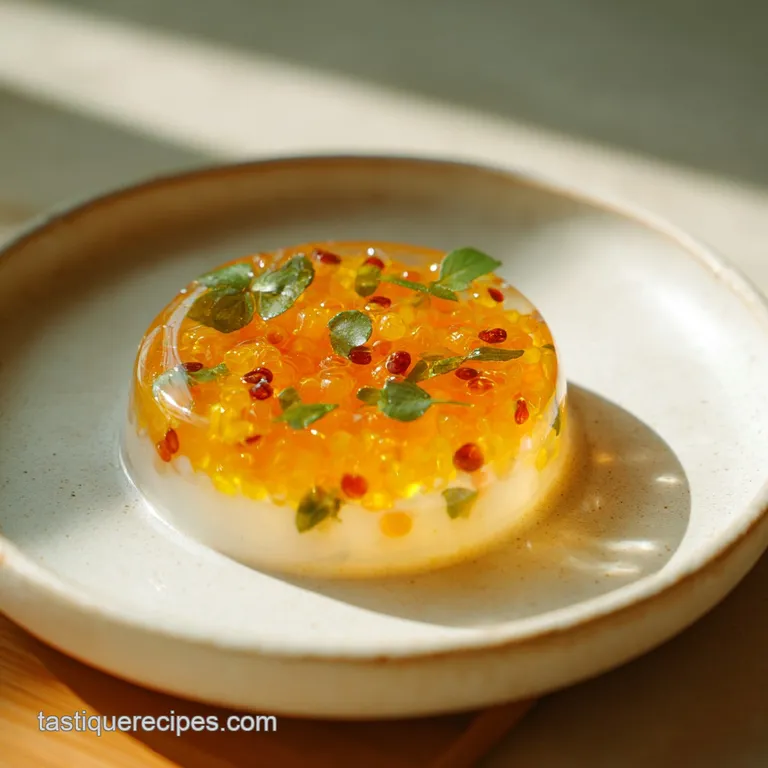
- Time: Active 10 minutes, Passive 10 minutes, Total 20 minutes
- Flavor/Texture Hook: Shimmering, honey floral, and firm
- Perfect for: Elegant dinner parties or refreshing summer snacks
- Mastering the Elegant Osmanthus Jelly Recipe
- Why This Floral Jelly Works
- Precise Specs for Success
- Ingredient Deep Dive Analysis
- Tools for Shimmering Clarity
- The Rhythmic Cooking Process
- Avoiding Common Kitchen Disasters
- Customizing Your Floral Dessert
- Proper Storage and Preservation
- Creative Serving and Pairing
- Osmanthus Jelly Recipe FAQs
- 📝 Recipe Card
Mastering the Elegant Osmanthus Jelly Recipe
The scent of dried osmanthus is something you never forget it hits you like a warm wave of ripe apricots mixed with wild honey the second the steam rises from the pot. I remember the first time I tried this at a tiny dim sum spot in Hong Kong.
The jelly was so shimmering and clear it looked like a piece of polished glass, with those tiny golden petals suspended right in the middle as if they were frozen in time.
Honestly, I used to struggle with getting that suspension right. My flowers would either clump at the top or sink like stones to the bottom, leaving the rest of the jelly looking like plain water. But after a few trials and some advice from a pastry chef friend, I realized it's all about the cooling rhythm.
Once you nail the "suspension phase," you'll be making this traditional treat every other weekend.
This isn't just a dessert; it's a cooling, floral experience that feels incredibly high end but actually takes less than 20 minutes of actual stove time. We're using agar agar here because it gives that specific "crunchy" snap that gelatin just can't replicate.
Plus, it won't melt the moment it hits the table on a warm afternoon. Trust me, once you see those golden petals glowing in the light, you’ll be hooked.
Why This Floral Jelly Works
- Agar Agar Polymerization: Unlike gelatin, agar agar creates a firm, thermo reversible lattice that sets at room temperature and provides a clean, "shatter" bite.
- Viscosity Control: Cooling the liquid to a specific syrupy consistency before pouring allows the petals to defy gravity and stay perfectly suspended.
- Cold Infusion Synergy: Steeping the osmanthus briefly rather than boiling it for long periods preserves the volatile aromatic oils that give the floral scent its apricot notes.
- Rock Sugar Clarity: The large crystals of rock sugar provide a neutral, crystalline sweetness that doesn't cloud the liquid, keeping the final result transparent.
| Method | Time | Texture | Best For |
|---|---|---|---|
| Standard Stovetop | 20 minutes | Firm, "crunchy" snap | Traditional presentation |
| Quick Chill | 15 minutes | Softer, more delicate | Immediate consumption |
| Layered Pour | 45 minutes | Complex, multi tier | High end dinner parties |
Choosing the right method depends on how much time you have for the cooling phases. If you're in a rush, the quick chill works, but for that restaurant quality look where flowers are evenly distributed, the layered pour or the standard stovetop with a controlled cool down is your best bet.
Precise Specs for Success
| Ingredient | Science Role | Pro Secret |
|---|---|---|
| Agar Agar (10g) | Gelling Agent | Always whisk into cold water first to prevent rubbery lumps. |
| Rock Sugar (130g) | Sweetener | Use yellow rock sugar for a deeper, more golden hue in the base. |
| Osmanthus (2 tbsp) | Aromatic | Sift the dried flowers to remove dust for a clearer jelly. |
Ingredient Deep Dive Analysis
- 2 tbsp dried osmanthus flowers: These provide the soul of the dish. Why this? Essential for the distinct apricot honey aroma and golden visual appeal.
- Substitute: Dried jasmine buds (adds a sharper floral note).
- 130g rock sugar: This keeps the jelly shimmering and clear. Why this? Provides a cleaner, less cloying sweetness than granulated white sugar.
- Substitute: Honey (add at the end to preserve enzymes, though it will cloud the jelly).
- 10g agar agar powder: The plant based thickener that gives the snap. Why this? Sets firmly at room temperature and doesn't melt like animal gelatin.
- Substitute: Gelatin powder (use 3x the weight, but texture will be softer).
- 1 liter filtered water: The canvas for the flowers. Why this? Filtered water prevents mineral cloudiness in the final set.
- Substitute: Lightly brewed Oolong tea for an earthy base.
- 6-8 pieces dried longan: Finely chopped for texture. Why this? Adds a chewy, smoky sweetness that pairs perfectly with the floral notes.
- Substitute: Dried dates (jujubes) for a more medicinal, earthy sweetness.
- 1 tbsp dried goji berries: For a pop of color. Why this? Adds a slight tartness and looks like rubies in the golden jelly.
- Substitute: Dried cranberries (chopped small).
Tools for Shimmering Clarity
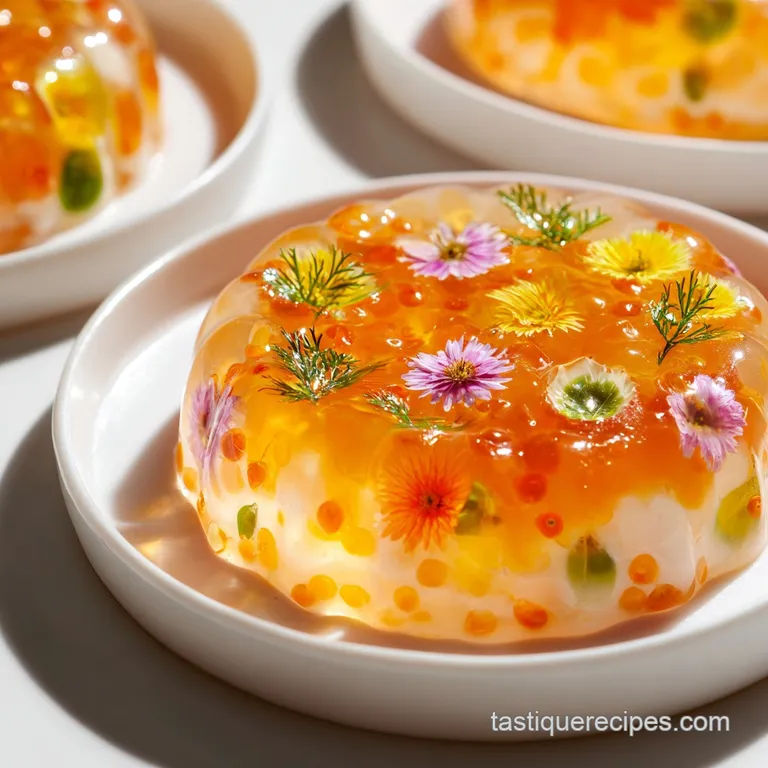
Right then, let's talk gear. You don't need much, but a fine mesh sieve is non negotiable if you want that professional look. I usually use a wide, shallow rectangular glass container so I can cut the jelly into uniform cubes.
If you're feeling fancy, individual silicone molds work brilliantly too just make sure they're clean, as any residue will show up in the clear jelly.
A small whisk is also your best friend here. Agar Agar is notorious for clumping if it hits hot water too fast, so whisking it into the room temperature water before you even turn on the heat is a trick I learned the hard way. For a great pairing, you might want to serve this alongside a Hojicha Latte Recipe to balance the sweetness with some roasted tea notes.
The Rhythmic Cooking Process
1. Extracting the Floral Essence
Place the 1 liter of filtered water and 130g of rock sugar in a pot. Bring to a boil over medium heat until the sugar crystals have completely dissolved and the water is bubbling. Turn off the heat and stir in 2 tbsp of dried osmanthus flowers.
Let them steep for 3 minutes; you'll smell a sudden burst of apricot honey aroma.
2. Activating the Agar Agar
Whisk the 10g of agar agar powder into a small amount of room temperature water first to make a slurry, then pour it into the hot tea. Turn the heat back to medium low and simmer for 2 minutes until the liquid is slightly thicker and looks shimmering.
Note: Agar Agar must reach a simmer to activate its gelling properties.
3. Adding the Texture
Stir in the 1 tbsp of dried goji berries and the 6-8 chopped dried longans. Let them sit in the hot liquid for 2 minutes until the goji berries look plump and bright red.
4. The "Suspension" Cooling Phase
This is the secret step. Remove the pot from the heat and let the mixture cool in the pot, stirring occasionally. Wait until the liquid starts to feel slightly syrupy and heavy on your spoon. Note: If you pour now, the flowers will stay exactly where you put them.
5. The Final Pour
Pour the mixture into your glass tray or molds. Use a toothpick to gently nudge the flowers and fruit so they are evenly distributed.
6. Removing Air Bubbles
If you see tiny bubbles on the surface, take a kitchen torch or a hot spoon and lightly touch them. They will shatter and disappear instantly, leaving a glass like surface.
7. Setting the Jelly
Leave the tray on the counter for 15 minutes, then move it to the fridge. Chill for at least 2 hours until the jelly is cold to the touch and firm.
8. Slicing and Serving
Run a thin knife around the edges of the container. Flip it onto a cutting board and slice into 12 even cubes. The jelly should feel bouncy and offer a clean resistance when sliced.
Avoiding Common Kitchen Disasters
Why the Flowers Sinking Occurs
If you pour the mixture while it's still piping hot, the liquid is too thin to support the weight of the petals. They will naturally drift to the bottom (which becomes the top when flipped). The solution is patience. Wait for the mixture to reach a "beaten egg white" consistency thick but still pourable.
Why Your Jelly Leaks Water
This is called syneresis. It usually happens if the agar agar wasn't boiled long enough to fully hydrate, or if you used too much sugar. Make sure you hit that 2 minute simmer mark once the agar is added. Also, avoid freezing the jelly, as the ice crystals will break the agar structure and cause it to weep.
| Problem | Root Cause | Solution |
|---|---|---|
| Lumpy texture | Agar added to boiling water | Dissolve agar in room temp water first. |
| Cloudy base | Impurities in sugar | Use high-quality rock sugar and filtered water. |
| Faint flavor | Over boiling flowers | Steep flowers after turning off the heat. |
Actually, if you love this kind of delicate Asian sweetness, you might also enjoy making a Castella Cake Recipe which has a similar honey forward profile. It’s a great way to use up any extra rock sugar if you grind it down!
Common Mistakes Checklist
- ✓ Never skip the pre dissolving step for agar agar powder.
- ✓ Don't boil the osmanthus flowers for more than 5 minutes or they will turn bitter.
- ✓ Ensure the rock sugar is 100% dissolved before adding the gelling agent.
- ✓ Avoid moving the tray while it’s in the early setting phase to prevent ripples.
- ✓ Pat the dried longan dry if they are very sticky before chopping.
Customizing Your Floral Dessert
- For a Tea Based Version: Replace half the water with a light green tea or Oolong. This adds a sophisticated tannins to sugar balance that adults often prefer.
- For the "Lava" Effect: Add a spoonful of prepared honey osmanthus jam to the center of each mold before pouring the jelly. It creates a gooey, intense center.
- If you want a softer bite, use more water: Increase the water to 1.2 liters while keeping the agar at 10g for a more delicate, melt in-mouth feel.
- If you want a "Crystal" look, use yellow sugar: Yellow rock sugar gives a deeper amber hue, while white rock sugar keeps it like clear diamond.
Chef's Tip: Freeze your goji berries for 10 minutes before adding them to the hot liquid. This helps them retain their bright red color and prevents them from bleeding juice into the clear jelly base.
Proper Storage and Preservation
Storage: Keep your osmanthus jelly in an airtight container in the fridge for up to 5 days. Agar Agar is very stable, but the flowers will slowly lose their vibrant scent after day three. Do not freeze this jelly!
The structure of agar agar will break down, and you'll end up with a watery mess once it thaws.
Zero Waste: If you have leftover dried osmanthus, don't let it sit in the pantry. You can infuse it into a simple syrup for cocktails or sprinkle the petals over a bowl of hot oatmeal. The spent longan skins (if you bought whole ones) are also great for simmering in a ginger tea to help with digestion.
Creative Serving and Pairing
When it's time to serve, I love putting these cubes on a dark ceramic plate to make the golden petals pop. If you've made the jelly in a large tray, cutting them into diamond shapes instead of squares instantly makes them look more professional.
I often serve these with a little extra drizzle of honey on top if I'm feeling indulgent.
The clean, floral notes of this osmanthus jelly recipe pair beautifully with creamy desserts too. Try serving a cube alongside a slice of Loaf Pan Basque recipe — the floral lightness cuts right through the rich cream cheese. It’s a combination that sounds strange until you try it, then you’ll realize the acidity and floral aroma are exactly what a heavy cheesecake needs. Trust me, your friends will think you've spent hours in a professional pastry kitchen!
Osmanthus Jelly Recipe FAQs
How do you make osmanthus flower jelly?
Dissolve rock sugar in water, then steep the dried osmanthus flowers off the heat for 3 minutes. Whisk agar agar powder into the liquid after briefly simmering the mixture to activate the gelling agent, then cool slightly before pouring to ensure the petals remain suspended evenly.
What is osmanthus jelly good for?
Yes, it is excellent as a light, cooling dessert. Its refreshing floral profile and firm, clean texture make it a perfect palate cleanser after rich meals or a sophisticated treat during warm weather.
What flavors go well with osmanthus?
Apricot, honey, white tea, and citrus zest pair beautifully. The natural flavor profile already suggests stone fruit and sweetness; enhancing this with complementary herbal notes, like in a light Oolong, deepens the complexity.
What is the Chinese myth about osmanthus?
False, there isn't one dominant, widely known myth, but it is associated with nobility and summer. The flower is often poetically linked to romance and the Moon Palace in Chinese literature, representing an eternal, sweet fragrance.
Can I use gelatin instead of agar agar for this jelly?
No, I strongly recommend sticking to agar agar for authentic texture. Gelatin creates a soft, tremulous jiggle, whereas agar agar gives the characteristic firm, clean "snap" that defines traditional Chinese floral jellies.
How do I prevent the osmanthus petals from sinking to the bottom?
Allow the liquid to cool to a syrupy consistency before pouring into molds. If you pour too hot, the liquid is too thin to support the light petals; achieving that viscous feel prevents gravity from pulling them down.
If I want a savory variation, what should I use instead of rock sugar?
Substitute the sugar with mild dashi stock and a touch of light soy sauce. This creates a savory jelly base; if you master controlling the final viscosity here, you can apply the exact same setting principle to making savory aspics, similar to the technique used in our Savory Oatmeal with recipe.
Osmanthus Jelly Recipe Agar
Ingredients:
Instructions:
Nutrition Facts:
| Calories | 53 kcal |
|---|---|
| Protein | 0.2 g |
| Fat | 0.1 g |
| Carbs | 13.4 g |
| Fiber | 0.8 g |
| Sugar | 11.2 g |
| Sodium | 6 mg |
