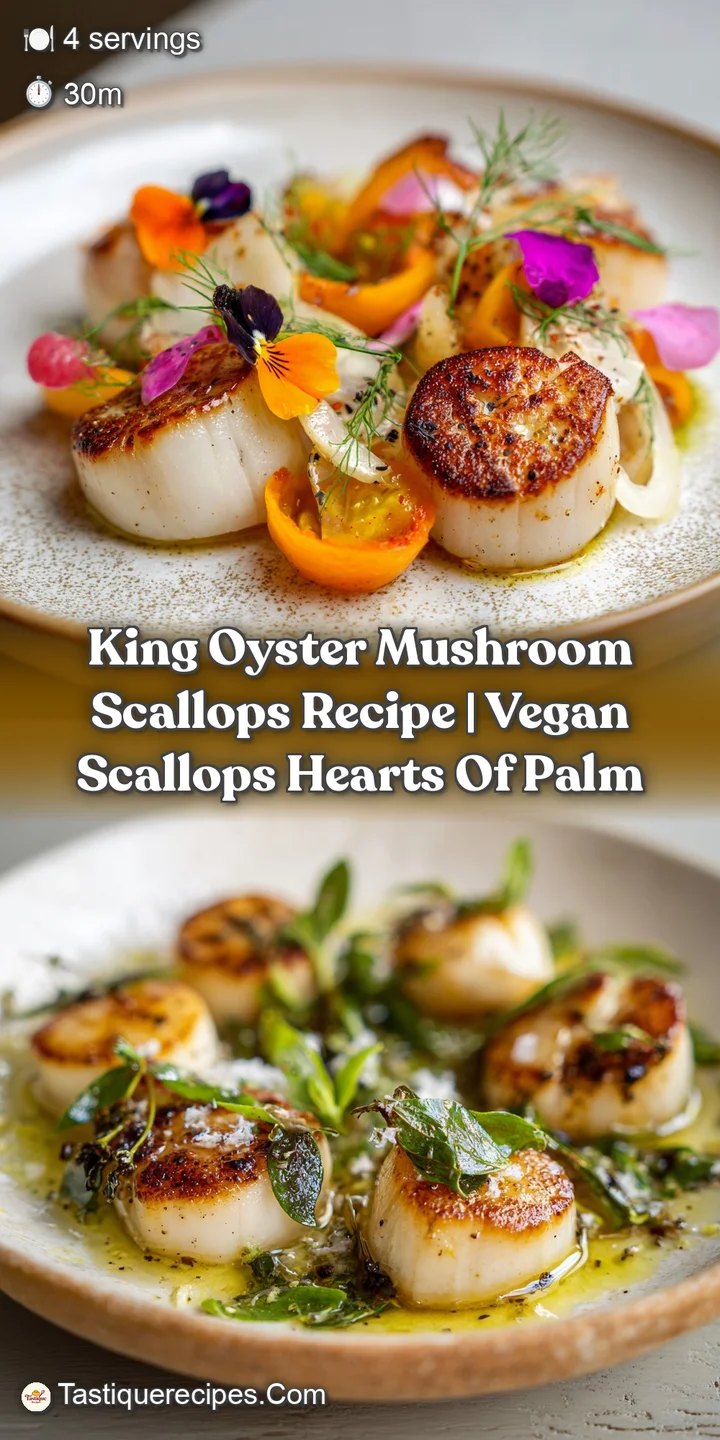
King Oyster Mushroom Scallops Recipe
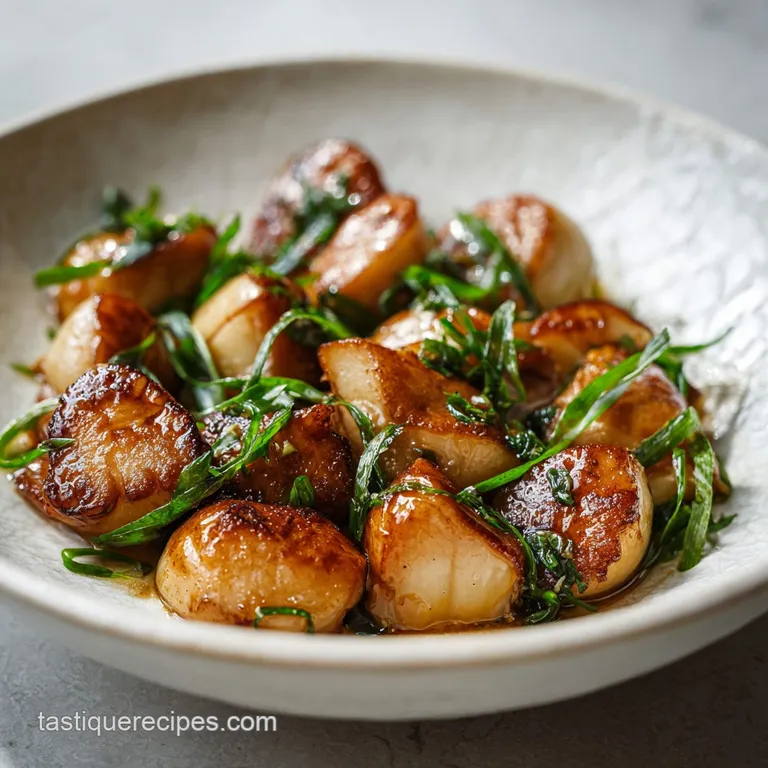
- Time: Active 15 minutes, Passive 15 minutes, Total 30 minutes
- Flavor/Texture Hook: Silky, melt in-the mouth centers with a shatter crisp golden crust.
- Perfect for: Impressive date nights or a sophisticated appetizer that feels like a luxury restaurant order.
- Master the Ultimate Mushroom Scallops Recipe
- Key Techniques for Great Texture
- Essential Specs for Every Batch
- Deep Dive into Ingredient Roles
- Required Equipment for Best Results
- Detailed Steps for Golden Scallops
- Avoiding Disasters and Fixing Errors
- Delicious Variations for More Variety
- Scaling and Yield Adjustments
- Myths About Cooking Mushrooms
- Storage and Reheating Guidelines
- Serving Suggestions and Side Pairings
- Recipe FAQs
- 📝 Recipe Card
Master the Ultimate Mushroom Scallops Recipe
I still remember the first time I pulled this off. I was hosting a dinner for a friend who is a massive seafood fanatic but had recently discovered a shellfish allergy. The pressure was on.
When I set the plate down, the aroma of browned butter and garlic filled the room, and as she bit into the first "scallop," the room went silent. She actually looked at me and asked if I’d found a "safe" fish market. The secret isn't just the mushroom; it’s the way you treat it.
That sizzle when the mushroom hits the hot oil is one of my favorite sounds in the kitchen. It’s a promise of the texture to come. You aren't just frying a vegetable; you’re performing a bit of kitchen alchemy.
We’re using a combination of a briny soak and a over high heat sear to mimic that iconic sea salt sweetness. Honestly, don't even bother with regular button mushrooms here the King Oyster is the only way to go.
This recipe is about more than just a substitution; it’s about a culinary experience. Whether you’re looking for a stunning appetizer or a main event, this dish delivers on every sensory level.
We’ll talk about how to get that velvety interior without it becoming rubbery, and I’ll share the mistakes I made so you don't have to. Right then, let’s crack on.
Key Techniques for Great Texture
Mycological Osmosis: The saltwater and nori brine draws out excess moisture while infusing the mushroom’s porous structure with oceanic minerals. This creates the dense, tender bite characteristic of high end seafood.
Maillard Maximization: Scoring the top and bottom of the mushroom increases surface area. This allows the heat to create more caramelization, resulting in a savory, golden brown crust that shatters under the fork.
Conductive Compression: Pressing the mushrooms down during the initial sear ensures even contact with the pan. This prevents the centers from steaming and guarantees a uniform, buttery finish.
| Thickness | Internal Temp | Rest Time | Visual Cue |
|---|---|---|---|
| 1 inch | 145°F | 2 minutes | Opaque center, golden edges |
| 1.5 inches | 150°F | 3 minutes | Deep amber crust, tender core |
| 0.5 inches | 140°F | 1 minute | Flash seared, slightly translucent |
Selecting the right thickness is the most important part of your prep work. If they are too thin, they lose that luxurious "bite" and become more like a mushroom chip. If they are too thick, the center won't heat through before the outside burns. Aim for that sweet spot of about an inch to an inch and a quarter.
Essential Specs for Every Batch
The physics of this dish relies on a dry heat environment. When the mushrooms hit the pan, you want to hear a clear, consistent sizzle. If it sounds like a quiet gurgle, your pan isn't hot enough, and you'll end up with steamed, rubbery discs.
I’ve found that a cast iron skillet provides the best heat retention for this specific task.
| Component | Science Role | Pro Secret |
|---|---|---|
| King Oyster Stem | Dense Starch Structure | Use only the white stems for visual authenticity. |
| Nori Sheet | Maritime Umami | Toast the nori slightly before brining to release oils. |
| Vegan Butter | Fat Emulsification | Add it only in the last 2 minutes to prevent burning. |
While we're talking about ingredients, if you're a fan of rich, earthy flavors, you might also enjoy the depth of a Vegan Mushroom Stroganoff recipe. It uses similar mushroom types but focuses on a creamy, tangy sauce profile that pairs wonderfully with these techniques.
Deep Dive into Ingredient Roles
- 4 large King Oyster Mushrooms: These are the stars of the show. Why this? Their stems are incredibly dense and mimic the texture of sea scallops perfectly.
- 1 sheet Nori (torn): Provides the "sea" in the recipe. Why this? It adds that essential oceanic salinity without needing actual seafood products.
- 2 tbsp Reduced Sodium Soy Sauce: Adds depth and color. Why this? It provides umami and helps the exterior brown more effectively.
- 2 tbsp Vegan Butter: Use a high-quality brand like Miyoko's. Why this? It carries the garlic and lemon flavors across the palate.
- 1 tbsp Fresh Lemon Juice: Brightness is key. Why this? The acid cuts through the richness of the butter and mushroom fats.
- 3 cloves Garlic (minced): Fragrance and bite. Why this? Garlic and "scallops" are a match made in heaven.
| Original Ingredient | Substitute | Why It Works |
|---|---|---|
| King Oyster Mushroom | Large Trumpet Mushroom | Same species, identical texture and density. |
| Nori Sheet | Kelp Powder (1 tsp) | Concentrated sea flavor. Note: Very strong, use sparingly. |
| Vegan Butter | Refined Coconut Oil | High smoke point. Note: Adds a very subtle nutty sweetness. |
Choosing fresh mushrooms is non negotiable. Look for stems that are firm to the touch, not spongy. If they feel soft, they’ve already begun to break down and won't hold that beautiful "scallop" shape in the pan. Trust me, I’ve tried to save old mushrooms this way, and they just turned into a soggy mess.
Required Equipment for Best Results
You really don't need a kitchen full of gadgets for this, but a few specific tools make a world of difference. A heavy bottomed skillet is your best friend here. Stainless steel works well, but cast iron is the gold standard for that deep, even sear.
You want something that won't drop in temperature the moment the cold mushrooms touch the surface.
A sharp chef's knife is also vital for the scoring. You want to create a crosshatch pattern that is deep enough to catch the butter but not so deep that the mushroom falls apart. It’s a bit of a balancing act, but once you get the rhythm, it's actually quite satisfying.
I also highly recommend a pair of kitchen tongs for precise flipping.
| Premium | Budget | Flavor Impact | Savings |
|---|---|---|---|
| Fresh King Oysters | Dried/Rehydrated | Fresh is much firmer and more realistic | Save $3-5 |
| Artisanal Vegan Butter | Standard Margarine | Artisanal has better "brown butter" notes | Save $2 |
| Maldon Sea Salt | Table Salt | Maldon adds a beautiful crunch and finish | Save $1 |
Before we move into the steps, let's talk about moisture. One of the biggest mistakes I see is people being too impatient. After the brine, you MUST pat those mushrooms dry. Water is the enemy of the sear. If they are wet, they will steam. If they are dry, they will sizzle. It's that simple.
Detailed Steps for Golden Scallops
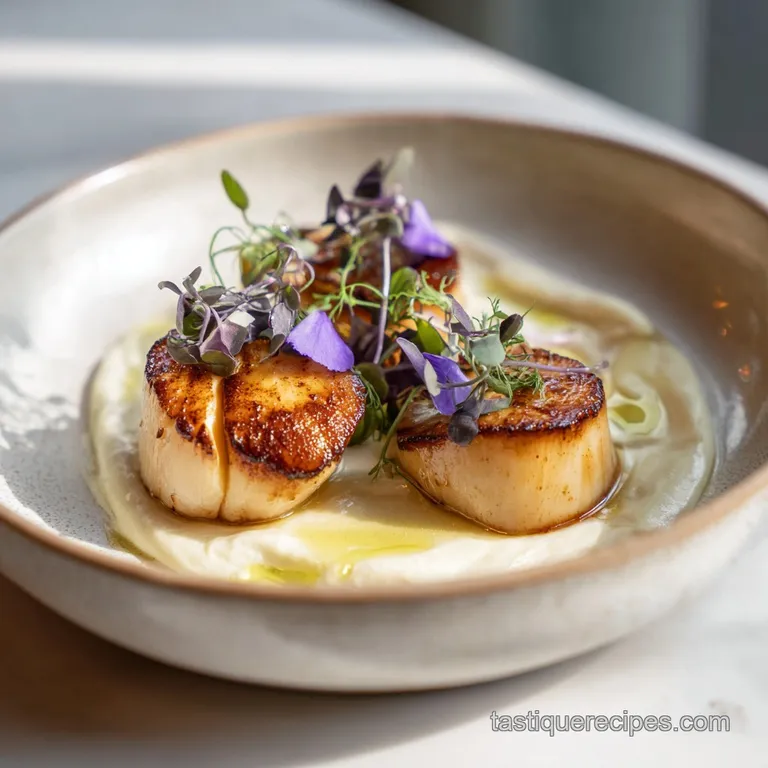
1. Preparation and Anatomy
Clean the 4 large King Oyster Mushrooms with a damp cloth. Slice the stems into 1 inch thick rounds. Note: Discard the caps or save them for a stir fry later; we only want the stems for this.
2. The Score
Using a sharp knife, score a crosshatch pattern into the top and bottom of each round. until you see shallow diamonds. Note: Only go about 1/8th of an inch deep.
3. The Umami Infusion
In a medium bowl, combine 1 cup Warm Water, 1 sheet Nori (torn), 2 tbsp Reduced Sodium Soy Sauce, and 1 tsp Sea Salt. Submerge the mushroom rounds. Note: Let them soak for 15 minutes to absorb the flavors.
4. Drying Phase
Remove the mushrooms from the brine and pat them completely dry with paper towels. until the surface feels tacky, not wet.
5. The First Sear
Heat 1 tbsp Extra Virgin Olive Oil in a skillet over medium high heat. Add the mushrooms in a single layer. until the bottom is deeply golden and crispy (about 3-5 minutes).
6. The Flip
Flip each mushroom carefully with tongs. Press down slightly with a spatula to ensure full contact. Note: You should hear a vigorous sizzle immediately upon flipping.
7. The Butter Baste
Reduce heat to medium and add 2 tbsp Vegan Butter and 3 cloves Garlic (minced) to the pan. until the butter is frothy and the garlic smells toasted.
8. Finishing Touches
Spoon the melted garlic butter over the mushrooms repeatedly for 2 minutes. Stir in 1 tbsp Fresh Lemon Juice and 1 tsp Lemon Zest. until the aroma is bright and citrusy.
9. Final Garnish
Remove from heat and sprinkle with 2 tbsp Fresh Parsley (chopped) and 0.5 tsp Cracked Black Pepper. until the parsley is just wilted. Serve immediately.
Avoiding Disasters and Fixing Errors
Fixing Rubbery Mushroom Textures
If your mushrooms feel like chewing on a rubber band, the culprit is usually undercooking or a lack of heat. Mushrooms are full of chitin, which needs heat to soften. If the pan isn't hot enough, the fibers don't relax, and the water stays trapped inside.
The solution is to ensure your pan is preheated for at least 3 minutes before adding the oil.
Fixing a Lacking Ocean Flavor
Sometimes the "sea" flavor doesn't quite punch through. This usually happens if the brine wasn't concentrated enough or the mushrooms didn't soak long enough. If you taste your first batch and it’s a bit bland, don't worry.
You can add a tiny pinch of kelp powder or extra crushed nori directly into the butter during the basting phase. It’s an instant fix that saves the dish.
| Problem | Root Cause | Solution |
|---|---|---|
| Mushrooms are soggy | Excess moisture from brine | Pat dry longer; increase pan heat. |
| Bitter garlic flavor | Garlic added too early | Add garlic only with the butter at the end. |
| No golden crust | Crowded the pan | Cook in batches to allow steam to escape. |
Common Mistakes Checklist
- ✓ Pat mushrooms completely dry before searing (this is non negotiable for a crust).
- ✓ Use a heavy bottomed pan like cast iron to maintain high heat.
- ✓ Don't overcrowd the pan; leave at least half an inch between each round.
- ✓ Score the mushrooms; it’s not just for looks, it helps with heat penetration.
- ✓ Add the butter and aromatics at the end to prevent the milk solids from burning.
Delicious Variations for More Variety
Creating a Hearty Scallop Pasta
If you want to turn this into a full meal, try a mushroom scallop pasta recipe. Boil some linguine and toss it in a sauce made of reserved mushroom brine, more garlic, and a splash of white wine. Top it with your seared scallops and a heavy dusting of vegan parmesan.
It’s a total game changer for a weeknight dinner that feels like a five star meal.
Using a Baked Mushroom Scallops Recipe
For a lower fat version, you can try a baked mushroom scallops recipe. Toss the brined and dried rounds in a tiny bit of oil and bake at 400°F (200°C) for about 20 minutes, flipping halfway through.
You won't get that same intense pan sear crust, but the texture becomes incredibly tender and velvety. It's a great hands off method if you're cooking for a crowd.
- Spicy Kick: Add a pinch of red pepper flakes to the garlic butter.
- Miso Glaze: Brush a mixture of white miso and maple syrup on the mushrooms in the last minute of cooking.
- Asian Twist: Swap parsley for cilantro and lemon for lime, then serve over a bed of Spicy Enoki Mushrooms for a texturally interesting appetizer.
Scaling and Yield Adjustments
If you are cooking for a larger group, say 8 to 12 people, don't just double the ingredients in one pan. Mushrooms release a lot of air and moisture as they cook. If you crowd the pan, the temperature will drop, and you'll end up poaching them in their own juices.
Work in batches, keeping the finished scallops warm in a low oven (about 200°F).
For smaller portions, like a solo lunch, you can easily use just one or two mushrooms. Reduce the brine ingredients by half, but keep the soaking time the same. When scaling down, remember that a smaller pan will heat up much faster, so keep a close eye on your garlic it can go from golden to burnt in a heartbeat.
| Servings | Mushroom Count | Pan Size | Cook Time |
|---|---|---|---|
| 2 people | 2 large | 8 inch skillet | 12 minutes |
| 4 people | 4 large | 12 inch skillet | 15 minutes |
| 8 people | 8 large | Two 12 inch pans | 20 minutes |
Chef's Tip: If you're doubling the recipe, you don't need to double the salt in the brine. 1.5x the salt is usually plenty to achieve the same flavor without it becoming overbearing.
Myths About Cooking Mushrooms
One of the most persistent myths is that you should never wash mushrooms with water because they act like sponges. While they do absorb some moisture, a quick rinse or a wipe with a damp cloth is perfectly fine. The real moisture issue comes from the brine, which we manage by patting them dry.
The brine is actually a controlled absorption that adds flavor, unlike plain tap water.
Another myth is that searing "seals in the juices." Science tells us that searing actually causes moisture loss due to the high heat. However, the reason we do it is for the Maillard reaction that complex chemical process that creates the savory, "meaty" flavors and the crispy crust we love.
We want that moisture loss on the surface to create the texture contrast.
Finally, some people think you can't get a "fishy" flavor without actual fish. This is simply untrue. The flavor we associate with the ocean often comes from the minerals and algae found in the water. By using nori (seaweed), we are going straight to the source of that flavor profile.
Storage and Reheating Guidelines
These are definitely best served fresh out of the pan while the crust is at its peak. However, if you have leftovers, they will keep in the fridge for about 3 days. Store them in an airtight container to keep them from absorbing other fridge smells. For zero waste, if you have the leftover brine, don't throw it out!
It makes a fantastic base for a savory noodle soup or can be used to deglaze a pan for a different vegetable dish.
To reheat, avoid the microwave at all costs. It will turn your beautiful scallops into rubbery pucks. Instead, heat a small skillet with a tiny bit of butter or oil and flash sear them for about 1 minute on each side. This will help revive the crust without overcooking the center. You can also chop up leftovers and toss them into a Mushroom Walnut Bolognese recipe for an extra layer of texture.
Serving Suggestions and Side Pairings
For a classic presentation, serve these over a silky pea purée or a bed of creamy cauliflower mash. The vibrant green of the peas makes the golden mushrooms pop, and the sweetness of the vegetables complements the briny umami of the mushrooms.
If you’re feeling extra fancy, a drizzle of herb infused oil around the plate adds that professional restaurant touch.
If you’re serving this as a main course, it pairs beautifully with a crisp, dry white wine or a sparkling cider. The acidity in the drink helps cleanse the palate between those rich, buttery bites.
For a more casual setting, these are fantastic alongside some roasted asparagus or a simple arugula salad with a lemon vinaigrette.
- Grain Bowls: Place them on top of quinoa or farro with roasted radishes.
- Tacos: Thinly slice the seared scallops and serve in warm tortillas with a lime slaw.
- Risotto: Fold them into a lemon parmesan risotto just before serving for a luxurious texture.
- Appetizer: Serve them individually on spoons with a dollop of vegan hollandaise sauce for a party ready treat.
Recipe FAQs
What is the most popular way to cook scallops?
Searing. The most popular method involves searing them in a very hot pan with fat to achieve a deep golden brown crust while keeping the center tender.
What is the best oil to cook mushroom scallops in?
A neutral oil with a high smoke point, initially. Use olive oil or a neutral high heat oil like avocado oil for the first sear to prevent scorching, then finish by basting with vegan butter for flavor.
What does Gordon Ramsay serve with scallops?
Typically pureed root vegetables or rich sauces. Ramsay often pairs scallops with creamy textures like cauliflower purée, bacon lardons, or brown butter sauces to contrast the sear.
Is it better to sear or bake scallops?
Sear for texture, bake for convenience. Searing provides the crucial Maillard reaction crust that defines a good scallop, whereas baking yields a more uniformly cooked, tender result without the signature crisp exterior.
How do I ensure mushroom scallops get a perfect crust instead of steaming?
Ensure the mushrooms are bone dry after brining and the pan is screaming hot. If the water content is too high or the pan temperature drops, they will steam; this texture mastery is similar to achieving the crust on our Sourdough Scallion Pancakes recipe.
Can I substitute King Oyster mushrooms with a different type?
No, stick to King Oyster or similar dense stem varieties for this recipe. Button or cremini mushrooms are too spongy and will not hold the shape or achieve the dense, oceanic texture we are mimicking.
Should I brine the mushrooms overnight for deeper flavor?
Yes, up to 24 hours is ideal for deep flavor infusion. The brine penetrates the dense fibers, ensuring the "sea" flavor is present throughout the mushroom, which is a critical step for simulating the authentic taste profile.
Mushroom Scallops Recipe
Ingredients:
Instructions:
Nutrition Facts:
| Calories | 108 kcal |
|---|---|
| Protein | 3.6 g |
| Fat | 8.4 g |
| Carbs | 7.1 g |
| Fiber | 2.4 g |
| Sugar | 1.1 g |
| Sodium | 425 mg |
