Homemade Lasagna Roll Ups
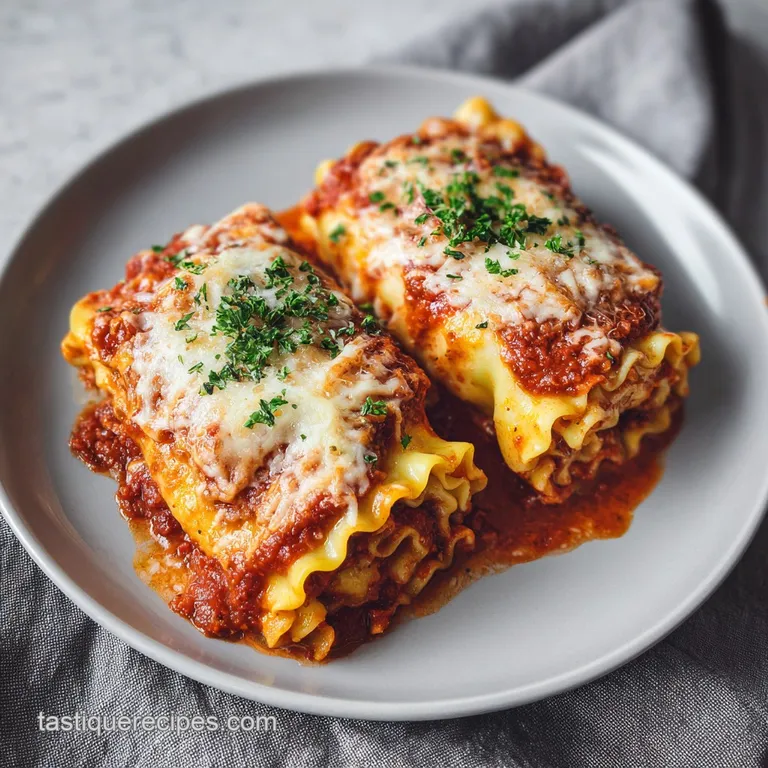
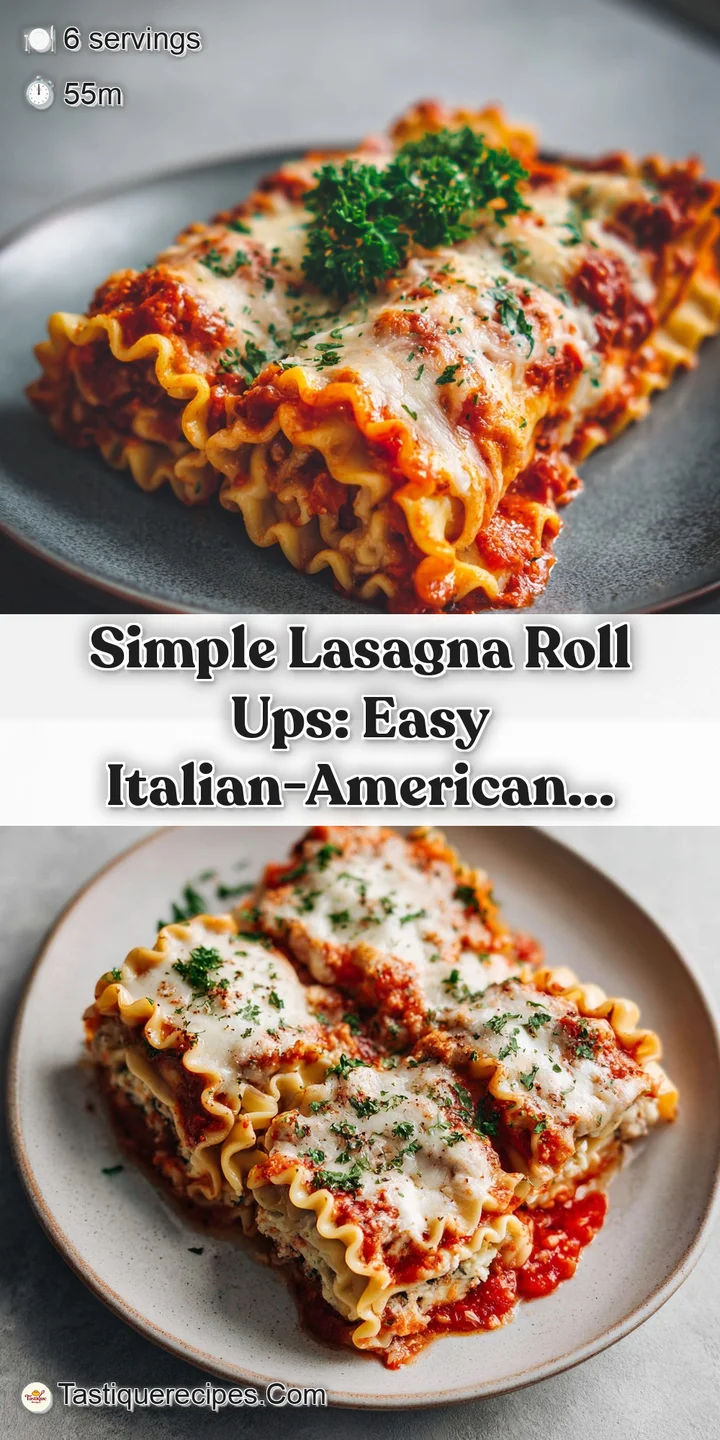
- Time: Active 20 minutes, Passive 35 minutes, Total 55 minutes
- Flavor/Texture Hook: Silky ricotta layers wrapped in al dente pasta with a bubbly, charred cheese topping
- Perfect for: Stress free weeknight dinners or impressive meal prep portions
- Master the Ultimate Cheesy Lasagna Roll Ups
- Understanding the Math Behind the Perfect Batch
- Selecting Components for Maximum Flavor Layering
- Essential Tools for Stress Free Pasta Rolling
- Achieving the Perfect Fold and Bake Every Time
- Avoiding Common Disasters and Soggy Pasta Results
- Customizing Your Pan with Saucy Ingredient Swaps
- Keeping Leftovers Fresh for Easy Future Dinners
- The Best Sides for a Full Italian Feast
- Kitchen Wisdom and Myths
- Very High in Sodium
- Recipe FAQs
- 📝 Recipe Card
Master the Ultimate Cheesy Lasagna Roll Ups
Picture this: it is 6:00 PM on a Tuesday, and you are craving that deep, soul soothing hit of baked pasta, but the thought of layering a massive tray of lasagna makes you want to order takeout instead. I have been there more times than I can count.
Last winter, I tried to make a traditional lasagna for just two people, and it ended up a structural disaster. The middle was cold, the edges were dry, and when I tried to cut a square, it just slumped into a sad, beige puddle on the plate.
That was the night I officially switched to the roll up method, and I have never looked back.
The aroma that fills your kitchen when these hit the oven is nothing short of transformative. You get that sharp, savory scent of toasted garlic powder mingling with the sweet, acidic notes of bubbling tomato sauce. It is a sensory bridge between a slow cooked Sunday sauce and a quick modern meal.
These little bundles of joy solve the "soggy middle" problem once and for all because every single bite has the perfect ratio of chewy pasta, velvety cheese, and bright marinara.
What I love most about this specific version is how it handles the "flavor layers." We aren't just throwing cheese into a bowl; we are building a foundation of seasoning that holds up against the heavy pasta.
By the time you pull these out of the oven, the mozzarella on top has developed those beautiful leopard spots of brown, charred goodness that provide a salty snap before you hit the creamy interior. Trust me, once you see how easily these plate up, you will be done with traditional layering forever.
Protein Denaturation: The egg in the filling acts as a thermal binder, coagulating during the bake to turn the loose ricotta into a stable, sliceable custard.
Understanding the Math Behind the Perfect Batch
When we talk about getting restaurant quality results at home, the numbers matter just as much as the ingredients. I used to eyeball the pasta water salt or the baking time, but that is how you end up with noodles that fall apart or a middle that stays lukewarm.
The timing here is calibrated to ensure the pasta finishes cooking in the sauce, absorbing those juices without losing its structural integrity.
| Feature | Lasagna Roll Ups (Fast) | Traditional Lasagna (Classic) |
|---|---|---|
| Prep Time | 20 minutes | 45-60 minutes |
| Cooking Logic | Individual portion control | Large scale heat distribution |
| Texture Profile | Crispy edges on every roll | Soft, integrated layers |
This approach is particularly helpful if you are cooking for a specific crowd. Unlike a large pan where you are committed to one flavor profile, you can actually customize individual rolls if you have a picky eater in the house.
But for the standard batch, sticking to these specs ensures every roll is a carbon copy of the last one.
| Servings | Ingredient Adjustment | Pan Size | Cook Time |
|---|---|---|---|
| 2 People | 4 noodles, 5 oz ricotta | 8x8 square | 25 minutes |
| 6 People | 12 noodles, 15 oz ricotta | 9x13 rectangle | 35 minutes |
| 12 People | 24 noodles, 30 oz ricotta | Two 9x13 pans | 40 minutes |
Using the right pan size is a bigger deal than most people realize. If the rolls are too cramped, they steam instead of bake, and you lose that "shatter" on the cheese topping. If they are too far apart, the sauce evaporates too quickly and leaves you with a dry dish. The 9x13 pan for 12 rolls is the "Goldilocks" zone.
Selecting Components for Maximum Flavor Layering
The secret to a dish that tastes like it took hours is all in the component analysis. We are using whole milk ricotta because low-fat versions often have stabilizers that turn grainy when heated. You want that silky, almost buttery mouthfeel that only full fat provides.
If you want to take the flavor even further, using a high-quality marinara makes a world of difference. I usually look for one that lists San Marzano tomatoes as the first ingredient.
| Ingredient | Science Role | Pro Secret |
|---|---|---|
| Ricotta Cheese | Moisture Reservoir | Drain for 10 mins to prevent a watery sauce base |
| Large Egg | Structural Emulsifier | Whisk until no streaks remain to avoid "scrambled" bits |
| Parmesan Cheese | Umami Accelerator | Use microplane grating for instant melting and integration |
| Dried Garlic Powder | Flavor Consistency | Distributes more evenly than fresh in a cold cheese mix |
For the bread component on the side, you want something that can handle the sauce. While many people go for a baguette, the pillowy texture of my Japanese Milk Bread recipe is a total showstopper for soaking up every drop of marinara.
For the Pasta Base
The noodles are the skeleton of the dish. You need 12 lasagna noodles, roughly 400g. I always boil an extra two just in case one rips during the rolling process. Make sure your water is as salty as the sea (1 tbsp salt) to season the pasta from the inside out.
For the Creamy Filling
This is where the magic happens. You’ll need 15 oz of whole milk ricotta, 1 large egg, 0.5 cup of freshly grated Parmesan, and 1.5 cups of shredded mozzarella (we’ll save some for the top).
Don't forget the 1 tbsp of fresh parsley, 0.5 tsp garlic powder, and a quarter teaspoon each of sea salt and cracked black pepper.
For the Sauce Topping
Keep it simple but high-quality with 24 oz of marinara sauce. To finish, we add another 0.5 cup of mozzarella. This extra layer creates that iconic golden crust that everyone fights over at the dinner table.
Essential Tools for Stress Free Pasta Rolling
You don't need a professional kitchen, but a few specific items make the "assembly line" phase much faster. A large rimmed baking sheet is my favorite trick for laying out the cooked noodles. If you lay them on paper towels, they stick and tear. If you lay them on a flat, slightly oiled tray, they behave perfectly.
- 9x13 Baking Dish: Glass or ceramic works best for even heat retention.
- Spider Strainer: Much safer for removing delicate noodles than dumping the whole pot into a colander.
- Small Offset Spatula: This is the best tool for spreading the cheese mixture thin and even.
- Aluminum Foil: Essential for the first half of the bake to trap steam and finish the pasta.
Chef Tip: Freeze your block of mozzarella for 10 minutes before grating. It makes the cheese firmer and prevents it from clumping into a ball, giving you those perfect, individual shreds that melt evenly.
Achieving the Perfect Fold and Bake Every Time
The biggest mistake people make with Lasagna Roll Ups is overcooking the noodles in the pot. They should feel a bit too firm to eat almost rubbery. They will soften up significantly as they sit in the hot marinara during the 35 minute bake time.
- Boil the pasta. Cook 12 noodles in salted water 2 minutes less than the box directions. Note: This prevents them from becoming mushy later.
- Drain and prep. Lay noodles flat on a greased baking sheet until they are cool enough to handle.
- Mix the filling. Combine ricotta, egg, Parmesan, 1.5 cups mozzarella, parsley, and spices in a bowl.
- Sauce the base. Spread 1 cup of marinara over the bottom of your 9x13 dish until the glass is fully coated.
- Apply the cheese. Spread about 3 tablespoons of the mixture along the length of each noodle.
- Execute the roll. Start from one end and roll tightly but gently until you reach the other side.
- Place the rolls. Put each roll into the pan seam side down so they don't unravel during the bake.
- Final topping. Pour the remaining sauce over the center of the rolls and sprinkle with the final 0.5 cup of mozzarella.
- Cover and bake. Bake at 350°F (180°C) for 20 minutes covered with foil.
- Finish uncovered. Remove foil and bake for another 15 minutes until the cheese is bubbling and golden brown.
One thing I've learned is to never skip the "resting" period. If you cut into these the second they come out of the oven, the cheese will flow out like lava. Give them 5 to 10 minutes to set.
The cheese will firm up slightly, and the pasta will grip the filling, giving you a beautiful, clean cross section when you serve.
Avoiding Common Disasters and Soggy Pasta Results
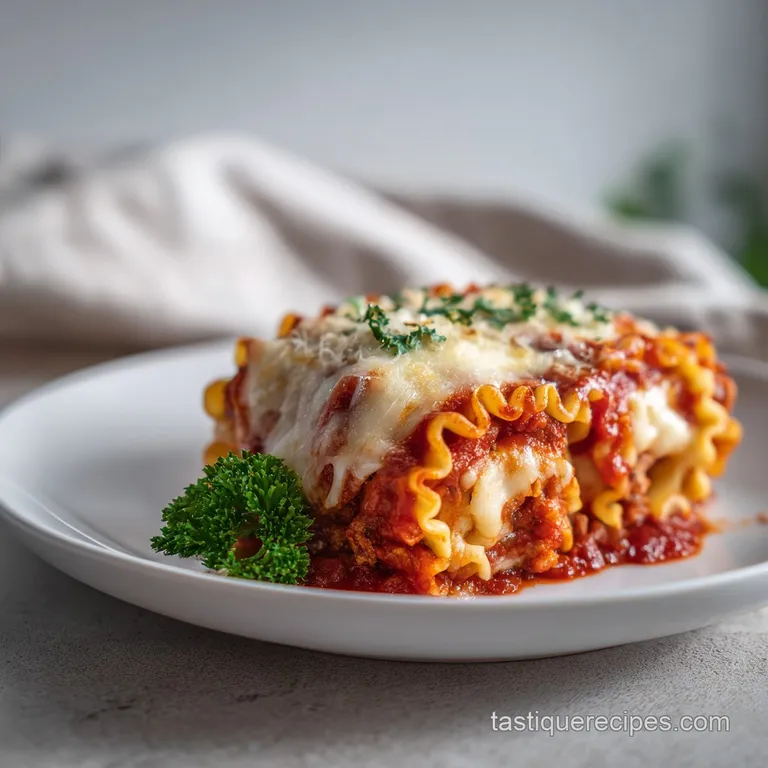
We have all had that experience where a baked pasta dish turns into a watery mess at the bottom of the pan. Usually, this is because of the ricotta. Ricotta is packed with whey, which releases as it heats up.
If you are using a brand that looks particularly wet, place it in a fine mesh strainer over a bowl for 15 minutes before mixing. It is a small step that saves the entire texture of the dish.
The Sticky Noodle Syndrome
If your noodles are sticking together before you can roll them, you likely didn't use enough water in the pot or you let them sit in a pile. To fix this, simply dip the stuck noodles back into warm water for 10 seconds. They will slide apart without tearing.
The Watery Dish Disaster
If you see liquid pooling at the bottom of the pan, your sauce might have been too thin or the cheese released too much moisture. Next time, try adding a tablespoon of breadcrumbs to your cheese mixture; they act as tiny sponges that soak up excess liquid without changing the flavor.
| Problem | Root Cause | Solution |
|---|---|---|
| Filling leaks out | Roll was too loose or too much filling | Use 3 tbsp max and roll firmly |
| Dry noodle edges | Not enough sauce coverage | Ensure sauce touches the edges of every roll |
| Tough pasta | Under boiled or baked uncovered | Always cover with foil for the first 20 mins |
Common Mistakes Checklist: ✓ Never rinse your pasta after boiling; the starch helps the cheese stick to the noodle. ✓ Don't use "no boil" noodles for this recipe; they are too brittle to roll. ✓ Whisk the egg thoroughly before adding it to the ricotta to avoid yellow streaks.
✓ Place rolls seam side down; it is the only way to keep them from "blooming" open. ✓ Let the dish rest for 10 minutes before serving to let the proteins set.
Customizing Your Pan with Saucy Ingredient Swaps
Once you have the base technique down, you can start treating these rolls like a canvas. I often swap the marinara for a creamy Alfredo sauce if I'm feeling like something richer. If you want to go the plant forward route, adding sautéed spinach to the ricotta is the classic move, but make sure you squeeze every bit of water out of that spinach first.
| Original Ingredient | Substitute | Why It Works |
|---|---|---|
| Marinara Sauce | Basil Pesto | Adds an intense herbal punch. Note: Use less as it is very oily |
| Ricotta Cheese | Cottage Cheese | High protein and lower fat. Note: Blitz in a blender first for a smooth texture |
| Mozzarella | Provolone | Sharper flavor and better "pull." Note: Use non smoked for a classic taste |
If you are looking for a completely different flavor profile, a Vegan Egg Roll recipe uses similar "rolling" logic but with a totally different set of ingredients great for when you want that satisfying shape without the dairy.
The White Sauce Wonder
Substitute the marinara for 24 oz of roasted garlic Alfredo. Add some shredded rotisserie chicken to the filling for a "Chicken Lasagna" vibe that feels incredibly high end.
The Garden Green Roll
Finely chop 1 cup of steamed spinach and mix it directly into the ricotta. It adds a beautiful color and a boost of nutrients without upsetting the picky eaters who "don't like vegetables."
Keeping Leftovers Fresh for Easy Future Dinners
These are arguably better the next day. The pasta has had time to fully hydrate, and the flavors in the sauce have melded into something much more complex. I love making a double batch just to have these ready for the freezer.
Storage: Keep cooked rolls in an airtight container in the fridge for up to 4 days. They hold their shape remarkably well, making them the ultimate office lunch.
Freezing: You can freeze these before or after baking. If freezing before, place the assembled (but unbaked) rolls on a tray to flash freeze for 2 hours, then transfer to a freezer bag. They will stay fresh for up to 3 months.
To bake from frozen, just add 15 minutes to the covered baking time.
Reheating: Avoid the microwave if possible, as it can make the pasta rubbery. Instead, place a couple of rolls in a small oven safe dish, add a splash of water or extra sauce, cover with foil, and heat at 350°F (180°C) for 15 minutes.
It will taste exactly like it was just made.
Zero Waste Tip: If you have leftover ricotta mixture, don't toss it! It makes an incredible spread for toast the next morning, especially if you top it with a little honey or a slice of tomato.
The Best Sides for a Full Italian Feast
To keep the dinner balanced, you want something bright and crunchy to contrast the soft, rich textures of the rolls. A simple arugula salad with a lemon vinaigrette is my go to. The peppery bite of the greens cuts right through the creamy ricotta.
- Garlic Bread: Essential for cleaning the plate.
- Roasted Broccolini: The charred florets provide a nice textural counterpoint.
- Antipasto Skewers: A fun, cold starter to nibble on while the rolls finish their golden bake.
If you're feeling adventurous with dessert, my Mango Sticky Rice recipe is a light, fruity way to end a heavy meal. It follows the same "roll" theme but brings a completely different tropical energy to the table.
The "If You Want X, Do Y" Shortcut: If you want a crispier top, turn on the broiler for the last 2 minutes of baking, but watch it like a hawk.
If you want a lighter meal, serve only two rolls per person with a massive side of sautéed zucchini. If you want more umami, add a teaspoon of anchovy paste or miso to your marinara sauce before spreading it in the pan.
Kitchen Wisdom and Myths
There is a common myth that you need to add oil to your pasta water to keep the noodles from sticking. Honestly, don't even bother. The oil just sits on the surface and eventually coats the noodles, which prevents your sauce and cheese from sticking to them later.
The real secret to non stick noodles is using a massive pot of water and stirring frequently during the first 3 minutes of boiling.
Another misconception is that "fresh is always better" when it comes to garlic. In a baked cheese filling, fresh garlic can sometimes stay "raw" and pungent because it's insulated by the dairy. Garlic powder actually provides a more consistent, toasted flavor profile that permeates the entire roll.
Save the fresh cloves for the sauce where they have time to simmer and mellow out.
Finally, don't fear the "over boil." While we want al dente, if you accidentally cook the noodles all the way through, just reduce your oven time by 5 minutes and skip the "covered" stage. The rolls might be a bit softer, but they will still be absolutely velvety and satisfying.
Cooking is about adjusting to the moment, and these rolls are the most forgiving pasta dish in your repertoire.
Very High in Sodium
1140 mg mg of sodium per serving (50% of daily value)
The American Heart Association recommends limiting sodium intake to about 2,300mg per day for overall cardiovascular health.
Tips to Reduce Sodium in Your Lasagna
-
Low-Sodium Marinara-20%
Opt for a low-sodium or no-salt added marinara sauce. This simple swap can significantly reduce the overall sodium content of the lasagna.
-
Reduce Parmesan-15%
Parmesan cheese is high in sodium. Reduce the amount by half or substitute with a low-sodium cheese.
-
Omit Added Salt-25%
Eliminate the 1 tbsp of salt used to cook the pasta and the 0.25 tsp of sea salt. The other ingredients provide enough flavor. You likely won't miss it!
-
Low-Sodium Ricotta-10%
Some ricotta cheeses have added salt. Check the label and select a brand with lower sodium content, if available.
-
Flavor with Herbs
Enhance the flavor profile with fresh herbs like basil, oregano, or thyme. Experiment with different herbs to complement the other ingredients.
Recipe FAQs
Do you cook lasagna roll ups covered or uncovered?
Covered first, then uncovered. Bake covered with foil for the first 20 minutes to trap steam and finish cooking the pasta.
Remove the foil for the final 15 minutes to allow the top cheese layer to brown and bubble nicely.
What are lasagna roll ups?
Individual portions of lasagna made by rolling cheese filling inside a cooked lasagna noodle. They offer the same flavors as a layered casserole but are easier to serve neatly.
This method ensures every piece has a perfect ratio of pasta, filling, and sauce.
What sauce is best for lasagna roll ups?
A high-quality marinara is recommended as the standard base. Look for one listing San Marzano tomatoes as the primary ingredient for the best flavor.
You can also successfully substitute a roasted garlic Alfredo or pesto sauce for a rich alternative.
What temperature do you cook lasagna roll ups at?
Bake at 350°F (180°C). This moderate temperature ensures the filling sets properly and the pasta absorbs moisture without burning the sauce.
The total recommended bake time is about 35 minutes, split between covered and uncovered stages.
How do I prevent my ricotta filling from making the dish watery?
Drain the ricotta cheese for at least 15 minutes before mixing. Excess whey releases during baking, thinning out your sauce.
Alternatively, mix one tablespoon of breadcrumbs into the filling to act as a moisture absorbent.
Is it true that you should undercook the lasagna noodles before rolling?
Yes, this is essential for optimal texture. Boil the noodles 2 minutes less than the package directs, making them slightly firm or "rubbery."
They will finish cooking and soften perfectly while absorbing sauce during the 35 minute bake time in the oven.
How long do I need to let the roll ups rest after baking?
Rest the dish for 5 to 10 minutes before slicing and serving. This allows the proteins and cheese to coagulate and set.
If you cut them immediately, the molten cheese filling will run out, resulting in a less clean presentation.
Lasagna Roll Ups Recipe
Ingredients:
Instructions:
Nutrition Facts:
| Calories | 618 kcal |
|---|---|
| Protein | 32.8 g |
| Fat | 23.4 g |
| Carbs | 67.2 g |
| Fiber | 4.1 g |
| Sugar | 7.3 g |
| Sodium | 1140 mg |
