Hojicha Latte Recipe: Toasted & Velvety Smooth
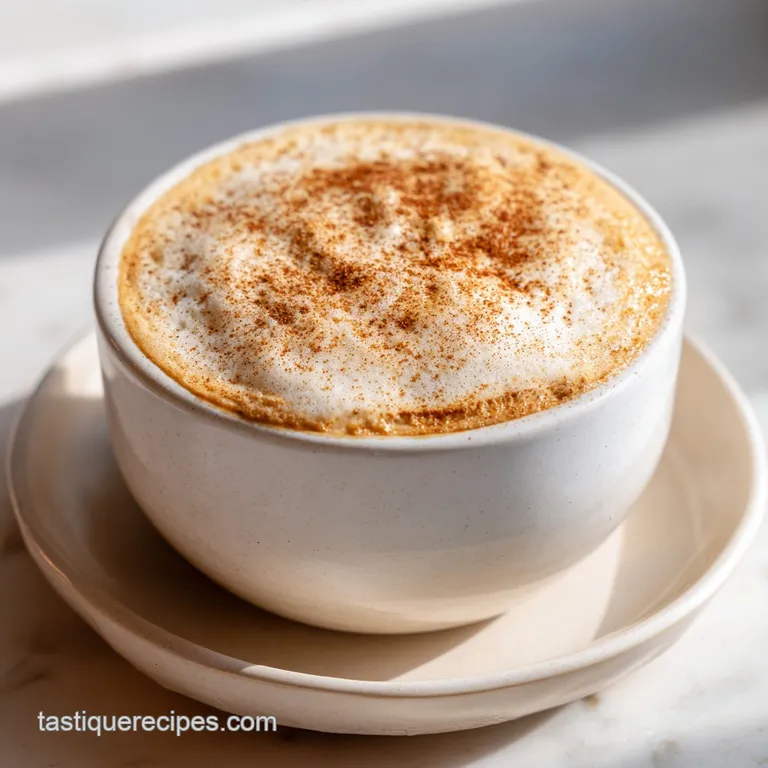
- Time: Active 2 minutes, Passive 3 minutes, Total 5 minutes
- Flavor/Texture Hook: Toasted, nutty, and velvety smooth
- Perfect for: Cozy afternoons or low caffeine morning routines
- Master the Ultimate Hojicha Latte Recipe
- Key Timing and Nutrition Metrics
- Finding the Best Ingredient Components
- Essential Tools for Perfect Froth
- Easy Step by Step Instructions
- Troubleshooting Flavor and Texture Problems
- Simple Flavor Customization Ideas
- Storing and Reheating Your Latte
- Best Serving and Garnish Tips
- Troubleshooting Common Issues
- Recipe FAQs
- 📝 Recipe Card
Master the Ultimate Hojicha Latte Recipe
I remember the first time I smelled hojicha roasting. I was ducking into a tiny, centuries old tea shop in Kyoto to escape a sudden autumn drizzle. The air wasn't fresh or grassy like the matcha shops I'd visited earlier; instead, it was heavy with the scent of toasted hazelnuts and woodsmoke.
It felt warm, grounded, and instantly like a hug in liquid form.
Since that trip, I've spent years trying to replicate that specific feeling at home. I made the mistake of using boiling water early on, which just made the tea taste like burnt toast. Now, I’ve figured out the exact balance of temperature and texture.
If you’re looking for something that feels more substantial than tea but less aggressive than coffee, this hojicha latte recipe is exactly what you need.
It’s a drink that bridges the gap between traditional Japanese tea culture and the modern café experience. We aren't just making tea; we are building a balanced, frothy beverage that highlights the earthy sweetness of the roasted leaves. Let’s get your whisk ready and make something truly special.
Key Timing and Nutrition Metrics
Understanding the flow of your kitchen time helps ensure a stress free experience. Since this drink relies on specific temperatures to prevent bitterness, keeping an eye on the clock and your thermometer is more important than it might seem for such a quick recipe.
Toasting the Senses: As you whisk the powder with hot water, look for a deep, cocoa like aroma to bloom within 10 seconds. This is your cue that the tea is hydrating properly.
Microfoam Checkpoint: If you are steaming your milk, aim for a "wet paint" look. This usually takes about 45 seconds to 1 minute depending on your frother, ensuring the bubbles are small enough to create a velvety mouthfeel rather than a soapy foam.
| Method | Total Time | Texture | Best For |
|---|---|---|---|
| Stovetop | 5 minutes | Creamy and integrated | Maximum coziness |
| Iced Shaker | 3 minutes | Refreshing and crisp | Hot summer days |
| Hand Whisk | 4 minutes | Light and airy | Traditional feel |
While some prefer a traditional approach, using a modern milk frother can significantly cut down on the effort required to get that restaurant quality finish. It’s all about finding the method that fits your morning rhythm.
Finding the Best Ingredient Components
The beauty of this drink lies in its simplicity, which means every single component has to pull its weight. We aren't hiding behind mountains of sugar here. We want the roasted tea to be the star, supported by the creamy fats of the milk and a hint of natural sweetness.
Maillard Reaction: The deep brown color of hojicha comes from roasting the leaves at high heat, which creates pyrazine compounds. These are the same molecules that make grilled steak or roasted coffee smell so enticing.
L Theanine Balance: Even though hojicha is roasted, it still contains L Theanine. This amino acid promotes relaxation without drowsiness, acting as a natural counterbalance to the small amount of caffeine present.
Suspension Physics: Unlike loose leaf tea, the powder doesn't dissolve; it stays in suspension. Using a whisk creates a temporary emulsion that prevents the "dusty" feeling on the back of your throat.
| Component | Science Role | Pro Secret |
|---|---|---|
| Hojicha Powder | Flavor Base | Sift it first to prevent stubborn lumps |
| Oat Milk | Texture Provider | Use "Barista Edition" for better foam stability |
| Maple Syrup | Sweetness | Enhances the smoky notes better than white sugar |
Choosing the right milk is probably the biggest hurdle for most home cooks. I've found that oat milk provides a natural grain like sweetness that perfectly complements the toasted tea leaves without overpowering them.
Essential Tools for Perfect Froth
To get that silky texture you see in high end tea houses, you don't need a thousand dollar espresso machine, but a few specific tools make a world of difference. If you've ever ended up with a grainy latte, it’s usually because of the whisking technique or the temperature of the water.
- Hojicha powder (2.5g / 1 generous tsp): This is the heart of the drink. Why this? Provides the concentrated roasted flavor and beautiful amber color.
- Hot water (60ml): Use filtered water if possible. Why this? Acts as the solvent to bloom the tea's aroma.
- Maple syrup (1.5 tsp): A natural liquid sweetener. Why this? Its caramel undertones mimic the tea's roast.
- Oat milk (240ml): The creamy body of the latte. Why this? Offers the best frothability among non dairy options.
- Ice cubes (1 cup): Only for the iced version. Why this? Rapidly chills the drink without excessive dilution.
Chef's Tip: Freeze about 50ml of your oat milk in an ice cube tray and use those cubes for the iced version. This prevents the drink from becoming watery as the ice melts!
When it comes to the water, aim for 80°C (175°F). If you don't have a temperature controlled kettle, just let boiling water sit for about 2 minutes before pouring.
Boiling water can scorch the delicate roasted powder, leaving you with a flat, one dimensional taste.
Easy step-by-step Instructions
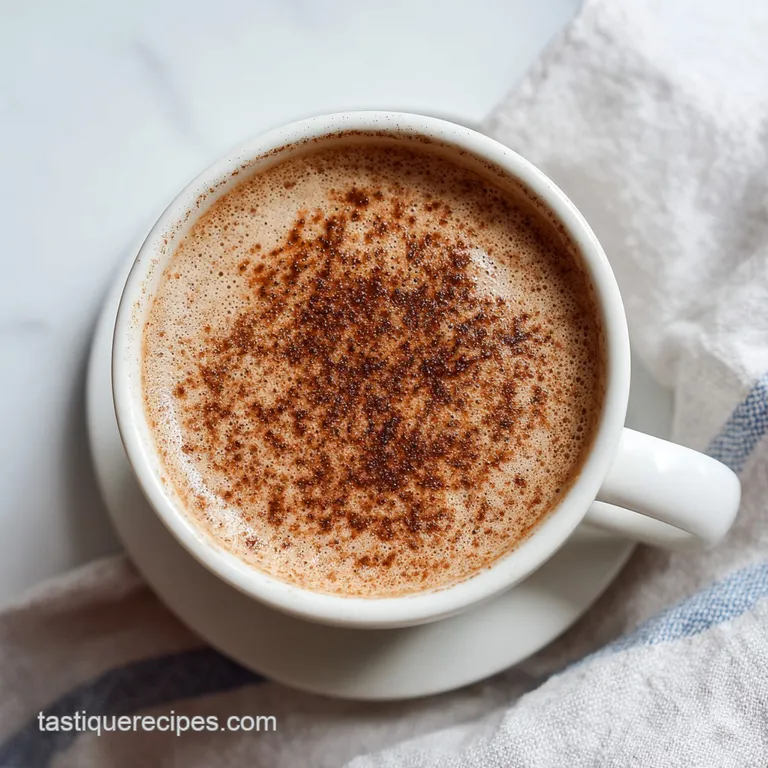
Creating this drink is a sensory experience. Pay attention to the way the powder transforms from a dry dust into a glossy, dark paste. The smells will shift from dry wood to rich, nutty caramel as soon as the water hits the bowl.
- Sift the powder. Place your 1 teaspoon (2.5g) of hojicha powder into a small bowl through a fine mesh strainer. Note: This is the only way to ensure a lump free drink.
- Add hot water. Pour 60ml of 80°C (175°F) water over the powder.
- Whisk the base. Use a bamboo whisk or a small electric frother until a thick, bubbly froth forms on the surface.
- Incorporate sweetener. Stir in the 1.5 teaspoons of maple syrup while the tea is still hot.
- Prepare the milk. Heat 240ml of oat milk in a small saucepan or microwave until steam begins to rise (around 65°C/150°F).
- Froth the milk. Use an electric frother or a French press plunger to create a velvety microfoam.
- Assemble the drink. Pour the tea concentrate into your favorite mug.
- Pour the milk. Slowly pour the frothed milk over the tea, holding back the thickest foam with a spoon until the end.
- Top it off. Spoon the remaining microfoam over the top until the mug is full and pillowy.
If you are making the iced version, follow steps 1 through 4, then pour the tea concentrate over a glass filled with ice cubes. Top with cold oat milk and stir gently to see those beautiful dark swirls move through the white milk.
For a complete afternoon treat, this drink pairs beautifully with a chewy Ube Butter Mochi Recipe, as the toasted tea balances the sweetness of the mochi perfectly.
Troubleshooting Flavor and Texture Problems
Even with a simple recipe, things can go sideways. Maybe your milk didn't froth, or the tea tastes a bit "dusty." These are common hiccups that happen to everyone, but they are incredibly easy to fix once you know what to look for.
Why is my latte grainy?
This usually happens when the powder isn't fully suspended. Hojicha powder is more fibrous than matcha, so it requires a bit more mechanical force to stay in the liquid. If you skip the sifting step, the tiny clumps will stay dry in the center and leave a gritty residue in your mouth.
| Problem | Root Cause | Solution |
|---|---|---|
| Bitter Taste | Water was too hot | Use water at 80°C (175°F) max |
| No Milk Foam | Milk has low protein | Switch to a "Barista" style milk |
| Weak Flavor | Too much water | Keep the "tea shot" to 60ml total |
Another common mistake is letting the tea concentrate sit for too long before adding the milk. The powder will naturally start to settle at the bottom of the bowl. Always give it one last quick stir or whisk right before you pour the milk in to ensure everything is perfectly distributed.
- ✓ Always sift the tea powder through a fine mesh strainer to remove clumps.
- ✓ Ensure your water is hot but not boiling (175°F is the sweet spot).
- ✓ Whisk in a "W" motion if using a bamboo whisk for better aeration.
- ✓ Tap your milk pitcher on the counter to pop any large "soap bubbles."
- ✓ Use a tall, narrow glass for frothing to create better suction for the foam.
Simple Flavor Customization Ideas
Once you have the base down, you can start playing with the profile. Hojicha is incredibly versatile because its flavor profile sits right between tea and coffee. It can handle spices, different sweeteners, and even additional layers of flavor.
Spiced Hojicha: Add a tiny pinch of cinnamon or cardamom to the powder before whisking. The warmth of the spices plays off the roasted notes beautifully. It’s a great way to transition into the colder months.
Whipped Version: If you're a fan of dalgona coffee, you can actually whip hojicha powder with a little bit of sugar and heavy cream to create a thick, stable foam to dollop on top of cold milk.
For those who love a bit of a chocolatey vibe, try adding a half teaspoon of cocoa powder. It deepens the "toasted" flavor without making it overly sweet. If you enjoy experimenting with tea based desserts, you might also find the flavor profile of a Matcha Brownie Recipe a fun comparison to how roasted tea behaves differently in baking.
If you're looking for other unique Asian inspired drinks, a creamy Black Sesame Latte recipe offers a similar nutty profile but with a much bolder, earthier intensity.
Storing and Reheating Your Latte
While lattes are always best enjoyed fresh, I know life gets busy. Sometimes you make a bit too much concentrate, or you want to prep your morning drink the night before.
Fridge Storage: You can keep the tea concentrate (powder + water + sweetener) in a sealed jar for up to 24 hours. I don't recommend storing the fully mixed latte, as the milk foam will collapse and the texture will become flat.
Zero Waste Tip: If you have leftover tea concentrate that you won't drink, pour it into an ice cube tray. These tea cubes are perfect for adding to a glass of cold milk later in the week, or even blending into a morning smoothie for an earthy boost.
Reheating: If your drink has gone cold, reheat it gently in a saucepan over low heat. Avoid the microwave if possible, as it can cause the milk to form a "skin" on top and may overheat the delicate tea solids, changing the flavor profile.
Best Serving and Garnish Tips
The visual appeal of a latte is half the fun. There’s something so satisfying about seeing that dark amber tea concentrate slowly marble into the creamy white milk. To make it feel like a true café experience, pay attention to the final touches.
Troubleshooting Common Issues
| Issue | Solution |
|---|---|
| Garnish for a professional look | A light dusting of hojicha powder over the foam is the classic choice. It provides a concentrated hit of aroma right as you take your first sip. You could also try a drizzle of extra maple syrup or ev |
| What should I pair with a Hojicha Latte | Since hojicha has those lovely roasted, caramel like notes, it pairs exceptionally well with buttery pastries. A plain croissant or a piece of shortbread is perfect. If you want something more traditi |
| Why is the glass choice important | Using a clear glass allows you to appreciate the layers before you stir them together. If you're serving this to guests, the "gradient" effect is always a showstopper. However, if you're just looking |

Recipe FAQs
How to make your own hojicha latte?
Sift the hojicha powder into a small bowl. Add hot water (around 80°C/175°F) and whisk vigorously until a smooth, thick froth forms. Then, pour in your heated and frothed milk, stirring gently to combine.
Is hojicha more healthy than matcha?
Generally, hojicha is considered milder in caffeine and lower in antioxidants. Because hojicha is roasted, it loses some of the high chlorophyll and catechin content found in vibrant green matcha, but it is often easier on sensitive stomachs.
Do Japanese people drink hojicha lattes?
Yes, hojicha lattes are popular, especially in modern cafes. While traditional Japanese tea service focuses on pure steeped tea, the latte format offers a comforting, warm beverage that pairs well with contemporary desserts.
How do you make a hojicha latte with coffee?
Combine a small shot of espresso with your hojicha concentrate base. The key is to use less hojicha powder than normal so the coffee doesn't completely overpower the roasted notes of the tea.
What is the ideal temperature for whisking the hojicha powder?
Use water that is approximately 80°C (175°F). Water hotter than this can scorch the roasted leaves, leading to a flat, bitter taste rather than the intended nutty sweetness.
Can I use different types of milk for a richer texture?
Yes, baristas often prefer oat milk for its superior foam stability. If you are working to master creating a stable emulsion for a velvety drink, the technique is similar to stabilizing dressings; if you enjoyed mastering texture control here, see how the same principle applies in a savory context like our Balthazar Beet Salad recipe.
How can I make my iced hojicha latte less watery?
Pre-freeze some of your milk into ice cube trays. Prepare the concentrate as normal, and then pour it over these pre-frozen milk cubes instead of regular water ice.
Hojicha Latte Recipe
Ingredients:
Instructions:
Nutrition Facts:
| Calories | 147 kcal |
|---|---|
| Protein | 2.5 g |
| Fat | 5.1 g |
| Carbs | 22.2 g |
| Fiber | 2.7 g |
| Sugar | 11.6 g |
| Sodium | 105 mg |
