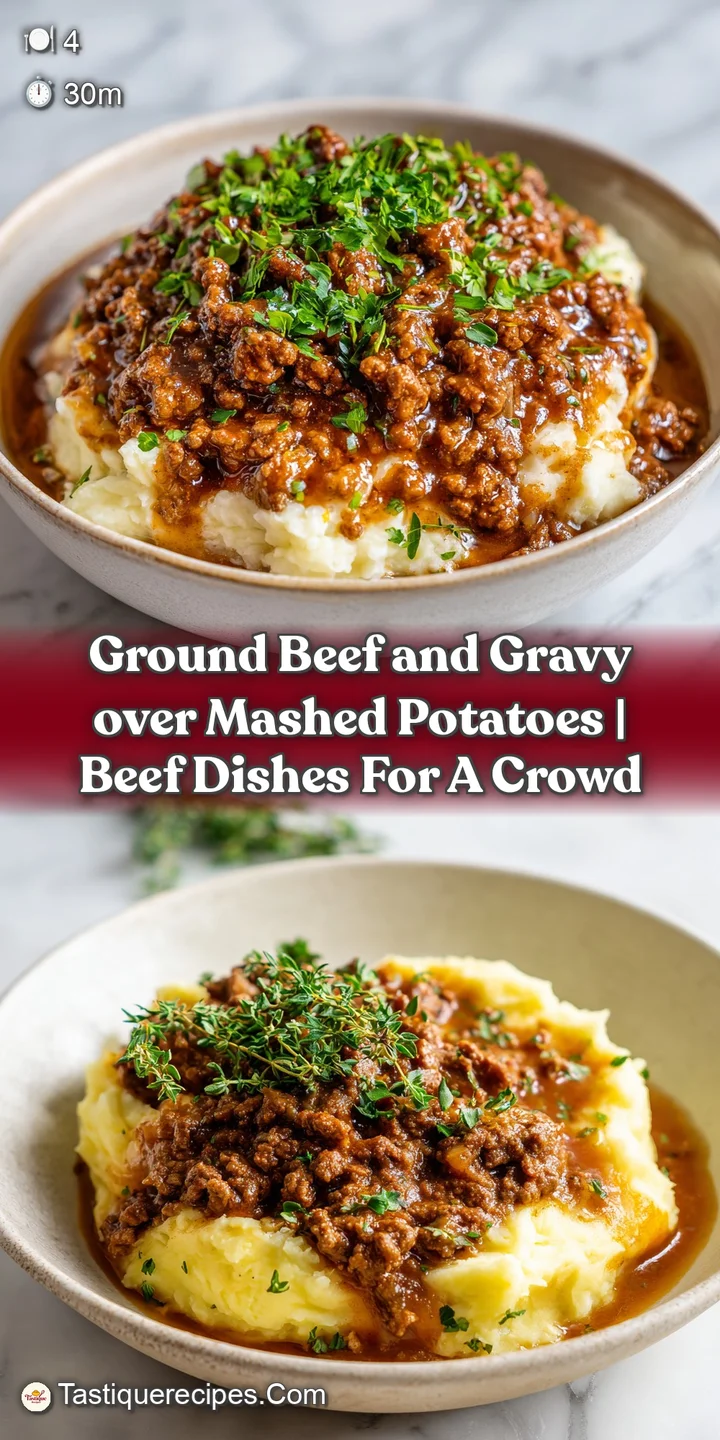
Ground Beef and Gravy over Mashed Potatoes
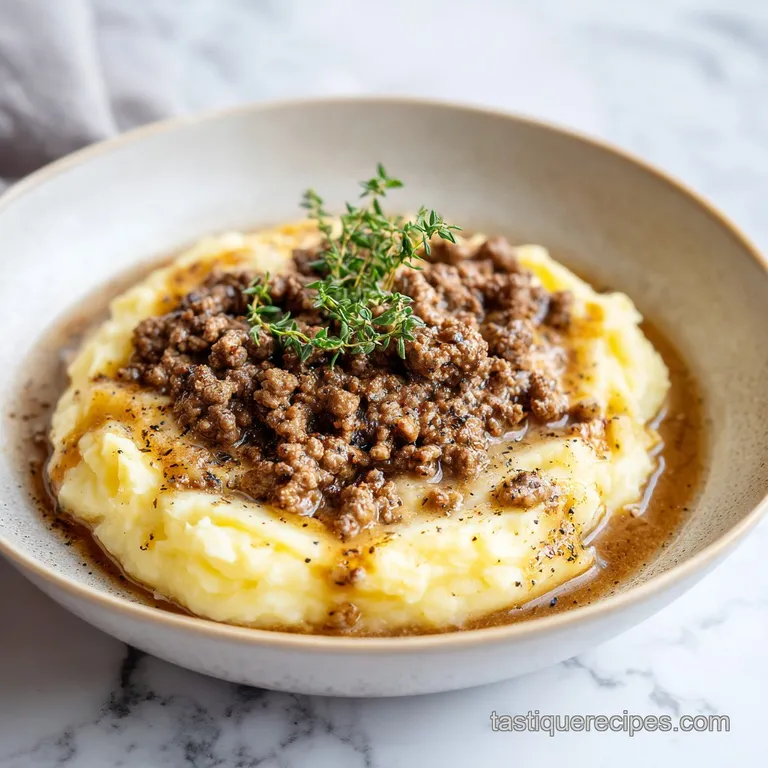
- Time: Active 10 minutes, Passive 20 minutes, Total 30 minutes
- Flavor/Texture Hook: Silky, savory sauce meeting velvet smooth potatoes
- Perfect for: Cozy family dinners or quick weeknight recovery meals
- The Secret to Perfect Ground Beef and Gravy over Mashed Potatoes
- Why This Simple Comfort Meal Works So Well
- The Component Deep Dive for Best Results
- Essential Ingredients and Smart Substitutes
- Essential Kitchen Tools for Success
- Detailed Step-by-Step Cooking Guide
- Troubleshooting Common Texture Issues
- Scaling the Recipe for Larger Crowds
- Debunking Common Comfort Food Myths
- Storing and Repurposing Leftovers
- Flavor Variations to Customize Your Dish
- The Best Side Dishes to Serve
- Very High in Sodium
- Recipe FAQs
- 📝 Recipe Card
The Secret to Perfect Ground Beef and Gravy over Mashed Potatoes
The kitchen was quiet except for the rhythmic, metallic tink tink tink of my whisk hitting the cast iron. Outside, the rain was relentless, the kind of gray afternoon that demands something warm, heavy, and undeniably honest.
I remember standing there, watching the beef broth hit the sizzling flour and butter, seeing it transform from a liquid splash into a thick, glossy landscape of savory goodness. That specific aroma toasty flour meeting rich beef is a core memory for me, a scent that promises everything is going to be alright.
I used to think that a meal this satisfying required hours of simmering or expensive cuts of roast beef. I was wrong. It’s all about how you treat the humble ground beef and those golden potatoes.
I’ve spent years tweaking the ratio of butter to cream, and I’ve finally realized that the secret isn’t in fancy additives; it’s in the technique of the sear and the temperature of your liquids.
When that first spoonful of Ground Beef and Gravy over Mashed Potatoes hits your plate, it shouldn't just be food; it should feel like a warm blanket.
We are going for a texture that is velvety, never gluey. You want the beef to have a specific "snap" from a hard sear before it gets bathed in that luxurious gravy. This dish is my go to when I need a win in the kitchen without spending three hours at the stove.
It’s reliable, it’s fast, and it uses ingredients you probably already have sitting in your pantry right now. Let's get into what actually makes this magic happen.
Why This Simple Comfort Meal Works So Well
Understanding the interaction between starch and fat is the key to moving from a "good" dinner to a "restaurant quality" experience at home. Here is why this specific combination of ingredients creates such a satisfying result.
- Maillard Magic: Searing the beef undisturbed for 3 full minutes allows amino acids and sugars to react, creating a deep brown crust that provides the base flavor for the entire gravy.
- The Roux Barrier: Cooking the flour in butter for 2 minutes coats the starch granules in fat, which prevents them from clumping and ensures a silky, lump free consistency when the broth is added.
- Starch Selection: Using Yukon Gold potatoes is essential because their naturally buttery, mid range starch content creates a creamy texture without the graininess often found in Russets.
- Temperature Harmony: Adding warmed heavy cream to the potatoes prevents the starch from "shocking," which is the primary reason mashed potatoes can sometimes turn gummy or tacky.
| Thickness of Beef Layer | Internal Temp | Rest Time | Visual Cue |
|---|---|---|---|
| 1.5 cm | 71°C | 2 mins | Deep brown crust on bottom |
| 3 cm | 71°C | 5 mins | Even browning throughout |
| 0.5 cm crumbles | 71°C | 1 min | No visible pink remaining |
Using the right beef is just as important as the technique. If you find yourself with extra ground beef after this meal, you might want to try these Cheeseburger Sliders recipe for another quick weeknight win.
The Component Deep Dive for Best Results
When we look at the individual elements of Gravy over Mashed Potatoes, we see that every ingredient has a specific job to perform. It isn't just about filling the pan; it's about building a structure of flavor.
| Ingredient | Science Role | Pro Secret |
|---|---|---|
| Yukon Gold Potatoes | Texture Base | Keep the skins on during boiling to lock in flavor, then peel while warm for the smoothest mash. |
| Unsalted Butter | Fat Emulsifier | Using unsalted allows you to control the exact seasoning levels without the salt interfering with the starch breakdown. |
| Beef Broth | Liquid Medium | Choose a low sodium version so you can reduce it heavily to concentrate the flavor without it becoming too salty. |
| All Purpose Flour | Thickening Agent | Toasting the flour until it smells like "baked pie crust" removes the bitter, raw taste that ruins many homemade gravies. |
Choosing the right potato is the hill I will die on. While some people swear by Russets for fluffiness, the Yukon Gold provides a natural richness that means you don't have to overwork the mash to get that velvet mouthfeel.
Essential Ingredients and Smart Substitutes
To make this authentic Savory Ground Beef and Gravy over Mashed Potatoes, you'll need these specific components. I've included metric measurements to ensure your ratios are spot on.
- 450g Lean Ground Beef (90/10): Why this? Provides enough fat for flavor without making the gravy overly greasy or separated.
- Substitute: Ground turkey or lamb. Lamb adds a gamey richness, while turkey requires an extra tablespoon of butter.
- 900g Yukon Gold Potatoes: Why this? They have a naturally creamy texture and hold their shape well during the boil.
- Substitute: Russet potatoes. Note: These will result in a fluffier, more absorbent mash that may require 10% more cream.
- 480ml Low Sodium Beef Broth: Why this? The foundation of the gravy; low sodium gives you total seasoning control.
- Substitute: Chicken stock with 1 tsp soy sauce for color and depth.
- 120ml Heavy Cream: Why this? Adds the necessary fat to create a silky, "restaurant style" finish to the potatoes.
- Substitute: Whole milk or half and half. Note: The mash will be lighter but slightly less decadent.
- 98g Unsalted Butter (Total): Why this? Used in both the roux and the mash for a cohesive flavor profile.
- Substitute: Ghee or high-quality margarine. Ghee adds a nutty, toasted note.
- 15ml Worcestershire Sauce: Why this? Provides the "umami" kick and acidity needed to balance the heavy fats.
- Substitute: Soy sauce or balsamic vinegar.
- 1 small Yellow Onion & 2 cloves Garlic: The aromatic backbone.
- 24g All Purpose Flour: The thickening power.
- Seasonings: Dried thyme, garlic powder, salt, and cracked black pepper.
Essential Kitchen Tools for Success
You don't need a professional kitchen, but a few specific tools make the Ground Beef and Mashed Potatoes process much easier. A large heavy bottomed skillet (like a Lodge cast iron) is my favorite for the beef because it retains heat so well, ensuring that crucial sear.
For the potatoes, I highly recommend a potato ricer if you want that perfectly smooth texture. If you don't have one, a sturdy hand masher works, just be prepared for a bit more arm work.
You'll also need a medium sized pot for boiling the potatoes and a silicone whisk that won't scratch your skillet while you're building that gravy.
Detailed step-by-step Cooking Guide
Let's walk through this carefully. Timing is everything here, as we want the potatoes and the gravy to finish at the exact same moment for optimal serving temperature.
1. Prep and Boil the Potatoes
Place your 900g of cubed Yukon Gold potatoes into a large pot and cover them with cold, salted water. Note: Starting with cold water ensures the potatoes cook evenly from the outside in. Bring the water to a boil, then immediately turn it down to a simmer.
Cook for 12 to 15 minutes until a fork slides in and out with zero resistance.
2. Sear the Beef and Aromatics
While the potatoes bubble away, get your skillet over medium high heat. Add the 450g of ground beef. Break it into three or four large chunks and let them sit undisturbed for 3 minutes until you see a dark, caramelized crust forming on the bottom. Once seared, break the meat into smaller crumbles.
Add your finely diced yellow onion and sauté for about 4 minutes until the onions are soft and translucent.
3. Build the Gravy Base
Add 42g (3 tbsp) of unsalted butter to the skillet with the beef and onions. Once it's foaming, sprinkle in your 24g of all purpose flour. Whisk this constantly for 2 minutes. You are looking for the mixture to smell slightly nutty and turn a pale golden color.
This step is non negotiable for removing the raw flour taste.
4. Deglaze and Simmer
Slowly pour in the 480ml of beef broth and 15ml of Worcestershire sauce while whisking vigorously. Use your whisk to scrape the bottom of the pan those brown bits (the fond) are where the flavor lives. Stir in the dried thyme.
Lower the heat and let it simmer for about 5 to 7 minutes until the gravy coats the back of a spoon in a thick, glossy sheet.
5. Perfect the Mash
Drain your potatoes thoroughly. While they are still steaming, mash them using a ricer or masher. Slowly stir in your 120ml of warmed heavy cream, the remaining 56g of room temperature butter, and the garlic powder.
Mix until the potatoes look like velvet ribbons. Season generously with salt and pepper.
6. Final Assembly
Taste your gravy one last time. If it’s too thick, add a splash of broth. Serve the savory beef and gravy over Mashed Potatoes immediately, ensuring the gravy pools into the little craters of the mash.
Troubleshooting Common Texture Issues
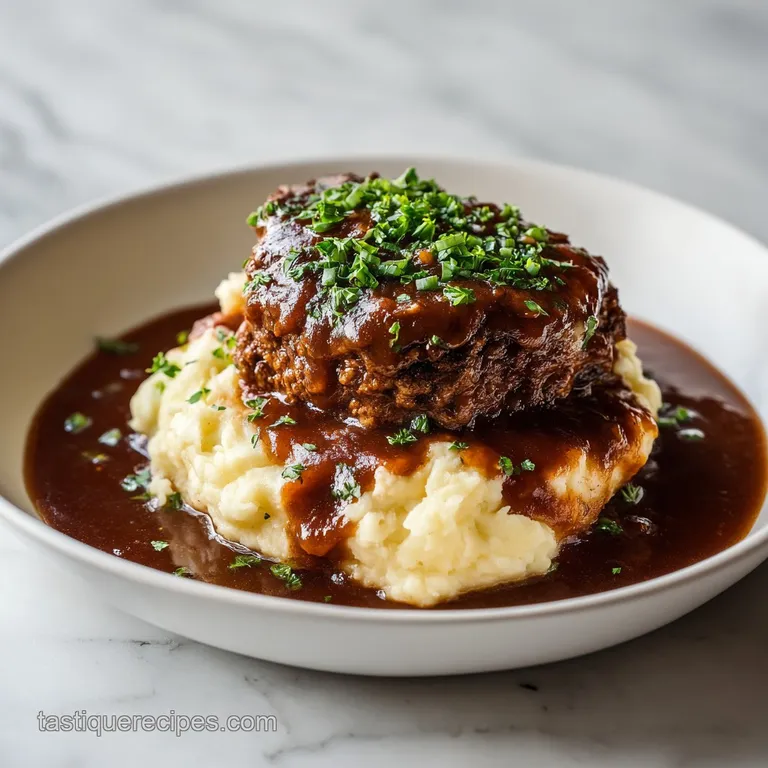
Even the most seasoned cooks run into trouble occasionally. Gravy over Mashed Potatoes can be finicky if the heat isn't managed correctly.
Why Your Gravy is Lumpy
Lumpy gravy usually happens when the liquid is added too quickly to the roux, or if the roux wasn't whisked thoroughly. The flour particles clump together and cook on the outside, sealing dry flour inside.
Why Your Potatoes are Gummy
This is almost always caused by overworking the starch. If you use a food processor or a high speed mixer, you'll break the starch cells, releasing a sticky glue. Always mash by hand or use a ricer.
| Problem | Root Cause | Solution |
|---|---|---|
| Thin/Watery Gravy | Not enough simmer time | Simmer for 3 more minutes or add a cornstarch slurry. |
| Bland Mash | Under salted water | Add a pinch of salt to the finished mash and a dash more butter. |
| Salty Gravy | Broth reduced too much | Whisk in a tablespoon of heavy cream or a splash of water. |
Common Mistakes Checklist:
- ✓ Never skip the 2 minute flour cooking stage; it's the difference between professional and amateur gravy.
- ✓ Pat the beef dry if it looks moist before hitting the pan to ensure a proper sear.
- ✓ Warm your cream before adding it to the potatoes to keep them light and airy.
- ✓ Use cold water to start the potato boil to prevent the outsides from falling apart before the middle is cooked.
Scaling the Recipe for Larger Crowds
If you are feeding a big family or prepping for the week, scaling this Ground Beef and Gravy over Mashed Potatoes recipe is straightforward, but there are some rules to follow.
Scaling UP (2x): When doubling to 900g of beef and 1.8kg of potatoes, do not simply double the spices. Use 1.5x the salt and thyme initially, then taste and adjust. You will need a much larger skillet to ensure the beef still sears rather than steams.
If the pan is crowded, the beef will release moisture and turn gray instead of brown. Work in batches for the beef if necessary.
Scaling DOWN (1/2): For two people, use 225g of beef and about 450g of potatoes. Reduce the simmer time for the gravy by about 2 minutes, as smaller volumes evaporate faster. For the egg wash variations (if you use them), beat one egg and use exactly half.
Debunking Common Comfort Food Myths
Many people think you have to peel potatoes before boiling them for a smooth mash. In reality, boiling them with the skins on (if they are small enough) protects the flesh from absorbing too much water. You can slip the skins right off once they are cooked, leading to a much more intense potato flavor.
Another myth is that you need high fat ground beef for good gravy. While fat is flavor, 80/20 beef often leaves a thick layer of oil on top of the gravy that is difficult to emulsify.
Using 90/10 beef and adding controlled amounts of high-quality butter gives you a much cleaner, more luxurious finish without the grease slick.
Storing and Repurposing Leftovers
One of the best things about Beef and Gravy over Mashed Potatoes is that it tastes even better the next day. The flavors in the gravy have time to meld and deepen.
Storage: Store the beef and gravy in one airtight container and the mashed potatoes in another. They will stay fresh in the fridge for up to 4 days. When reheating, the gravy will likely have thickened significantly. Add a tablespoon of water or broth before microwaving to loosen it back up.
Freezing: Mashed potatoes freeze surprisingly well if they have enough fat (which this recipe does!). Freeze in individual portions for up to 2 months. Thaw overnight in the fridge before reheating on the stove over low heat.
Zero Waste Tip: If you have leftover gravy but no potatoes, it makes an incredible base for a quick shepherd's pie. Just toss in some frozen peas and carrots, top with fresh mash, and bake until bubbly. If you have extra potatoes but no gravy, they are perfect for making Brussels Sprouts Alfredo — just serve the sprouts alongside the reheated mash for a complete vegetarian meal the next night.
Flavor Variations to Customize Your Dish
Once you have the base recipe down, you can start playing with the flavor profile to suit your mood.
1. The Umami Mushroom Twist
Add 200g of sliced cremini mushrooms to the skillet after the beef has browned but before adding the flour. Let them release their moisture and turn brown. This adds an earthy depth that pairs perfectly with the Ground Beef and Gravy.
2. The Hidden Veggie Swap
If you're looking to lighten things up, replace 1/3 of the potatoes with boiled cauliflower. Mash them together as usual. The cauliflower blends in seamlessly, and with the heavy cream and butter, most people won't even notice the difference.
| Modification | Ingredient Change | Resulting Flavor |
|---|---|---|
| Spicy Kick | Add 1/2 tsp red pepper flakes | Cuts through the richness with a gentle heat. |
| Herby Freshness | Swap thyme for fresh rosemary | Gives it a more "Sunday Roast" aromatic feel. |
| Extra Richness | Add 1 tbsp tomato paste | Deepens the color and adds a slight tang to the gravy. |
The Best Side Dishes to Serve
While Ground Beef and Gravy over Mashed Potatoes is a complete meal on its own, adding a bit of crunch or acidity on the side really rounds out the plate. I love serving this with a pile of garlicky steamed green beans or a simple arugula salad with a lemon vinaigrette.
The brightness of the lemon cuts right through the savory richness of the gravy.
If you want to go full comfort mode, a side of honey glazed carrots or even a piece of crusty sourdough bread for mopping up every last drop of that gravy is the way to go. Trust me, once you make this, it will become a permanent resident in your recipe rotation. Enjoy every bite you've earned it!
Very High in Sodium
845 mg 845 mg (37% 37% of daily value)
The American Heart Association recommends limiting sodium intake to no more than 2,300mg per day, with an ideal limit of under 1,500mg for most adults.
Tips to Reduce Sodium
-
Swap for Low-Sodium Broth-30%
Switching to truly no-salt added beef broth can significantly cut sodium. Ensure the label explicitly states 'no salt added' or 'very low sodium'.
-
Omit Added Salt-25%
Completely omit the 'salt to taste' step. The broth and Worcestershire sauce already contribute sodium. Taste and adjust with other seasonings if needed.
-
Control Worcestershire Sauce-20%
Worcestershire sauce is high in sodium. Try using a low-sodium version or reducing the amount by half. Consider adding a dash of balsamic vinegar for complexity instead.
-
Boost Aromatics
Increase the amount of fresh garlic and onion, or add more garlic powder and herbs like thyme. These flavor enhancers can compensate for reduced salt without adding sodium.
-
Use Unsalted Butter
The recipe already calls for unsalted butter, which is great! Continue using only unsalted butter in all steps to avoid adding unnecessary sodium.
Recipe FAQs
How to get the perfect crust on the ground beef?
Place the beef in a hot skillet and let it sear undisturbed for 3 minutes. Resisting the urge to stir early allows the Maillard reaction to create a deep, flavorful brown crust before you break the meat into smaller crumbles.
Is it true I should boil potatoes in hot water to save time?
No, this is a common misconception. You must start with cold, salted water so the potatoes cook evenly from the center out; starting with boiling water leaves you with mushy outsides and hard, raw centers.
How to ensure the gravy is silky and smooth?
Whisk the flour and butter for a full two minutes to cook out the raw starch. If you enjoyed mastering this roux technique, see how we use a similar process for thickening the base in our velvety soup recipe.
How to fix gravy that has become too thick after refrigeration?
Stir in a splash of broth or water while reheating. Gravy naturally firms up in the fridge as the starches cool, so adding a tablespoon of liquid helps it return to its original, silky consistency.
Is it safe to freeze the mashed potatoes for later?
Yes, they freeze exceptionally well. Because this recipe uses a generous amount of butter and heavy cream, the fat content protects the potato structure during the freezing process, keeping them creamy upon thawing.
How to properly deglaze the skillet for maximum flavor?
Pour the beef broth into the hot pan and scrape the bottom with a wooden spoon. This action lifts the brown bits, or fond, which contain concentrated savory juices that are essential for a rich, deep flavored gravy.
How to keep the mashed potatoes from becoming gluey?
Use a ricer or a hand masher instead of a food processor. Blending potatoes too aggressively releases excessive starch, which turns the texture gummy rather than light and fluffy.
Ground Beef And Gravy
Ingredients:
Instructions:
Nutrition Facts:
| Calories | 684 kcal |
|---|---|
| Protein | 31.4 g |
| Fat | 42.2 g |
| Carbs | 45.6 g |
| Fiber | 4.8 g |
| Sugar | 3.9 g |
| Sodium | 845 mg |
