Caprese Salad: Authentic Italian Flavor
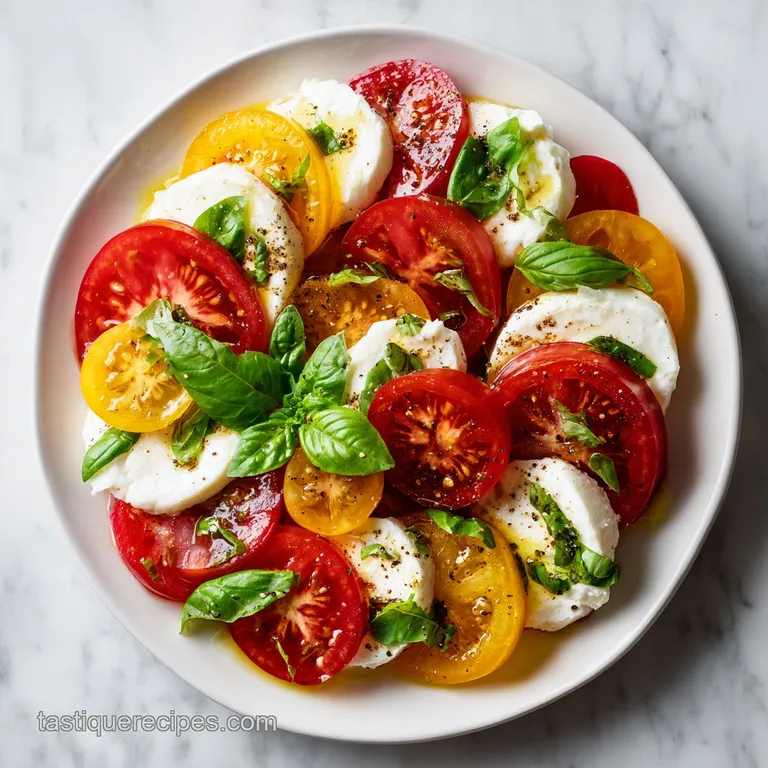
- Time: Active 10 minutes, Passive 0 minutes, Total 10 minutes
- Flavor/Texture Hook: Silky mozzarella paired with firm, sun ripened tomatoes and herbaceous basil.
- Perfect for: Summer dinner parties, quick healthy lunches, or a high protein vegetarian side.
- Making the Perfect Caprese Salad Recipe
- Fundamental Logic Behind This Caprese Salad Recipe
- Essential Specifications for the Perfect Plate
- Selecting High Quality Premium Elements Carefully
- Simple Tools Required for Professional Results
- Transitioning From Raw Prep to Plate
- Fixing Common Texture and Moisture Issues
- Adjusting for Different Groups
- Maintaining Freshness and Reducing Kitchen Waste
- Complimentary Flavors and Ideal Serving Suggestions
- Debunking Tradition and Myths
- Recipe FAQs
- 📝 Recipe Card
Making the Perfect Caprese Salad Recipe
There is a specific smell that only exists in mid July when the sun has been beating down on a garden for eight hours straight. It is the scent of tomato vines earthy, slightly spicy, and deeply green. That aroma is exactly what I look for when I'm picking out the stars for this caprese salad recipe.
I remember the first time I tried to make this back in my early twenties; I used those hard, pale grocery store tomatoes and some rubbery pre shredded cheese. It was a watery, flavorless mess.
It took me a few summers of trial and error to realize that this dish isn't really about "cooking" at all it is about the curation of a few spectacular elements.
The real secret lies in the heirloom tomato. These aren't your standard uniform red globes; they are lumpy, bruised looking, and come in colors ranging from deep purple to bright yellow.
When you slice into a ripe heirloom, you aren't just getting water and seeds; you are getting a meaty, dense texture that can actually stand up to a thick slab of mozzarella. I chose the heirloom for this recipe because its lower acidity and higher sugar content create a natural balance with the salty cheese, something a standard beefsteak often lacks.
If you've ever had a Caprese that felt "thin" or too acidic, it's likely because the tomatoes weren't given the spotlight they deserve.
We are going to focus on a high protein, plant forward approach that respects the traditional Italian roots while making it practical for a modern kitchen. This isn't just a side dish; with over 14 grams of protein per serving, it is a substantial part of a meal that leaves you feeling fueled rather than weighed down.
We’ll walk through the prep flow together, making sure every leaf of basil is treated like gold and every drizzle of oil is intentional. Trust me, once you see how the salt transforms the tomato slices on that paper towel, you'll never go back to the old way of just throwing things on a plate.
Fundamental Logic Behind This Caprese Salad Recipe
Understanding why these simple elements work together transforms you from a recipe follower into a confident cook. It’s all about managing moisture and temperature to let the natural fats and sugars shine.
- Osmotic Concentration: Sprinkling salt on the tomato slices draws out internal water, which prevents the salad from becoming a puddle and intensifies the tomato's "umami" profile.
- Lipid Solubility: The fats in the extra virgin olive oil actually dissolve the aromatic compounds in the basil and pepper, carrying those flavors more effectively to your taste buds.
- Thermal Texture: Serving mozzarella at room temperature allows the milk fats to soften, creating a velvety mouthfeel that contrasts perfectly with the cool, crisp tomato.
- Acidic Balance: The balsamic glaze provides a syrupy, concentrated sweetness that cuts through the richness of the cheese without the harsh bite of a standard vinegar.
| Method | Time | Texture | Best For |
|---|---|---|---|
| Classic Shingled | 10 minutes | Firm and layered | Formal dinner parties |
| Rough Chopped | 5 minutes | Soft and blended | Quick weeknight lunches |
| Skewered (Bites) | 15 minutes | Uniform and tidy | Large cocktail parties |
Using a classic shingle method ensures that every single forkful contains a perfect ratio of fruit, fat, and herb. When you chop everything into a bowl, the tomatoes often release too much juice, and the basil bruises much faster.
Shingling protects the delicate leaves and keeps the presentation vibrant for the duration of your meal.
Essential Specifications for the Perfect Plate
Before we start slicing, let's look at why these specific components are the only ones that should make it onto your platter. A recipe with so few ingredients leaves nowhere to hide, so quality is everything.
| Component | Science Role | Pro Secret |
|---|---|---|
| Heirloom Tomatoes | Structural base and acidity | Use a serrated knife to prevent bruising the delicate skin. |
| Mozzarella di Bufala | Creamy fat and protein source | Pat dry with a cloth to keep the oil from sliding off. |
| Fresh Italian Basil | Volatile aromatic oil provider | Never chop with a knife; hand tearing preserves the bright green color. |
| Flaky Sea Salt | Moisture extractor and flavor enhancer | Apply only to the tomatoes first to jumpstart the seasoning process. |
The choice of Mozzarella di Bufala (buffalo mozzarella) over standard cow's milk mozzarella (Fior di Latte) is a game changer for those seeking a richer experience. Buffalo mozzarella has a higher fat and calcium content, which translates to a tangier, more complex flavor.
However, if you prefer a milder, cleaner taste that lets the tomatoes do the heavy lifting, a fresh Fior di Latte is a wonderful, high protein alternative that still delivers that signature soft texture.
Selecting high-quality Premium Elements Carefully
When you're at the market, look for tomatoes that feel heavy for their size. A heavy tomato is a hydrated, sugar dense tomato. Avoid anything that feels "hollow" or has a grainy skin. For the basil, if the leaves are already starting to wilt or turn black at the edges, leave them behind.
We need that peppery, anise like punch that only comes from vibrant, stiff leaves.
- 3 large Heirloom or Beefsteak tomatoes (approx. 1.5 lbs)
- Substitute: Roma tomatoes (use 6-8). Why this? Romas have less water and more flesh, though they lack heirloom complexity.
- 8 oz Fresh Mozzarella di Bufala or Fior di Latte
- Substitute: Firm silken tofu (pressed). Why this? Excellent high protein vegan swap that mimics the soft, cool mozzarella texture.
- 1 large bunch fresh Italian large leaf basil (approx. 15 20 leaves)
- Substitute: Fresh mint or arugula. Why this? Offers a different but equally refreshing herbal bite for a twist.
- 0.5 tsp Flaky sea salt
- Substitute: Kosher salt. Why this? Provides the necessary grit to break down the tomato surface tension.
- 0.25 tsp Freshly cracked black peppercorns
- Substitute: White pepper. Why this? A milder heat that won't distract from the delicate basil notes.
- 3 tbsp Extra virgin olive oil
- Substitute: Avocado oil. Why this? A neutral high protein supporting fat if you find EVOO too bitter.
- 2 tbsp Balsamic glaze
- Substitute: Reduced pomegranate molasses. Why this? Adds a similar sweet tart punch with a unique fruity undertone.
Many people ask if they can use a pre made dressing instead of the oil and glaze. Honestly, don't even bother with bottled Italian dressing here. The vinegar in those bottles will "cook" the basil and turn it gray within minutes.
Keeping the oil and balsamic glaze separate allows you to control the richness and the sweetness exactly how you like it.
Simple Tools Required for Professional Results
You don't need a kitchen full of gadgets for this, but two specific items will make your life much easier. First, a high-quality serrated knife (like a bread knife) is non negotiable for the tomatoes.
If you use a dull straight edge knife, you’ll end up squashing the tomato and losing all those precious juices before they even hit the plate.
Second, a large, flat serving platter is better than a bowl. A platter allows you to spread the ingredients out so the dressing hits every piece evenly. If you pile everything in a bowl, the bottom layer ends up swimming in a swamp of tomato water and oil while the top stays dry. If you're looking for other fresh ideas to use your platter for, this salad pairs beautifully with a fresh pesto recipe drizzled over grilled crusty bread.
Transitioning From Raw Prep to Plate
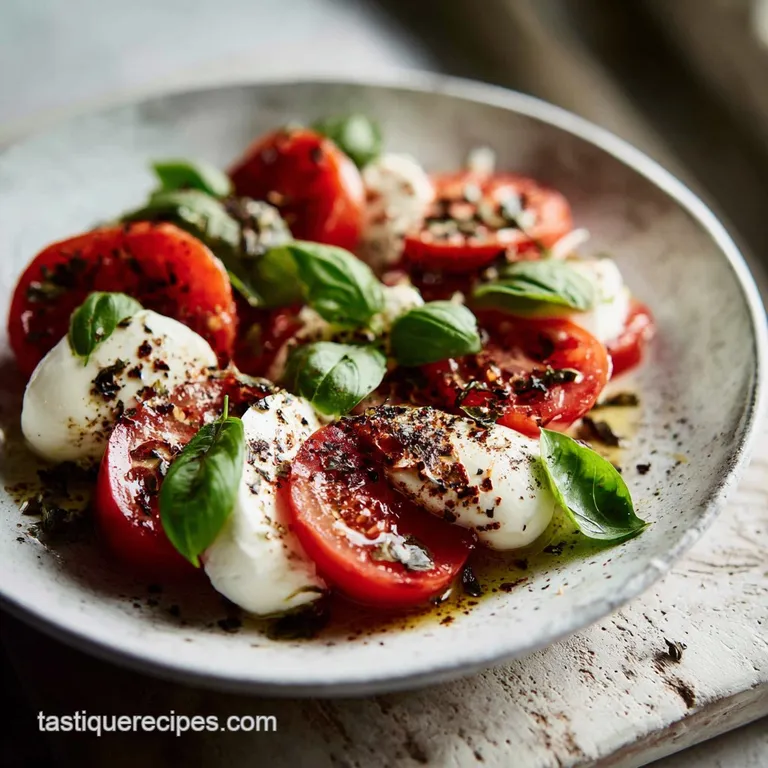
The flow of this recipe is just as important as the ingredients. We want to work in a way that respects the fragility of the fresh produce.
- Prepare the tomatoes. Slice the 3 large heirloom tomatoes into 1/4 inch thick rounds. Note: Consistent thickness ensures a balanced bite.
- Season and rest. Arrange the slices on a paper towel and sprinkle with the 0.5 tsp flaky sea salt. Wait 2 minutes until you see tiny beads of moisture forming on the surface.
- Prepare the cheese. Slice the 8 oz fresh mozzarella into rounds slightly thinner than the tomatoes. Note: Mozzarella is denser than tomatoes, so thinner slices prevent it from overpowering the fruit.
- Ready the herbs. Wash the basil leaves in cold water and pat them completely dry. Do not chop them yet.
- Build the base. On your platter, place a tomato slice, followed by a mozzarella slice, then a hand torn basil leaf.
- Complete the shingle. Repeat the pattern in an overlapping circle or straight line until the platter is full and colorful.
- Apply the liquid gold. Drizzle the 3 tbsp extra virgin olive oil in a slow, steady stream over every inch of the salad.
- Add the sweet finish. Drizzle the 2 tbsp balsamic glaze in a zigzag pattern across the shingles.
- Final seasoning. Sprinkle the 0.25 tsp freshly cracked black peppercorns over the top until the aroma of pepper hits your nose.
- Serve immediately. This dish is at its peak the moment the oil and salt hit the tomatoes.
There is a temptation to do the "chiffonade" cut on the basil you know, rolling it up and slicing it into thin ribbons. I used to do that because it looks fancy, but I found that the edges of the basil turned black almost instantly.
Tearing the leaves by hand follows the natural veins of the plant, which keeps the cells intact longer and preserves that bright, peppery scent.
Fixing Common Texture and Moisture Issues
Even with a simple dish, things can go sideways. The most common complaint is a "soggy" salad. If you find your platter is swimming in liquid after five minutes, it usually means the tomatoes weren't properly salted and drained on paper towels.
Solutions for a Watery Platter
When tomatoes sit, they naturally release water. If you skip the paper towel step, that water mixes with the oil and creates a thin, tasteless soup at the bottom of the plate. To fix this, simply use the corner of a clean paper towel to dab the edges of the platter before you add the oil and glaze.
Addressing Rubbery or Bland Cheese
If your mozzarella feels tough, it’s likely too cold. Cold suppresses the flavor of fats. Let the cheese sit on the counter for about 20 minutes before slicing.
If it's already on the plate and feels cold, let the whole platter rest at room temperature for 10 minutes before the final drizzle.
| Problem | Root Cause | Solution |
|---|---|---|
| Blackened Basil | Oxidation from metal knives | Hand tear leaves just seconds before serving. |
| Bland Tomatoes | Refrigeration or lack of salt | Never store tomatoes in the fridge; salt them early. |
| Glaze sliding off | Too much surface moisture | Pat mozzarella and tomatoes dry before shingling. |
Common Mistakes Checklist
- ✓ Never use "salad tomatoes" or pre packaged hothouse varieties if heirlooms are available.
- ✓ Avoid the refrigerator; cold kills the aromatic enzymes in both tomatoes and basil.
- ✓ Do not use table salt; the fine grains dissolve too fast and make the dish taste "salty" rather than "seasoned."
- ✓ Ensure the balsamic glaze is actually a "glaze" (thick and syrupy) and not just thin balsamic vinegar.
- ✓ Don't overcrowd the platter; give the ingredients room to breathe so the oil can coat them.
Adjusting for Different Groups
This recipe is incredibly easy to scale for a crowd, but you have to be careful with the liquid ingredients. For a summer cookout, serve this alongside my corn and avocado salad for a full spread of garden fresh sides.
Scaling Down (Single Serving): Use 1 medium tomato and 2 oz of cheese. Reduce the oil to 1 tablespoon and the glaze to 2 teaspoons. You can easily assemble this on a small side plate for a high protein desk lunch.
Scaling Up (Party of 12): Triple the tomatoes and cheese. However, do not triple the salt and pepper. Start with 1.5x the amount and taste as you go. You can also switch from a shingled platter to "Caprese Skewers" using cherry tomatoes and bocconcini (mini mozzarella balls) to make it easier for people to grab and go.
Baking/Warm Variation: If you want to serve this warm (perhaps on a chilly evening), you can quickly broil the tomato and cheese shingles for 2 minutes until the cheese just begins to slump.
Add the fresh basil and balsamic only after it comes out of the oven to keep them from burning.
Maintaining Freshness and Reducing Kitchen Waste
Caprese is best enjoyed within 30 minutes of assembly. After that, the salt continues to pull moisture out of the tomatoes, and the basil starts to wilt. If you have leftovers, don't throw them away!
Storage: Keep leftovers in an airtight container in the fridge for up to 24 hours. The texture of the cheese will firm up, and the tomatoes will soften, so it won't be a "salad" anymore, but it's still delicious.
- The Leftover Sandwich
- Chop up the leftovers and stuff them into a baguette with some grilled chicken or chickpeas for a fantastic high protein pressed sandwich.
- The Pasta Toss
- Throw leftover caprese into warm pasta. The residual heat will melt the mozzarella slightly, creating a quick, creamy sauce.
- Tomato Water
- If you have a lot of juice left on the platter, save it! Whisk it into a vinaigrette for a future salad; it’s packed with concentrated tomato and basil flavor.
Complimentary Flavors and Ideal Serving Suggestions
While this salad is a powerhouse on its own, it plays very well with others. Because of its high fat and protein content from the mozzarella, it needs something crunchy or acidic to balance the meal.
If you are looking for a complete plant based meal plan, consider serving this with a side of toasted sourdough rubbed with a raw garlic clove. The sharp garlic and charred bread provide a structural contrast to the soft cheese.
For a summer cookout, this recipe is the perfect companion to grilled balsamic mushrooms or a lemon herb quinoa bowl. The brightness of the tomatoes refreshes the palate between bites of heavier grilled foods.
- For a Crunchy Contrast: Serve with toasted pine nuts or pepitas sprinkled over the top.
- For Extra Protein: Add a side of chilled chickpeas seasoned with lemon and oregano.
- For a Spicy Kick: Add a pinch of red pepper flakes to the olive oil before drizzling.
Debunking Tradition and Myths
There is a long standing myth that "authentic" Caprese salad never contains balsamic glaze. While it's true that the original recipe from the island of Capri was just tomato, mozzarella, oil, and salt, cooking is an evolving art.
The addition of balsamic glaze has become a staple because it provides the necessary sugar to balance modern tomatoes, which aren't always as sweet as those grown in volcanic Italian soil.
Another common misconception is that you must use a specific type of basil. While Genovese basil is the gold standard, Thai basil or even purple basil can work in a pinch. They will change the flavor profile (Thai basil adds a licorice note), but they won't "ruin" the dish.
The only rule is that it must be fresh; dried basil has no place here, as it lacks the volatile oils needed to cut through the richness of the cheese.
Finally, some people believe that the more oil you add, the better. This isn't true. Too much oil will coat your tongue and mask the delicate flavor of the tomatoes. The goal is to use just enough to carry the flavors, not to drown them.
Stick to the 3 tablespoons suggested in the recipe it’s the perfect amount for 4 servings.
Recipe FAQs
What are the ingredients of caprese salad?
Use only fresh, high-quality ingredients. You will need 3 large heirloom or beefsteak tomatoes, 8 ounces of fresh mozzarella di bufala or fior di latte, a large bunch of Italian large leaf basil, 0.5 teaspoons of flaky sea salt, 0.25 teaspoons of freshly cracked black peppercorns, 3 tablespoons of
extra virgin olive oil, and 2 tablespoons of balsamic glaze.
What are some common mistakes to avoid when making caprese salad?
Avoid the refrigerator at all costs. Cold temperatures destroy the aromatic enzymes in both basil and tomatoes, which ruins the flavor profile. Additionally, never use fine table salt, as it dissolves too quickly and creates an unevenly seasoned dish rather than a balanced one.
What dressing goes on Caprese?
Use a simple combination of extra virgin olive oil and balsamic glaze. Drizzle the oil in a slow, steady stream over the assembled ingredients before finishing with a drizzle of the thick, syrupy glaze. If you enjoyed balancing these bold flavors here, see how we apply similar acid balancing techniques in our soup recipes.
What is the proper order to layer Caprese?
Create an overlapping shingle pattern. Alternating one tomato slice, one mozzarella slice, and one large hand torn basil leaf creates the ideal structure for serving.
Is it true I must keep the mozzarella in the fridge until serving?
No, this is a common misconception. You must ensure the mozzarella is at room temperature before assembly to achieve the best texture and mouthfeel.
How to prepare the tomatoes for the best texture?
Slice the tomatoes into 1/4 inch thick rounds and arrange them on a paper towel. Let them sit for two minutes and sprinkle lightly with sea salt to draw out excess moisture and concentrate the tomato flavor.
Should I use thin balsamic vinegar instead of a glaze?
No, the texture is vital. You must use a balsamic glaze that is thick and syrupy; standard thin balsamic vinegar will not coat the ingredients properly and will make the salad taste overly acidic.
Authentic Caprese Salad Recipe
Ingredients:
Instructions:
Nutrition Facts:
| Calories | 291 kcal |
|---|---|
| Protein | 14.1 g |
| Fat | 21.8 g |
| Carbs | 11.1 g |
| Fiber | 1.8 g |
| Sugar | 7.9 g |
| Sodium | 487 mg |
