Vietnamese Pizza Rice Paper: Shatter Crisp Snack
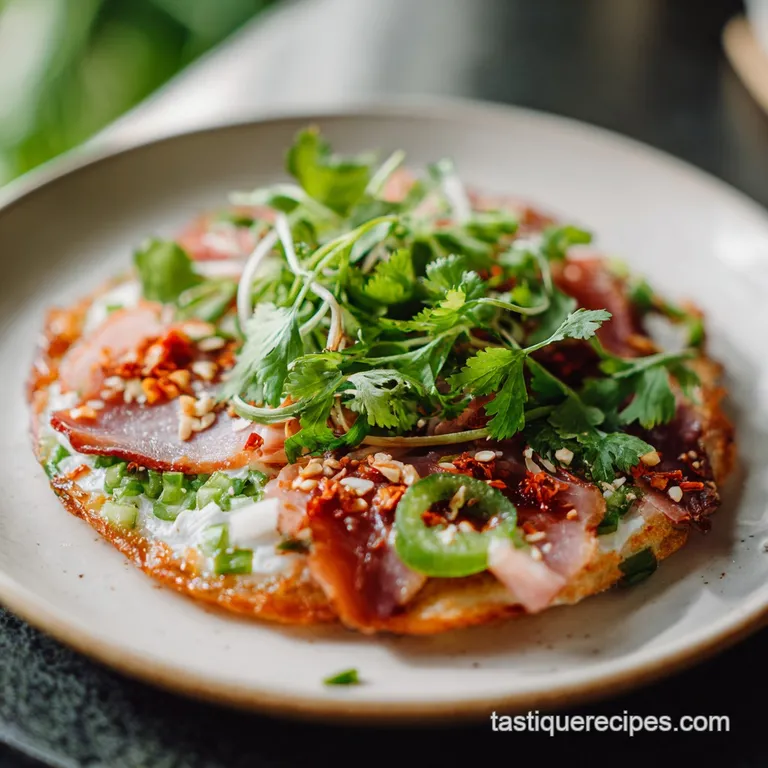
- Time: Active 5 minutes, Passive 5 minutes, Total 10 minutes
- Flavor/Texture Hook: Shatter crisp base with a velvety egg topping and umami rich pork
- Perfect for: Late night cravings, quick solo lunches, or beginner friendly fusion cooking
Creating This Vietnamese Pizza Rice Paper
Imagine standing on a humid street corner in District 1, Saigon. You hear the rhythmic scraping of a metal spatula against a grill and catch the scent of scallions hitting hot rendered fat. That first bite of a real Vietnamese pizza isn't just a snack it's a sensory explosion.
The base is so thin it practically shatters like glass, while the topping is a creamy, spicy, savory mix that somehow stays light. I tried to recreate this for months, failing miserably because I kept making the rice paper soggy or burning the edges before the egg set.
We've all been there, standing over a smoking pan wondering why our "easy" snack looks like a limp napkin. But after dozens of trials, I've figured out the trick is all about the "dry heat" method. You aren't frying this in oil; you're essentially toasting it while the toppings cook through.
It's brilliant because it requires zero specialized equipment just a flat pan and a bit of patience.
This version uses the classic combo of ground pork, scallions, and that signature drizzle of Kewpie mayo. If you've never had dried shrimp before, don't be intimidated. They provide a deep, salty funk that defines the dish.
Once you nail the technique, you'll be making these every single time you have a spare ten minutes. It's the kind of recipe that makes you feel like a pro without needing a culinary degree.
The Science of the Crunch
Thermal Expansion: The rice paper contains tiny amounts of residual moisture that turns to steam, causing the sheet to puff slightly and become rigid.
Egg Emulsification: As the egg cooks atop the rice paper, it creates a protein based seal that prevents the sauces from migrating into the base and causing sogginess.
Maillard Reaction: The combination of the dried shrimp and ground pork releases amino acids that brown quickly under direct heat, intensifying the savory profile.
| Method | Cook Time | Texture | Best For |
|---|---|---|---|
| Dry Skillet | 5 minutes | Maximum shatter crisp | Authentic street style |
| Air Fryer | 4 minutes | Evenly puffed edges | Hands off prep |
| Oven (400°F) | 6 minutes | Drier, cracker like | Making multiple at once |
Getting the temperature right is everything. If the pan is too hot, the rice paper curls into a tube before you can even get the egg on. If it's too cool, the egg soaks in and you get a rubbery mess. We want a medium low heat that gives us enough time to spread the toppings while the base slowly firms up. If you're looking for more ways to use these wrappers, you should definitely check out my Crispy Rice Paper recipe for another take on that signature crunch.
Component Analysis
| Ingredient | Science Role | Pro Secret |
|---|---|---|
| Rice Paper | Structural Base | Use the thickest 22cm sheets you can find to prevent tearing. |
| Large Egg | Binding Agent | Whisk the egg directly on the paper to save dishes and ensure even coverage. |
| Dried Shrimp | Flavor Catalyst | Toast these in the pan for 30 seconds before starting for a deeper aroma. |
| Ground Pork | Protein Density | Ensure the pork is fully cooked and crumbled finely for better distribution. |
What You Need Now
This list is intentionally simple, but the quality of your condiments makes a huge difference. Trust me, don't even bother with low-fat mayonnaise here; the fat is what carries the spice from the Sriracha.
- 1 sheet large rice paper (22cm): Why this? The standard size fits perfectly in a 10 inch skillet.
- 1 large egg: Why this? Acts as the "glue" for all your other toppings.
- 1 tsp salted dried shrimp: Why this? Provides the essential "funk" and salty kick of street food.
- 2 tbsp finely sliced scallions: Why this? Adds freshness and a sharp, oniony bite.
- 1 tbsp fried shallots: Why this? Offers a secondary layer of crunch and sweet, toasted flavor.
- 1 tsp chili oil: Why this? Adds heat and a beautiful red sheen to the topping.
- 2 tbsp cooked ground pork: Why this? Adds heartiness; make sure it's seasoned simply with salt/pepper.
- 1 tbsp Kewpie mayonnaise: Why this? Creamier and richer than western mayo thanks to egg yolks.
- 1 tsp Sriracha sauce: Why this? The classic vinegar based heat to cut through the richness.
| Original Ingredient | Substitute | Why It Works |
|---|---|---|
| Salted Dried Shrimp | Finely chopped bacon | Similar salty, fatty profile. Note: Changes the flavor to be more smoky. |
| Ground Pork | Canned Tuna | Provides protein and fat. Note: Drain well to avoid making the base soggy. |
| Kewpie Mayonnaise | Sour cream + pinch of sugar | Mimics the tang and fat content. Note: Less silky than the original. |
Choosing the Right Tools
You don't need a high tech kitchen for this, but the pan choice is non negotiable. A heavy bottomed non stick skillet is your best friend here. If you use stainless steel without enough seasoning, that egg will bond to the metal faster than you can say "pizza."
A wide, flat spatula is also essential. You need to be able to get under the rice paper without cracking it. I prefer a thin silicone or fish spatula. If you have a kitchen torch, you can even use it to lightly char the top of the mayo at the end for a smoky, restaurant quality finish.
step-by-step Instructions
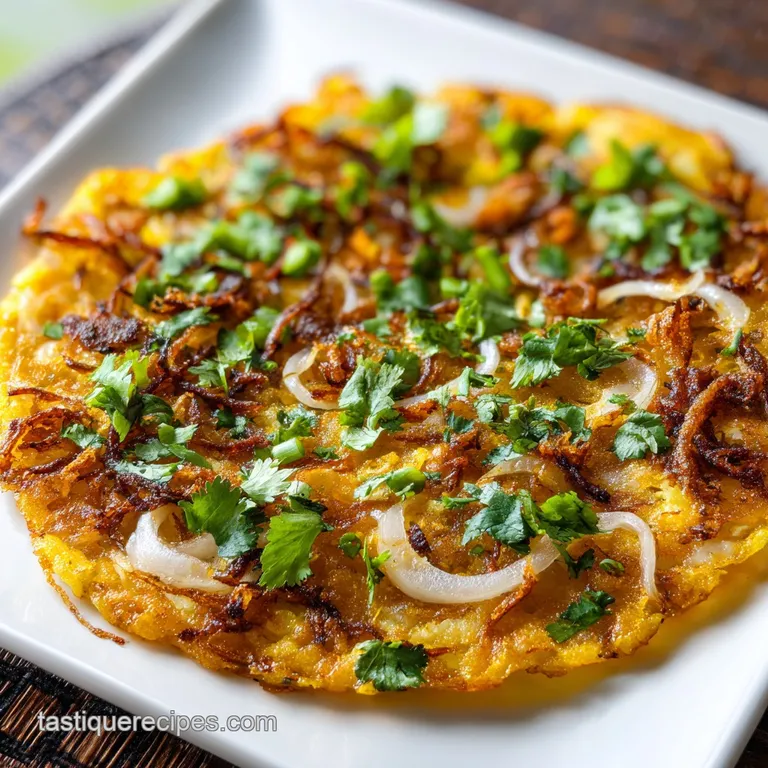
1. Prepping the Canvas
Place your dry skillet over medium low heat. Do not add oil. Once the pan is warm to the touch, lay the single sheet of rice paper flat in the center. Note: The paper might curl slightly at first; this is normal as the residual moisture evaporates.
2. Sealing the Base
Crack the egg directly onto the center of the rice paper. Use a spoon or the back of your spatula to gently break the yolk and spread the egg all the way to the edges. Cook for 1 minute until the egg starts to look opaque.
3. Layering the Flavors
Sprinkle the salted dried shrimp and the cooked ground pork evenly over the wet egg. The egg acts as a cement, holding these heavy ingredients in place. Wait until you hear a light sizzle from the bottom.
4. Adding Aromatics
Distribute the sliced scallions and fried shallots across the surface. The heat from the base will begin to wilt the scallions, releasing their bright, peppery aroma.
5. Spicing It Up
Drizzle the chili oil over the top. Use the tip of a spoon to swirl it into the egg slightly if you want a marbled look. Cook for 2 minutes until the edges of the rice paper look golden and start to lift.
6. The Sauce Finish
Drizzle the Kewpie mayonnaise and Sriracha in a zigzag pattern across the whole pizza. Don't be shy here; the sauces provide the moisture needed to balance the crispy base.
7. Achieving the Shatter Crisp
Check the bottom of the rice paper. It should be stiff and move as one solid piece when you shake the pan. Continue cooking until the bottom is deeply toasted and smells like popcorn.
8. Folding and Serving
You can serve it flat, but the traditional way is to fold it in half like a taco. Use your spatula to fold one side over. Hold for 10 seconds to let the heat "set" the fold.
9. Resting
Slide the pizza onto a wire rack or a wooden board. Let it sit for 30 seconds before eating. This allows the steam to escape so the bottom doesn't lose its crunch against a cold plate.
Pro Fixes for Success
Why Your Base Is Chewy
If your rice paper feels like leather instead of a cracker, your heat was likely too low or you used too much wet topping. The rice paper needs sustained, dry heat to undergo that structural change into a crisp. If you see the egg soaking through the bottom before the paper hardens, turn the heat up just a touch.
Why the Edges Burn
Rice paper is incredibly thin at the perimeter. If the center is still raw but the edges are turning black, your pan is too hot. Move the pan off the heat for 30 seconds to let the temperature stabilize. You want a slow toast, not a flash fry.
| Problem | Root Cause | Solution |
|---|---|---|
| Soggy Center | Too much egg or sauce | Spread the egg thinner and wait to add sauces until the very end. |
| Paper Curling | Pan is too hot initially | Start with a warm pan, not a screaming hot one. Press down with a spatula. |
| Toppings Falling Off | Egg set too fast | Add your dry ingredients immediately after breaking the yolk while it's still liquid. |
Common Mistakes Checklist
- ✓ Never soak the rice paper in water first; it must go into the pan completely dry.
- ✓ Avoid using "low carb" rice paper alternatives as they don't have the starch content to crisp up.
- ✓ Don't overcrowd the toppings; a thin layer ensures the base stays structural.
- ✓ Use a completely dry spatula to fold, or the steam will soften the contact point.
Adjusting the Batch Size
Scaling Down: This recipe is already designed for a single serving. If you want a smaller snack, you can use the smaller 16cm rice paper sheets, but you'll need to use a smaller egg (or half a whisked large egg) to prevent overflow.
Scaling Up: If you're making these for a group, don't try to fit two in one pan. Work in batches. You can keep the finished pizzas warm in a 200°F (95°C) oven on a wire rack for about 15 minutes. Any longer and they will begin to toughen. For a larger crowd, you might want to consider serving this alongside a Japanese Fruit Sandwich recipe for a fun, contrasting sweet and savory brunch spread.
Kitchen Truths
One big misconception is that you need a charcoal grill to get the "real" flavor. While the smoky char from coal is traditional, the flavor mostly comes from the dried shrimp and the toasted rice. You can mimic that smokiness with a drop of liquid smoke in your chili oil or by using smoked paprika on your pork.
Another myth is that you can't make this vegan. While the egg is "the glue," you can actually use a thin slurry of mung bean flour and water to achieve a similar binding effect. It won't be identical, but it gets you 90% of the way there in terms of texture.
Preservation and Waste
Storage: Honestly, this is a "eat it now" kind of dish. Rice paper is hygroscopic, meaning it sucks moisture out of the air. Within an hour, it will lose that glass like crunch. If you must store it, wrap it tightly in foil and keep it in the fridge for up to 24 hours.
Reheating: Whatever you do, do not use the microwave. You'll end up with a rubbery disc. Reheat it in a dry skillet over medium heat for 2-3 minutes, or pop it in an air fryer at 350°F (180°C) for 90 seconds to bring back the crisp.
Zero Waste Tip: If you have broken rice paper pieces at the bottom of the bag, don't toss them! Fry them in a little oil for 5 seconds until they puff up into crackers. Use them as a crunchy topping for salads or soups.
Best Pairing Options
This pizza is a heavy hitter on the umami scale, so you want something bright and acidic to cut through the mayo and pork fat. A cold glass of iced tea with plenty of lime is the classic choice. If you're looking for a more substantial meal, it pairs beautifully with a light noodle dish like my Vegan Dan Dan recipe — the creamy tahini in the noodles plays off the Kewpie mayo on the pizza perfectly.
If you're serving this as an appetizer for a dinner party, consider a side of quick pickled carrots and daikon. The crunch of the pickles matches the crunch of the rice paper, while the vinegar cleanses your palate between those rich, savory bites.
Just remember to keep the pizza as the star it's best served hot, straight from the pan, while the "shatter" factor is at its peak.
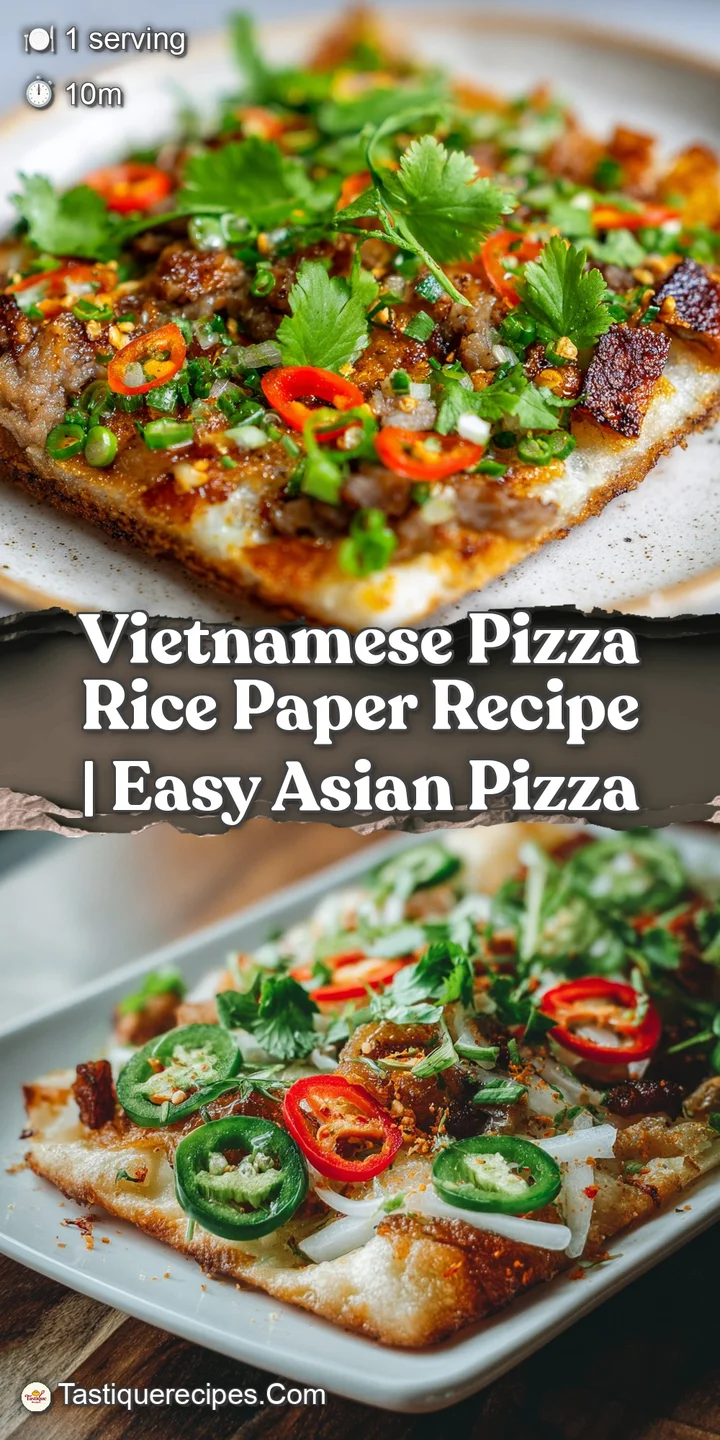
Recipe FAQs
How to make Vietnamese rice paper pizza?
Heat a dry, non-stick skillet over medium low heat. Place one dry rice paper sheet in the pan, crack an egg directly on top, and quickly spread it to the edges before adding your meat and toppings.
What is a Vietnamese rice paper dish called?
It is commonly known as Bánh Tráng Nướng. This translates directly to "grilled rice paper" and captures the essence of the crisp base.
Are Vietnamese rice starch paper rolls healthy?
Generally, no, this specific pizza preparation is not considered strictly healthy. While the rice paper itself is low in fat, the typical toppings involve high amounts of mayonnaise and ground pork, making it rich and calorie dense.
What's the difference between bánh tráng and rice paper?
Bánh Tráng is the Vietnamese term for dried rice paper wrappers themselves. While many western brands are similar, Vietnamese bánh tráng intended for this dish is often thinner and designed to crisp up beautifully when dry-heated, unlike wrappers intended for fresh spring rolls.
Can I substitute the ground pork with another protein?
Yes, ground chicken or finely crumbled tofu are excellent substitutes. When swapping proteins, focus on ensuring the replacement is finely crumbled so it cooks quickly and evenly, similar to how you would handle the mixture in a Mushroom Walnut Bolognese recipe.
Why is my rice paper base turning chewy instead of crispy?
No, the heat was likely too low or you applied wet toppings too soon. The key to crispness is dry heat exposure, which allows the starch structure to set before the egg binds everything together.
What is the best way to reheat leftover Bánh Tráng Nướng?
Use a dry skillet or an air fryer, never the microwave. Reheat in a dry skillet over medium heat for 2-3 minutes to reactivate the crunch; avoid microwaving as it causes the starch to turn rubbery quickly.
Vietnamese Pizza Rice Paper
Ingredients:
Instructions:
Nutrition Facts:
| Calories | 392 kcal |
|---|---|
| Protein | 17.2 g |
| Fat | 28.4 g |
| Carbs | 16.8 g |
| Fiber | 1.1 g |
| Sugar | 2.3 g |
| Sodium | 645 mg |
