Rye Flour Chocolate Chip Cookies Recipe
- Time: Active 20 minutes, Passive 12 minutes, Total 32 minutes
- Flavor/Texture Hook: Deeply malty with a velvety, fudge like center
- Perfect for: Impressing foodies or a cozy weekend baking session
- Best Ever Rye Flour Chocolate Chip Cookies
- Why This Cookie Always Wins
- Component Analysis For Success
- Finding The Best Cookie Ingredients
- Gear For The Best Results
- How To Make Perfect Cookies
- Solving Your Common Baking Issues
- Adjusting The Recipe Size
- Creative Ways To Change Flavors
- Keeping Your Cookies Fresh Longer
- Best Ways To Enjoy Cookies
- Common Rye Baking Myths
- Recipe FAQs
- 📝 Recipe Card
Best Ever Rye Flour Chocolate Chip Cookies
The first time I pulled a tray of these out of the oven, the kitchen didn't just smell like sugar; it smelled like toasted nuts and warm malt. My roommate actually came running down the stairs, convinced I was roasting something fancy for dinner.
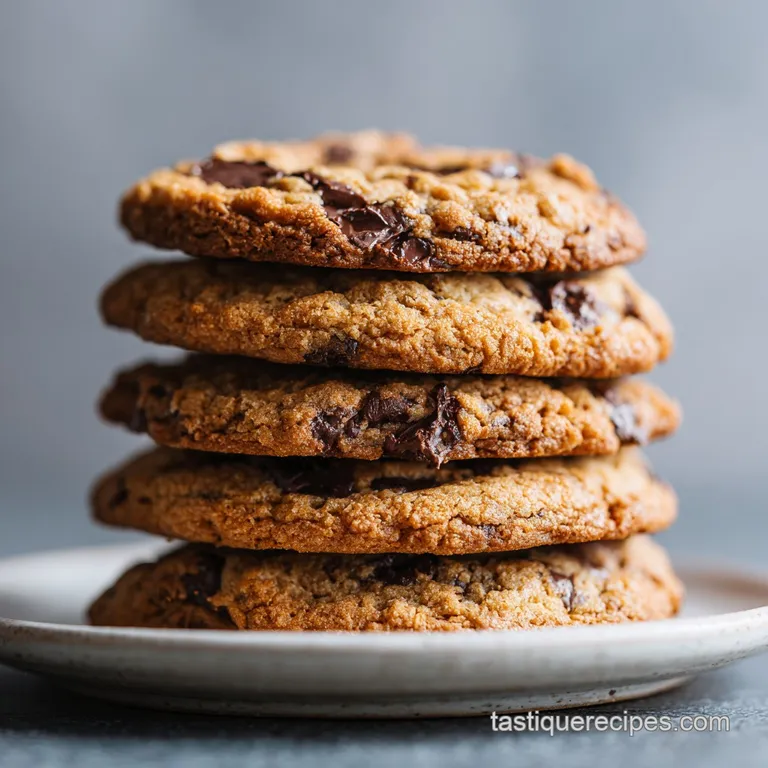
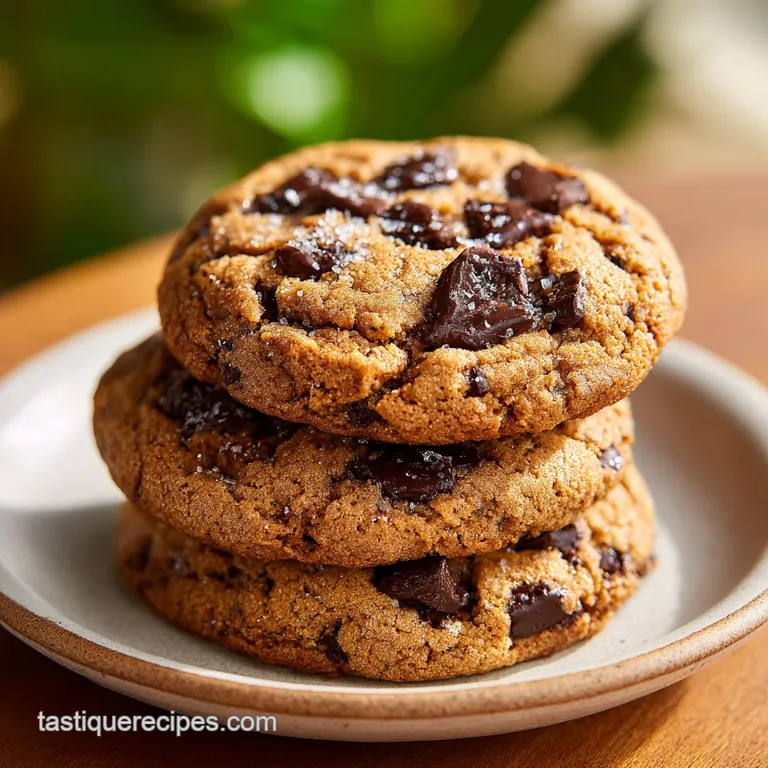
I remember the way the bittersweet chocolate pools shimmered against that dark, rustic dough. It was a total revelation.
I used to think rye was just for sourdough or deli bread, but once I tried it in a sweet context, I never looked back. These cookies have this incredible way of staying moist for days, thanks to the way the rye interacts with the sugars.
You get that initial crunch on the rim, but the middle stays so tender it's almost like a brownie. Trust me, once you go rye, the standard version feels a bit one note.
Why This Cookie Always Wins
- Enzymatic Activity: Rye flour contains high levels of amylase, which breaks down starches into sugars faster, intensifying the Mailed reaction for a deeper, caramelized crust.
- Hygroscopic Power: The heritage grains are moisture magnets, pulling hydration into the crumb to ensure a velvety texture that doesn't go stale.
- Pentosan Structure: Rye is rich in pentosans (mucilaginous carbohydrates) that create a thick, viscous dough, resulting in a unique "shatter" rather than a simple crunch.
- Flavor Synergy: The earthy, slightly acidic notes of the rye perfectly balance the high fat content of the butter and the intensity of dark chocolate.
The Physics of the Rise
Rye flour has less gluten forming protein than wheat, which prevents the cookies from becoming tough or bread like even if you overmix the dough. This lack of a strong gluten web allows the sugars to spread and caramelize more evenly across the surface.
| Thickness | Internal Temp | Rest Time | Visual Cue |
|---|---|---|---|
| 1.5 cm | 85°C | 10 mins | Edges set, center puffed |
| 2 cm | 82°C | 15 mins | Golden rim, soft middle |
| 1 cm | 88°C | 5 mins | Fully browned, crisp |
Choosing the right chocolate makes a massive difference here. While chips are convenient, chopping a bar of high-quality bittersweet chocolate creates varying sizes of "shards" that marble through the dough. If you've tried my Miso Chocolate Chip recipe, you know how much I love that salty sweet balance, and this rye version hits that same satisfying chord with even more earthiness.
Component Analysis For Success
| Ingredient | Science Role | Pro Secret |
|---|---|---|
| Dark Rye Flour | Provides structural viscosity | Toast it lightly before mixing |
| Espresso Powder | Enhances cocoa aromatics | Dissolve in warm butter first |
| Vanilla Bean Paste | Aromatic depth | Use paste for visible specks |
Finding The Best Cookie Ingredients
- 1 cup (227g) unsalted butter: Why this? Provides the fat base for a tender, melt in-your mouth texture. (Sub: Salted butter, but reduce added salt).
- 1 cup (200g) dark brown sugar, packed: Why this? The molasses content adds moisture and a deep toffee flavor. (Sub: Light brown sugar for a milder taste).
- 0.5 cup (100g) granulated sugar: Why this? Essential for achieving those crisp, crackly edges. (Sub: Coconut sugar for a nuttier vibe).
- 1 large egg: Why this? Acts as the primary emulsifier and binder for the dough. (Sub: Flax egg, though the rise will be denser).
- 1 tbsp vanilla bean paste: Why this? Offers a more intense floral aroma than standard extract. (Sub: 1 tbsp vanilla extract).
- 1 tsp espresso powder: Why this? Boosts the dark notes of the chocolate without tasting like coffee. (Sub: Finely ground instant coffee).
- 1.5 cups (180g) dark rye flour: Why this? The star ingredient providing the signature malty, rustic flavor. (Sub: Light rye flour for a more subtle effect).
- 0.5 cup (65g) all purpose flour: Why this? Provides just enough gluten to keep the cookie from crumbling. (Sub: Spelt flour for more heritage grain depth).
- 1 tsp baking soda: Why this? Reacts with the acidic brown sugar to create lift and browning. (Sub: 3 tsp baking powder).
- 0.75 tsp fine sea salt: Why this? Sharpens all the other flavors and cuts the sweetness. (Sub: Table salt, but use slightly less).
- 8 oz (225g) bittersweet chocolate, roughly chopped: Why this? Creates irregular "pools" of molten chocolate throughout. (Sub: Dark chocolate chips).
- 1 tsp flaky sea salt: Why this? Adds a crunch and a final burst of flavor on top. (Sub: Maldon salt or omit if sensitive).
Gear For The Best Results
You don't need a professional kitchen to pull off these rye flour chocolate chip cookies, but a few specific tools make it much easier. Honestly, don't even bother with a hand whisk for the butter and sugar you want a stand mixer or electric beaters to really aerate that mixture.
A heavy duty baking sheet is also non negotiable; thin pans warp in the heat and cause uneven browning, which is the last thing we want for these beauties.
I also swear by using a triggered cookie scoop. It ensures every single one is exactly the same size, which means they all finish baking at the exact same second. No more half burnt, half raw trays.
If you’re feeling extra, a silicone baking mat (like a Silpat) helps the bottoms get that perfectly even, golden brown tan without sticking.
How To Make Perfect Cookies
- Cream the butter. Beat the 227g unsalted butter with the 200g dark brown sugar and 100g granulated sugar for 3 minutes until pale and fluffy. Note: This aeration is vital for the cookie's structure.
- Add the aromatics. Mix in the egg, 1 tbsp vanilla bean paste, and 1 tsp espresso powder. Beat until the mixture looks like thick caramel.
- Whisk the dry. In a separate bowl, combine the 180g dark rye flour, 65g all purpose flour, 1 tsp baking soda, and 0.75 tsp fine sea salt.
- Combine the mixtures. Fold the dry ingredients into the wet. Mix until just a few streaks of flour remain.Note: Overmixing at this stage can lead to a tougher texture.
- Prep the chocolate. Roughly chop the 225g bittersweet chocolate into irregular shards.
- Fold in chocolate. Add the chocolate pieces to the dough. Stir gently to distribute evenly.
- Chill the dough. Refrigerate the dough for at least 30 minutes. Wait until the dough feels firm to the touch.Note: This prevents excessive spreading during the bake.
- Scoop and space. Form balls of roughly 2 tablespoons each and place on a lined sheet. Ensure 5 cm of space between each ball.
- Bake the tray. Bake at 180°C for 12 minutes until the edges are dark gold and the center is slightly soft.
- Finish with salt. Sprinkle with 1 tsp flaky sea salt immediately. Let them cool on the pan for 10 minutes to set.
Chef's Tip: Freeze your chopped chocolate for 10 minutes before folding it into the dough. This prevents the chocolate from "bleeding" into the dough, keeping those beautiful, distinct dark shards intact during the bake.
Solving Your Common Baking Issues
Baking with heritage grains can be a little different if you're used to only using all purpose flour. Rye is thirstier, so the dough will feel stiffer than what you might expect. But what about the sogginess?
If they feel too soft, it's usually an oven calibration issue or not letting them rest long enough on the hot pan.
Why Your Cookies Spread
If your cookies end up looking like thin pancakes, the butter was likely too warm when you started, or you skipped the chill step. Rye flour needs that time in the fridge to fully hydrate. When the flour is properly hydrated, it holds its shape much better under heat, giving you that thick, chunky profile we're after.
| Problem | Root Cause | Solution |
|---|---|---|
| Flat Cookies | Butter too warm | Chill dough for 1 hour |
| Gritty Texture | Improper mixing | Cream butter and sugar longer |
| No Rye Flavor | Using light rye | Switch to whole grain dark rye |
Common Mistakes Checklist
- ✓ Measure your flour by weight, not volume (rye is dense!).
- ✓ Ensure your egg is at room temperature to avoid curdling the butter.
- ✓ Don't skip the espresso powder; it's the bridge between the rye and chocolate.
- ✓ Let the baking sheet cool completely between batches.
- ✓ Use a sharp knife for the chocolate to get those tiny, meltable "dust" pieces too.
Adjusting The Recipe Size
If you're just baking for yourself, you can easily halve this. Beat one egg in a small bowl and use exactly half of it by weight (about 25g). Reduce the baking time by about 2 minutes since a smaller batch often means smaller cookies.
For doubling the recipe, I recommend using two separate bowls for the final mixing to ensure the chocolate stays evenly distributed.
| Fresh Hand Chopped | store-bought Chips | Outcome Difference |
|---|---|---|
| Irregular pools | Uniform dots | Chopped creates a layered, "marbled" texture |
| Melts instantly | Holds shape | Chips contain stabilizers that prevent melting |
| Intense cocoa | Sweeter profile | Hand chopped allows for higher cacao percentages |
For another rich treat that uses a unique ingredient for texture, you might want to try my Chocolate Tofu Mousse recipe — it has that same velvety finish as these cookies!
Creative Ways To Change Flavors
- The Midnight Variation: Replace 20g of the rye flour with black cocoa powder for an "Oreo style" dark cookie.
- The Boozy Rye: Soak your chopped chocolate in a tablespoon of bourbon for 10 minutes before folding.
- Nutty Crunch: Add 50g of toasted, crushed walnuts to the dough during the final fold.
- The Zest Factor: Add the grated zest of one orange to the sugar before creaming for a bright, citrusy lift.
Keeping Your Cookies Fresh Longer
Storage: These cookies actually improve on day two! Keep them in an airtight container at room temperature for up to 5 days. The rye flour keeps them moist much longer than standard wheat cookies.
Freezing: You can freeze the unbaked dough balls for up to 3 months. Bake them straight from the freezer, just add 2 minutes to the total time. If freezing baked cookies, wrap them individually in plastic wrap and store in a freezer bag for 2 months.
Zero Waste: If you have "dust" left over from chopping the chocolate, don't toss it! Stir it into your morning oatmeal or sprinkle it over a bowl of yogurt. Any stale cookie crumbs make a world class base for a cheesecake crust or a topping for vanilla ice cream.
Best Ways To Enjoy Cookies
These are incredibly rich, so they pair beautifully with a cold glass of oat milk or a bitter black coffee. If you want to get really fancy, serve them slightly warm with a scoop of salted caramel gelato. The temperature contrast between the melting chocolate and the cold ice cream is absolute heaven.
They also make for a killer ice cream sandwich. Just make sure the cookies are completely cooled before assembly, or you'll end up with a delicious, sticky mess. If you're hosting a brunch, these look beautiful stacked on a rustic wooden board next to some Spelt Flour Pancakes recipe and fresh berries.
Common Rye Baking Myths
One big misconception is that rye makes cookies "healthy" and That's why less tasty. While rye does have more fiber, its primary role here is flavor and texture. It adds a sophisticated bass note that white flour simply can't achieve.
Another myth is that you can swap AP flour for rye 1:1 in any recipe. You can't! Rye absorbs much more liquid and has no gluten strength, so you need a specific balance like the one we've built here to keep the cookie from falling apart into a pile of crumbs. Right then, let's get baking!
Trust me on this the smell alone is worth the effort.

Recipe FAQs
Can I substitute all-purpose flour completely for the rye flour?
No, definitely substitute partially. Replacing all the rye flour with AP flour will result in a standard cookie lacking the signature malty depth and chewy texture rye provides.
How to prevent the cookies from spreading too thin during baking?
Chill the dough for at least 30 minutes. The rye flour needs time to fully hydrate, which stiffens the dough and prevents excessive melting before the structure sets in the oven.
Is it true that using chopped chocolate instead of chips makes the cookie better?
Yes, this yields superior texture. Chopping a bar creates irregular shards of varying sizes, leading to beautiful molten pools alongside smaller, intensely flavored chocolate pieces.
How do I ensure the centers of these dense cookies are fudgy and not raw?
Pull the cookies when the edges are set but the center still looks slightly soft. The residual heat from the hot baking sheet will continue cooking the center to a perfect fudge texture as they rest.
Why should I add espresso powder to a chocolate cookie recipe?
Espresso powder deepens the perceived chocolate flavor without adding coffee taste. It acts as an aromatic amplifier, working similarly to how salt enhances sweetness, especially effective with dark chocolate.
How long should I cream the butter and sugars for optimal lift?
Cream for a full 3 minutes until the mixture is pale and noticeably fluffy. This process incorporates air bubbles that are crucial for giving the denser rye dough its necessary lift, similar to the aeration required in our Homemade Yakult Recipe for a lighter texture.
What is the best way to store leftover cookies to maintain moisture?
Store them in an airtight container at room temperature for up to 5 days. The rye flour naturally retains moisture better than wheat flour, meaning they stay delightfully soft for nearly a week.
Rye Flour Cookie Recipe
Ingredients:
Instructions:
Nutrition Facts:
| Calories | 279 kcal |
|---|---|
| Protein | 2.5 g |
| Fat | 15.7 g |
| Carbs | 33.3 g |
| Fiber | 2.6 g |
| Sugar | 20.1 g |
| Sodium | 142 mg |
