Velvety Miso Caramel Sauce
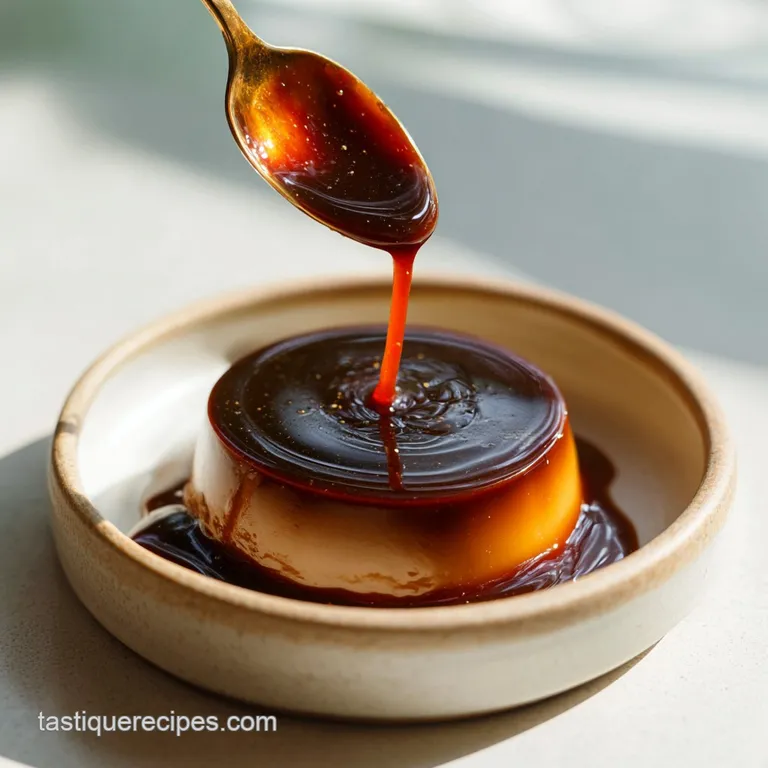
- Time: Active 15 minutes, Passive 5 minutes, Total 20 minutes
- Flavor/Texture Hook: Deeply nutty, salty, and velvety with a mahogany finish.
- Perfect for: High end dessert toppings, artisanal coffee drinks, or gifting.
- Master My Silky Miso Caramel Sauce Recipe
- Reasons This Flavor Profile Works
- Essential Recipe Technical Specs
- Key Ingredients for Success
- Essential Gear for Sugar Work
- Complete Step-by-Step Cooking Guide
- Common Mistakes and Solutions
- Creative Flavor Adaptations
- Storage and Sustainability Tips
- Final Presentation and Plating
- Recipe FAQs
- 📝 Recipe Card
Master My Silky Miso Caramel Sauce Recipe
The first time I tried making a salted caramel, I ended up with a rock hard lump of sugar stuck to my favorite whisk. It smelled like a campfire in the worst way possible. But that smell, that nearly burnt, deep sugar aroma, stayed with me.
It was only when I started experimenting with Japanese ingredients in my modern kitchen that I realized what was missing. The salt was fine, but it was one dimensional. Adding white miso didn't just add salt, it added a fermented, savory depth that made the sweetness actually interesting.
You know that sizzle when cold cream hits molten sugar? It's terrifying and beautiful at the same time. This Miso Caramel Sauce is my go to when I want to impress someone without spending three hours in the kitchen. We're bridging that gap between a traditional French pastry shop and a cozy Tokyo cafe.
It's thick, it's glossy, and it has that restaurant quality finish that makes you feel like a pro.
The beauty of this version is how it handles. Most homemade caramels get grainy or separate the next day, but we've got a few tricks up our sleeve to keep it silky. Trust me, once you've had the savory kick of shiro miso cutting through that organic cane sugar, the stuff in the squeeze bottle at the store just won't cut it anymore.
Reasons This Flavor Profile Works
Developing deep flavor layers is all about balance. In this recipe, we're not just melting sugar, we're orchestrating a series of chemical reactions that result in a complex, multi tonal sauce.
- The Maillard Reaction: By pushing the sugar to a deep mahogany, we create hundreds of new flavor compounds that taste like toasted nuts and dark honey.
- Umami Counterpoint: Shiro miso contains glutamates that trick your brain into perceiving the sweetness as more intense and satisfying without needing extra sugar.
- Enzymatic Harmony: The fermentation in the miso provides a subtle funk that cuts through the heavy fat of the grass fed butter, preventing the sauce from feeling cloying on the tongue.
- Crystal Prevention: Using light corn syrup provides glucose molecules that physically block sucrose crystals from bonding, ensuring your sauce never turns into sandpaper.
| Method | Time | Texture | Best For |
|---|---|---|---|
| Wet Melt (This Recipe) | 15 minutes | Velvety and stable | Beginners and precision |
| Dry Melt | 10 minutes | Intensely bitter/dark | Experienced cooks only |
| Microwave | 8 minutes | Thin and light | Quick ice cream topping |
If you're already on an umami kick, you might love my Miso Chocolate Chip recipe which uses a similar flavor philosophy. It's all about that perfect salt to sweet ratio.
Essential Recipe Technical Specs
When we talk about restaurant quality results, precision is everything. You don't need a degree in chemistry, but you do need to respect the temperatures. Sugar is temperamental. It goes from "perfectly toasted" to "bitter charcoal" in about five seconds.
The carryover heat in a heavy bottomed pan will continue to cook your sugar even after you take it off the flame. This is why we hit it with the cream exactly when it reaches that specific dark amber.
The cream acts as a "quench," dropping the temperature instantly and stopping the caramelization process before it turns into carbon.
| Component | Science Role | Pro Secret |
|---|---|---|
| Organic Cane Sugar | Primary Bulk & Structure | Don't stir once it starts bubbling to avoid crystallization. |
| Heavy Cream (36% fat) | Fat Emulsifier | Warm it slightly before adding to prevent the sugar from seizing. |
| White Miso (Shiro) | Salt & Umami Source | Whisk it into the cream first for a perfectly smooth integration. |
Adding the butter at the very end, once the temperature has dropped slightly, creates a stable emulsion. This gives the sauce that "shatter proof" quality where it stays soft even when drizzled over cold ice cream.
Key Ingredients for Success
Selecting the right elements is the difference between a good sauce and a legendary one. I always reach for grass fed butter because the higher fat content and lower water ratio give a much richer mouthfeel.
- 200g organic cane sugar: Why this? Larger crystals melt more evenly than ultra fine white sugar.
- 60ml filtered water: Why this? Provides the medium for the "wet" caramel method, which is more forgiving.
- 1 tbsp light corn syrup: Why this? Acts as an "interfering agent" to keep the sauce silky smooth.
- 180ml heavy cream (min 36% fat): Why this? The high fat content is essential for a thick, stable emulsion.
- 45g unsalted grass fed butter, room temperature: Why this? Adds a nutty richness that regular butter lacks.
- 1 tsp vanilla bean paste: Why this? The little black specks look beautiful and the flavor is more intense than extract.
- 45g white miso (Shiro miso): Why this? Shiro is the mildest miso, providing salt without overpowering the caramel.
| Original Ingredient | Substitute | Why It Works |
|---|---|---|
| Heavy Cream | Coconut Cream (full fat) | High fat content maintains thickness. Note: Adds a distinct coconut aroma. |
| White Miso | Red Miso (half amount) | Red is much saltier and funkier. Use only 20g to avoid a muddy flavor. |
| Corn Syrup | Honey or Agave | Similar viscous properties prevent sugar crystals from forming. |
If you find yourself with extra miso, it’s a great addition to savory dishes like my Spicy Enoki Mushrooms Recipe, which balances the heat with a similar salty sweet depth.
Essential Gear for Sugar Work
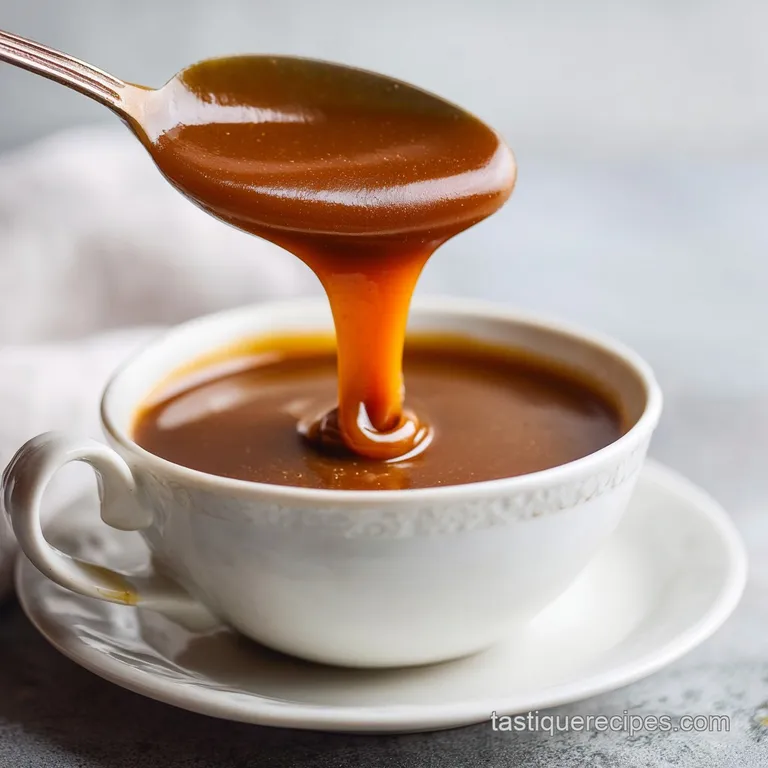
You don't need a lot of fancy equipment, but a heavy bottomed stainless steel saucepan is non negotiable. Thin pans create hot spots that will burn your sugar before the rest of it even melts. I prefer stainless over non stick because you can actually see the color of the sugar changing.
A silicone whisk or a over high heat spatula is also a lifesaver. Avoid plastic tools that might melt, and be careful with wooden spoons as they can sometimes hold onto moisture or old flavors that mess with the sugar's chemistry.
Finally, a digital thermometer is great, but your eyes and nose are your best tools for this specific sauce.
Complete step-by-step Cooking Guide
- Combine sugar and liquids. Place 200g organic cane sugar, 60ml filtered water, and 1 tbsp light corn syrup in a heavy saucepan. Note: The syrup is your insurance policy against grittiness.
- Dissolve slowly. Heat over medium, stirring gently ONLY until the sugar is dissolved and the liquid is clear.
- Boil without stirring. Increase heat to medium high and let the mixture bubble. Stop stirring now or you'll risk splashing sugar onto the sides of the pan.
- Monitor the color. Watch for the bubbles to slow down and the liquid to turn pale gold, then wait until it hits a deep mahogany amber.
- Prep the cream. While the sugar boils, whisk the 45g white miso into the 180ml heavy cream until no lumps remain.
- Add the cream. Remove the pan from heat and slowly pour in the miso cream. Expect a massive sizzle and steam - it's normal!
- Whisk vigorously. Use your silicone whisk to incorporate the cream into the sugar. Note: If the sugar clumps, just put it back on low heat and stir until it melts again.
- Emulsify the butter. Once smooth, add the 45g room temp butter and 1 tsp vanilla bean paste.
- Final simmer. Return to low heat for 1 minute, whisking constantly until the sauce is glossy and coats the back of a spoon.
- Cool down. Pour the sauce into a glass jar and let it sit uncovered for 20 minutes before sealing.
Chef's Tip: If you want an even deeper flavor, brown the butter in a separate pan first before adding it to the caramel. This "brown butter miso caramel" is life changing.
Common Mistakes and Solutions
Caramel is like a moody teenager - it can turn on you in a second if you don't pay attention. Most issues happen because of temperature fluctuations or premature stirring.
Fixing Gritty Caramel Texture
If your sauce feels like it has sand in it, the sugar has crystallized. This usually happens when a single grain of undissolved sugar falls back into the boiling pot and starts a chain reaction.
Correcting a Broken Emulsion
If you see oil pooling at the top of your sauce, the fat has separated from the sugar. This happens if the cream was too cold or the butter was added to a mixture that was boiling too aggressively.
| Problem | Root Cause | Solution |
|---|---|---|
| Grainy Sauce | Sugar crystallization | Add a splash of water and reheat slowly to redissolve the crystals. |
| Separated/Oily | Temperature shock | Whisk in a tablespoon of room temp cream very quickly off the heat. |
| Too Bitter | Over caramelization | Add a pinch more miso and a dash of vanilla to mask the burnt notes. |
Common Mistakes Checklist
- ✓ Never stir the sugar once it starts boiling (use a wet pastry brush for the sides).
- ✓ Ensure your heavy cream is at least room temperature before adding to the hot sugar.
- ✓ Use a pan that is at least three times larger than the volume of your ingredients.
- ✓ Don't walk away - the transition from amber to burnt takes less than 10 seconds.
- ✓ Whisk the miso into the cream thoroughly before adding to the pot.
Creative Flavor Adaptations
Once you've mastered the base, you can start playing with the profile. This Miso Caramel Sauce is incredibly versatile and can be shifted toward different uses with just a few small tweaks.
- For Coffee Drinks: Thin the sauce by adding an extra 30ml of heavy cream at the end. This makes a "miso caramel sauce for coffee" that dissolves easily in espresso or cold brew.
- Miso Caramel Fudge: Continue boiling the mixture after adding the cream until it reaches 240°F (soft ball stage), then pour into a lined tin to set.
- Spiced Variation: Add a half teaspoon of ground ginger or a pinch of shichimi togarashi for a spicy kick that plays off the miso's saltiness.
If you are looking for a completely different flavor profile for a savory meal, the technique of balancing sweet and salty is very similar to my Vegan Oyster Sauce recipe, which uses mushrooms to provide that same deep umami hit we get from the miso here.
Storage and Sustainability Tips
Proper storage is the key to keeping that velvety texture. Sugar is a natural preservative, but the dairy in this sauce means it needs a cold environment.
- Fridge
- Keep in an airtight glass jar for up to 14 days. If it gets too firm, microwave it in 10 second bursts.
- Freezer
- You can freeze this for up to 3 months. Thaw it overnight in the fridge before reheating.
- Zero Waste Tip
- Don't scrub that "dirty" caramel pan! Add a cup of milk to the pot, heat it up, and whisk. The leftover caramel stuck to the sides will melt into the milk, making the most incredible miso caramel latte.
Final Presentation and Plating
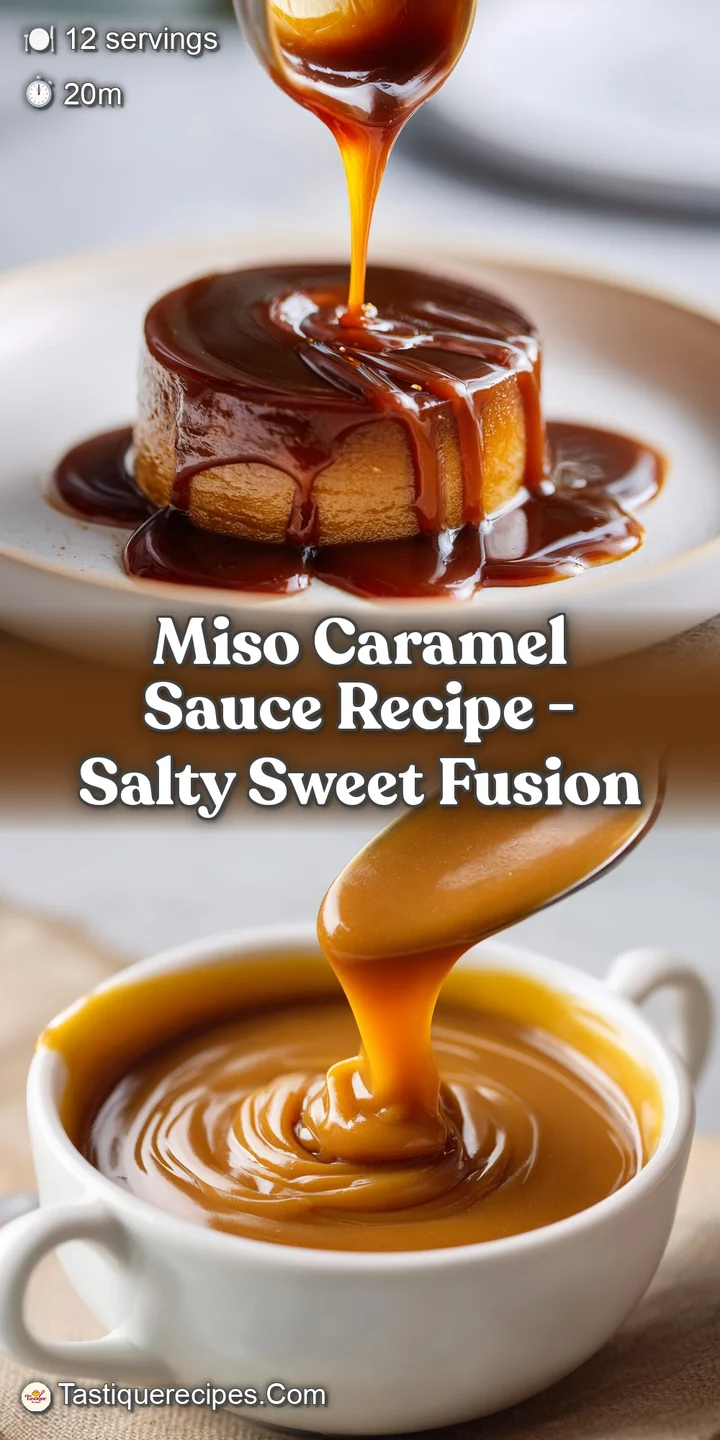
The visual appeal of this sauce comes from its high gloss finish. When plating, I like to use a small squeeze bottle for precision or a heavy silver spoon for a classic "swoosh" across a dessert plate.
The Perfect Drizzle
To get those beautiful, thin lines you see in professional photos, make sure the sauce is slightly warm. Cold sauce will come out in thick globs. If you're serving this over something like my Spicy Potato Stuffed recipe (wait, let's stick to desserts!), perhaps over a warm apple tart or a simple scoop of vanilla bean ice cream.
Enhancing the Visuals
The dark mahogany color of the caramel pops beautifully against white ceramics. I often finish the dish with a tiny sprinkle of toasted sesame seeds or a single flake of Maldon salt. It signals to the guest that this isn't your average caramel - there's something more complex happening underneath that golden surface.
Remember, the goal is "restaurant quality" at home. That means taking the extra thirty seconds to wipe the rim of your jar or ensure your drizzle doesn't look like a mess. You've done the hard work of balancing the chemistry, so let the final product shine!
Recipe FAQs
What is miso caramel made of?
Sugar, cream, butter, and white miso paste. The base is traditional wet caramel made from organic cane sugar, heavy cream, and grass fed butter, which is then enhanced by whisking in mellow Shiro miso for salinity and umami.
What do you do with miso caramel?
Use it as a versatile, complex dessert topping or swirl. It is excellent drizzled over ice cream, stirred into coffee or hot chocolate, or used as a sophisticated filling for baked goods.
What is carmel miso?
It refers to caramel sauce that has been seasoned with miso paste. This combination balances the intense sweetness of caramelized sugar with the deep, savory fermentation notes (umami) characteristic of Japanese miso.
What is miso sauce made of?
Miso sauce typically combines miso paste with a liquid like water, dashi, or soy sauce. The ingredients vary greatly based on use; for example, savory applications might use red miso and vinegar, whereas this caramel uses white (Shiro) miso for subtle background flavor.
How do I keep my miso caramel sauce from getting grainy?
Add a tablespoon of light corn syrup to the initial sugar mixture. The glucose in the syrup acts as an interfering agent, physically blocking the sucrose molecules from forming large, noticeable crystals during the boiling process.
Can I substitute the heavy cream with milk for a lighter sauce?
No, using milk will likely cause the sauce to separate or seize. The high fat content (minimum 36%) in heavy cream is essential for creating a stable emulsion with the hot sugar and butter, ensuring that velvety texture.
How long can I safely store homemade miso caramel sauce?
Store sealed in the refrigerator for up to two weeks. Because it contains dairy, it must be refrigerated; if it becomes too firm, gently warm it in short bursts to restore its pourable consistency.
Miso Caramel Sauce Recipe
Ingredients:
Instructions:
Nutrition Facts:
| Calories | 157 kcal |
|---|---|
| Protein | 0.8g |
| Fat | 8.8g |
| Carbs | 19.7g |
| Fiber | 0.2g |
| Sugar | 18.1g |
| Sodium | 143mg |
