Mahogany Brown Sugar Chops: Crispy and Savory
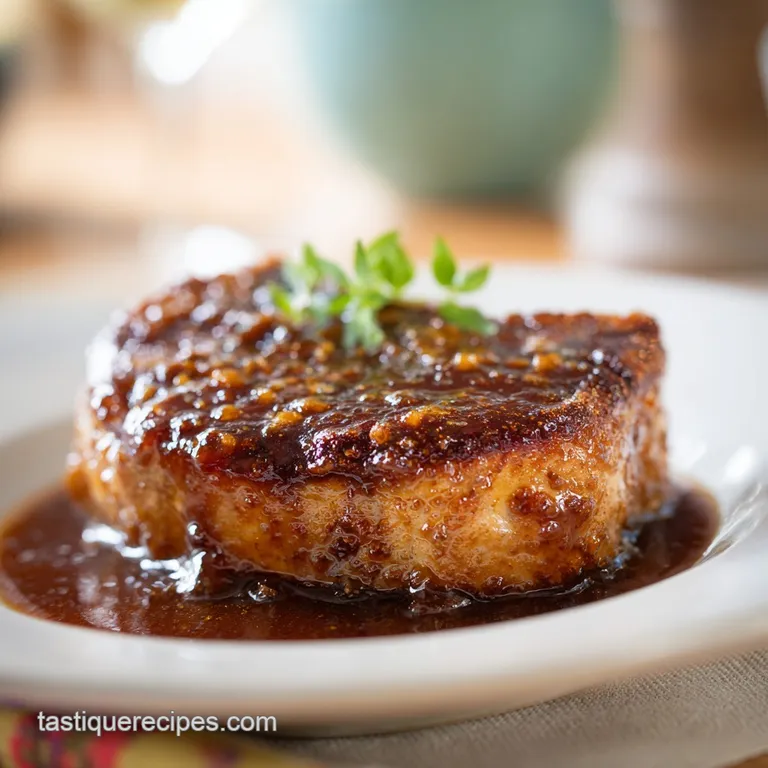
- Time: Active 10 minutes, Passive 15 minutes, Total 25 minutes
- Flavor/Texture Hook: A shatter crisp exterior with a velvety, sweet savory glaze.
- Perfect for: High impact weeknight dinners or impressive date night meals.
- Achieving the Perfect Crust on Delicious Brown Sugar Chops
- Why This Works
- Understanding the Specs for This Restaurant Quality Meal
- Sourcing the Best Components for Maximum Umami Flavor
- Tools for a Professional Searing Experience
- Master the Sear with These Precise Step-by-Step Instructions
- Fixing Texture Flaws and Glaze Errors
- Recipe Variations and Flavor Adaptations
- Scaling the Recipe for Any Crowd
- Debunking Pork Cooking Myths
- Storage Solutions and Using Leftover Pork
- The Best Side Dishes and Presentation
- Recipe FAQs
- 📝 Recipe Card
Achieving the Perfect Crust on Delicious Brown Sugar Chops
The most frustrating thing about cooking pork chops at home is that "gray meat" syndrome. You know the one where the pork looks steamed rather than seared, and the outside is tough while the inside is somehow still dry.
I used to think the answer was just more heat, but that usually just ended up with a smoke filled kitchen and a bitter, burnt mess. The real trick, I've learned, is managing the moisture on the surface while introducing the sugar at the exact right moment so it caramelizes without scorching.
This delicious brown sugar chops recipe is inspired by the fusion flavors I grew up with in modern Asian kitchens, where soy sauce and sugar do more than just season; they create a physical barrier that keeps the juices inside.
The aroma that hits you the moment the butter starts foaming with the garlic and Worcestershire is honestly intoxicating. It smells like a high end steakhouse but with a deeper, more complex sweetness that only dark brown sugar can provide.
We are going for a specific result here: a chop that has a mahogany colored crust and a glaze that looks like liquid gold. If you've ever struggled with pork that feels like chewing on a hockey puck, this method is your fix. We use thick cut, bone in chops because they handle the heat better and stay juicy.
It’s a total game changer for your weeknight rotation, and frankly, it's a lot easier than it looks once you get the basting rhythm down.
Why This Works
- The Arrosé Technique: Basting with hot butter (arrosé) cooks the top of the meat gently while it sears on the bottom, ensuring even heat distribution without overcooking the center.
- Sugar Soy Lamination: The soy sauce provides salt that helps the sugar "stick" to the protein fibers, creating a laminated glaze rather than a thin sauce.
- Cold Butter Buffer: Adding unsalted butter toward the end lowers the pan temperature just enough to prevent the brown sugar from turning bitter and black.
- Bone In Heat Sink: The bone acts as an insulator, slowing down the cooking process near the center to prevent the meat from drying out.
| Method | Cook Time | Crust Texture | Best For |
|---|---|---|---|
| Stovetop (This Recipe) | 15 minutes | Maximum crunch | Achieving deep caramelization |
| Oven Baked | 20 minutes | Softer glaze | Hands off cooking for large groups |
| Air Fryer | 12 minutes | Very crispy | Small batches of boneless chops |
When you are deciding between methods, remember that the stovetop allows you to baste. Basting is what separates a good chop from a "delicious brown sugar chops" experience. The physical action of pouring that bubbling fat over the meat ensures every crevice is coated in flavor.
Understanding the Specs for This Restaurant Quality Meal
| Component | Science Role | Pro Secret |
|---|---|---|
| Avocado Oil | High Smoke Point | Allows for a 200°C sear without the oil breaking down and tasting acrid. |
| Dark Brown Sugar | Caramelization | The molasses content provides a deeper color and more moisture than light brown sugar. |
| Soy Sauce | Proteolysis | The enzymes and salt in soy sauce help break down tough surface proteins for a tender bite. |
| Butter | Emulsification | Creates a glossy finish that helps the glaze coat the meat evenly. |
The key to this dish is the balance of the three precision checkpoints: 1 inch thickness for the meat, an internal temperature of 145°F, and a full 5 minutes of resting time. If your chops are too thin, they will overcook before the sugar has a chance to turn into a glaze.
If you skip the rest, all that beautiful mahogany juice will end up on your cutting board instead of in your mouth.
Sourcing the Best Components for Maximum Umami Flavor
To make these delicious brown sugar chops, you need ingredients that can stand up to high heat. I always reach for avocado oil because its high smoke point is essential for that initial sear. If you use olive oil, it might smoke too much before the pork gets that golden brown color we're looking for.
- Bone in Center Cut Pork Chops: 4 chops (1 inch thick). Why this? The bone adds flavor and prevents the meat from curling during the sear.
- Avocado Oil: 1 tbsp. Why this? Essential for over high heat searing without burning.
- Smoked Paprika: 1 tsp. Why this? Adds a subtle wood fired aroma without needing a grill.
- Onion Powder: 1 tsp. Why this? Provides a savory base that complements the sweetness.
- Garlic Powder: 0.5 tsp. Why this? Distributes flavor more evenly than fresh garlic in the dry rub.
- Coarse Black Pepper: 0.5 tsp. Why this? Adds a sharp bite to cut through the rich glaze.
- Dark Brown Sugar: 0.5 cup (packed). Why this? The high molasses content is the secret to that deep mahogany color.
- Low Sodium Soy Sauce: 2 tbsp. Why this? Provides salt and depth; low sodium allows you to control the seasoning.
- Unsalted Butter: 3 tbsp. Why this? Adds richness and creates the base for the basting liquid.
- Garlic: 3 cloves (smashed). Why this? Smashed cloves release oils into the butter without burning like minced garlic.
- Worcestershire Sauce: 1 tsp. Why this? The fermented anchovy base adds a massive punch of umami.
- Red Pepper Flakes: 0.5 tsp. Why this? Just enough heat to balance the sugar.
Chef's Tip: Take the pork chops out of the fridge 20 minutes before cooking. If they are ice cold in the center, the outside will burn before the inside reaches the safe 145°F mark.
Tools for a Professional Searing Experience
You really want a heavy bottomed skillet for this ideally a 12 inch cast iron pan like a Lodge. Cast iron holds heat better than stainless steel, which means the pan temperature won't drop the second you put the meat in. This is the difference between a sizzle and a hiss.
A good spoon is also necessary for the basting process; choose one with a deep bowl so you can scoop up plenty of that garlic butter sugar mixture.
If you don't have cast iron, a heavy tri ply stainless steel pan will work. Just avoid non stick pans for this recipe. Non stick coatings aren't designed for the over high heat searing we need, and they won't give you that beautiful "fond" (the brown bits) that makes the glaze so flavorful.
Master the Sear with These Precise step-by-step Instructions
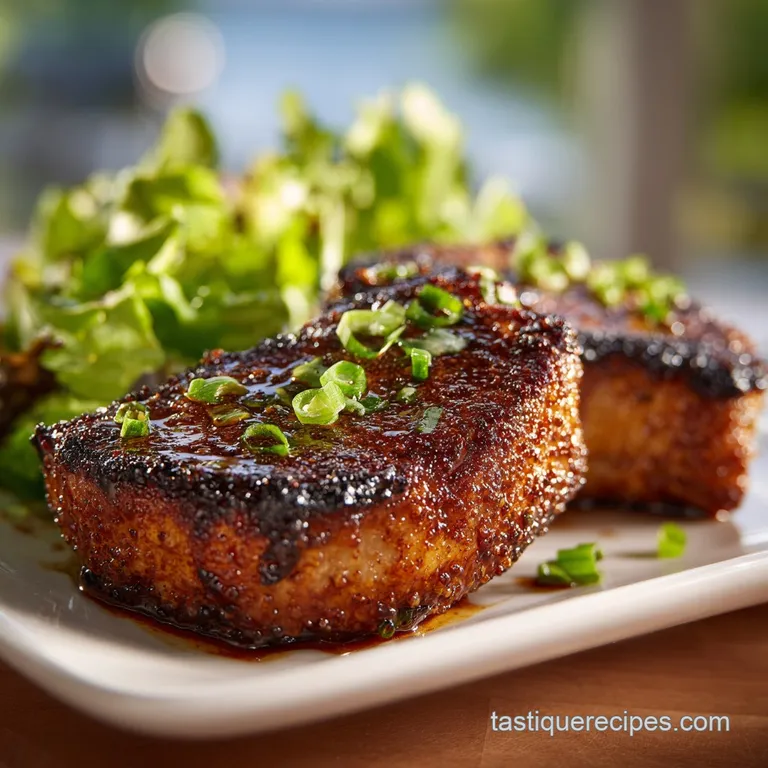
- Dry the meat. Pat the pork chops bone dry with paper towels on all sides. Note: Moisture is the enemy of a good sear; any water left will create steam.
- Apply the rub. Mix the smoked paprika, onion powder, garlic powder, and black pepper. Rub it firmly into both sides of the pork.
- Heat the pan. Add avocado oil to your skillet over medium high heat. Wait until the oil is shimmering and slightly wispy.
- The initial sear. Place the chops in the pan and sear for 3–4 minutes per side. Do not move them until a deep golden brown crust has formed.
- Lower the temp. Reduce the heat to medium. This prevents the upcoming sugar from burning instantly.
- Add the aromatics. Toss in the unsalted butter and the smashed garlic cloves. Listen for a gentle foaming sizzle.
- Create the glaze. Whisk the brown sugar, soy sauce, and Worcestershire in a bowl, then pour it over the chops.
- The basting phase. Tilt the pan slightly and spoon the bubbling glaze over the chops for 2-3 minutes. Wait until the sauce smells like toasted caramel.
- Check internal temperature. Use a thermometer to ensure the pork has reached exactly 145°F.
- The mandatory rest. Remove the chops and let them sit for 5 minutes. The glaze will thicken and "set" during this time.
Fixing Texture Flaws and Glaze Errors
One common issue people face with this brown sugar chops recipe is the glaze breaking or becoming too thin. This usually happens if there is too much rendered fat in the pan or if the heat is too low. The glaze should look like a thick syrup that coats the back of a spoon.
Why Your Glaze Burned
If the glaze turns black and tastes bitter, the pan was likely too hot when you added the sugar. Brown sugar has a low burn point compared to white sugar because of the molasses. Always make sure to drop the heat to medium before adding the sugar soy mixture to the pan.
What If My Pork Is Tough?
Pork becomes tough when it is overcooked. The window between juicy and "leathery" is very small. This is why using a meat thermometer is non negotiable. Once the meat hits 145°F, it must come out of the pan. It will continue to rise a few degrees as it rests.
| Problem | Root Cause | Solution |
|---|---|---|
| Glaze is too thin | Not enough reduction time | Simmer for 1 extra minute after removing the pork. |
| Pork is gray/no crust | Pan wasn't hot enough | Wait for the oil to shimmer before adding the meat. |
| Bitter aftertaste | Burnt garlic or sugar | Add butter earlier to buffer the heat and keep the garlic whole/smashed. |
Common Mistakes Checklist
- ✓ Forgetting to pat the meat dry (leads to gray, soggy pork).
- ✓ Crowding the pan - if you have small pans, cook in two batches to keep the heat high.
- ✓ Cutting into the meat immediately; you must wait the full 5 minutes.
- ✓ Using thin cut "breakfast" chops; these will dry out before the glaze is ready.
Recipe Variations and Flavor Adaptations
If you want to take this in a different direction, you can easily tweak the aromatics. For a more "hot honey" vibe, swap the Worcestershire for a tablespoon of honey and increase the red pepper flakes. The heat and sweetness together create a really vibrant profile. If you're looking for a similar sweet savory balance in a breakfast or brunch context, my Hong Kong French Toast recipe uses a similar philosophy of using soy and sugar to create a deep, complex flavor.
For a one pan meal, you can throw in some halved Brussels sprouts or green beans right after the first flip of the pork. They will roast in the pork fat and then get coated in that delicious brown sugar glaze during the basting phase.
Just make sure not to overcrowd the pan, or the vegetables will steam instead of crisping up.
Decisions for Your Dinner
- If you want it spicier, add a teaspoon of gochujang to the soy sauce mixture.
- If you want it brighter, squeeze half a lime over the finished chops just before serving.
- If you want it smokier, use a dash of liquid smoke in the glaze.
Scaling the Recipe for Any Crowd
When scaling down for one or two people, you can simply halve the ingredients. Use a smaller 8 inch or 10 inch skillet to ensure the glaze doesn't spread too thin and evaporate too quickly in a giant pan. The cook times remain largely the same since you are still cooking the chops individually.
When scaling up to 8 or 12 servings, you should work in batches. Don't try to fit 8 chops in one skillet; the temperature will drop significantly, and you'll lose that crust. Keep the first batch of seared chops on a wire rack over a baking sheet in a warm oven (about 90°C) while you finish the rest.
You can make a larger batch of the glaze separately and pour it over all the chops at the end.
Debunking Pork Cooking Myths
One of the biggest myths is that you have to cook pork until it's white all the way through. This is outdated advice from decades ago. Modern pork is safe to eat at a medium blush, which is exactly what 145°F gives you. If you cook it until it's white, you've gone too far, and the meat will be dry.
Another myth is that the "brown" in the pan is just burnt food. That "fond" is actually concentrated protein and sugar that provides the foundation for the glaze. As long as it's dark brown and not black, it is the most flavorful part of the dish.
Storage Solutions and Using Leftover Pork
Storage: These chops stay delicious in the fridge for up to 3 days when stored in an airtight container. The glaze will thicken and solidify into a jelly like consistency due to the butter and sugar, but it will melt back into a beautiful sauce once reheated.
I don't recommend freezing these after they are cooked, as the texture of the pork can become a bit grainy upon thawing.
Zero Waste: If you have leftover meat, slice it thinly and use it for a sandwich the next day. The brown sugar and soy glaze makes an incredible topping for a bowl of steamed rice and sautéed greens. If you have leftover glaze in the pan, don't toss it!
Scrape it into a small jar and use it to toss roasted carrots or sweet potatoes the following night.
The Best Side Dishes and Presentation
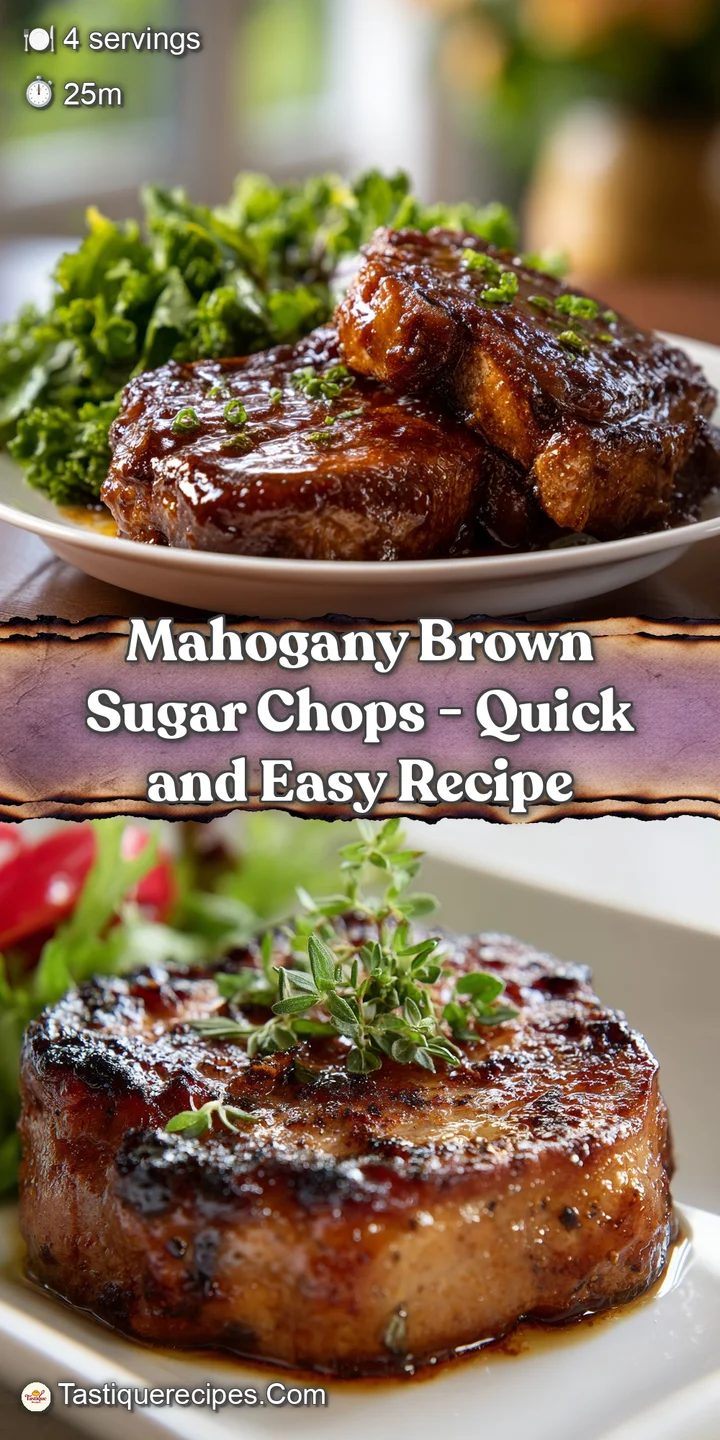
Presentation is everything with a glaze this beautiful. I like to serve these chops on a plain white plate to let that mahogany color pop. A sprinkle of fresh chives or sliced green onions adds a necessary hit of green and a bit of fresh bite to cut through the richness of the butter and sugar.
For sides, you want something that can soak up the extra glaze. A pile of fluffy biscuits is my personal favorite because they act as a sponge for that sweet and salty butter. Alternatively, a simple garlic mash or a cold, crunchy slaw with a vinegar based dressing provides a great textural contrast to the soft, tender pork.
This dish represents the best of what we do in a modern kitchen: taking simple, traditional ingredients like pork and sugar and applying a refined technique like basting to create something that feels truly authentic and restaurant quality.
It's a recipe that invites you to pay attention to the sizzle and the smell, and the reward is a meal that your friends will be texting you about for weeks.
Recipe FAQs
Why is my pork crust soggy instead of crispy?
You likely skipped patting the meat dry. Moisture on the surface prevents the Maillard reaction, so ensure the chops are bone dry before they hit the hot avocado oil.
How to avoid overcooking the pork chops?
Use a meat thermometer and pull the chops at 145°F. Because 1 inch chops cook quickly, relying on the internal temperature rather than time ensures the meat stays succulent.
Is it true I can use thin breakfast style chops for this recipe?
No, this is a common misconception. Thin chops will dry out completely before you have a chance to properly sear them or reduce the brown sugar glaze.
How to serve leftovers after they have been in the fridge?
Reheat them gently in a skillet until the solidified glaze melts back into a liquid. If you enjoy this method of balancing sweet and savory flavors, see how we apply similar techniques in our creamy sauce recipe.
Why must I wait 5 minutes before cutting the meat?
Resting allows the juices to redistribute back into the muscle fibers. Cutting into the pork immediately causes the moisture to spill onto the plate, leaving you with dry meat.
How to prevent the glaze from burning in the skillet?
Reduce the heat to medium before adding the sugar mixture. Keep the sauce moving by continuously basting the chops so the sugars caramelize evenly without scorching.
Is it possible to freeze the cooked chops for later?
No, avoid the freezer if possible. Thawing cooked pork chops often results in a grainy texture, so they are best consumed fresh or stored in the refrigerator for up to 3 days.
Mahogany Brown Sugar Chops
Ingredients:
Instructions:
Nutrition Facts:
| Calories | 687 calories |
|---|---|
| Protein | 46 g |
| Fat | 24 g |
| Carbs | 29 g |
| Fiber | 1 g |
| Sugar | 27 g |
| Sodium | 590 mg |
