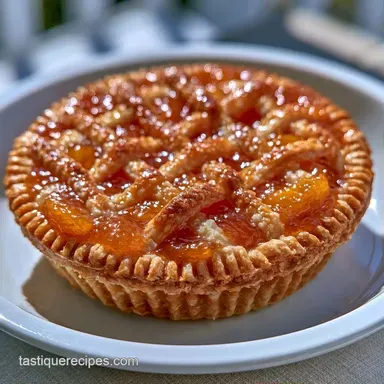
Homemade Peach Pie Crust: Golden Finish
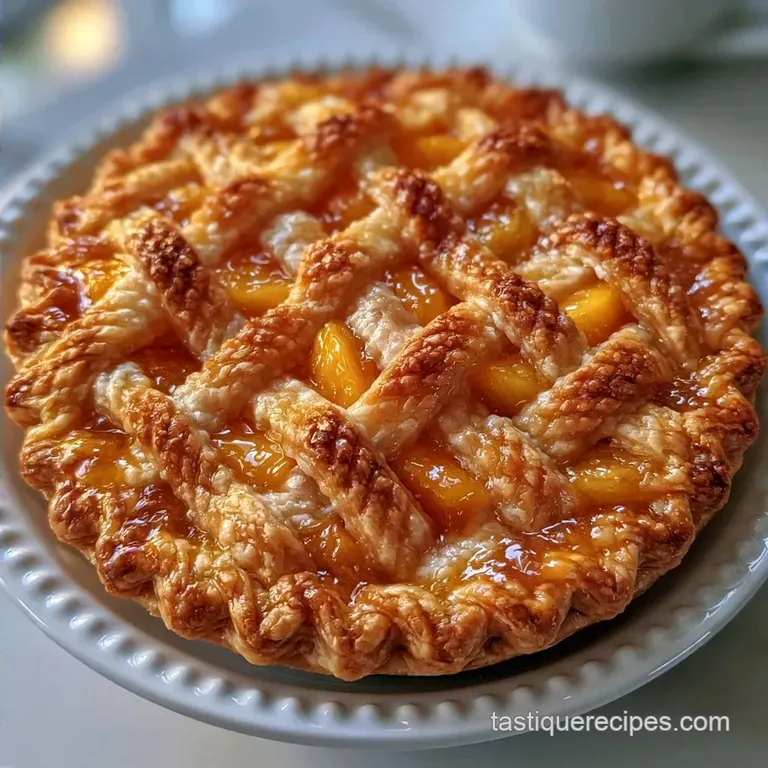
- Time:20 minutes active + 1 hour chilling
- Flavor/Texture Hook: Buttery, mahogany gold finish with a shattering crunch
- Perfect for: Summer gatherings or beginner bakers
The smell of warm peaches and toasted butter always takes me back to August in the South. In those kitchens, pie wasn't just a dessert, it was a social event. People would gather around wooden tables, rubbing butter into flour with their fingertips, chatting while the oven warmed up.
It was slow, rustic baking at its best.
I spent years trying to replicate that specific, shatteringly crisp texture. I used to think I needed fancy European butter or a professional rolling pin. It turns out, the real trick is just keeping everything ice cold.
This Homemade Peach Pie Crust focuses on budget friendly staples but uses a few smart techniques to get a high end result. You don't need a culinary degree, just a bowl and some patience while the dough rests.
Homemade Peach Pie Crust
This recipe focuses on a single, sturdy crust that can handle the heavy, juicy weight of fresh peaches. It's designed to brown deeply in the oven, giving you that rustic look and a rich, toasted flavor.
The result is a pastry that supports the fruit without becoming a soggy mess. By using a small amount of acid and strictly controlling the temperature, we create a crust that's light but strong.
The One Thing That Changes Everything
The biggest factor here is temperature. When cold chunks of butter hit the hot oven, they melt rapidly and create steam pockets that push the flour layers apart.
Cold Butter: Steam from melting fat creates the flakes, while the vinegar stops the gluten from getting too chewy. This method is similar to how some homemade biscuits get their lift, though we want a thinner, more pressed layer here.
| Method | Time | Texture | Best For |
|---|---|---|---|
| Fast Mix | 15 mins | Crumbly/Short | Quick tarts |
| Classic Chill | 1 hr 20 mins | Flaky/Layered | Heavy fruit pies |
Shopping List Breakdown
For the best results, I recommend using a standard all purpose flour from King Arthur Baking because their protein content is consistent. If you're on a tight budget, any store brand works, as long as you keep your butter chilled.
| Component | Purpose | Substitute Notes |
|---|---|---|
| All purpose Flour | Structure | Whole wheat: Heavier texture, nuttier taste |
| Unsalted Butter | Flakiness | Vegan butter: Works well, may brown faster |
| Apple Cider Vinegar | Tenderness | Lemon juice: Same acidity, slightly citrusy |
| Heavy Cream | Color/Richness | Whole milk: Less gold color, lighter taste |
- 2 ½ cups all purpose flour (315g) Why this? Balanced protein for a sturdy but tender crust
- 1 cup unsalted butter, chilled and cubed (225g) Why this? High fat content ensures maximum flakes
- 1 tbsp granulated sugar (12g)
- 1 tsp fine sea salt (6g)
- 6 tbsp ice water (90ml)
- 1 tsp apple cider vinegar (5ml)
- 1 large egg yolk
- 1 tbsp heavy cream (15ml)
- 1 tbsp coarse sanding sugar (12g)
Equipment Needed
While you can manage with basic kitchenware, certain tools simplify the process. Using a pastry cutter helps you incorporate the butter without warming it up with your fingertips.
- Large chilled mixing bowl
- Pastry cutter (or two forks)
- Plastic wrap
- Rolling pin
- Pastry brush
- 12 inch pie plate
How to Make It
Prepping the base
In a cold mixing bowl, whisk the all-purpose flour, granulated sugar, and fine sea salt until well combined. Ensure the flour is smooth and free of lumps before proceeding.
Incorporating the butter
Combine the ice-cold butter cubes with the dry ingredients. Using a pastry blender, cut the butter into the flour until the texture looks like coarse crumbs with occasional pea-sized bits remaining. Stop while the butter is still in small pieces to avoid creating a paste.
Adding the liquids
Stir the apple cider vinegar into the ice water. Gradually drizzle this liquid into the flour in 1 tablespoon portions, tossing with a fork until the dough starts to come together. As noted by Serious Eats, preventing over hydration is essential to stop the crust from shrinking.
Chilling the dough
Lightly shape the dough into a disk. Wrap it securely in plastic and chill in the refrigerator for no less than 1 hour, allowing the butter to harden and the flour to fully hydrate.
Rolling and fitting
Roll the cold dough into a 12 inch circle on a surface dusted with flour, working from the center out. Carefully lay the pastry over the peach filling, trim any excess, and seal the edges using a fork or your fingers.
The finishing wash
Combine the heavy cream and egg yolk. Brush the mixture over the crust and finish with a dusting of coarse sanding sugar for a polished, shimmering appearance.
Baking to gold
Bake for 60 minutes until the crust reaches a deep mahogany gold. To prevent the edges from over browning, shield them with a piece of aluminum foil.
| Goal | What to change |
|---|---|
| More Flakes | Use a chilled metal bowl |
| Easier Roll | Chill dough for 2 hours |
| Darker Crust | Increase egg yolk ratio |
What Can Go Wrong
Fixing a Tough Crust
If your pastry feels more like bread than a flakey crust, you likely over worked the dough. Over mixing develops too much gluten. Next time, stop the moment the dough holds together; a "shaggy" appearance is exactly what you want.
Handling Dough Cracks
Cracks happen when the dough is too cold or too dry. If it splits while rolling, just gently pinch the edges back together with your fingers. Don't keep rolling it over and over, or you'll crush the butter pockets.
Preventing Soggy Bottoms
Juicy peaches can leak, making the bottom crust damp. To avoid this, you can pre cook your peach filling slightly or sprinkle a teaspoon of flour over the bottom crust before adding the fruit.
Freezing and Reheating Guide
This Homemade Peach Pie Crust dough stays fresh when chilled. Keep the raw disk in the refrigerator for 3 days, or freeze it for longer storage.
Wrap the disk in plastic and then a layer of foil. It remains good in the freezer for 3 months. To prepare for baking, allow it to thaw in the fridge overnight. Do not thaw it on the counter to avoid unevenly melted butter.
For leftover baked crust, keep slices in a container for 2 days. Reheat in a 350°F oven for 5 minutes to restore the crunch. Avoid using the microwave, as it turns the pastry chewy.
Mix It Up
If you want a nuttier flavor, try replacing a quarter cup of the all purpose flour with almond flour. This adds a rich, toasted note that pairs beautifully with the peaches.
For those who prefer a sweeter finish, add an extra tablespoon of sugar to the dough. This creates a slightly more "cookie like" edge, which some people love. If you're making something else entirely, my apple pie recipe uses a very similar dough base.
You can also swap the apple cider vinegar for a splash of vodka. Alcohol doesn't develop gluten the way water does, which can lead to an even more tender crumb.
Perfect Complements
Because this Homemade Peach Pie Crust is quite buttery, it pairs perfectly with something that cuts through the richness. Unsweetened whipped cream or a serving of vanilla bean ice cream are the most traditional options.
When hosting a gathering, a slice of sharp cheddar cheese provides a salty contrast that helps the peach flavors stand out. For a beverage, a chilled glass of mint iced tea is the ideal pairing.
The key to this rustic Homemade Peach Pie Crust is the harmony of fat, salt, and acid. Once you master the temperature, it's a dependable recipe for every summer.
Recipe FAQs
How do you keep the bottom crust from getting soggy?
Chill the dough thoroughly before rolling and baking. This keeps the butter solid longer, which prevents the crust from absorbing too much fruit juice.
What is the secret to a flaky crust?
Keep all your ingredients ice cold. When cold butter hits the hot oven, it creates steam pockets that lift the flour into shattering layers.
Do you need to prebake this crust?
No, you don't need to prebake here. This dough is designed to bake alongside the filling to create a cohesive, sturdy base.
Why is my peach pie filling runny?
Too much moisture from the fruit usually causes this. Let the peaches drain more thoroughly or cook them slightly longer to reduce the liquid.
Which method works for unripe peaches?
Macerate the slices in sugar and let them sit for an hour. This draws out the juices and softens the fruit texture before it goes into the oven.
Is it true that you need a professional rolling pin?
That's a myth. A standard glass bottle or any smooth cylinder works just as well to roll out the dough.
Are there other desserts that use sliced peaches?
Yes, you can try making a rustic galette for a simpler approach. You could also layer them in a fresh cream tart.
Homemade Peach Pie Crust