Shrimp and Mushrooms in a Garlic Bisque Sauce
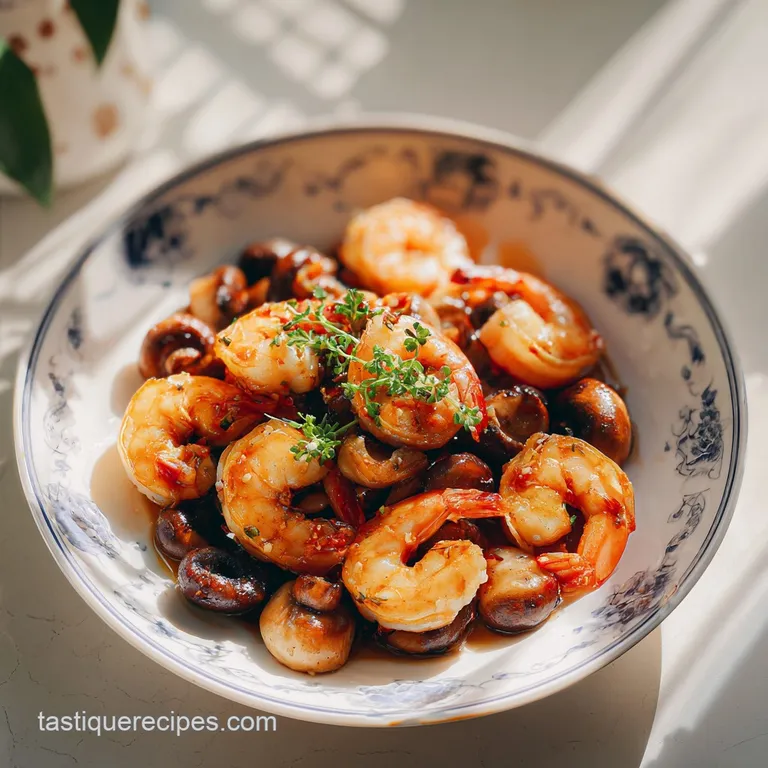
- Time: Active 15 minutes, Passive 20 minutes, Total 35 minutes
- Flavor/Texture Hook: Velvety, garlic infused sauce with snappy shrimp and earthy mushrooms.
- Perfect for: Date night dinners or impressive weeknight meals.
- Making Shrimp and Mushrooms in a Garlic Bisque Sauce
- Essential Stats for Perfect Results
- Gathering Your Premium Ingredients
- Tools for Professional Results
- Master the Searing Technique
- Solving Common Kitchen Mishaps
- Creative Flavors and Variations
- Safe Storage and Leftovers
- Finishing the Perfect Meal
- Recipe FAQs
- 📝 Recipe Card
Making Shrimp and Mushrooms in a Garlic Bisque Sauce
Ever wonder why restaurant bisque tastes so incredibly deep without spending six hours boiling down lobster shells? It is a question that kept me up until I realized that the secret isn't just time, it is the strategic layering of aromatics and the way we treat the humble mushroom.
Discover the magic of a single, unforgettable Shrimp and Mushrooms in a Garlic Bisque Sauce. I remember the first time I tried this method on a rainy Tuesday, expecting a simple stir fry, and instead, I ended up with a bowl of liquid gold that tasted like it came from a seaside bistro.
The contrast here is what makes the dish sing. You have the snap of the shrimp against the tender, meaty mushrooms, all swaddled in a sauce that manages to be both bright from lemon and rich from cream.
We are bridging traditional French techniques with modern home convenience, ensuring you get that "velvety" mouthfeel without the high end price tag or the grueling labor. It's about working smarter with your heat and your ingredients.
We are going to focus on the textures today, moving from the sizzle of the dry pan to the silky finish of the emulsion. You don't need a culinary degree to pull this off, just a little patience when it comes to the butter and a heavy bottomed skillet.
Trust me on this, once you smell that garlic and tomato paste hitting the wine, you'll know exactly why this recipe is a keeper.
Essential Stats for Perfect Results
Dry Heat Browning: Starting the mushrooms in a dry pan allows their cell structure to collapse and moisture to evaporate before they soak up oil. This results in a concentrated earthy flavor and a firm, non rubbery texture.
Acidic Deglazing: Using a dry white wine to lift the fond (those browned bits) from the bottom of the pan incorporates deep, caramelized proteins directly into the liquid base.
Temperature Gradient Emulsion: Whisking cold butter into a hot but not boiling sauce creates a stable emulsion where fat molecules are suspended in liquid. This is what provides that "shatter" of flavor and a glossy, professional finish.
Protein Carryover: Searing the shrimp quickly and removing them early prevents the proteins from tightening and becoming tough. They finish cooking gently in the residual heat of the bisque at the very end.
| Cook Method | Time | Texture | Best For |
|---|---|---|---|
| Stovetop Skillet | 35 minutes | Snappy shrimp, silky sauce | Traditional restaurant quality results |
| Oven Baked | 25 minutes | Tender, infused flavor | Hands off prep for larger groups |
| Slow Cooker | 3 hours | Soft, deeply savory | Batch cooking (add shrimp at end) |
When you are deciding which method to use, the stovetop remains the gold standard for this specific dish. The high heat of the skillet is necessary to get that beautiful golden brown color on the mushrooms and the quick sear on the shrimp.
If you try to do this all in a slow cooker from the start, you lose the Maillard reaction that gives the bisque its characteristic depth.
Gathering Your Premium Ingredients
For this recipe, we are using 680 grams of large shrimp. I always go for the "peeled and deveined" variety because life is too short to spend twenty minutes cleaning shrimp when you are hungry. The 340 grams of cremini mushrooms are essential here.
While white button mushrooms work, cremini (baby Bellas) have a lower moisture content and a more "earthy" profile that stands up better to the garlic and cream.
| Component | Science Role | Pro Secret |
|---|---|---|
| Tomato Paste | Umami & Color | Cook until it turns rust colored for a deeper, toasted flavor. |
| Cold Butter | Emulsifier | Never use room temp; cold butter melts slower for a more stable sauce. |
| Seafood Stock | Flavor Base | Use a high-quality stock or even clam juice for a saltier, ocean forward hit. |
| Dry White Wine | Solvent | The alcohol bonds with both fat and water, pulling more aroma into the sauce. |
The choice of wine matters more than you might think. Avoid anything labeled "cooking wine," which is usually just salty vinegar. Go for a Sauvignon Blanc or a Pinot Grigio. You want something with high acidity to cut through the 120ml of light cream and the 28g of unsalted butter.
That acidity is what keeps the dish from feeling heavy or cloying on the palate.
If you are looking for a substitute for the wine, a splash of extra seafood stock with a teaspoon of white wine vinegar works, but you'll miss that specific floral note. For the cream, you can use heavy cream for an even more decadent finish, though light cream keeps things balanced.
Tools for Professional Results
You will need a large skillet, preferably stainless steel or cast iron. Non stick pans are great for eggs, but they are the enemy of a good bisque because they don't allow the "fond" to build up properly. We want those little brown bits to stick so we can deglaze them.
A whisk is also non negotiable for the butter emulsion step at the end.
- Large Skillet: 30cm or larger to avoid overcrowding.
- Stainless Steel Whisk: For creating that glossy, velvety finish.
- Microplane: Perfect for mincing the 6 cloves of garlic into a paste like consistency.
- Paper Towels: Essential for patting the shrimp dry to ensure a proper sear rather than steaming.
Before you start, make sure your shrimp are completely dry. I usually lay them out on a plate with double layered paper towels. If they are wet when they hit the oil, they will steam and turn gray instead of getting that beautiful pink, slightly charred exterior.
It's a small step that makes a massive difference in the final presentation.
Master the Searing Technique
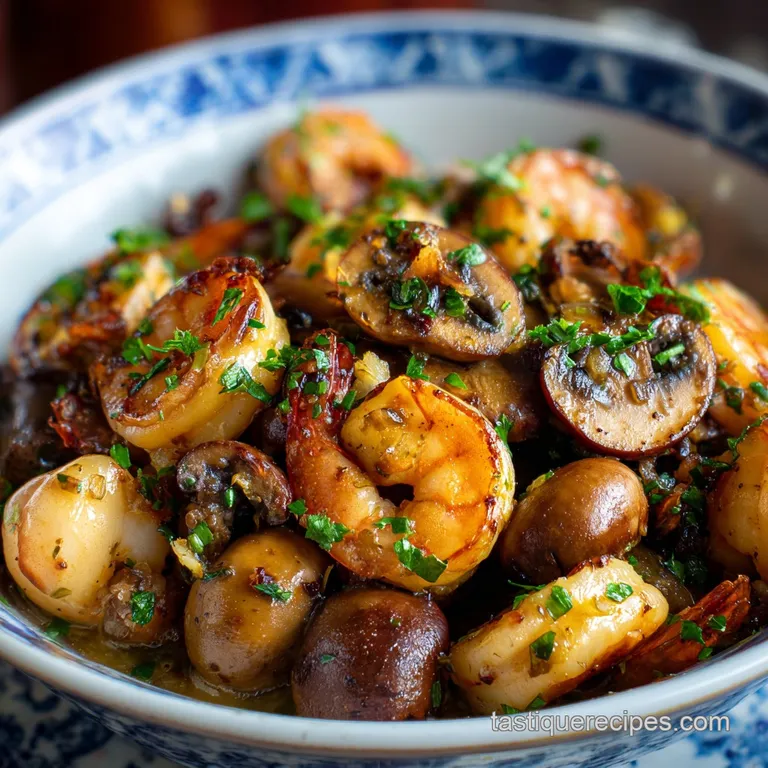
Sauté the mushrooms. Place a large skillet over medium high heat. Add 340g of sliced cremini mushrooms to the dry pan and sauté for 3 to 5 minutes until moisture evaporates and they turn golden brown.
Note: This concentrates the flavor before adding fat.
Finish the mushrooms. Add 15ml of olive oil and a pinch of salt to the mushrooms, toss for 30 seconds, then remove them from the pan and set aside.
Sear the shrimp. Wipe the skillet clean and add the remaining 15ml of olive oil. Pat 680g of shrimp dry, season with salt and 1 tsp smoked paprika, and sear for 1 minute per side until just pink and slightly opaque.
Note: They will not be fully cooked yet; this is intentional.
Aromatize the base. In the same skillet, sauté one finely diced shallot and 6 cloves of minced garlic for 1 to 2 minutes until the aroma fills the kitchen.
Toast the paste. Stir in 2 tbsp of tomato paste. Cook for 1 minute until the color darkens to a deep brick red.
Deglaze the pan. Pour in 120ml of dry white wine. Use a wooden spoon to scrape the bottom of the pan until all the browned bits are dissolved.
Reduce the stock. Pour in 240ml of seafood stock. Simmer for about 5 to 7 minutes until the liquid has reduced by half. Note: This creates the "bisque" intensity.
Cream and heat. Reduce the heat to low. Stir in 120ml of light cream and 0.5 tsp red pepper flakes. Let it gently come to a simmer, but do not let it boil vigorously.
Emulsify the butter. Whisk in 28g of cold unsalted butter, one tablespoon at a time, until the sauce looks glossy and thick.
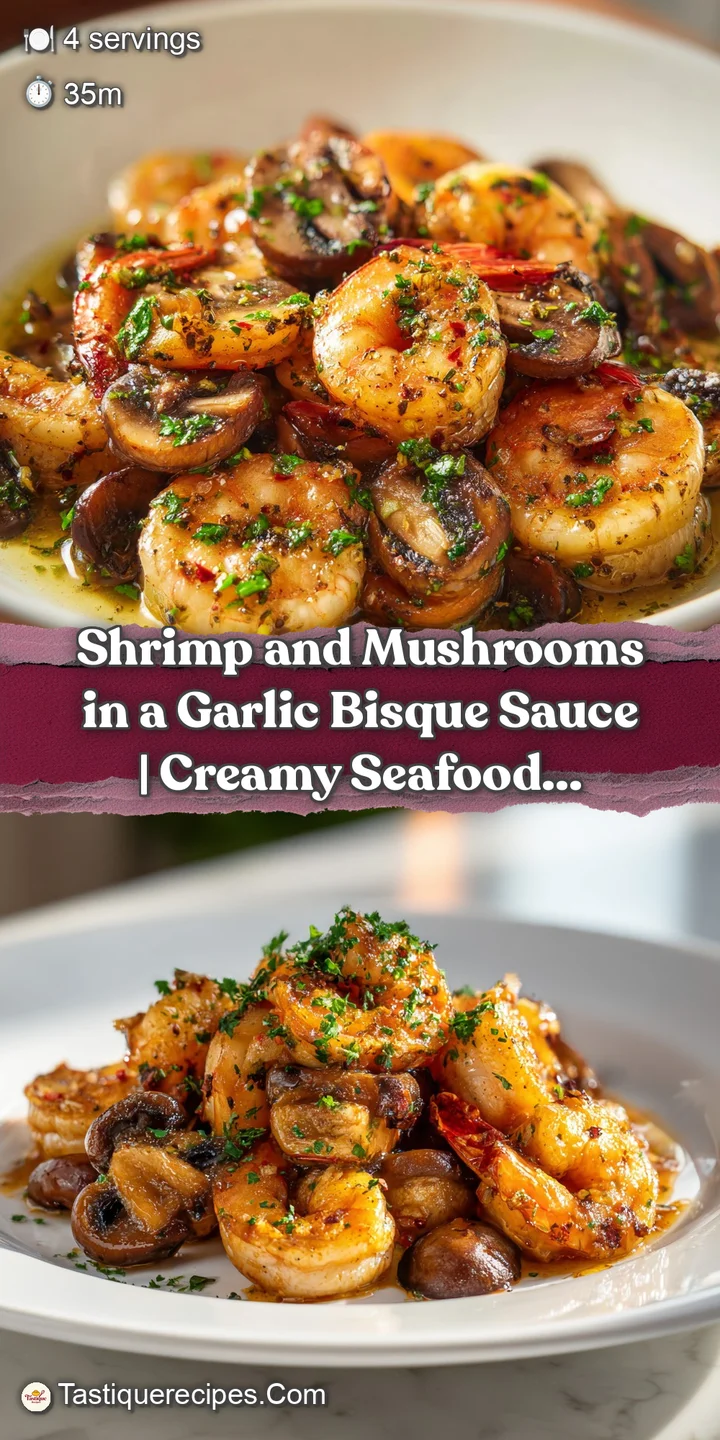
Combine and finish. Return the shrimp and mushrooms to the skillet. Toss to coat for 1 minute. Stir in 1 tbsp lemon juice and 2 tbsp fresh parsley. Serve while the sauce is shimmering and velvety.
Solving Common Kitchen Mishaps
If your sauce looks "broken" or oily rather than creamy, the heat was likely too high when you added the butter or cream. To fix this, remove the pan from the heat entirely and whisk in a teaspoon of cold water or a splash of extra cream. This usually coaxes the fat back into the liquid.
It's a common mistake I once made when I was in a rush, but the "cold water fix" is a lifesaver.
Why Your Shrimp Is Tough
Overcooking is the primary culprit. Shrimp cook incredibly fast, often in under three minutes total. If you leave them in the pan while you are reducing the sauce, they will turn into rubber balls. Always remove them after the initial sear. They only need sixty seconds at the very end to warm back through.
Why the Sauce Is Thin
If the sauce feels watery, you likely didn't reduce the seafood stock enough before adding the cream. The reduction step is where the flavor concentrates. If you've already added the cream and it's still too thin, let it simmer on low for a few extra minutes, or whisk in an extra tablespoon of cold butter.
| Problem | Root Cause | Solution |
|---|---|---|
| Rubbery Shrimp | Overcooked during reduction | Remove shrimp immediately after searing and add only at the finish. |
| Gritty Sauce | Garlic burned in the oil | Sauté aromatics on medium heat and add liquid as soon as they smell fragrant. |
| Bland Flavor | Not enough salt or acid | Add an extra squeeze of lemon juice or a pinch of salt to brighten the cream. |
Common Mistakes Checklist - ✓ Don't crowd the pan when searing shrimp; work in batches if your skillet is small. - ✓ Ensure the butter is cold from the fridge before whisking it in to ensure a stable emulsion.
- ✓ Avoid boiling the sauce once the cream and butter are added to prevent curdling. - ✓ Use a dry wine; sweet wines like Moscato will make the bisque taste strangely sugary. - ✓ Pat mushrooms clean with a damp cloth rather than washing them under a tap to avoid sogginess.
Creative Flavors and Variations
If you want to take this in a different direction, you can easily adapt the flavor profile. For a "Low Carb" version, simply serve this over sautéed zoodles or steamed cauliflower instead of pasta or bread. The sauce itself is naturally quite low in carbs, provided you don't use a thickener like flour. If you're a fan of earthy, spicy notes, you might enjoy trying this technique with different fungi, perhaps inspired by a spicy Korean mushrooms preparation for a fusion twist.
For the spice lovers, you can double the red pepper flakes or add a teaspoon of Calabrian chili paste during the aromatic step. This gives the bisque a "Fra Diavolo" energy that pairs beautifully with the sweetness of the shrimp. Just be careful not to overshadow the delicate flavor of the seafood stock.
| Original | Substitute | Why It Works |
|---|---|---|
| Seafood Stock | Chicken Stock | Still savory, though less "oceanic." Add a splash of fish sauce to compensate. |
| Cremini Mushrooms | Shiitake | Adds a more intense, woody flavor and a slightly firmer texture. |
| Light Cream | Full fat Coconut Milk | Provides a similar fat content but adds a tropical, nutty undertone. |
If you are feeding a crowd and want a more "hands off" approach, you can turn this into an easy shrimp and mushroom bake. Sear the mushrooms and aromatics as usual, then toss everything including raw shrimp into a baking dish with the stock, wine, and cream.
Bake at 200°C for 15 minutes, then whisk in the butter at the very end. The texture of the sauce won't be quite as velvety as the stovetop version, but it's a brilliant shortcut.
Safe Storage and Leftovers
This dish is best enjoyed fresh because of the delicate nature of the cream and shrimp. However, you can store leftovers in an airtight container in the fridge for up to 2 days. When reheating, do it very gently on the stovetop over low heat.
If you microwave it, the shrimp will almost certainly turn rubbery and the sauce might separate. Add a splash of milk or water to loosen the sauce as it warms.
I don't recommend freezing this specific recipe. Cream based sauces often undergo "syneresis" when frozen and thawed, meaning they separate into a grainy, watery mess. Plus, shrimp don't hold their snappy texture well after a second round of freezing and heating.
For a zero waste tip, don't throw away the mushroom stems! Even if you don't slice them into the dish, you can toss them into a freezer bag with other veggie scraps to make your own vegetable stock later. If you bought whole shrimp, the shells are gold.
Simmer them with a bit of water and onion for 20 minutes to make a quick homemade seafood stock that beats anything in a carton.
Finishing the Perfect Meal
To round out this meal, you need something to soak up that incredible garlic bisque. A crusty baguette is the traditional choice, but I've found that serving this over a bed of al dente linguine or even a simple jasmine rice is equally satisfying.
The rice, in particular, acts like a sponge for all those buttery, garlicky juices.
If you are planning a full seafood spread, this dish pairs beautifully with other garlic forward recipes. For another decadent treat, try serving this alongside some garlic butter crab legs for a true "surf and turf" vibe without the turf. A simple green salad with a sharp lemon vinaigrette is also a great side, as the acidity helps cleanse the palate between bites of the rich sauce.
There is a common kitchen myth that you should never combine seafood and cheese. While this recipe doesn't use cheese, it does use cream, and the logic is similar. People fear it masks the flavor of the fish.
In reality, the fat in the cream and butter actually carries the aromatics (garlic, paprika, shallot) more effectively to your taste buds, making the shrimp taste even more vibrant.
Searing meat or seafood also doesn't "seal in juices," but it does create the Maillard reaction which is vital for the complexity of the bisque base. Right then, let's get that skillet hot and start searing!
Recipe FAQs
How to ensure the mushrooms develop a deep golden color?
Place the mushrooms in a dry skillet over medium high heat. Allow them to cook for 3 5 minutes without oil until their moisture evaporates, which prevents them from steaming and ensures they brown properly.
Can I prep parts of this meal in advance?
Yes, you can sauté the mushrooms and shallots up to 24 hours ahead. Store them in an airtight container in the refrigerator and simply reheat them in the pan when you are ready to deglaze and finish the sauce.
Is it necessary to use cold butter for the sauce?
Yes, cold butter is essential for a stable emulsion. If you enjoyed mastering this creamy and roasted technique here, you will find that whisking in cold butter at the end creates that signature glossy, velvet texture found in professional bisque.
How to prevent the shrimp from becoming rubbery?
Sear the shrimp for exactly one minute per side until just pink. Remove them from the pan immediately so they do not overcook while you prepare the sauce, then return them only at the very end to warm through.
Is it true I should boil the sauce vigorously after adding the cream?
No, this is a common misconception. Reduce the heat to low before stirring in the light cream to ensure the sauce remains smooth and does not separate or curdle.
How to effectively deglaze the pan?
Pour the dry white wine into the skillet after the tomato paste has darkened. Use a wooden spoon to scrape up all the browned bits stuck to the bottom, as these contain the concentrated flavor needed for the bisque base.
How long should I reduce the seafood stock?
Simmer the stock until it has reduced by half. This concentration step is vital for achieving a deep, complex flavor profile that mimics a traditional long simmered bisque in a fraction of the time.
Garlic Shrimp And Mushroom Bisque
Ingredients:
Instructions:
Nutrition Facts:
| Calories | 411 calories |
|---|---|
| Protein | 38.5 grams |
| Fat | 21 grams |
| Carbs | 10.2 grams |
| Fiber | 1.8 grams |
| Sugar | 3.2 grams |
| Sodium | 695 milligrams |
