Easy Strawberry Mochi Recipe
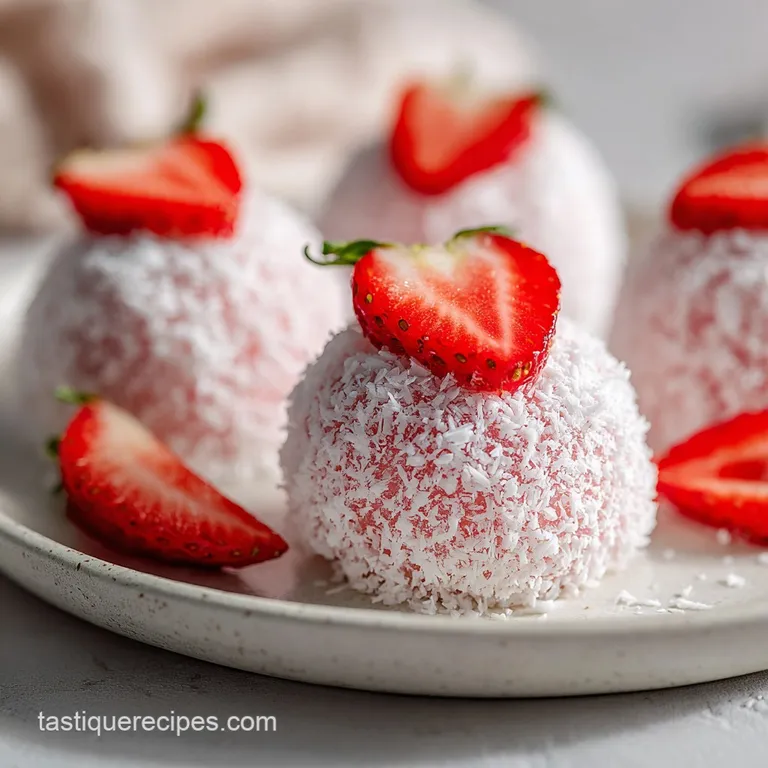
- Time: Active 25 mins, Passive 5 mins, Total 30 mins
- Flavor/Texture Hook: Silky, elastic, and vibrantly fruity
- Perfect for: Elegant tea pairings or impressive handmade gifts
- Achieving the Perfect Texture With This Strawberry Mochi Recipe
- Essential Timing and Measurements for Consistent Success
- Selecting High Quality Components for Traditional Flavor Layers
- Minimal Kitchen Tools Required for Steaming Mochi Dough
- Step by Step Assembly for Flawless Strawberry Daifuku
- Common Pitfalls and Solutions for Smooth Dough Results
- Creative Flavor Twists to Customize Your Mochi Batches
- Effective Methods to Keep Mochi Fresh and Soft
- Artful Finishing Touches for Gift Worthy Dessert Platters
- Mochi Misconceptions Debunked
- Recipe FAQs
- 📝 Recipe Card
Achieving the Perfect Texture With This Strawberry Mochi Recipe
The first time I bit into a real Ichigo Daifuku in a tiny stall tucked away in Osaka, I was floored. You expect a soft, pillowy chew, but then the strawberry bursts with this bright, tart juice that cuts right through the sweet, velvety red bean paste.
It is a texture symphony that I spent months trying to replicate in my own kitchen, mostly resulting in sticky fingers and a few gluey disasters.
Getting that "just right" elasticity is the real secret. You want a dough that is thin enough to show the hint of red underneath but strong enough to hold that heavy, juicy berry without tearing.
This strawberry mochi recipe focuses on that delicate balance, using a modern microwave technique that saves you the hassle of a traditional steamer while keeping that authentic, bouncy bite we all crave.
We are going to bridge the gap between old school Japanese craft and the reality of a busy home kitchen. By the end of this, you will be wrapping strawberries like a seasoned pro, producing results that look like they came straight out of a high end Tokyo department store.
Let's get into the nitty gritty of the dough and the fruit.
Essential Timing and Measurements for Consistent Success
The Science of the Stretch
Starch Gelatinization: Microwaving glutinous rice flour with sugar causes the starch granules to swell and burst, creating a networked structure that provides that signature "bouncy" recoil.
Adding sugar is vital here because it acts as a humectant, physically holding onto water molecules to keep the mochi from turning into a rock as it cools.
| Method | Time | Texture | Best For |
|---|---|---|---|
| Microwave Technique | 5 mins | Extremely soft, stretchy | Quick cravings and beginners |
| Traditional Steamer | 20 mins | Denser, more traditional | Long term storage and gifting |
| Stand Mixer Method | 10 mins | Very airy, light | Large batches for parties |
Working with the dough while it is still warm is the absolute non negotiable rule. As the temperature drops, the starch molecules begin to "retrograde," or realign into a firmer structure, which makes it much harder to pinch the seams shut.
If you've ever tried to seal a cold piece of mochi, you know it's like trying to glue two pieces of dry rubber together it just won't happen.
Selecting high-quality Components for Traditional Flavor Layers
Component Analysis
| Ingredient | Science Role | Pro Secret |
|---|---|---|
| 100g Shiratamako | Structural base | Look for coarse, pebble like granules; they provide a much smoother, more elastic finish than fine powder. |
| 50g Granulated Sugar | Humectant | This keeps the dough soft for 24 hours by preventing the rice starch from crystallizing. |
| 150g Red Bean Paste | Moisture barrier | Use "Koshiban" (fine paste) rather than "Tsubuan" (chunky) for a more professional, velvety mouthfeel. |
When selecting your 6 Medium Strawberries, look for berries that are uniform in size and slightly tapered at the top. A pointed tip makes for a much prettier "peak" once the mochi is wrapped.
Ensure they are firm to the touch; a soft strawberry will release too much juice and dissolve the internal layer of red bean paste before you even get a chance to eat it.
The 1 tsp Strawberry Powder is my personal "flavor layer" trick. It adds a whisper of natural pink color and a tiny hint of acidity to the dough itself, mirroring the flavor of the fresh fruit inside. For another fun twist on these flavors, you might want to try making a Korean Strawberry Milk recipe to serve alongside your finished batch.
Minimal Kitchen Tools Required for Steaming Mochi Dough
You don't need a heavy stone mortar and wooden mallet for this. A simple microwave safe glass bowl (like Pyrex) is your best friend here because it distributes heat evenly. You will also need a sturdy silicone spatula.
The dough gets incredibly sticky and heavy as it cooks, and a flimsy plastic spoon will likely snap right in half.
A small digital scale is essential for this strawberry mochi recipe. We are working with 100g of flour and 180ml of water ratios that need to be exact. Even a 10 gram variance in water can turn your dough from "supple" to "soup." Finally,, grab a silicone baking mat or a large tray for the 50g of Potato Starch.
Trust me, the starch gets everywhere, and having a designated "safe zone" will save your counters from a white powdery film.
step-by-step Assembly for Flawless Strawberry Daifuku
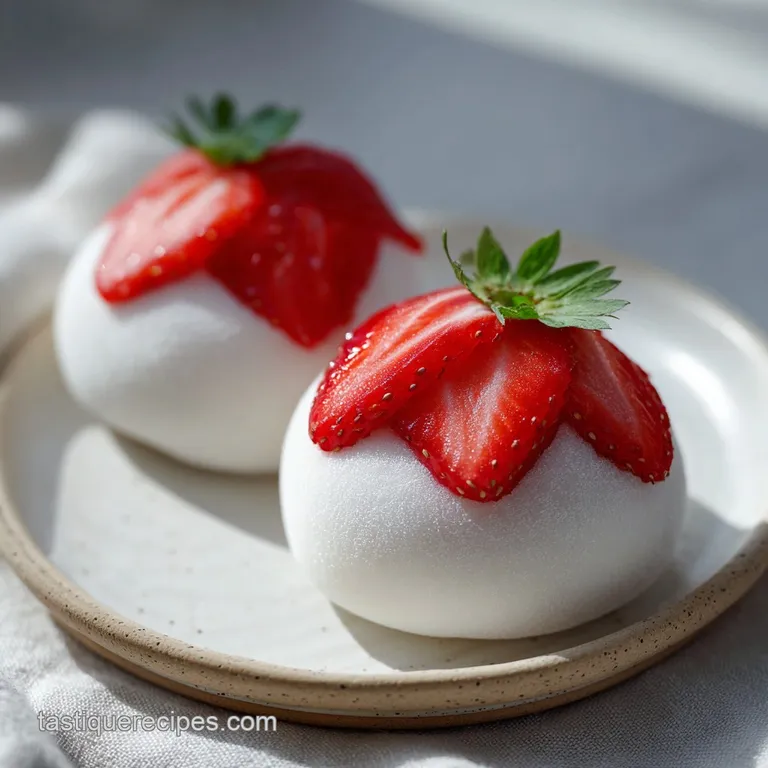
To Ensure a "Cloud Like" Texture
The key is the stirring. Don't just fold the dough; you need to beat it against the side of the bowl after it comes out of the microwave. This mechanical action develops the "elastic memory" of the starch, which is what gives you that restaurant quality pull.
1. Prepare the Fruit Core
Wash your 6 Medium Strawberries and pat them bone dry with a paper towel. Remove the green hulls. Divide the 150g Fine sweetened red bean paste into 6 equal portions (about 25g each). Flatten a ball of paste in your palm and wrap it around the strawberry, leaving the very tip of the berry exposed.
Note: This creates a beautiful color gradient when you eventually slice the mochi in half.
2. Microwave the Dough
In your microwave safe bowl, whisk together 100g Shiratamako, 50g Granulated Sugar, and 1 tsp Strawberry Powder. Slowly pour in 180ml Filtered Water, whisking until no lumps remain. Cover with plastic wrap and microwave for 2 minutes.
Wait until the edges look translucent and the center is slightly opaque.
3. Build the Elasticity
Remove the bowl and stir the mixture vigorously with a wet silicone spatula for 60 seconds. The dough will be incredibly sticky. Cover again and microwave for another 1 minute. Cook until the dough is consistently translucent and has a matte, slightly deepened pink color.
4. The Dusting and Division
Generously coat your work surface with 50g Potato Starch. Turn the hot dough out onto the starch. Dust your hands heavily. Divide the dough into 6 equal pieces using a dough scraper or a floured knife. Note: Never touch the warm dough with bare, unstarch clapped hands or you will be stuck to it forever.
5. The Final Enclosure
Take one piece of dough and flatten it into a 3 inch circle, making the edges slightly thinner than the center. Place a bean wrapped strawberry in the middle (tip side down). Gently pull the edges of the dough up and over the base of the strawberry, pinching the seams tightly to seal.
Roll the finished mochi between your palms until perfectly spherical.
Common Pitfalls and Solutions for Smooth Dough Results
Why Your Mochi Is Tearing
If the dough is snapping instead of stretching, it usually means it has cooled down too much or didn't have enough water to begin with. You can't really "fix" cold dough, but you can prevent it by working quickly and keeping the remaining dough pieces covered with a warm, damp towel while you work on one at a time.
How to Prevent Leaky Mochi
Juice leakage happens when the strawberry is bruised or when the red bean paste layer is too thin. The paste acts as a structural wall. If you notice a "wet" spot forming on the outside of your mochi, it means the fruit has punctured through.
| Problem | Root Cause | Solution |
|---|---|---|
| Sticky Seams | Too much starch | Use a damp finger to wipe away excess starch from the edges you are trying to pinch together. |
| Tough Dough | Overcooking | Stop microwaving the moment the dough is translucent; extra time evaporates too much moisture. |
| Flat Bottoms | Gravity | Place the finished mochi in a small cupcake liner to help it keep its round shape while the starch sets. |
Common Mistakes Checklist
- ✓ Forgetting to dry the strawberries (moisture is the enemy of the seal)
- ✓ Using "Mochiko" instead of "Shiratamako" without adjusting the water
- ✓ Letting the dough cool completely before attempting to wrap
- ✓ Using cornstarch instead of potato starch (cornstarch is grittier and tastes "raw")
- ✓ Not stirring the dough mid way through the microwave process
Creative Flavor Twists to Customize Your Mochi Batches
If you want to deviate from the classic, try a Strawberry Cheesecake Mochi Recipe variation. Instead of red bean paste, use a chilled mixture of cream cheese and powdered sugar. It provides a tangy, creamy contrast that feels very modern.
Just make sure the cream cheese is very cold when wrapping, or it will turn into a messy puddle.
For those hot summer days, a Strawberry Ice Cream Mochi Recipe is brilliant. You'll need to freeze small scoops of strawberry ice cream until they are rock hard, then wrap them in the cooked (but slightly cooled) mochi dough. You have to work fast and get them back into the freezer immediately! If you enjoy these chewy textures, you'll absolutely love the flavor profile of my Ube Butter Mochi Recipe as well.
Ingredient Shortcuts
| Premium | Budget | Flavor Impact | Savings |
|---|---|---|---|
| Fresh Strawberries | Frozen (Thawed/Dried) | Much softer texture; better for "mash" fillings | Save $3-5 |
| Shiratamako | Mochiko | Denser, less "bouncy" chew | Save $4 per bag |
| Homemade Paste | Canned Bean Paste | Slightly sweeter, less earthy | Save 1 hour prep |
Effective Methods to Keep Mochi Fresh and Soft
Storage: Mochi is at its absolute peak about 2 hours after making. If you must store it, wrap each individual piece tightly in plastic wrap to prevent air from reaching the dough. Keep them at room temperature in a cool, dark place for up to 24 hours.
Honestly, don't even bother putting them in the fridge; the cold temperature causes the starch to crystallize instantly, turning your beautiful soft treat into a hard, rubbery puck.
Freezing: You can freeze these for up to 2 weeks. Wrap them individually and place them in an airtight container. When you're ready to eat, let them thaw at room temperature for about 30 to 60 minutes. They won't be quite as supple as day one, but they're still 90% there.
Zero Waste: If you have leftover red bean paste, don't toss it! It makes an incredible filling for pancakes or can be swirled into a batch of brownies. It's actually a secret weapon for adding moisture and depth to chocolate desserts, similar to how I use it in my Matcha Brownie Recipe.
Artful Finishing Touches for Gift Worthy Dessert Platters
For a Professional Aesthetic
Presentation is everything with Daifuku. Before serving, take a very sharp knife and wipe it with a damp cloth. Slice one mochi in half vertically. The contrast between the pink dough, the dark red paste, and the bright white and red center of the strawberry is a total showstopper.
For Gift Giving
Place each mochi in a pretty paper cupcake liner. This prevents them from sticking to each other and makes them easy to pick up without getting starch all over your fingers. If you're feeling fancy, a tiny dusting of extra Strawberry Powder on top adds a "blush" effect that looks incredibly high end.
One final trick I learned: if your mochi looks a little dull, you can very lightly brush off the excess starch with a soft pastry brush. This reveals the slight sheen of the rice dough and makes the colors pop. Just don't overdo it, or they will become sticky to the touch again.
These little details take your strawberry mochi recipe from a home experiment to a professional grade dessert.
Mochi Misconceptions Debunked
One major myth is that mochi must be pounded with a wooden mallet to be "real." While traditional "Mochitsuki" is a beautiful cultural event, the molecular structure of the starch gelatinization is essentially the same whether it's pounded or stirred vigorously by hand.
You can achieve that exact same "pull" in your kitchen.
Another common mistake is thinking any rice flour will work. You specifically need glutinous rice flour (sticky rice). If you try to use regular white rice flour, you will end up with a crumbly, non stretchy paste that won't hold its shape.
Always check the label for "Glutinous" or "Sweet" rice flour it's the protein and starch ratio that makes the magic happen.
Recipe FAQs
What is strawberry mochi filled with?
Typically, a whole fresh strawberry and sweet red bean paste (anko). The paste wraps the berry, acting as a moisture barrier before the outer mochi layer seals everything in.
Is mochi healthy or unhealthy?
It depends heavily on the filling and preparation method. Traditional mochi made from plain rice flour is primarily carbohydrates, but fillings like high sugar bean paste or cream cheese make it an occasional treat.
What are the ingredients in strawberry My mochi?
Glutinous rice flour (Shiratamako), sugar, water, fresh strawberries, and usually sweet red bean paste. Potato starch is required for dusting the work surface to prevent sticking.
What are the ingredients in mochi?
The basic dough requires only glutinous rice flour, water, and sugar. The unique stretchy texture comes from the high amylopectin starch content found only in sweet rice flour.
Can I substitute Mochiko for Shiratamako in this recipe?
Yes, but you must reduce the water slightly, or the dough will be too loose. Mochiko tends to absorb liquid differently than Shiratamako; if you enjoyed mastering the structure here, you might want to see how the same principle of hydration control applies to mastering the delicate balance needed for the Miso Caramel Sauce recipe.
How long will strawberry mochi stay soft at room temperature?
They are best eaten within 2 hours of assembly for peak softness. After about 6 hours, the starch begins to retrograde (harden), especially if they were refrigerated, so avoid cold storage if possible.
How do I ensure the mochi dough seals properly around the strawberry?
Ensure the dough is still warm and pliable when wrapping, and the strawberry is perfectly dry. Gently pull the dough up and over the fruit, using your warm hands to pinch the edges together firmly right above the berry's stem scar until sealed.
Easy Strawberry Mochi Recipe
Ingredients:
Instructions:
Nutrition Facts:
| Calories | 167 kcal |
|---|---|
| Protein | 2.3 g |
| Fat | 0.3 g |
| Carbs | 39.8 g |
| Fiber | 1.3 g |
| Sugar | 23.2 g |
| Sodium | 4 mg |
