Creamy Rose Tteokbokki Recipe
- Time: Active 5 minutes, Passive 15 minutes, Total 20 minutes
- Flavor/Texture Hook: Silky, spicy sweet sauce with chewy, bouncy rice cakes and savory mini sausages
- Perfect for: A cozy weeknight dinner or a trendy weekend brunch with friends
- Experience the Silk: Rose Tteokbokki
- Reasons This Sauce Stays Silky
- Stovetop vs Oven Cooking Methods
- Analysis of Key Components
- Components for the Dish
- Tools for a Silky Sauce
- Steps to a Perfect Batch
- Fixing Sauce and Texture Issues
- Scaling for Families or Singles
- Adaptations for Different Diets
- Freshness and Storage Hacks
- Best Ways to Serve This
- Very High in Sodium
- Recipe FAQs
- 📝 Recipe Card
Experience the Silk: Rose Tteokbokki
The first time I saw Rose Tteokbokki, I was sitting in a tiny, neon lit stall in Seoul, watching a chef toss bright red chili paste into a shimmering pool of white cream. The scent was a revelation - it wasn't just the sharp, stinging spice I expected, but a mellow, buttery aroma that made my mouth water instantly.
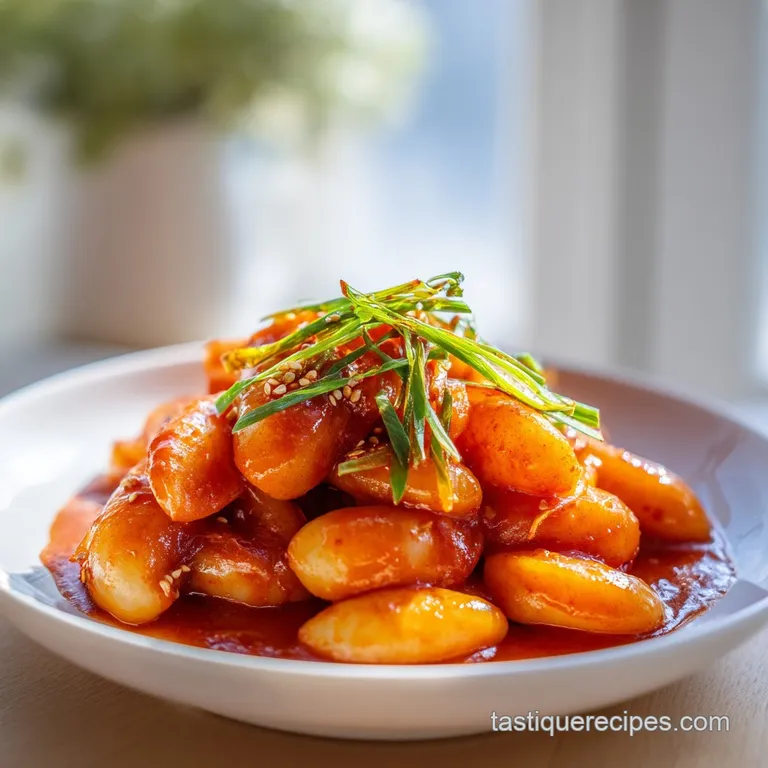
When that first bowl hit the table, the sauce was the color of a summer sunset, thick enough to coat the back of a spoon and clinging to the rice cakes like a velvet blanket.
I remember thinking it looked almost like an Italian vodka sauce, but the moment I took a bite, that familiar gochujang kick hit my palate, softened immediately by the richness of the heavy cream. It's the ultimate contrast: the chewy, bouncy "tteok" against a sauce so smooth it feels like a luxury.
I spent weeks in my own kitchen trying to replicate that exact texture, failing a few times with broken sauces before I realized the secret was all in the temperature control and the starch from the cakes themselves.
This recipe is the result of those messy trials. It's designed to give you that restaurant quality finish without any of the stress. We are going to build layers of flavor, starting with a savory base of garlic and onions, then introducing the heat and the cream in a way that ensures they never separate.
If you've been craving that trendy Korean fusion flavor, you're in the right place. Let's get that butter melting.
Reasons This Sauce Stays Silky
- Starch Link Emulsification: As the cylindrical rice cakes simmer, they release amylose starch into the liquid, which acts as a natural stabilizer to keep the heavy cream and water based chili paste from separating.
- Fat Soluble Flavor Blooming: The capsaicin in the gochugaru and gochujang dissolves more effectively in the butter and milk fats, spreading the heat evenly throughout the dish rather than leaving it in sharp, oily pockets.
- The Dairy Buffer: The proteins in the 200ml of heavy cream bind to the spice molecules, physically coating your taste buds and allowing the sweetness of the 1 tablespoon of sugar to shine through without being overwhelmed by the chili.
- Aromatics Saturation: Sautéing the minced garlic and sliced onions in unsalted butter before adding liquids creates a flavor foundation that prevents the cream from tasting flat or overly "milky."
Stovetop vs Oven Cooking Methods
| Method | Cook Time | Texture Outcome | Best For |
|---|---|---|---|
| Stovetop | 15 minutes | Chewy cakes, thick sauce | Authentic, quick results |
| Oven (Bake) | 25 minutes | Crispy edges, dense sauce | Large batches, hands off |
| Slow Cooker | 2 hours | Very soft, infused flavor | Meal prep, tender textures |
Choosing the stovetop method is almost always the winner for this specific dish because you need the constant movement to keep the starch suspended in the sauce. If you're into that chewy, bouncy texture, you should also try my Rabokki Recipe Ramen which uses a similar simmering technique. The stovetop allows you to watch the sauce transform from a thin liquid into a glossy, heavy glaze that looks like liquid gold.
Analysis of Key Components
| Ingredient | Science Role | Pro Secret |
|---|---|---|
| Rice Cakes (350g) | Thickening agent | Soak in cold water for 10 minutes to ensure an even, soft chew |
| Gochujang (1.5 tbsp) | Fermented umami | Use a "gold" grade paste for a deeper, less sugary spice profile |
| Heavy Cream (200ml) | Emulsion base | Add at room temperature to prevent the sauce from "shocking" and curdling |
Components for the Dish
To make this legendary Rose Tteokbokki, you'll need a mix of traditional Korean staples and pantry basics. The star is the 350g of cylindrical rice cakes - make sure you get the "garae tteok" style which are thick and chewy.
For the savory hit, 100g of mini smokey sausages or thick cut bacon is essential; they add a salty, cured depth that cuts right through the cream.
The sauce base is a blend of 0.5 medium yellow onion and 2 cloves of garlic, sizzled in 1 tablespoon of unsalted butter. For the signature heat, grab 1.5 tablespoons of gochujang and 0.5 tablespoon of gochugaru.
The liquid gold consists of 200ml heavy cream and 150ml whole milk, seasoned with 1 tablespoon of soy sauce and 1 tablespoon of sugar. Finally, garnish with 1 stalk of finely chopped scallion and 1 teaspoon of toasted sesame seeds for that professional look.
| Original Ingredient | Substitute | Why It Works |
|---|---|---|
| Heavy Cream | Half and half | Lighter texture but may require 1 tsp cornstarch to thicken properly |
| Gochugaru | Cayenne pepper | Adds heat, though it lacks the smoky depth of Korean flakes |
| Mini Sausages | Spam cubes | Provides that same salty, processed meat umami that fits the fusion vibe |
| Rice Cakes | Penne Pasta | Similar shape and starch release, though the texture is less bouncy |
Tools for a Silky Sauce
You don't need a professional kitchen, but a high-quality non stick pan or a well seasoned cast iron skillet is your best friend here. The rice cakes are famous for sticking to the bottom as the sauce reduces, so having a surface that lets them glide is key.
You'll also want a silicone spatula to scrape down the sides, ensuring every drop of that creamy sauce stays in the mix.
A small bowl for soaking the rice cakes is necessary to get that perfect "tteok" texture. If you have a kitchen scale, I highly recommend weighing the 350g of rice cakes; it's easy to over estimate by volume, which can leave you with a dry dish. Precision leads to that restaurant quality consistency we're after.
Steps to a Perfect Batch
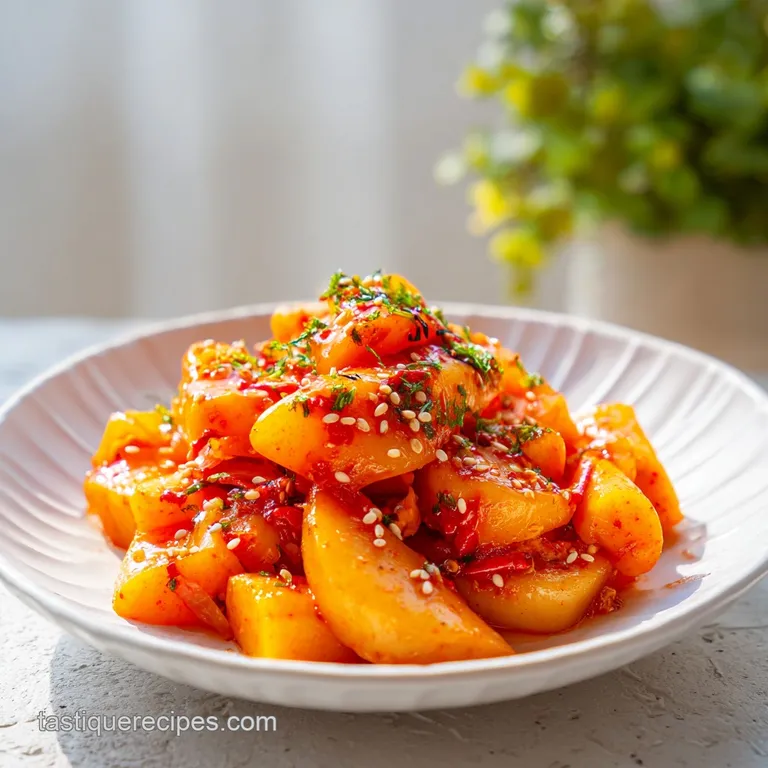
- Prep the rice cakes. Soak 350g cylindrical rice cakes in cold water for 10 minutes. Note: This hydrates the outer starch layer for a more even cook.
- Sizzle the aromatics. Melt 1 tablespoon unsalted butter in a large pan over medium heat.
- Brown the proteins. Add 100g mini sausages or bacon and sliced onion to the butter. Cook 3-4 minutes until the onions are translucent and sausages are slightly browned.
- Bloom the spices. Stir in 2 cloves minced garlic, 1.5 tablespoons gochujang, and 0.5 tablespoon gochugaru. Note: Toasting the paste for 60 seconds deepens the color.
- Build the base. Pour in 150ml whole milk and 1 tablespoon soy sauce, stirring until the paste is fully dissolved.
- Simmer the cakes. Add the drained rice cakes to the pan. Cook 5-7 minutes until the cakes feel soft when pressed with a spatula.
- Add the richness. Pour in 200ml heavy cream and 1 tablespoon sugar.
- Reduce the sauce. Lower heat and simmer until the sauce thickens and coats the cakes heavily.
- Season to taste. Taste a small bit of sauce; add an extra pinch of sugar if you want it more "Rose" style.
- Final Garnish. Top with chopped scallions and 1 teaspoon toasted sesame seeds. Serve immediately while the sauce is bubbling.
Fixing Sauce and Texture Issues
Sauce Consistency Problems
If your sauce looks more like a soup than a glaze, it usually means the heat was too low. The starch from the rice cakes needs a gentle bubble to activate its thickening powers. Conversely, if it's too thick, the cream has reduced too far. To wash it all down and balance the spice, nothing beats a cold Korean Strawberry Milk recipe.
| Problem | Root Cause | Solution |
|---|---|---|
| Sauce is breaking/oily | Heat was too high after adding cream | Remove from heat and stir in 1 tbsp cold milk to emulsify |
| Rice cakes are tough | Inside of the cake hasn't hydrated | Add 50ml water, cover with a lid, and steam for 3 mins |
| Sauce is too spicy | Too much gochugaru or old paste | Add 1 extra tsp of sugar or a splash more heavy cream |
Common Mistakes Checklist
- ✓ Never skip the soaking step for frozen rice cakes; it prevents them from cracking.
- ✓ Preheat your pan properly so the sausages sear rather than steam.
- ✓ Don't add the heavy cream at the very beginning; it can curdle during the long simmer.
- ✓ Use unsalted butter to control the sodium levels from the gochujang and soy sauce.
- ✓ Keep the heat at medium low once the cream is in to maintain a silky emulsion.
Scaling for Families or Singles
When you're scaling this recipe up for a party (doubling to 4 servings), don't just double everything. Keep the gochugaru to 1.5x the original amount unless you want a serious burn.
For the liquid, you might find you need about 10% less milk than a straight double, as the larger surface area of a bigger pan can sometimes lead to uneven evaporation.
If you're cooking for one, halving the recipe is simple. Use a smaller 8 inch skillet to ensure the rice cakes stay submerged in the sauce. For the half onion, just slice it all and save the rest for a stir fry later.
Since you're only using 100ml of cream, keep the rest of the carton tightly sealed in the coldest part of your fridge.
Adaptations for Different Diets
If you're looking for a lighter version, you can swap the heavy cream for full fat coconut milk. Just be aware that it will add a distinct tropical note that changes the profile from "Korean Italian" to something more Southeast Asian.
It's still delicious, but the flavor won't be that classic Rose Tteokbokki taste you find in Seoul.
For those avoiding pork, the mini sausages can be replaced with seafood. Large shrimp or sliced squid tubes work beautifully here. Add the seafood in the last 3-4 minutes of cooking so they stay tender and "shatter" with freshness rather than turning rubbery.
The savory sweet sauce is surprisingly versatile with most proteins.
Freshness and Storage Hacks
Storage: Store leftovers in an airtight container in the fridge for up to 2 days. Be warned: the rice cakes will absorb the sauce like a sponge as they sit, so it will look much drier the next day. This is totally normal for starch heavy dishes.
Reheating: Don't just microwave it, or the cakes will turn into rubber bullets. Put the leftovers in a pan with a splash of milk or water. Heat over low, stirring gently until the sauce thins out and the cakes regain their chew.
Zero Waste: If you have leftover sauce but no rice cakes, it makes an incredible pasta sauce. Toss it with some fettuccine or even over a bowl of steamed white rice. The onion and sausage base is too good to toss!
Best Ways to Serve This
I love serving this straight out of the pan. There's something so communal and cozy about everyone dipping their spoons into that orange sauce. If you want to go full Korean cafe style, serve it alongside some yellow pickled radish (danmuji) to provide a crunchy, acidic contrast to the rich cream.
Chef's Tip: For an extra layer of decadence, drape a slice of American cheese over the top right before serving. The way it melts into the Rose sauce creates a level of creaminess that is honestly life changing.
This dish is heavy, so keep the sides light. A simple cucumber salad or a cold tea helps cleanse the palate between those rich, spicy bites. Whether it's a rainy Tuesday or a big Friday night in, this is the kind of recipe that makes your kitchen feel like the best restaurant in town. Enjoy the chew!
Very High in Sodium
1285 mg mg of sodium per serving (56% % of daily value)
The American Heart Association recommends limiting sodium intake to about 2,300mg per day for overall health.
Sodium Reduction Tips for Rose Tteokbokki
-
Lower Sodium Meat-25%
Replace the mini smokey sausages or bacon with uncured bacon or ham. These options generally contain significantly less sodium. Aim for products with less than 400mg of sodium per serving.
-
Reduce Soy Sauce-20%
Decrease the amount of soy sauce used from 1 tablespoon to 0.5 tablespoon. You can also substitute with low-sodium soy sauce or tamari to further reduce sodium content.
-
Control Gochujang-15%
Use a smaller amount of gochujang or try making your own from scratch. store-bought gochujang can be high in sodium. Consider using gochugaru (Korean chili flakes) to add spice without the added sodium.
-
Unsalted Dairy-10%
Ensure that the heavy cream and milk used are unsalted. While dairy isn't a primary source of sodium, salted versions will add to the total sodium content.
-
Rinse Rice Cakes-5%
Rinse the rice cakes (tteok) before use. This can help remove any excess sodium from the packaging or processing.
-
Enhance with Herbs
Boost the flavor profile with fresh herbs like cilantro or basil, or a squeeze of lime/lemon juice to compensate for less sodium. Experiment with flavors!
Recipe FAQs
What's the difference between tteokbokki and rose tteokbokki?
Rose tteokbokki adds cream. Traditional tteokbokki features a bright red, spicy, water based sauce using only gochujang and gochugaru, while rose style integrates heavy cream for a milder, richer, orange pink fusion sauce.
What is the flavor of rose tteokbokki?
It tastes savory, slightly sweet, and moderately spicy. The flavor is a balance where the richness of the heavy cream mellows the deep heat and umami from the Korean chili paste (gochujang).
What is rose flavor in Korean cooking?
"Rose flavor" refers to a fusion sauce using heavy cream. This style isn't historically Korean; it mimics the color of rosé wine by blending spicy gochujang with white dairy like cream or milk, making the spice smoother.
Is rose tteokbokki supposed to be sweet?
Yes, a subtle sweetness balances the heat. Authentic preparations include a small amount of sugar to offset the acidity and spice, preventing the chili from overpowering the cream base.
How do I prevent the cream sauce from separating or curdling?
Add heavy cream off the high heat. Introduce the cream only after the rice cakes have simmered in the initial liquid and stir gently over low heat to avoid shocking the dairy proteins.
Can I use half and half instead of heavy cream?
Yes, but you may need a stabilizer. Half and half has less fat, so the sauce will be thinner; try incorporating 1 teaspoon of cornstarch mixed with cold water to achieve the necessary coating consistency.
How should I reheat leftover rose tteokbokki?
Reheat gently on the stovetop with added liquid. Place leftovers in a pan with a splash of milk or water and warm over low heat, stirring frequently until the sauce relaxes and coats the cakes again.
Easy Rose Tteokbokki Recipe
Ingredients:
Instructions:
Nutrition Facts:
| Calories | 1074 kcal |
|---|---|
| Protein | 19.4 g |
| Fat | 54.2 g |
| Carbs | 118.6 g |
| Fiber | 4.1 g |
| Sugar | 17.9 g |
| Sodium | 1285 mg |
