Basil Pesto Recipe: Fresh Herb Sauce
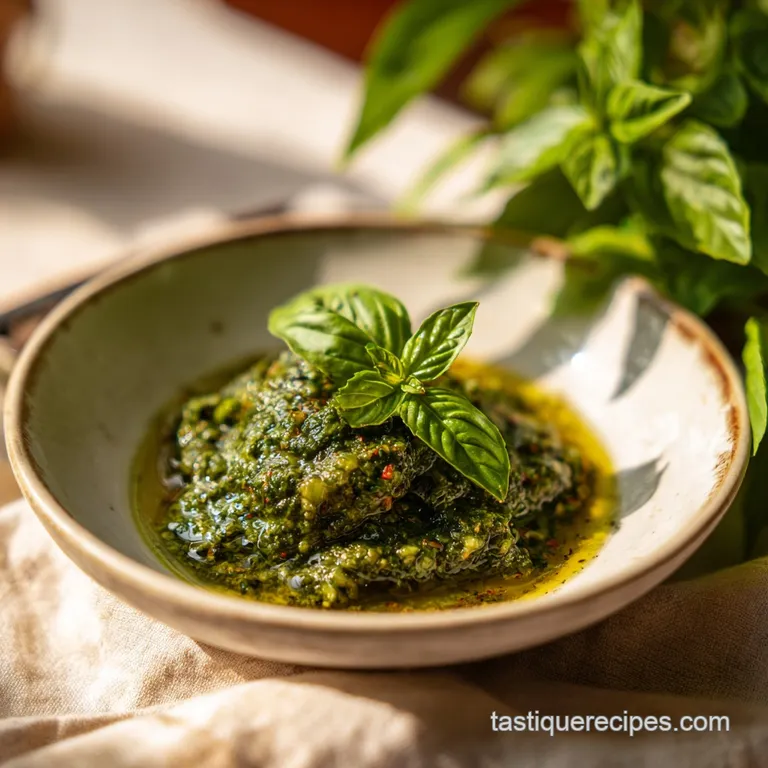
- Time: Active 5 minutes, Passive 0 mins, Total 5 minutes
- Flavor/Texture Hook: Velvety olive oil meets the peppery bite of raw garlic and salty cheese.
- Perfect for: Rapid weeknight dinners, high protein meal prep, and garden harvests.
- Master the Best Basil Pesto Recipe
- The Logic of Fresh Sauce
- Ingredient Deep Dive Analysis
- Essential Tool and Element Selection
- Low Tech Preparation Essentials
- Step by Step Assembly Guide
- Solving Texture and Color Issues
- Plant Based and Budget Alternatives
- Freshness and Waste Reduction
- Plating and Creative Uses
- Recipe FAQs
- 📝 Recipe Card
Master the Best Basil Pesto Recipe
The moment you tear into a bunch of fresh basil, that peppery, anise like aroma fills the kitchen and suddenly, everything feels a bit more like summer. I remember the first time I tried to make this without a recipe; I just tossed everything into a blender and ended up with a brown, swampy mess that tasted like bitter grass.
It was a total disaster, but it taught me that this sauce isn't just about mixing ingredients, it's about managing friction and temperature.
We've all been there, looking at a wilted plant on the windowsill and wondering if it’s enough for a meal. This basil pesto recipe is designed to be your reliable back pocket move when you need a punch of flavor in exactly five minutes.
We are skipping the complicated techniques and focusing on the small tweaks that keep the color bright green and the texture silky.
You don't need a massive marble mortar and pestle or a professional grade food processor to get this right. We're going to use simple, reliable steps to ensure your sauce never turns gray or gluey. Whether you're tossing this with pasta or using it as a spread, the goal is a sauce that tastes alive.
The Logic of Fresh Sauce
The Chlorophyll Cold Chain: Keeping your blades and ingredients cold prevents the friction of the motor from "cooking" the basil, which keeps the color vibrant green instead of dull brown.
Enzymatic Deactivation: A tiny splash of lemon juice lowers the pH just enough to slow down the polyphenol oxidase, the enzyme responsible for browning when leaves are bruised.
Emulsion Stability: Adding the extra virgin olive oil in a slow stream at the end allows the fat to encapsulate the herb particles rather than just making them wet.
If you're looking for a spicy companion to this meal, it pairs brilliantly with my Bang Bang Cauliflower recipe as a cooling side.
| Prep Method | Active Time | Resulting Texture | Best For |
|---|---|---|---|
| Food Processor | 5 minutes | Uniform, velvety, smooth | Quick weeknight pasta |
| Mortar & Pestle | 15 minutes | Chunky, rustic, oily | Caprese salad or toast |
| Hand Chopped | 10 minutes | Coarse, textured, distinct | Garnish for soups |
Using a food processor is my go to for speed, but if you want that restaurant style "shatter" of nuts in every bite, the hand chopped method is a beautiful way to spend a Saturday afternoon.
Ingredient Deep Dive Analysis
| Ingredient | Science Role | Pro Secret |
|---|---|---|
| Fresh Basil | Primary aromatic base | Pulse leaves last to minimize bruising and oxidation. |
| Pine Nuts | Fatty emulsion binder | Toast them for 2 mins to release essential oils. |
| Extra Virgin Olive Oil | Solvent and preservative | Use a "buttery" oil rather than a "peppery" one. |
| Parmesan Cheese | Umami and salt source | Grate it yourself; pre shredded has waxy anti caking agents. |
Wait, before you start throwing things in the bowl, make sure your garlic is fresh. If you see a green sprout in the center of the clove, pull it out. That little germ is where all the aggressive bitterness lives, and in a raw sauce, it will completely take over.
Essential Tool and Element Selection
You’ll need 2 cups packed fresh basil leaves (about two large bunches) and 2 medium cloves garlic, peeled. For the acid and seasoning, grab 1 tsp fresh lemon juice and 0.5 tsp sea salt.
The bulk of the texture comes from 0.33 cup pine nuts, 0.5 cup high-quality Extra Virgin Olive Oil, 0.5 cup freshly grated Parmesan cheese, and 2 tbsp Pecorino Romano for that extra salty kick.
- Basil Substitute: Spinach or arugula. Why this? Maintains the green volume but adds a peppery or earthy note.
- Pine Nut Substitute: Walnuts or sunflower seeds. Why this? Walnuts offer a similar fat content and a deeper, earthier flavor profile.
- Parmesan Substitute: Nutritional yeast. Why this? Provides the "cheesy" umami flavor while keeping the recipe entirely plant based.
- Garlic Substitute: Garlic scapes or chives. Why this? A milder, less biting aromatic profile for sensitive palates.
Low Tech Preparation Essentials
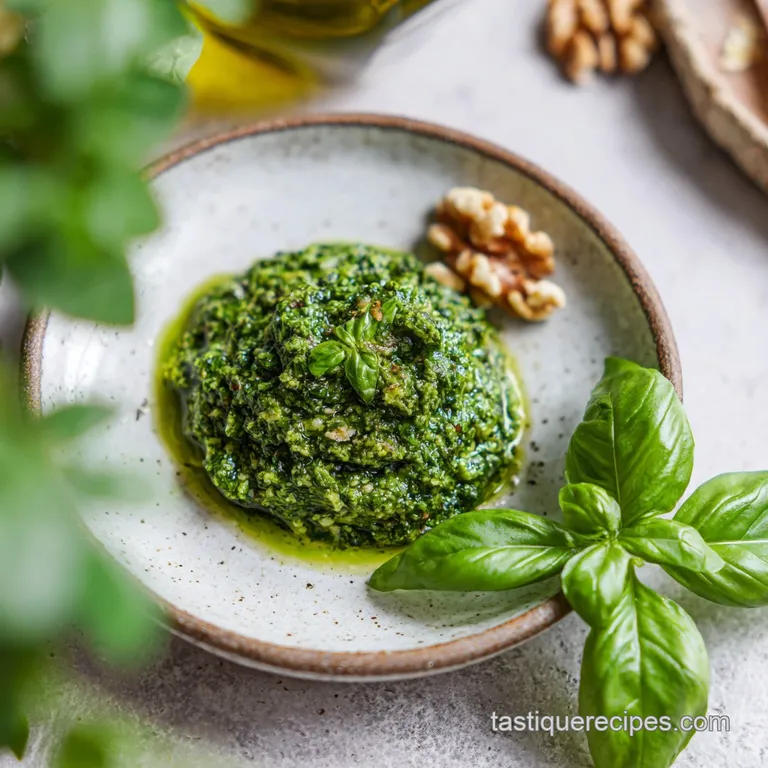
If you're using a food processor, stick the blade in the freezer for 10 minutes before you start. It sounds weird, but that cold metal prevents the basil from heating up during the high speed pulses. Also, don't bother washing the basil right before you use it unless you have a salad spinner.
Water is the enemy of a good emulsion; if the leaves are wet, the oil won't cling to them, and you'll end up with a watery separation on your plate.
Chef's Tip: Rub a cut garlic clove along the inside of your processing bowl before adding the ingredients. It perfumes the entire batch without needing to over process the cloves themselves.
step-by-step Assembly Guide
- Toast the nuts. Place the 0.33 cup pine nuts in a dry pan over medium heat for 2 minutes until golden and fragrant.
- Pulse the aromatics. Add the 2 cloves garlic and toasted nuts to the processor. Note: Crushing these first ensures no large chunks remain.
- Add the greens. Pack the 2 cups basil leaves into the bowl on top of the nut mixture.
- Season the base. Pour in the 1 tsp lemon juice and 0.5 tsp sea salt.
- Initial breakdown. Pulse 5-7 times until the leaves are coarsely chopped but not pureed.
- Stream the oil. While the processor is running on low, slowly pour in the 0.5 cup Extra Virgin Olive Oil.
- Incorporate the cheese. Add the 0.5 cup Parmesan and 2 tbsp Pecorino. Note: Adding cheese last prevents it from becoming "gummy".
- Final pulse. Blitz for 3 seconds until the texture is velvety and uniform.
- Check consistency. If it’s too thick, add one tablespoon of water or more oil.
- Taste test. Adjust salt only after the cheese is fully mixed in, as Pecorino is naturally very salty.
For a hearty dinner, slather this over a Chicken Parmesan Recipe for a vibrant, herby twist on a classic.
Solving Texture and Color Issues
One of the biggest heartbreaks is making a gorgeous green sauce only to have it turn a muddy brown by the time the pasta is ready. This usually happens because of oxygen or heat. If you're mixing this into hot pasta, don't do it over the stove.
The residual heat of the noodles is more than enough to melt the cheese without killing the fresh herb flavor.
Bitterness Control Tactics
If your sauce tastes unpleasantly sharp or bitter, it’s usually the olive oil reacting to the high speed blades. When Extra Virgin Olive Oil is agitated too much, it releases polyphenols that taste quite harsh. To fix this, pulse the oil in briefly at the very end rather than running it the whole time.
Correcting a Gluey Consistency
Over processing the cheese is the main culprit here. If you let the blades run too long with the Parmesan, the friction melts the proteins and fats into a sticky paste. Always fold the cheese in by hand or use a final, very short pulse to keep the texture light and airy.
| Problem | Root Cause | Solution |
|---|---|---|
| Gray/Brown color | Oxidation of leaves | Add lemon juice and top with a layer of oil. |
| Bitter aftertaste | Over processed oil | Pulse oil at the end or mix in by hand. |
| Separating oil | Poor emulsion | Add 1 tsp of warm pasta water when serving. |
Common Mistakes Checklist ✓ Never use "light" olive oil; the flavor is too weak for a raw sauce. ✓ Dry your basil leaves completely to ensure the oil adheres properly. ✓ Don't skip the lemon juice; it's the key to the bright green color.
✓ Use a cold blade or bowl to prevent the herbs from wilting. ✓ Add the cheese at the very last second to maintain texture.
Plant Based and Budget Alternatives
To scale this down for a solo lunch, use 0.5 cup of basil and just a tiny clove of garlic. Reduce the oil to 2 tablespoons and pulse everything in a small personal blender or even chop it by hand. If you're doubling the batch for a party, don't double the garlic or salt immediately.
Aromatics like garlic can become exponentially stronger in large batches, so start with 3 cloves for a double batch and taste as you go.
For those following a high protein vegan lifestyle, you can swap the cheese for a mix of nutritional yeast and hemp seeds. This keeps that savory "funk" while boosting the protein content significantly.
If pine nuts are too expensive (they often are!), toasted walnuts provide a fantastic, budget friendly crunch that actually holds its flavor better if you’re freezing the batch.
| Premium Ingredient | Budget Alternative | Flavor Impact | Savings |
|---|---|---|---|
| Pine Nuts | Toasted Walnuts | Earthier, slightly more bitter | Save $5-7 |
| Pecorino Romano | Extra Sea Salt | Less "funk" but still savory | Save $3-4 |
| Fresh Basil | Half Spinach/Half Basil | Milder, less peppery | Save $2-3 |
Freshness and Waste Reduction
Storage: Keep your pesto in a glass jar in the fridge for up to 5 days. The trick is to flatten the top with a spoon and pour a thin layer of olive oil over it to create an airtight seal. This prevents the air from touching the leaves.
Freezing: This is one of the best recipes for the freezer. I highly recommend using an ice cube tray. Freeze the pesto in cubes, then pop them into a freezer bag for up to 4 months. You can drop a frozen cube directly into hot soup or a pan of warm pasta for an instant flavor bomb.
Zero Waste: Don't throw away those basil stems! While they are too fibrous for the pesto itself, they hold incredible flavor. Toss them into your next batch of vegetable stock or tuck them into a bottle of olive oil for a quick herb infused drizzle.
If you have leftover pesto that’s starting to look a bit dull, whisk it with some balsamic vinegar and more oil for a killer salad dressing.
Plating and Creative Uses
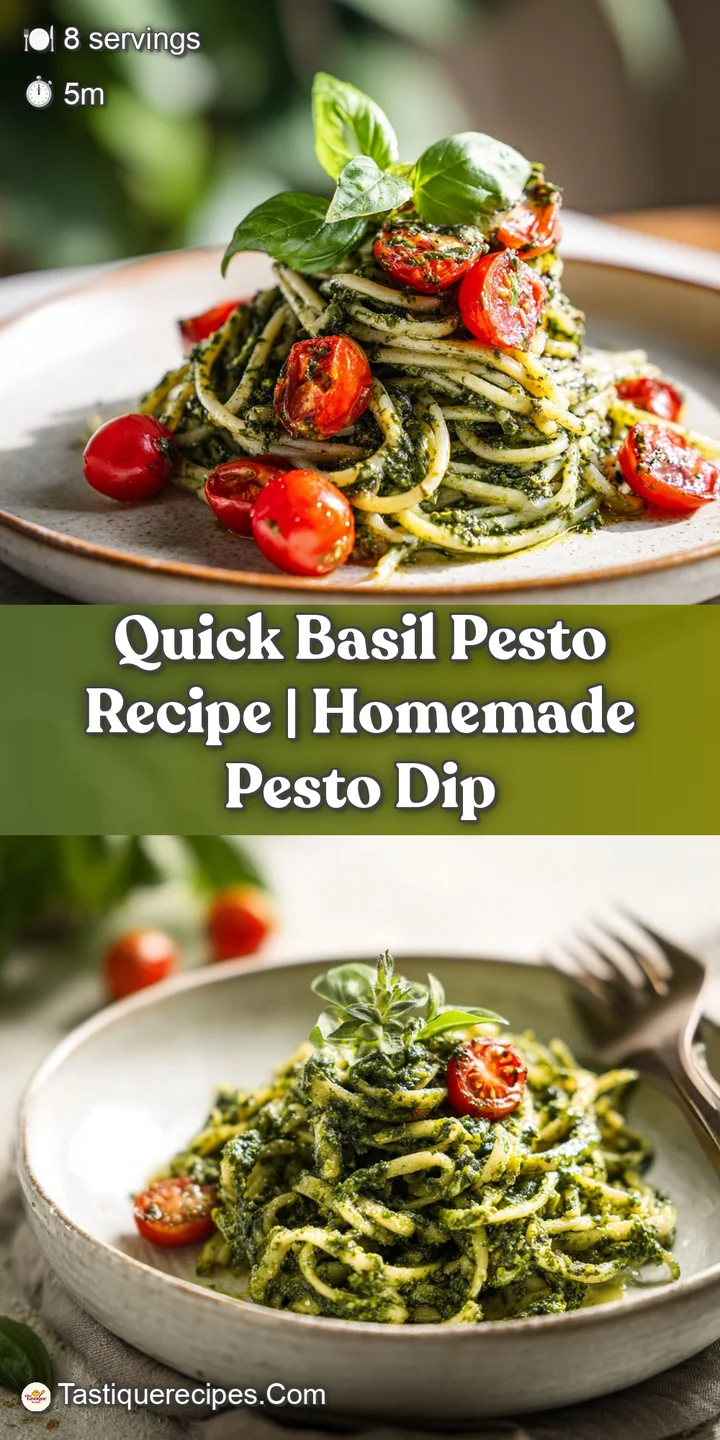
When you're ready to serve, remember that presentation is half the battle. If you're doing a classic pasta dish, reserve about 1/4 cup of the starchy pasta water. Mixing this with the pesto creates a velvety "cream" that coats every strand of noodle without needing actual cream.
It makes the dish look restaurant quality rather than just oily noodles.
For a real "wow" factor, use a small spoon to dot the pesto around a plate of sliced heirloom tomatoes and burrata. The contrast of the deep green against the red and white is stunning. If you're feeling adventurous, try using this as a base for a white pizza or even drizzled over a savory breakfast bowl with poached eggs. For another Italian inspired treat to finish the meal, you have to try this Matcha Tiramisu Recipe — it’s the perfect light, creamy end to a fresh meal.
Myth: Searing the garlic makes it better. Truth: Searing or roasting the garlic changes the chemical compound allicin, making it sweet and mellow. Pesto relies on the sharp, spicy "bite" of raw garlic to cut through the heavy fat of the oil and nuts. Keep it raw!
Myth: You must use a mortar and pestle for "authentic" flavor. Truth: While a mortar and pestle creates a beautiful texture, a food processor used in short pulses can achieve 95% of the same result in a fraction of the time. The key is pulse control, not the tool itself.
Recipe FAQs
What are the ingredients in basil pesto?
Basil, pine nuts, Parmesan cheese, Pecorino Romano, garlic, sea salt, and extra virgin olive oil. These form the classic Genoa style base for a robust, fresh sauce.
What is the secret to a good pesto?
Keep the ingredients and equipment cold to prevent oxidation. Friction from the processor heats the basil, turning it brown; chilling the blade and pulsing quickly preserves the bright green chlorophyll.
What common pesto making mistakes turn the sauce brown or bitter?
Using warm equipment or over processing the mixture causes browning and bitterness. Excess heat "cooks" the basil, deactivating its fresh flavor, and over agitation of the oil releases harsh notes.
Is pesto good for diabetics?
Generally, yes, in moderation, due to its low carbohydrate count. Pesto is high in healthy fats and herbs; however, be mindful of the portion size of cheese and any accompanying starches like pasta.
How to prevent basil pesto from separating into oil and solids?
Stream the olive oil in slowly while the machine is running at a low speed. This creates a stable emulsion where the fat properly coats the solids, much like the technique used to stabilize a vinaigrette.
Can I use walnuts instead of pine nuts for a cheaper pesto?
Yes, walnuts are an excellent and significantly cheaper substitute. They offer a similar fat content, though they introduce a deeper, earthier flavor compared to the delicate taste of pine nuts.
How to store homemade basil pesto long term?
Freeze it in ice cube trays for best long term storage. Once frozen, transfer the cubes to a freezer bag and use them directly in hot sauces; this skill of controlled freezing works well for many sauces, like our Miso Caramel Sauce recipe.
Easy Basil Pesto Recipe
Ingredients:
Instructions:
Nutrition Facts:
| Calories | 195 kcal |
|---|---|
| Protein | 3.9 g |
| Fat | 19.8 g |
| Carbs | 1.4 g |
| Fiber | 0.6 g |
| Sugar | 0.2 g |
| Sodium | 275 mg |
