White Pizza Sauce: Creamy and Savory
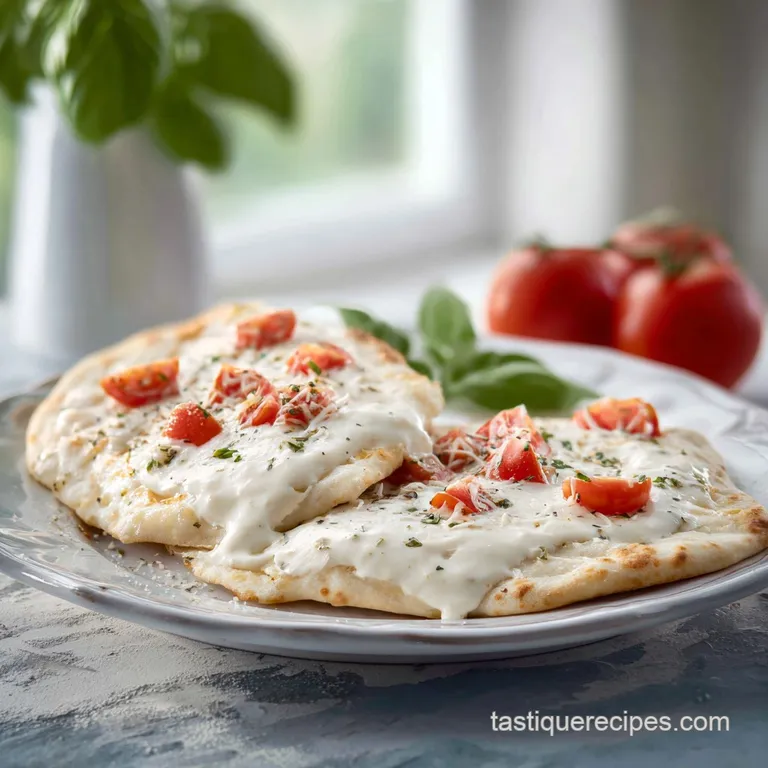
- Time: Active 5 minutes, Passive 5 minutes, Total 10 minutes
- Flavor/Texture Hook: Velvety, garlicky, and savory
- Perfect for: Weeknight dinners, gourmet pizza parties, and meal prep
- What Makes This White Pizza Sauce Actually Work
- Essential Facts for Every Busy Home Cook
- The Elements That Build a Velvety Base
- Essential Gear for a Smooth Stovetop Process
- The Foolproof Method for Consistent Sauce Success
- Solving Common Sauce Problems and Avoiding Mistakes
- Clever Flavor Swaps for Diverse Pizza Nights
- Guidelines for Storing and Reusing Your Sauce
- Flavorful Combinations to Round Out Your Meal
- Kitchen Wisdom and Debunking Sauce Myths
- Recipe FAQs
- 📝 Recipe Card
What Makes This White Pizza Sauce Actually Work
The aroma of garlic hitting warm butter is one of those kitchen triggers that instantly makes everyone wander into the room. I remember the first time I moved away from red sauce; I was tired of that heavy, acidic bite and wanted something that felt a bit more like a hug for my pizza dough.
This recipe came out of a chaotic Friday night where I realized I had no jars left in the pantry, but I did have a block of Parmesan and some garlic cloves rolling around in the drawer.
What really makes this version stand out is the texture. We aren't just making a thick paste; we are building a silky, pourable emulsion that clings to the dough and stays stable even under the high heat of a pizza oven. The "hero" here is undoubtedly the fresh garlic.
While powder is fine for a spice rub, only fresh, minced garlic provides that pungent, floral base that defines a truly great white pizza. It provides a sharp contrast to the fat in the cream, ensuring the sauce tastes bright rather than just heavy.
Essential Facts for Every Busy Home Cook
Getting the timing right is the secret to a sauce that doesn't break. We are looking for a specific flow here: the butter must be melted but not browned, and the flour needs just enough time to lose its raw edge without turning into a dark gravy base.
Because this sauce cooks so fast, you really need to have everything measured and ready to go before you even turn on the burner.
Roux Stability: The flour and butter bond together to create a network that traps liquid, ensuring the milk doesn't separate.
Protein Binding: Freshly grated Parmesan contains natural emulsifiers that help the heavy cream stay smooth as it thickens.
Acid Balance: A tiny splash of lemon juice breaks down the heavy fat molecules on the tongue, making the flavor feel lighter.
Aromatic Infusion: Sautéing the garlic in butter first releases fat soluble flavor compounds that permeate the entire 10 minutes of cooking.
| Method | Time | Texture | Best For |
|---|---|---|---|
| Stovetop (Classic) | 10 minutes | Velvety and thick | Standard pizza nights |
| Cold Whisk (Fast) | 5 minutes | Thinner, less stable | Quick flatbreads |
| Double Boiler | 15 minutes | Ultra smooth | Delicate toppings |
Wait for the butter to reach a gentle foam before adding your garlic. If the butter starts to turn brown, it will add a nutty toasted flavor that clashes with the fresh Parmesan, so keep that heat on medium low.
This controlled temperature ensures the garlic softens and scents the fat without becoming bitter or crunchy.
The Elements That Build a Velvety Base
Choosing the right ingredients makes a massive difference in how the sauce behaves on the dough. I always reach for whole milk because the lower fat content of 1% or skim often leads to a watery sauce that soaks right into the crust, leaving you with a soggy mess.
The heavy cream acts as our insurance policy, adding enough viscosity to keep the sauce sitting proudly on top of the flour.
| Component | Science Role | Pro Secret |
|---|---|---|
| Unsalted Butter | Fat medium | Use high-quality European style for more moisture |
| All purpose Flour | Thickening agent | Sift it first to ensure zero lumps in the roux |
| Parmesan Cheese | Flavor & Emulsifying | Grate it yourself; pre shredded has waxy anti caking agents |
| Fresh Lemon Juice | pH Balancer | Adds a "zing" that mimics the acidity of tomatoes |
For the best results, use these specific amounts. Substituting the heavy cream for more milk will result in a much thinner sauce that might require longer simmering, which can sometimes cause the cheese to become grainy.
- 2 tbsp (28g) Unsalted butter
- 3 cloves Garlic, minced fine (approx. 15g) Why this? Fresh garlic provides the essential aromatic foundation that powder lacks.
- 2 tbsp (16g) All purpose flour
- 1 cup (240ml) Whole milk, room temperature Why this? Room temp milk incorporates faster into the roux without clumping.
- 1/4 cup (60ml) Heavy cream
- 1/2 cup (45g) Freshly grated Parmesan cheese
- 1/4 tsp (1.5g) Fine sea salt
- 1/8 tsp (0.5g) Ground black pepper
- 1 pinch (0.2g) Ground nutmeg
- 1/2 tsp (2.5ml) Fresh lemon juice
Essential Gear for a Smooth Stovetop Process
You don't need a kitchen full of gadgets to make a world class sauce, but a few specific items will make your life much easier. A heavy bottomed saucepan is your best friend here. Cheap, thin pans have "hot spots" that can scorch the flour or burn the garlic in seconds, which is a tragedy no amount of cheese can fix.
A silicone coated whisk is also a game changer. It allows you to get into the "corners" of the pan where flour tends to hide and clump. If you only use a spoon, you'll likely end up with small floury nuggets in your sauce. For another creamy treat that benefits from good whisking, you might love this Chicken Fettuccine Alfredo.
Infusing Aromatics in Fat
The goal is to let the garlic gently sweat. We want it to become translucent and soft, almost like a jam. This creates a base layer of flavor that is mellow and sweet rather than sharp and biting. If you have leftover garlic after this, use it in this garlic shrimp and mushroom bisque.
Achieving Texture via Residual Heat
The cheese should never be added while the pan is over direct heat. High heat can cause the proteins in the Parmesan to tighten and clump, resulting in a gritty texture. By pulling the pan off the burner and letting the residual heat do the work, you ensure a silky finish that looks like liquid gold.
The Foolproof Method for Consistent Sauce Success

- Melt the 2 tbsp of unsalted butter in a small saucepan over medium low heat. Watch for the foam to subside before moving to the next step.
- Add the 3 cloves of minced garlic. Sauté for about 1 minute until the kitchen smells like a trattoria, but do not let the garlic turn brown.
- Sprinkle the 2 tbsp of all purpose flour over the garlic butter. Whisk constantly for 1–2 minutes to cook out the raw starch flavor; the mixture should look pale and bubbly.
- Slowly pour in the 1 cup of whole milk and 1/4 cup of heavy cream, just a splash at a time. Note: Adding liquid slowly prevents the flour from forming lumps.
- Continue whisking vigorously after each addition until the liquid is fully incorporated and the mixture is smooth.
- Increase the heat slightly and continue whisking until the sauce begins to simmer and thickens to the consistency of heavy paint.
- Immediately remove the pan from the heat source to prevent over thickening.
- Add the 1/2 cup of Parmesan cheese, salt, pepper, and the pinch of nutmeg. Whisk until the cheese melts completely into the sauce.
- Stir in the 1/2 tsp of fresh lemon juice last. The sauce should look glossy and velvety.
- Taste and adjust salt if necessary, then let it cool slightly before spreading it onto your prepared pizza dough.
Solving Common Sauce Problems and Avoiding Mistakes
Sometimes things go sideways, even in a ten minute recipe. The most common issue people face is a sauce that looks more like a ball of dough than a spreadable liquid. This usually happens if the heat was too high or if the flour wasn't measured correctly.
If it’s too thick, don't panic; just whisk in a tablespoon of milk at a time until it loosens up.
Why Your White Pizza Sauce Is Lumpy
Lumps are usually the result of adding the milk too fast. When cold milk hits a hot roux, the outer layer of the flour fat paste can seize up, trapping dry flour inside. To fix this, you can actually pass the sauce through a fine mesh sieve or give it a very quick pulse with an immersion blender.
It's an extra dish to wash, but it saves the sauce.
| Problem | Root Cause | Solution |
|---|---|---|
| Grainy texture | Cheese added at too high heat | Remove from heat before adding cheese; whisk fast |
| Floury taste | Roux didn't cook long enough | Ensure the flour bubbles for at least 60 seconds |
| Sauce is breaking | Fat content is too high or low | Whisk in a splash of room temp milk to re emulsify |
Common Mistakes Checklist
- ✓ Use room temperature milk to avoid thermal shock to the roux.
- ✓ Grate your own Parmesan to avoid the gritty mouthfeel of cellulose coated shreds.
- ✓ Stop sautéing the garlic the moment it becomes fragrant; brown garlic is bitter.
- ✓ Don't skip the nutmeg - even a tiny pinch adds a professional depth that diners can't quite place.
- ✓ Let the sauce cool for 5 minutes before putting it on dough to prevent the crust from getting soggy.
Clever Flavor Swaps for Diverse Pizza Nights
While the classic version is hard to beat, I often find myself tweaking the ingredients based on what’s in the fridge. For a high protein plant based twist, you can actually use a thick cashew cream instead of the heavy cream, though the flavor will be significantly nuttier.
If you want a more "herb forward" experience, whisking in a teaspoon of dried oregano or fresh basil at the very end can transform the profile.
| Original Ingredient | Substitute | Why It Works |
|---|---|---|
| Heavy Cream (1/4 cup) | Ricotta Cheese (1/4 cup) | Creates a thicker, more "dollop able" sauce. Note: Less glossy finish. |
| Parmesan Cheese | Pecorino Romano | Adds a much saltier, funkier punch to the base. |
| All purpose Flour | Cornstarch (1 tbsp) | Keeps it gluten-free. Note: Slurry it with cold milk first. |
If you are looking for a completely different vibe, try adding a tablespoon of basil pesto to the finished sauce. This creates a "long island" style green white sauce that is incredible with fresh tomatoes and balsamic glaze. It's these little variations that keep pizza night from feeling repetitive.
Guidelines for Storing and Reusing Your Sauce
You can easily make this ahead of time, which is a lifesaver for hosting. Once the sauce is done, transfer it to a glass jar. To prevent a "skin" from forming on top as it cools, press a piece of plastic wrap directly onto the surface of the sauce. It will keep in the refrigerator for up to 3 days.
Chef's Tip: If you find the sauce has turned into a solid block in the fridge, don't worry. This is just the butter and cheese solidifying. Reheat it gently in a small pan with a splash of milk, whisking constantly, and it will return to its silky state.
For zero waste, use any leftover sauce as a topping for steamed broccoli or as a quick "cheat" Alfredo for a single serving of pasta. It’s also a fantastic dip for breadsticks.
If you have a lot left over, it freezes surprisingly well for up to 2 months, though you will need to whisk it vigorously once thawed to bring the emulsion back together.
Flavorful Combinations to Round Out Your Meal
White pizza is a blank canvas. Because the sauce is so rich, it pairs beautifully with toppings that have a bit of "snap" or salt. Think thin slices of red onion, salty prosciutto, or earthy mushrooms.
I personally love a "White Forest" pizza with this sauce, sautéed spinach, and a drizzle of truffle oil right before serving.
- The Classic White: Fresh mozzarella, dollops of ricotta, and extra garlic.
- The Savory Garden: Roasted artichokes, spinach, and red pepper flakes.
- The Protein Punch: Sliced grilled chicken, bacon bits, and green onions.
Because this sauce is so versatile, it really lets the quality of your toppings shine. Unlike red sauce, which can sometimes overpower delicate flavors, this white base acts as a support system.
It’s the difference between a loud neighbor and a supportive friend it's there to make everything else look better.
Kitchen Wisdom and Debunking Sauce Myths
There is a common myth that you have to scald the milk before adding it to a roux to get a smooth sauce. In reality, room temperature milk works perfectly fine and saves you an extra pot.
The "scalding" technique was more important in the days before pasteurization; nowadays, it's just an unnecessary step that increases the risk of burning the bottom of your milk.
Another misconception is that white pizza sauce is just Alfredo sauce. While they share ingredients, a true pizza sauce needs to be slightly thicker and more stable to withstand the 500°F (260°C) heat of a pizza stone.
Alfredo is designed to coat pasta and stay loose; this sauce is designed to stay put and create a creamy barrier between the dough and the cheese.
Finally,, some people think you can't freeze dairy based sauces. You absolutely can, provided you understand that the fat might separate slightly upon thawing. A quick whisk over low heat fixes the structure every time.
Don't let a "broken" look scare you off it's just physics, and physics can be undone with a little elbow grease and a good whisk.

Recipe FAQs
What is white sauce on pizza made of?
This sauce is a simple roux based blend. It uses unsalted butter, minced garlic, all-purpose flour, whole milk, heavy cream, freshly grated Parmesan, sea salt, black pepper, nutmeg, and fresh lemon juice.
What is the white sauce that comes with pizza?
Most often, it is a garlic infused Béchamel or a modified Alfredo. Our version is a quick, scratch made white sauce that balances savory Parmesan with a subtle hint of nutmeg and lemon juice for brightness.
What kind of pizza can CKD patients eat?
Consult your doctor or dietitian for specific medical advice. Many people managing chronic conditions look for recipes with controlled phosphorus and potassium levels, though this sauce contains dairy and Parmesan which may not fit all renal diets.
Is white pizza sauce and Alfredo sauce the same thing?
No, they differ in their base and texture. Traditional Alfredo relies on butter and cheese emulsion, while this white sauce uses a flour based roux to achieve a stable, thicker consistency, similar to the technique used to create the base for our creamy chicken noodle soup.
How to avoid lumps when making the sauce?
Whisk in the room temperature milk and heavy cream a few tablespoons at a time. Adding liquid slowly while whisking vigorously after each addition ensures the flour and butter paste incorporates smoothly without forming clumps.
Is it true I must boil the sauce for a long time to cook out the flour?
No, this is a common misconception. You only need to whisk the flour and butter paste for 1 2 minutes until it looks pale and bubbly to effectively remove the raw flour taste before adding your liquids.
How to keep the pizza crust from getting soggy?
Let the finished sauce cool for 5 minutes before spreading it on the dough. Applying the sauce while it is boiling hot can prematurely soften the crust, leading to a less crispy result.
Creamy White Pizza Sauce

Ingredients:
Instructions:
Nutrition Facts:
| Calories | 409 kcal |
|---|---|
| Protein | 13.9 g |
| Fat | 32.2 g |
| Carbs | 16.1 g |
| Fiber | 0.4 g |
| Sugar | 6.2 g |
| Sodium | 595 mg |
