Classic Pound Cake: Southern Style and Buttery
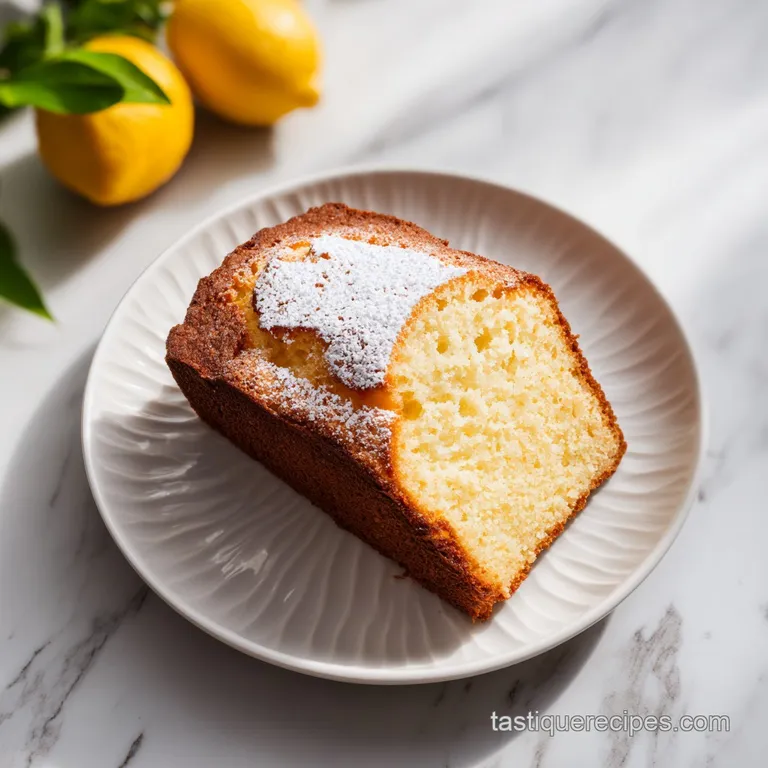
- Time: Active 20 minutes, Passive 75 minutes, Total 95 minutes
- Flavor/Texture Hook: Silky, buttery interior with a golden crust
- Perfect for: Afternoon tea or a reliable holiday base
- The Reasoning Behind the Crumb
- Cooking Method Comparison
- Component Deep Dive
- Selecting Your Premium Elements
- Necessary Hardware for Success
- Detailed Preparation Steps
- Fixing Common Dessert Disasters
- Creative Flavor Adaptations
- Long Term Preservation
- Complimentary Serving Ideas
- Debunking Baking Myths
- Recipe FAQs
- 📝 Recipe Card
We've all been there: pulling a loaf out of the oven only to find a rubbery, dense brick with a weird oily sheen. For years, I struggled with pound cakes that looked beautiful on the outside but had a "gluey" streak running through the middle. It felt like a betrayal.
I followed the measurements, I set the timer, and yet, the texture just wasn't that tight, velvety crumb I remembered from my grandmother's rustic baking sessions. The smell of scorched butter and the sound of a heavy pan hitting the counter in frustration became too familiar.
The problem wasn't the ingredients themselves, but how they were interacting. A Classic Pound Cake is a test of patience and temperature. If your butter is too soft, the air bubbles collapse. If your eggs are too cold, the emulsion breaks, and you end up with a greasy mess.
I learned that the secret isn't in a special pan or a fancy additive; it's in the way we treat the flour and the air we whip into the fats.
This is a recipe for the cook who appreciates the weight of tradition. We are going back to the basics: 454g of every major component. No baking powder, no baking soda just the raw power of mechanical aeration.
When you slice into this, you’ll see a crumb so fine it looks like a sponge, but with a richness that only a full pound of unsalted butter can provide. It's stable, it’s reliable, and it’s the fix for every "sunken middle" disaster you've ever faced.
The Reasoning Behind the Crumb
To understand why this method works, we have to look at the structural integrity of the batter. We aren't just mixing; we are building a microscopic skyscraper of air and fat.
- Mechanical Aeration: Beating sugar into butter for a full 5–7 minutes creates millions of tiny air pockets. These pockets expand in the heat of the oven, providing the only lift the cake receives.
- Emulsion Stability: Adding eggs one at a time ensures the fat and water based liquids stay bound. If the mixture looks curdled, the cake will be dense and heavy because the air bubbles have escaped.
- Gluten Minimization: Sifting the flour three times doesn't just remove lumps; it aerates the particles so they incorporate instantly. This prevents over mixing, which would otherwise lead to a tough, bread like texture.
- Evaporative Cooling: The use of a tube pan allows heat to reach the center of the cake from the inside out, ensuring the middle bakes at the same rate as the edges.
Cooking Method Comparison
| Method | Time | Texture | Best For |
|---|---|---|---|
| Traditional Oven | 75 minutes | Even, golden crust with a tight, velvety crumb | Maintaining the classic weight and density |
| Stovetop (Water Bath) | 90 minutes | Pale, incredibly moist, almost like a steamed pudding | Those without a reliable oven or seeking a "silky" feel |
| Convection Oven | 60 minutes | Thicker, darker crust; risk of drying out | Quick baking, but requires a 20°C temperature reduction |
When deciding between these methods, the traditional oven is almost always the winner for a Classic Pound Cake. The dry heat is what creates that signature "shatter" on the top crust while the inside stays moist.
If you've ever tried to make this in a slow cooker or via a stovetop method, you'll notice the crust never gets that mahogany color that provides the flavor contrast to the sweet interior.
Component Deep Dive
| Ingredient | Science Role | Pro Secret |
|---|---|---|
| Unsalted Butter | Provides fat for tenderness and traps air during creaming. | Keep it at exactly 20°C. If it’s too oily, the air pockets will simply slide out. |
| Granulated Sugar | Abrasive edges cut into the butter to create air voids. | Rain the sugar in slowly; don't dump it all at once to keep the friction high. |
| Large Eggs | Act as the primary binder and provide moisture for steam. | Weigh your eggs out of the shell to ensure you have exactly 454g. |
| All Purpose Flour | Provides the protein structure (gluten) to hold the shape. | Use a high-quality unbleached flour for a more rustic baking flavor. |
Selecting Your Premium Elements
For a dish this simple, the quality of your flour and butter is everything. I prefer using unbleached all purpose flour, often looking for specialty flours from local mills that use heritage grains.
These flours often have a slightly higher mineral content which adds a depth of flavor you won't get from the standard bleached stuff. If you can find a European style butter with a higher fat content, use it. The lower water content means a more stable emulsion and a richer mouthfeel.
- 1 lb (454g) unsalted butter, softened to 20°C Why this? Essential for the creaming process and flavor profile.
- 1 lb (454g) granulated sugarWhy this? Provides sweetness and structural aeration.
- 1 lb (454g) large eggs, room temperature (approx. 9 eggs) Why this? The weight match creates the perfect classic balance.
- 1 lb (454g) all purpose flour, sifted three times Why this? Three sifts ensure a light, airy crumb.
- 0.5 tsp fine sea saltWhy this? Sharpens the sweetness and butter notes.
- 1 tbsp pure vanilla extractWhy this? high-quality extract provides the classic floral aroma.
- 1 tsp almond extract (optional) Why this? Adds a subtle professional "bakery" undertone.
Necessary Hardware for Success
You don't need a kitchen full of gadgets, but a few things are non negotiable. A stand mixer is your best friend here. While you can do this by hand, beating butter and sugar for 7 minutes is a workout most of us aren't ready for. I usually use my KitchenAid with the paddle attachment.
Avoid the whisk attachment; it incorporates too much air, which can cause the cake to rise rapidly and then collapse, leaving you with that dreaded hollow top.
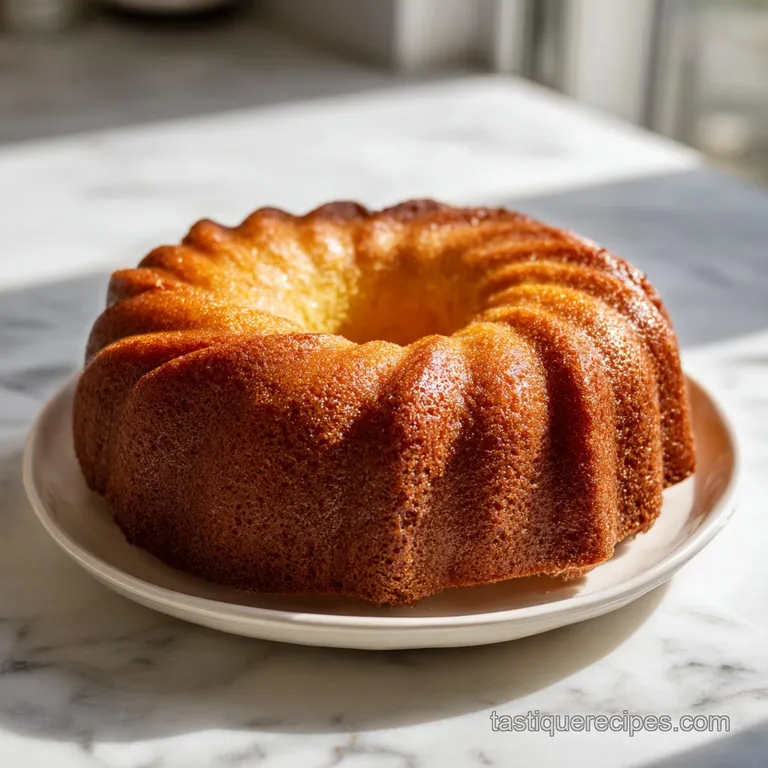
A 10 inch tube pan is the traditional choice. Unlike a Bundt pan, which has intricate designs, a tube pan has straight sides. This allows the heavy batter to "climb" the walls effectively.
If you are using a Bundt pan, make sure it is heavily greased, as the high sugar content in this Classic Pound Cake makes it prone to sticking in the nooks and crannies.
Detailed Preparation Steps
- Prep the oven. Preheat your oven to 180°C. Note: This ensures the cake begins rising the moment it enters the heat.
- Cream the butter. Beat the 454g of softened butter on medium speed until it's pale and looks creamy.
- Aerate with sugar. Gradually add the 454g of granulated sugar, beating for 5–7 minutes until the mixture is nearly white and resembles frosting.
- Incorporate eggs. Reduce mixer speed to low and add the 454g of eggs one at a time. Note: Wait until each egg is fully invisible before adding the next to maintain the emulsion.
- Triple sift flour. Sift the 454g of flour and 0.5 tsp salt together three times onto a piece of parchment paper.
- Fold in solids. Slowly add the sifted flour to the wet mixture, mixing only until no white streaks remain.
- Add aromatics. Stir in the 1 tbsp vanilla and the optional almond extract by hand using a spatula.
- Transfer batter. Pour into a greased and floured 10 inch tube pan, smoothing the top with a spoon.
- Bake the cake. Place in the oven for 1 hour and 15 minutes until a skewer comes out clean and the top is mahogany.
- Initial cool. Let the cake sit in the pan for 15 minutes until the edges slightly pull away from the metal.
- Final release. Invert onto a wire rack and let it cool completely before slicing.
Fixing Common Dessert Disasters
One of the most frustrating things is cutting into a cake and seeing a dark, gummy layer at the bottom. This usually happens because the oven temperature was too low or the batter wasn't properly emulsified. In my early days, I used to rush the egg additions, adding three at once because I was impatient.
The result was a batter that looked like cottage cheese. If that happens, the fat separates during baking and sinks to the bottom, creating that "rubber ring."
Achieving a Tight Crumb
The tight, uniform crumb of a Classic Pound Cake is a sign of a job well done. If your crumb is full of large holes, you likely over mixed the flour. Once the flour hits the wet ingredients, gluten starts to develop. You want just enough gluten to hold the cake together, but not so much that it becomes tough. For another velvety experience, you might compare this texture to my Creamy Baked Cheesecake recipe, which also relies on a stable fat protein bond.
Preventing Sunk Centers
If the center of your cake collapses as it cools, it's often due to under baking or opening the oven door too early. The middle of a pound cake is the last part to set. Because there is no chemical leavener, the structure relies entirely on the protein in the eggs and flour setting firmly.
If you pull it out too soon, the air pockets contract and the structure fails.
| Problem | Root Cause | Solution |
|---|---|---|
| Greasy texture | Butter was too warm (melted) during creaming. | Chill butter to 20°C; it should be firm but take a thumbprint. |
| Coarse, dry crumb | Over baking or too much flour. | Use a digital scale for 454g measurements; check doneness at 70 mins. |
| Cake stuck in pan | Pan wasn't greased/floured or cake cooled too long. | Grease with shortening and flour; invert after exactly 15 minutes. |
Common Mistakes Checklist:
- ✓ Use a scale for the "1 lb" measurements (volume is too inaccurate for this).
- ✓ Ensure eggs are room temperature to prevent the butter from seizing.
- ✓ Stop the mixer immediately once the flour is incorporated.
- ✓ Don't open the oven door for the first 50 minutes of baking.
- ✓ Sift the flour three times it’s the difference between "okay" and "velvety."
Creative Flavor Adaptations
While the Classic Pound Cake is perfect on its own, it’s a fantastic canvas for other flavors. If you want a bit of a twist, you can replace the vanilla with lemon zest and a tablespoon of lemon juice. This adds a brightness that cuts through the heavy butter. If you're looking for a fruit forward variation, you could look at how flavors are integrated in a Blueberry Sour Cream Cake, though adding fresh fruit to a pound cake requires a light hand to avoid sinking.
| Original Ingredient | Substitute | Why It Works |
|---|---|---|
| All Purpose Flour (454g) | Cake Flour (454g) | Lower protein results in an even softer, more delicate crumb. |
| Granulated Sugar (454g) | Light Brown Sugar (454g) | Adds moisture and a molasses like depth. Note: Cake will be darker. |
| Vanilla Extract (1 tbsp) | Spiced Rum (2 tbsp) | Adds a warm, complex aroma suitable for winter months. |
Long Term Preservation
Pound cake is actually better on the second day. The moisture redistributes, and the flavors mellow out. I usually wrap mine tightly in plastic wrap once it's completely cool. It will stay fresh on the counter for about 3 to 4 days, or in the fridge for a week.
Honestly, I prefer it at room temperature, as the butter in the cake firms up in the fridge, making the texture feel a bit less velvety.
To freeze, wrap individual slices in plastic wrap and then place them in a freezer bag. They’ll stay good for up to 3 months. When you're ready for a treat, just let a slice thaw on the counter for about 20 minutes. If you have leftovers that have gone slightly stale, don't toss them!
They make the most incredible French toast or can be cubed and used in a trifle with layers of custard and berries.
Complimentary Serving Ideas
A thick slice of this cake is quite rich, so I like to serve it with something that has a bit of acidity. Fresh macerated strawberries or a dollop of creme fraiche works wonders. If you're feeling fancy, you can lightly toast a slice in a dry pan until the edges are crispy and serve it with a scoop of vanilla bean ice cream.
If you enjoy the density of this bake but want something with a different flavor profile, you might enjoy experimenting with the subtle sweetness of a Matcha Crepe Cake. However, for a rainy Sunday afternoon, nothing beats the rustic baking charm of a gold crusted pound cake and a hot cup of black tea. Trust me, once you master the creaming process, you'll never go back to those dry, store-bought loaves again.
Decision Shortcut: If you want a crunchier crust, sprinkle a tablespoon of coarse sugar into the greased pan before adding the batter. If you want a moister interior, replace 50g of the butter with 50g of full fat sour cream.
If you want a taller cake, ensure your eggs are extra large and your butter is whipped until it's almost the color of white paper.
Debunking Baking Myths
Many people believe that you need to add milk or cream to a pound cake to make it moist. In reality, adding liquid can actually make the cake tougher by encouraging more gluten development. The moisture should come entirely from the eggs and the fat in the butter.
Another common myth is that you can "save" a broken emulsion by adding more flour. While this might make the batter look smoother, the air has already been lost, and the final cake will inevitably be heavy and dense.
Searing or "sealing" the cake by starting in a cold oven is another old trick people mention. However, starting in a preheated oven at 180°C is much more reliable.
The immediate hit of heat causes the air pockets to expand quickly before the crumb sets, giving you that necessary lift in a recipe that doesn't use chemical leaveners. Stick to the preheated method for the most consistent results every time you bake.
Recipe FAQs
Which cake is best for diabetics?
None of the traditional versions. Because this recipe relies on a full pound of granulated sugar for structure and texture, it is not suitable for a diabetic diet.
What were the original ingredients in pound cake?
The original recipe used a pound each of butter, sugar, eggs, and flour. This historical ratio provided the structural foundation before modern chemical leaveners were introduced.
What are the 4 ingredients in pound cake?
The core components are unsalted butter, granulated sugar, large eggs, and all-purpose flour. These four items create the dense, velvety crumb through mechanical aeration rather than chemical lifting agents.
What is the 1234 cake rule?
The 1234 rule is a mnemonic for the classic ratio of one cup of butter, two cups of sugar, three cups of flour, and four eggs. While it serves as a simple guideline, the professional standard uses equal weights for higher precision and consistent structure.
How to ensure the cake doesn't become rubbery or dense?
Beat the butter and sugar for 5 7 minutes until nearly white. This intense aeration creates the necessary structure, while ensuring you only mix the flour until just combined prevents the gluten from overdeveloping into a tough, gluey texture.
How to achieve a perfectly stable emulsion?
Use room temperature eggs and add them one at a time. Allowing each egg to fully incorporate into the butter sugar base before adding the next prevents the batter from breaking; if you enjoyed mastering this technique, you can apply similar logic to our Ube Butter Mochi for a smooth, cohesive batter.
Is it true that I can use baking powder to make it rise higher?
No, this is a common misconception. A classic pound cake relies entirely on the mechanical aeration of butter and eggs; adding chemical leaveners will create a coarse texture and ruin the traditional dense, silky crumb.
Classic Southern Pound Cake
Ingredients:
Instructions:
Nutrition Facts:
| Calories | 611 calories |
|---|---|
| Protein | 8.9 g |
| Fat | 34.6 g |
| Carbs | 66.7 g |
| Fiber | 1 g |
| Sugar | 37.5 g |
| Sodium | 97 mg |
