Classic Meatloaf Recipe: Tender and Flavorful
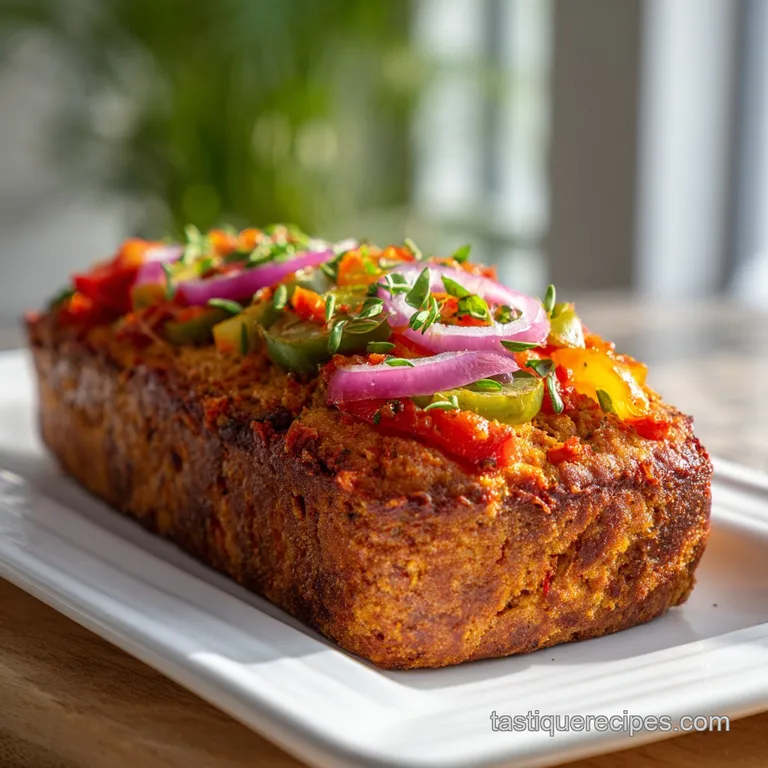
- Time: Active 20 minutes, Passive 1 hours, Total 1 hours 20 mins
- Flavor/Texture Hook: A velvety, melt in-the mouth texture with a sticky, shimmering glaze.
- Perfect for: High protein meal prep or a cozy, restaurant quality family dinner.
- Achieve the Juiciest Results with This Meatloaf Recipe
- The Physics of the Panade
- Essential Components for Savory Depth
- Selecting Your Elements
- Essential Tools for Even Baking
- Step-by-Step Guide to Baking Excellence
- Solving Texture and Flavor Mishaps
- Adjusting the Recipe Size
- Debunking Common Kitchen Beliefs
- Storing and Reviving Your Leftovers
- Perfect Pairings for a Complete Meal
- Meatloaf FAQs
- 📝 Recipe Card
Achieve the Juiciest Results with This Meatloaf Recipe
I still remember the first time I tried to make a loaf for my friends. I followed an old family recipe that basically treated the meat like a giant burger. The result? It was so dry it practically crumbled into dust the moment the knife touched it.
We ended up ordering pizza, and I spent the next week obsessed with finding out why my dinner turned into a desert. It was a total disaster, but it taught me that meatloaf isn't just about the meat; it's about the moisture you trap inside.
This version is the exact opposite of that "gray brick" experience. We’re talking about a beautiful contrast between the rich, savory beef and a bright, zesty glaze that cuts right through the fat.
When you pull this out of the oven, the aroma of toasted onions and caramelized honey fills the kitchen, and that first slice reveals a texture that's incredibly tender. It’s the ultimate bridge between those old school traditional techniques and the modern convenience we need on a Tuesday night.
Trust me, once you see that shimmering glaze, you'll never go back to the basic version.
The Physics of the Panade
Capillary Action: The panko and milk form a "panade" paste that physically coats meat fibers, preventing them from tightening into a tough knot during cooking. This creates a structural mesh that holds onto the juices rather than squeezing them out into the pan.
| Thickness | Internal Temp | Rest Time | Visual Cue |
|---|---|---|---|
| 2 inches (5 cm) | 160°F (71°C) | 10 mins | Juices run clear, glaze is tacky |
| 3 inches (7.5 cm) | 160°F (71°C) | 15 mins | Surface is deeply browned and bubbling |
| Individual minis | 160°F (71°C) | 5 mins | Sides are firm to a light touch |
Whether you're making a massive loaf for a crowd or individual portions, the internal temperature is your absolute North Star. Always aim for that 160°F (71°C) mark to ensure food safety while maintaining that velvety interior we’re after.
Essential Components for Savory Depth
While many recipes rely on just salt and pepper, we’re using a few smart shortcuts to get that restaurant quality flavor without chopping for an hour. The onion soup mix is a classic for a reason it provides a concentrated hit of umami that fresh onions alone can't match.
| Ingredient | Science Role | Pro Secret |
|---|---|---|
| Lean Ground Beef (90/10) | Protein structure | Don't go leaner; the 10% fat provides essential lubrication |
| Panko Breadcrumbs | Hydration reservoir | Large flakes create air pockets for a lighter crumb |
| Whole Milk | Protein softener | Calcium helps break down tough muscle fibers |
| Honey | Maillard catalyst | Speeds up browning for a sticky, lacquered finish |
Using a higher fat content like 80/20 can sometimes lead to a greasy finish, so I find that 90/10 is the sweet spot for a loaf that holds its shape. If you're looking for a similar comforting vibe but with a different protein, you might enjoy my Chicken Parmesan Recipe.
Selecting Your Elements
- 2 lbs Lean 90/10 ground beef: The foundation of the dish. Why this? Provides structure without being overly greasy.
- Substitute: Ground turkey (use 93/7 for similar results).
- 1 cup Panko breadcrumbs: For the panade. Why this? Holds more moisture than standard breadcrumbs.
- Substitute: Crushed saltine crackers.
- 1/2 cup whole milk: To hydrate the panko. Why this? Keeps the meat tender and moist.
- Substitute: Beef broth or unsweetened almond milk.
- 1 medium yellow onion, grated: Moisture and flavor. Why this? Grating releases juices that blend into the meat.
- Substitute: 1 tbsp onion powder (though you'll lose moisture).
- 3 cloves garlic, minced: Essential aromatic. Why this? Adds a sharp, savory bite.
- Substitute: 1 tsp garlic powder.
- 1 packet (1 oz) dry onion soup mix: The flavor shortcut. Why this? Delivers instant umami and seasoning.
- Substitute: 1 tbsp beef bouillon granules + 1 tsp dried thyme.
- 2 tbsp Worcestershire sauce: Fermented depth. Why this? Enhances the "beefiness" of the dish.
- Substitute: Soy sauce or balsamic vinegar.
- 2 large eggs, lightly beaten: The binder. Why this? Holds the loaf together during slicing.
- Substitute: 1/2 cup applesauce (adds sweetness).
- 3/4 cup organic ketchup: Glaze base. Why this? Provides acidity and sugar for caramelization.
- Substitute: Tomato paste mixed with a little water and sugar.
- 2 tbsp apple cider vinegar: For the glaze. Why this? Cuts through the richness of the beef.
- Substitute: White wine vinegar or lemon juice.
- 1 tbsp honey: For the glaze. Why this? Creates that iconic tacky, shiny finish.
- Substitute: Brown sugar or maple syrup.
Essential Tools for Even Baking
You don't need a professional kitchen, but a few specific items will make your life much easier. First, skip the traditional loaf pan if you want a better crust; a standard rimmed baking sheet (half sheet pan) allows air to circulate around the entire loaf, creating more surface area for that incredible glaze.
A box grater is also a secret weapon here using the large holes for the onion ensures it practically melts into the meat. If you have a digital meat thermometer, now is the time to dig it out. It's the only way to be 100% sure you aren't serving raw meat or a dry brick.
step-by-step Guide to Baking Excellence
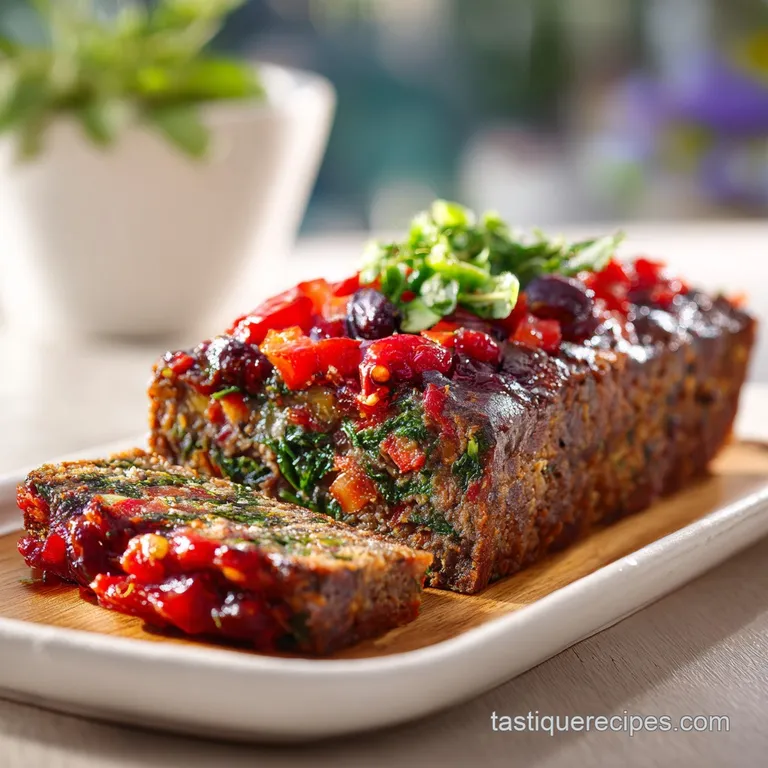
- Prep the oven. Preheat your oven to 350°F (180°C). Note: This moderate temp prevents the outside from burning before the middle is done.
- Hydrate the panade. In a small bowl, combine the 1 cup Panko and 1/2 cup milk. Let it sit for 5 minutes until it forms a thick paste.
- Mix the aromatics. Grate the onion and mince the garlic. Note: Don't drain the onion juice; it's pure flavor.
- Combine the meat. In a large bowl, add the 2 lbs beef, the panko paste, onion, garlic, eggs, onion soup mix, Worcestershire sauce, 1 tsp smoked paprika, and 1/2 tsp black pepper.
- Mix gently. Use your hands to combine until just incorporated. Note: Overworking the meat will result in a tough, rubbery texture.
- Shape the loaf. Place the mixture on a parchment lined baking sheet and shape it into a 9x5 inch (23x13 cm) rectangle.
- Whisk the glaze. In a separate bowl, mix 3/4 cup ketchup, 2 tbsp vinegar, 1 tbsp honey, 1 tsp garlic powder, and 1/2 tsp cayenne.
- First glaze. Brush half of the glaze over the top and sides of the loaf.
- Bake the loaf. Roast for 45 minutes until the surface begins to sizzle and darken.
- Final glaze. Apply the remaining glaze and bake for another 15 minutes until the internal temperature hits 160°F (71°C).
Chef's Tip: If you want an even deeper flavor, grate some frozen butter into the meat mixture right before shaping. It creates tiny pockets of fat that keep the beef incredibly succulent.
Solving Texture and Flavor Mishaps
Why is my meatloaf falling apart?
If your slices are crumbling, it usually means the binder wasn't strong enough or the meat was too lean. This is why we use two eggs and a hydrated panade. Also, never skip the resting period the proteins need time to "set" after coming out of the heat.
Why is there a pool of grease?
A little rendered fat is normal, but a lake of grease means you might have used beef with a very high fat content. Using a baking sheet instead of a loaf pan allows this fat to run away from the meat, keeping the bottom of your loaf from getting soggy.
| Problem | Root Cause | Solution |
|---|---|---|
| Mushy Texture | Too much liquid or over grated veg | Measure milk precisely; don't puree the onions |
| Dry Center | Overcooked or no panade | Use a thermometer; always hydrate breadcrumbs first |
| Burnt Glaze | Sugar content too high | Apply glaze in two stages; move to lower rack |
Common Mistakes Checklist
- ✓ Stop mixing the moment the ingredients are combined (over mixing creates a "rubbery" texture).
- ✓ Let the panade soak for at least 5 minutes before adding it to the meat.
- ✓ Use a rimmed baking sheet rather than a loaf pan for better air circulation.
- ✓ Always let the meat rest for 10-15 minutes before slicing to retain the juices.
- ✓ Check the internal temperature at the thickest part of the loaf.
Adjusting the Recipe Size
If you're cooking for one or two, you can easily halve this recipe. Use a smaller baking dish or shape it into individual "mini loaves" on a tray. For the mini versions, reduce the total baking time to about 25-30 minutes.
If you have an egg left over after halving, beat it in a cup and use exactly half of the liquid.
When doubling the recipe for a big Sunday dinner, don't just double the salt and spices. Aim for about 1.5x the seasoning to avoid an overwhelming flavor. You'll likely need to bake it for an extra 15-20 minutes, but again, let that digital thermometer be your guide. For another great crowd pleaser that scales well, check out this Vegetarian Kolache Recipe.
| Method | Time | Texture | Best For |
|---|---|---|---|
| Standard Bake | 60 mins | Tender & Juicy | Family Sunday Dinner |
| Mini Loaves | 30 mins | Crispy Edges | Quick Weeknight Meal |
| Slow Cooker | 6 hours | Soft & Shreddy | Hands off Prep |
Debunking Common Kitchen Beliefs
Many people think you have to sauté the onions before adding them to the meat. Honestly, don't even bother. Grating the raw onion provides more moisture and the long bake time is more than enough to cook them through and remove the sharp "raw" bite.
Another common myth is that you need to "seal" the meat by searing it in a pan first. While searing adds flavor to a steak, it doesn't actually "seal in juices." For a meatloaf, we rely on the panade for moisture and the oven's dry heat to caramelize that beautiful glaze.
Storing and Reviving Your Leftovers
Leftover meatloaf is arguably better than the fresh stuff, especially in a sandwich. You can keep it in an airtight container in the fridge for up to 4 days. If you want to freeze it, wrap individual slices in plastic wrap and then foil; they'll stay good for about 3 months.
To reheat without drying it out, I recommend using a skillet with a splash of water or beef broth. Cover it with a lid and steam heat it on low. If you're using a microwave, cover the slice with a damp paper towel to keep the moisture in.
For the "Zero Waste" crowd: crumble any leftover ends into a pasta sauce or use them as a filling for stuffed peppers.
Perfect Pairings for a Complete Meal
The Power Pair
Nothing beats a side of buttery mashed potatoes and some garlicky green beans. The potatoes act as a sponge for any extra glaze, and the snap of the beans provides a fresh contrast to the heavy meat.
The Bistro Style
If you want something a bit more modern, serve a thick slice of this meatloaf alongside a crisp arugula salad with a lemon vinaigrette. The peppery greens and the acidity of the dressing work perfectly with the sweet honey glaze. If you're looking for something simpler for lunch, this Chickpea Tuna Melt recipe is another great way to use similar pantry staples.
Meatloaf FAQs
What is the secret to a great meat loaf?
Yes, it is using a panade made of breadcrumbs soaked in milk. This mixture holds moisture and keeps the meat fibers from tightening, resulting in a velvety, tender texture instead of a dry brick.
What not to put in meatloaf?
No, avoid using extremely lean meat like 95/5 ground beef. Fat is crucial for lubrication and moisture retention; opt for 90/10 or 85/15 for the best balance of flavor and texture.
What ingredients are in meatloaf?
The core components are ground meat, a binder (eggs), a hydrating agent (milk/panade), and flavor enhancers (onion soup mix, Worcestershire). You must also include the simple glaze components: ketchup, vinegar, and honey for shine.
How long does it take a 2 lb meatloaf to cook at 350 degrees?
Bake for approximately 60 to 75 minutes total. This includes a mid-bake glazing period; always rely on an internal temperature of 160°F (71°C) measured at the thickest part of the loaf.
Is it true I must use a loaf pan to shape the meat?
No, this is a common misconception. Shaping the loaf free form on a rimmed baking sheet is superior because it allows air circulation around the sides, leading to better crust development and less soggy bottoms.
Why is my meatloaf so tough and rubbery?
This is caused by overmixing the meat mixture during preparation. When you handle the meat excessively, the proteins develop too much structure, so mix only until the ingredients are just combined; this same principle of gentle folding is key when preparing our Vegan Brioche Buns recipe for a light crumb.
How do I make the glaze shiny and sticky?
Apply the glaze in two separate stages during the baking process. The sugar content in the ketchup and honey caramelizes best when introduced mid-cook, ensuring you develop that tacky finish without burning the exterior too early.
Classic Meatloaf Recipe
Ingredients:
Instructions:
Nutrition Facts:
| Calories | 438 kcal |
|---|---|
| Protein | 35.2 g |
| Fat | 14.2 g |
| Carbs | 28.8 g |
| Fiber | 1.2 g |
| Sugar | 14.9 g |
| Sodium | 624 mg |
