Chicken Chow Mein: Silky and Smoky
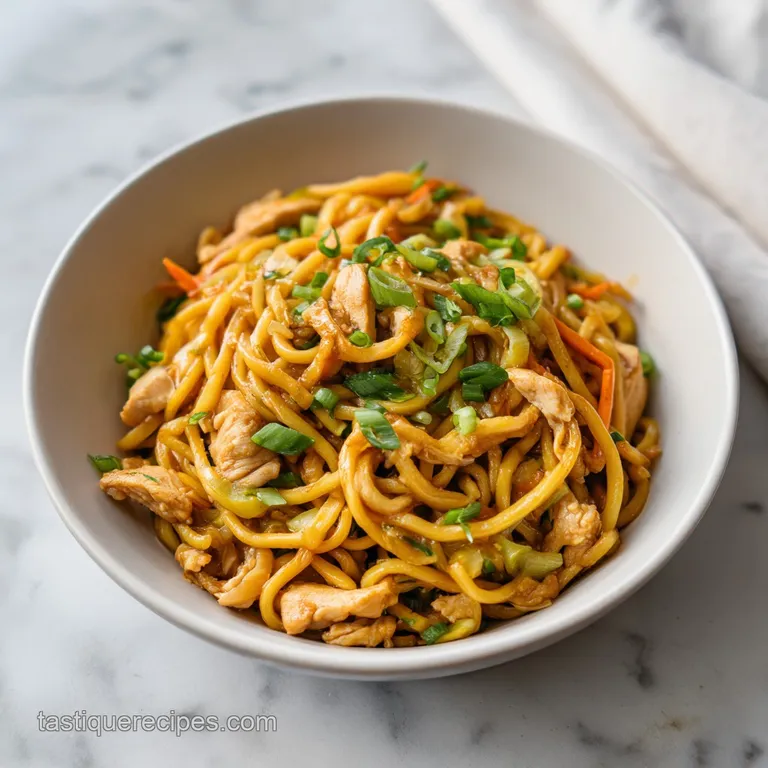
- Time: Active 20 minutes, Passive 10 minutes, Total 30 minutes
- Flavor/Texture Hook: Silky velveted chicken meets smoky, charred noodles
- Perfect for: High speed weeknight dinners or Friday night fakeaways
- Vital Stats for Noodle Success
- The Alchemy of Umami Elements
- Essential Tools for Wok Cooking
- Mastering the Sizzle and Toss
- Solving Common Noodle Mistakes
- Flavor Variations and Smart Substitutes
- Debunking Noodle Myths
- Storing and Using Your Scraps
- Perfect Pairings for Better Meals
- Very High in Sodium
- Recipe FAQs
- 📝 Recipe Card
You know that feeling when you order takeaway and the chicken is impossibly soft, almost like it was never raw? I spent years trying to figure out that texture, thinking I just needed a professional stove or a secret brand of oil.
It turns out the secret wasn't a piece of equipment at all, it was a single tablespoon of cornstarch. This one tiny ingredient is the hero of our Chicken Chow Mein story today. When you toss that thinly sliced chicken breast with cornstarch, it creates a protective barrier that keeps the juices locked inside while the outside gets that signature slippery, tender feel.
I remember my first attempt at this dish without cornstarch. The chicken ended up dry and stringy, like it had been through a desert marathon. I was so disappointed because the sauce smelled right, but the bite was all wrong. Once I learned about "velveting," everything changed.
It's that specific kitchen hack that separates a "home cook stir fry" from something you’d proudly serve to your most food obsessed friends. It's about that first bite where the noodle has a bit of snap, the cabbage still crunches, and the chicken just melts.
Today, we are going to walk through exactly how to get those noodles to sear without turning into a sticky clump. We've all been there, standing over a wok with a wooden spoon, watching our dinner turn into a giant dough ball.
We're going to fix that with a few simple temperature tricks and a very specific noodle preparation method. Trust me, once you hear that first aggressive sizzle of the ginger hitting the oil, you'll know you're on the right track.
Vital Stats for Noodle Success
The secret to a great stir fry isn't just the heat, it's the chemistry happening in the pan. We are working with three different textures simultaneously: the soft protein, the al dente noodles, and the crisp vegetables. To make them coexist, we have to understand how they react to the heat.
- Protein Protection: The cornstarch in the velveting process acts as a physical shield. It prevents the muscle fibers from tightening up too quickly when they hit the hot oil, which is why the chicken stays so supple.
- Starch Retrogradation: By rinsing the boiled noodles in cold water, we stop the cooking process immediately. This removes excess surface starch that would otherwise turn into glue once the sauce hits the pan.
- Aromatic Infusion: Garlic and ginger are fat soluble. By tossing them into the oil first, you are essentially "blooming" them, creating a flavored oil base that coats every single noodle later on.
- Maillard Magic: The sugar and dark soy sauce in our mixture aren't just for taste. They undergo a rapid browning process at high temperatures, giving the dish that dark, rich color and a complex, slightly smoky sweetness.
| Thickness | Internal Temp | Rest Time | Visual Cue |
|---|---|---|---|
| 1/4 inch strips | 165°F | 2 minutes | Opaque and slightly golden edges |
| 1/2 inch cubes | 165°F | 3 minutes | No pink when split with a fork |
| Thin medallions | 165°F | 1 minute | Firm to touch but still bouncy |
Cooking chicken at high heat requires precision because the window between "perfectly juicy" and "shoe leather" is about 45 seconds. By slicing the chicken against the grain, you are shortening the protein fibers, which makes every bite much easier to chew.
If you slice with the grain, the chicken will be tough no matter how well you velvet it.
The Alchemy of Umami Elements
Every ingredient in this dish has a job. We aren't just adding liquid for moisture, we are building a profile that hits every part of the palate. The oyster sauce provides the body and the salt, while the white pepper provides a subtle, earthy heat that lingers at the back of the throat.
| Ingredient | Science Role | Pro Secret |
|---|---|---|
| Light Soy Sauce | Primary Salinity | Use a high-quality fermented brand for depth |
| Dark Soy Sauce | Color and Viscosity | This is thick and syrupy, don't skip it for the color |
| Cornstarch | Moisture Barrier | Ensure the chicken is dry before adding for best adhesion |
| Toasted Sesame Oil | Aromatic Finish | Add at the very end of marinating to preserve the scent |
I always keep two types of soy sauce in my pantry. If you only use light soy, your Chicken Chow Mein will look pale and unappetizing. The dark soy is fermented longer and often has a touch of molasses, which is what gives the noodles that gorgeous mahogany hue we all crave.
It’s less about salt and more about that deep, caramelized appearance.
For the vegetables, bean sprouts are non negotiable for me. They provide a watery, refreshing crunch that cuts through the rich sauce. If you can't find fresh ones, don't use the canned ones they're soggy and will ruin the texture. Just add more cabbage or some thinly sliced celery instead.
Essential Tools for Wok Cooking
You don't need a thousand dollar setup to make this work, but you do need tools that can handle high heat. A carbon steel wok is the gold standard because it responds to temperature changes instantly.
If you're using a heavy cast iron skillet, that's fine too, but you'll need to be more mindful of the heat retention so you don't burn the garlic.
- 1 lb chicken breast: Sliced thinly against the grain. Why this? Breast cooks fast and stays lean for the over high heat stir fry.
- 8 oz dried egg noodles: Look for the "Chow Mein" style noodles. Why this? They have the perfect chew and absorb the sauce without breaking.
- 2 tbsp oyster sauce: The backbone of the sauce flavor. Why this? Adds thickness and a complex savory sweet balance.
- 3 cloves garlic: Minced finely. Why this? Provides the aromatic base that perfumes the entire dish.
- 2 cups fresh bean sprouts: Added at the very end. Why this? Essential for that specific takeaway crunch and freshness.
- 1 inch fresh ginger: Grated. Why this? Adds a bright, peppery zing that cuts through the soy.
- 2 tbsp grapeseed oil: Or any high smoke point oil. Why this? Won't burn or smoke at the high temps required.
- 1 tsp toasted sesame oil: For the marinade. Why this? Adds a nutty depth that stays with the meat.
| Original Ingredient | Substitute | Why It Works |
|---|---|---|
| Grapeseed Oil | Peanut Oil | Both have high smoke points and neutral flavor profiles |
| Oyster Sauce | Vegetarian Stir Fry Sauce | Usually mushroom based, offers similar umami and thickness |
| Dried Egg Noodles | Spaghetti | If in a pinch, boil spaghetti with a pinch of baking soda |
Using spaghetti might sound like a crime to purists, but adding half a teaspoon of baking soda to the boiling water actually changes the pH and gives the pasta a springier, "ramen like" texture. It's a great hack if your local store is out of egg noodles.
However, if you can find the real thing, the flavor of the egg in the noodles is much more authentic.
Mastering the Sizzle and Toss
Before you turn on the stove, make sure every single ingredient is prepped and within arm's reach. This dish cooks in less than ten minutes. Once the heat is on, you won't have time to peel a carrot or mince a garlic clove.
This is what the pros call mise en place, and in stir frying, it's the difference between success and a burnt mess.
- Marinate the chicken. Combine sliced chicken, 1 tbsp light soy, 1 tbsp cornstarch, and 1 tsp sesame oil in a bowl. Note: This is the velveting step.
- Whisk the sauce. Mix oyster sauce, dark soy, remaining light soy, sugar, chicken broth, and white pepper. Note: Dissolving the sugar now prevents graininess later.
- Boil the noodles. Cook for 1-2 minutes less than the box says. until they are flexible but have a firm bite.
- Shock the noodles. Drain and immediately rinse with cold water. Note: This stops the cooking and removes excess starch.
- Sear the protein. Heat 1 tbsp oil in the wok until a drop of water flicked in dances and evaporates. until the chicken is golden and no longer pink.
- Rest the meat. Remove chicken and set aside. Note: This keeps the chicken from overcooking while you do the veggies.
- Bloom the aromatics. Add the rest of the oil, then the garlic and ginger. until you can smell them from across the room.
- Flash cook the veggies. Toss in cabbage and carrots. until the cabbage begins to wilt but stays vibrant.
- The big merge. Return noodles and chicken to the wok, then add bean sprouts and green onions. until everything is well mixed.
- The final glaze. Pour the sauce over everything. Toss on high heat until the noodles are glossy and the sauce clings to every strand.
The high heat is your friend here. We are looking for "wok hei," which literally translates to "breath of the wok." It’s that slight char on the noodles that gives them a smoky flavor. If you crowd the pan too much, the temperature will drop, and your food will steam instead of sear.
If you are doubling the recipe, please work in batches! It might take an extra five minutes, but the result is infinitely better.
Solving Common Noodle Mistakes
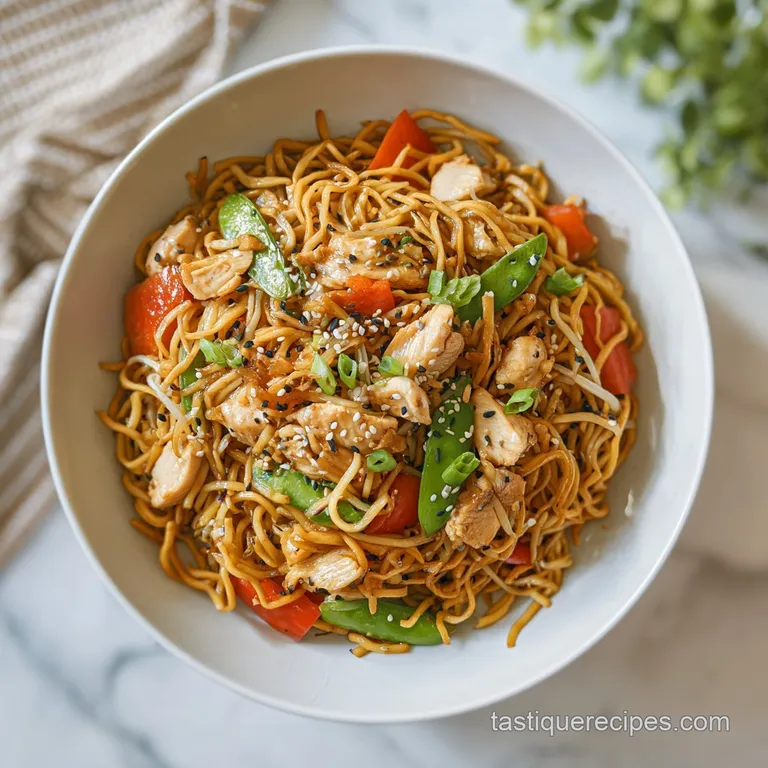
The most common frustration people have with Chicken Chow Mein is the "clump factor." If your noodles are sticking together in a sad, gray ball, it's usually because they were either overcooked in the water or not cooled down fast enough.
The residual heat in a pile of hot noodles is enough to turn them into mush in minutes.
Fixing Soggy Clumped Noodles
If you find your noodles are sticking before they even hit the wok, it’s likely a starch issue. To fix this, always rinse them under cold running water until they are cool to the touch. Then, toss them with a tiny teaspoon of oil. This acts as a lubricant and keeps them separate until they hit the hot pan.
If they are already in the wok and clumping, add a splash of chicken broth to help loosen them up, but be careful not to turn it into a soup.
Saving Rubbery Chicken Texture
Tough chicken usually comes from skipping the velveting or slicing with the grain. If the chicken is already cooked and it's tough, there isn't much you can do for that batch, but you can improve the overall dish by ensuring the sauce is extra glossy and the noodles are perfect.
For the next time, ensure that cornstarch coating is even and the pan is truly hot before the chicken goes in.
| Problem | Root Cause | Solution |
|---|---|---|
| Bland noodles | Sauce didn't reduce | Cook on higher heat for an extra minute to thicken the glaze |
| Burnt garlic | Heat too high/no movement | Add aromatics after the oil is hot and keep them moving constantly |
| Watery sauce | Vegetables released too much liquid | Ensure vegetables are bone dry before adding to the wok |
Checklist for stir fry success:
- ✓ Pat the chicken strips dry with a paper towel before marinating.
- ✓ Use a timer for the noodles seconds matter with egg noodles.
- ✓ Ensure the wok is "smoking hot" before the first drop of oil.
- ✓ Don't move the chicken for the first 60 seconds to get a good sear.
- ✓ Always use fresh ginger; the powdered stuff doesn't work here.
Flavor Variations and Smart Substitutes
While this version is a classic, the beauty of this dish is its flexibility. You can easily swap the protein or the greens based on what's in your fridge. If you're looking for a different vibe, you can even change the spice level or the sweetness of the sauce.
When I’m feeling like I need something heartier, I’ll sometimes add more vegetables. If you want to scale this up for a big meatloaf dinner side dish (just kidding, that’s a weird combo, but hey, you do you!), you have to be careful about the liquid ratios. When doubling the recipe, only increase the liquids by 1.5x instead of 2x. Too much sauce will boil the noodles instead of frying them.
If you are cooking for a crowd, keep the noodles and the stir fried components separate until the last second. You can stir fry the chicken and veggies and keep them in a warm bowl, then quickly sear the noodles and toss everything together right before serving.
This ensures the noodles don't lose their texture while sitting.
| Method | Time | Texture | Best For |
|---|---|---|---|
| Wok (High Heat) | 10 mins | Charred and smoky | Traditional restaurant style |
| Skillet (Medium High) | 15 mins | Evenly browned and soft | Beginners or electric stoves |
| Batch Cooking | 20 mins | Consistent and juicy | Meal prepping or families |
One thing to keep in mind with the skillet method is that you won't get that same "breath of the wok" flavor. To compensate, you can let the noodles sit undisturbed in the skillet for an extra minute to get a bit of a crust on the bottom.
It’s a different kind of delicious, but it works brilliantly for home kitchens without a high powered burner.
Debunking Noodle Myths
There is a huge misconception that you need a specialized burner to make good Chicken Chow Mein. While a 100,000 BTU burner is great, I’ve made this on a standard apartment electric stove and it came out fantastic. The trick is to let your pan preheat for a full three to five minutes.
Most people start cooking way too early. You want that oil to shimmer and just start to show the tiniest wisp of smoke.
Another myth is that you need to use a lot of oil to keep the noodles from sticking. If you use too much oil, the dish becomes greasy and heavy. The "velveting" and the starch rinsing are what actually prevent sticking, not the amount of fat in the pan.
Stick to the 2 tablespoons of grapeseed oil; it’s more than enough if your technique is solid.
People often think that searing meat "seals in the juices," but that’s actually not true. Searing is all about the flavor. The moisture retention comes from the cornstarch barrier and not overcooking the protein. While I love a good crispy baked chicken, the stovetop sear here is vital for that specific stir fry aroma.
Storing and Using Your Scraps
Chicken Chow Mein is one of those rare dishes that almost tastes better the next day because the noodles have more time to soak up the sauce. However, you have to reheat it properly to avoid a mushy mess.
- Fridge: Store in an airtight container for up to 3 days.
- Freezer: I don't recommend freezing this dish. The bean sprouts and cabbage turn into mush when thawed, and the egg noodles lose their springy texture.
- Reheating: The best way to reheat is in a hot skillet with a tiny splash of water or broth. This creates steam that loosens the noodles without making them soggy. Avoid the microwave if possible, as it tends to make the chicken rubbery.
- Zero Waste: Don't throw away your broccoli stalks or the ends of your onions! Slice the stalks thinly and toss them in with the carrots. They have a great crunch and absorb the sauce beautifully. You can also save the ginger peels in a bag in the freezer to flavor your next pot of chicken broth.
Perfect Pairings for Better Meals
To make this a full experience, I like to serve this with a side of smashed cucumber salad or some hot and sour soup. The acidity in a vinegar based side dish helps cut through the richness of the oyster sauce and the fried noodles.
If you want to keep it simple, a cold beer or a crisp sparkling water with lime is the perfect palate cleanser between bites.
When serving, don't just dump it onto a plate. Use tongs to twirl the noodles into a high pile in the center of the dish, ensuring the colorful carrots and green onions are visible on top. Sprinkle a few extra fresh bean sprouts or some sesame seeds on top for that final touch of crunch.
It’s those small details that make a homemade meal feel like a special event.
Remember, the goal is "restaurant quality" at home. You've got the science of the velveting, the precision of the noodle rinse, and the secret of the dark soy sauce. Now, all that's left is to get that wok screaming hot and let the ingredients do their thing. Happy cooking!
Very High in Sodium
845 mg of sodium per serving (37% of daily value)
The American Heart Association recommends limiting sodium intake to no more than 2,300mg per day, with an ideal limit of 1,500mg for most adults.
Tips to Reduce Sodium
-
Swap Soy Sauces-20%
Replace the 2 tbsp light soy sauce and 1 tbsp dark soy sauce with low-sodium soy sauce. This is your biggest sodium saver.
-
Choose Low-Sodium Broth-30%
Ensure the 0.25 cup chicken broth is explicitly labeled low-sodium. Standard broth can be a hidden sodium source.
-
Dilute Oyster Sauce-15%
Reduce the 2 tbsp oyster sauce. You can also try using a lower sodium version if available, or mix it with a little water to dilute its intensity.
-
Boost with Aromatics
Amplify flavor by increasing the garlic, ginger, and green onions. Fresh herbs like cilantro or parsley can also add brightness without sodium.
-
Rinse Bean Sprouts and Cabbage-5%
If using pre-packaged bean sprouts or shredded cabbage, give them a quick rinse under cold water. This can wash away some surface sodium.
Recipe FAQs
What is in a Chinese chicken chow mein?
This dish centers on tender chicken breast and egg noodles. The flavor base includes a savory blend of oyster sauce, light and dark soy sauce, toasted sesame oil, ginger, garlic, and white pepper, while cabbage, carrots, bean sprouts, and green onions provide the necessary crunch.
What is the difference between chicken lo mein and chow mein?
The preparation method defines the difference. Lo mein features boiled noodles tossed with a thinner sauce at the end, whereas chow mein involves stir frying the noodles in a wok until they achieve a slightly seared, crispy texture. If you enjoy experimenting with how different noodle styles interact with sauces, you will appreciate the technique used in our scallion oil noodles.
Can diabetics have chow mein?
Consult your doctor for specific dietary advice. While this recipe uses lean chicken and fresh vegetables, it relies on egg noodles, which are refined carbohydrates that can impact blood glucose levels differently for every individual.
What ingredients are in chow mein?
The essential components include sliced chicken breast, egg noodles, cabbage, carrots, bean sprouts, and green onions. The sauce is a precise mixture of oyster sauce, light and dark soy sauce, sugar, chicken broth, and white pepper, all cooked with garlic, ginger, and grapeseed oil.
How to prevent the noodles from sticking to the wok?
Rinse your boiled noodles under cold water immediately after draining. This stops the cooking process and washes away excess starch, which is the primary cause of clumping and sticking during the final high heat stir fry.
How to achieve the best texture for the chicken?
Velvet the meat by tossing the slices in cornstarch, light soy sauce, and sesame oil before cooking. This coating protects the chicken from the high direct heat, keeping it juicy while allowing the exterior to sear into a golden crust.
How to reheat leftovers without making them mushy?
Reheat the dish in a preheated hot skillet over high heat. Add a tiny splash of water or broth to create steam, which helps loosen the noodles and sauce without overcooking the vegetables.
Authentic Chicken Chow Mein
Ingredients:
Instructions:
Nutrition Facts:
| Calories | 532 kcal |
|---|---|
| Protein | 45 g |
| Fat | 14.5 g |
| Carbs | 52 g |
| Fiber | 4.5 g |
| Sugar | 5.2 g |
| Sodium | 845 mg |
