Authentic Biang Biang Noodles Recipe
- Time: Active 30 mins, Passive 25 mins, Total 55 mins
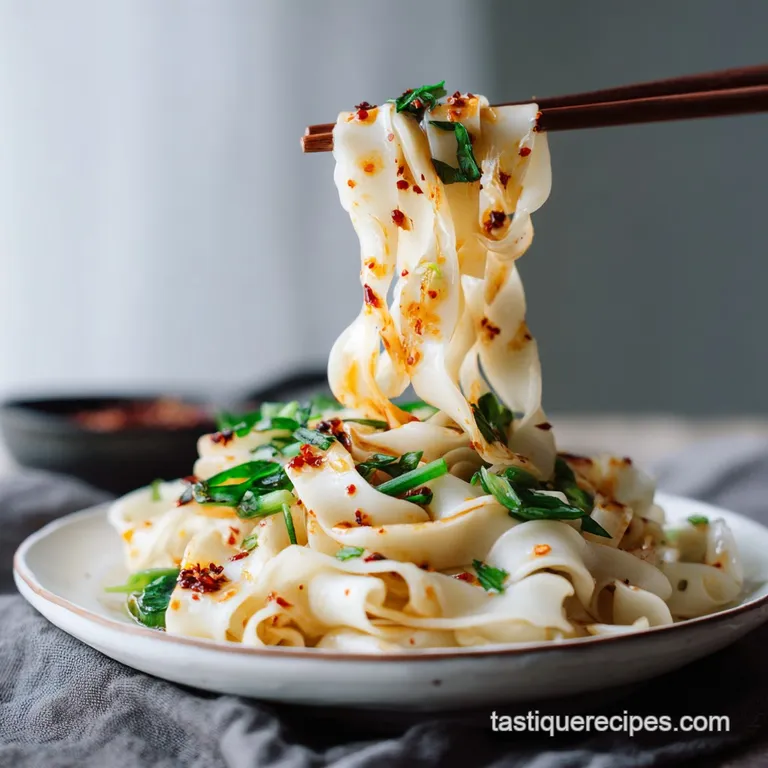
- Flavor/Texture Hook: Silky, springy noodles with a smoky spicy sizzle
- Perfect for: Weekend projects or impressive date night dinners
- Mastering This Signature Biang Biang Noodles Recipe
- The Essential Hand Pulled Dough Science
- Hand Pulled Noodle Success Metrics
- The Core Component Analysis
- Pantry Selection and Replacements
- Essential Tools for Pulling
- Detailed Preparation and Cooking Steps
- Error Prevention and Troubleshooting
- Scaling for Groups or Singles
- Adaptations and Flavor Variations
- Fresh Dough Myths Debunked
- Storage and Freshness Guidelines
- Perfect Sides and Pairings
- HIGH in Sodium
- Recipe FAQs
- 📝 Recipe Card
Mastering This Signature Biang Biang Noodles Recipe
I remember the first time I heard that rhythmic thwack thwack thwack against a stainless steel table in a tiny Xi'an basement. The air was thick with the scent of toasted peppercorns and Chinkiang vinegar, and I knew right then I had to learn how to do it.
It took a dozen "dough mergencies" (yes, I made that up) and a lot of flour on my eyebrows, but I finally cracked the code for this biang biang noodles recipe.
The beauty of this dish isn't just the taste though the way the hot oil makes the garlic and chili flakes dance is incredible it's the feeling of pulling that dough. There's a moment when it goes from a stubborn lump to a silky, elastic ribbon that just keeps going.
If you've ever felt intimidated by hand pulled noodles, trust me, we've all been there. We're going to break down the technique so you can get that perfect "biang" sound on your own counter.
The Essential Hand Pulled Dough Science
Gluten Alignment: Resting the dough allows the long chains of protein to align and relax, which is why the noodles stretch rather than snap.
Starch Gelatinization: Boiling the fresh dough rapidly hydrates the starches, resulting in a velvety surface that grips the sauce effectively.
Lipid Soluble Extraction: Pouring 190°C oil over the aromatics instantly releases capsaicin and essential oils that cold mixing simply can't touch.
| Method | Time | Texture | Best For |
|---|---|---|---|
| Stovetop Boiling | 2 minutes | Chewy and bouncy | Authentic biang biang texture |
| Stovetop Oil Sizzle | 1 minute | Intense and smoky | Releasing garlic/chili aroma |
| Oven Roasting | 15 minutes | Mellow and sweet | Pre prepped garlic toppings |
Using the stovetop method for both the noodles and the oil infusion ensures that "pop" of flavor that defines Shaanxi cuisine. While you could roast your garlic in the oven, you'd lose that immediate sizzle that characterizes this biang noodles recipe.
Hand Pulled Noodle Success Metrics
To get these noodles right every time, you need to hit these three specific checkpoints. First, your dough needs to rest for exactly 15 minutes after the initial mix to prevent it from being too tough.
Second, your oil for the sizzle needs to reach 190°C if it's not smoking slightly, it won't cook the raw garlic. Finally, the noodles only need about 2 minutes in the boiling water; any longer and they lose that signature "toothsome" bite.
Chef's Tip: When you're stretching the dough, keep your movements fluid. If you jerk the dough, it will create thin spots that tear. Think of it like a rhythmic wave, letting the weight of the dough do the work as you slap it against the counter.
The Core Component Analysis
| Ingredient | Science Role | Pro Secret |
|---|---|---|
| All purpose flour | Protein structure | Use a brand with 10-11% protein for the best stretch |
| Chinkiang vinegar | Acid balance | The fermented grains add a malty depth that white vinegar lacks |
| Neutral oil | Heat carrier | Avocado oil has a high smoke point, perfect for the sizzle |
| Sea salt | Gluten tightener | Salt strengthens the dough bonds, preventing it from falling apart |
Selecting the right flour is the most important step in this biang biang noodles recipe. If the protein content is too low, the noodles will be mushy; too high, and they will be impossible to pull by hand.
Pantry Selection and Replacements
For the best results, stick to the 300g of all purpose flour and 150ml of water. This 50% hydration ratio is the sweet spot for hand pulling. If you're out of something, check the table below for how it might shift the final dish.
- 300g All purpose flour: Why this? Provides the perfect balance of strength and extensibility for pulling.
- 150ml Water: Why this? Room temperature water ensures the gluten develops at a manageable pace.
- 2 tbsp Chinkiang black vinegar: Why this? Adds the essential "funky" acidity characteristic of Xi'an street food.
- 2 tbsp Coarse Shaanxi chili flakes: Why this? These are less about heat and more about smoky fragrance and color.
| Original Ingredient | Substitute | Why It Works |
|---|---|---|
| Chinkiang Vinegar | Balsamic + Lime | Mimics the dark, sweet, and acidic profile. Note: Slightly sweeter than original. |
| Shaanxi Chili Flakes | Gochugaru | Similar coarse texture and bright red color with mild heat. |
| Baby Bok Choy | Spinach | Provides the necessary green crunch and freshness. |
If you are looking for a different project after this, you might enjoy the dough techniques in my Chinese Hot Dog recipe. Both require a bit of patience with gluten, but the payoff is just as satisfying.
Essential Tools for Pulling
You don't need a professional kitchen, but a clean, large workspace is non negotiable. You'll need a rolling pin (or even a smooth wine bottle) to flatten the dough logs initially.
A heavy bottomed small saucepan is vital for heating the oil safely you don't want 190°C oil splashing around in a flimsy pot. Finally,, a wide bowl is better than a deep one for serving, as it allows you to toss the noodles thoroughly in the sauce without breaking them.
Detailed Preparation and Cooking Steps
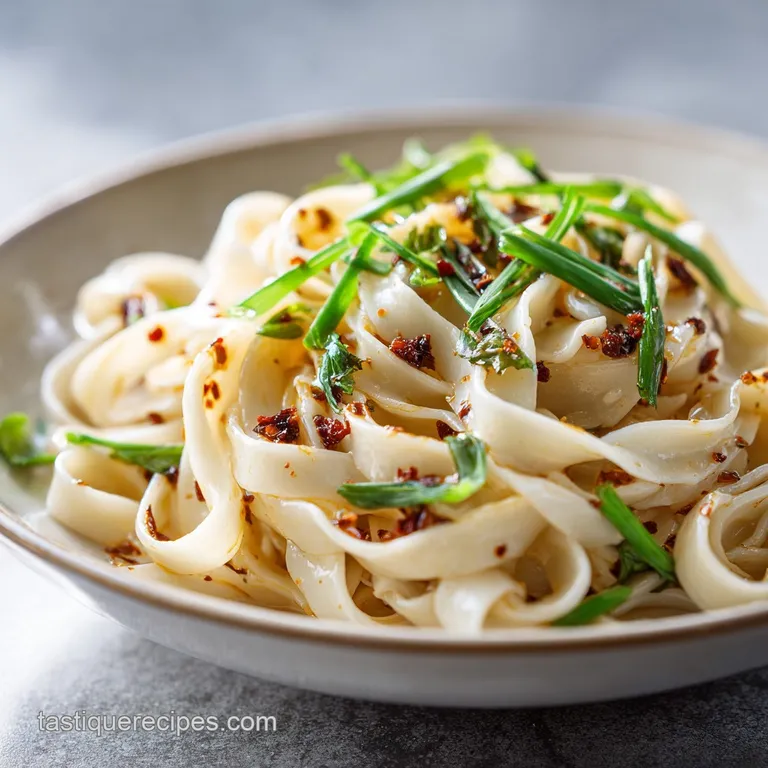
- Mix the dough. Combine 300g flour, 2g salt, and 150ml water until a shaggy mass forms. Note: It will look dry at first, but keep going.
- Knead for elasticity. Work the dough for 10 minutes until the surface is smooth and matte.
- Rest the logs. Divide into 4 portions, roll into cylinders, and coat generously with 2 tbsp neutral oil. Note: The oil prevents a skin from forming and helps with stretching later.
- Prepare the base. In each serving bowl, mix the soy sauce, black vinegar, and peppercorn powder.
- Flatten the dough. Use a rolling pin to press a log into a long rectangle and use a chopstick to press a deep indentation down the center lengthwise.
- The "Biang" pull. Hold the ends, stretch gently, and slap the dough against the counter until you hear a loud thwacking sound.
- Flash boil. Tear the noodle down the center indentation and drop into boiling water with the bok choy and sprouts.
- Cook quickly. Boil for 2 minutes until the noodles float and look translucent at the edges.
- Heat the oil. Bring 2 tbsp avocado oil and the star anise to a shimmer until a tiny wisp of smoke appears.
- The Final Sizzle. Place the garlic, green onions, and chili flakes on top of the drained noodles and pour the hot oil directly over the spices.
Chef's Note: The smell at step 10 is the highlight of this entire recipe. You should hear a vigorous sizzle and smell the garlic turning from sharp to sweet in seconds.
Error Prevention and Troubleshooting
Why Your Noodles Keep Snapping
If your dough breaks while pulling, it's almost always a "rest" issue. Gluten is like a rubber band; if you pull it too soon after working it, it fights back and snaps. Make sure those oil coated logs sit for at least 15 minutes.
If it's still snapping, the environment might be too cold, which makes the fats and proteins stiffer.
Dealing With a Sticky Mess
If the noodles stick together after boiling, you didn't have enough water in the pot or you didn't toss them in the sauce fast enough. Fresh noodles are incredibly starchy. Have your sauce bowls ready before the noodles hit the water.
| Problem | Root Cause | Solution |
|---|---|---|
| Dough is too tough to roll | Under hydrated or over worked | Add 1 tsp water and let rest for 10 more minutes |
| Oil doesn't sizzle | Oil temperature too low | Heat until a wooden spoon handle creates instant bubbles |
| Bland flavor | Not enough vinegar or salt | Adjust the Chinkiang vinegar levels at the very end |
Common Mistakes Checklist
- ✓ Never skip the oil coating on the dough logs; it’s essential for a smooth stretch.
- ✓ Don't use "chili crunch" in place of dry flakes for the sizzle; the texture won't be right.
- ✓ Ensure the water is at a rolling boil before dropping the noodles.
- ✓ Avoid overcrowding the pot; cook in two batches if your pot is small.
- ✓ Use room temperature water, not cold, to help the flour hydrate faster.
Scaling for Groups or Singles
If you want to double this biang biang noodles recipe for a dinner party, do yourself a favor and knead the dough in a stand mixer. While you can double the flour and water easily, keep the salt to about 1.5x (3g) to avoid a tough dough.
For the spices and oil, you can scale those exactly, but heat the oil in batches so it stays hot for every bowl.
When scaling down for one person, use 150g of flour and 75ml of water. Since it's a small amount of dough, it will actually knead much faster by hand. For the egg based variation, you'd beat one egg and use half of it, but since this version is flour and water, it's much simpler to split.
Adaptations and Flavor Variations
If you're craving more depth, you can add a spoonful of fermented bean paste to the bottom of the bowl. For those who like it extra spicy, increase the Sichuan peppercorn powder to 1 tsp. If you've enjoyed the flavor profile here, you'll definitely want to try my Vegan Dan Dan recipe which uses similar numbing and spicy elements.
- For the Protein Lovers: Add 100g of ground lamb or beef sautéed with cumin and ginger on top before the oil sizzle.
- For the Crispy Texture: Add crushed roasted peanuts or toasted sesame seeds at the very end.
- The "Lighter" Version: Use more bean sprouts and bok choy to add volume without more heavy noodles.
Fresh Dough Myths Debunked
"You need high protein bread flour for hand pulled noodles." This is a common misconception. While bread flour makes a very strong noodle, it's often too "bouncy" for beginners to pull. Standard all purpose flour provides plenty of strength while remaining much more forgiving during the stretching phase.
"Adding oil to the boiling water prevents sticking." This actually does very little. The best way to prevent sticking is to use a large volume of water and to toss the noodles in their sauce immediately after draining. The oil in the water just ends up going down the drain!
Storage and Freshness Guidelines
- Fridge
- You can store the oiled dough logs in a sealed container for up to 2 days. In fact, many people find the dough easier to pull after 24 hours in the fridge! Just make sure to bring it back to room temperature for 30 minutes before pulling.
- Freezer
- I don't recommend freezing the raw dough, as the ice crystals damage the gluten structure. However, you can freeze the finished chili oil base (minus the fresh garlic) for up to 3 months.
- Zero Waste
- If you have leftover dough scraps that didn't pull perfectly, boil them anyway! They make great "dough drops" for a simple soup the next day. Any leftover herbs or bok choy ends can be tossed into a quick stir fry.
Perfect Sides and Pairings
These noodles are quite heavy and rich, so I always pair them with something bright and crunchy. A smashed cucumber salad with plenty of garlic and sesame oil is the classic choice. It cuts through the fat of the chili oil and refreshes your palate between bites of the chewy noodles.
If you want a full Asian inspired feast, these noodles go beautifully alongside some Japanese Fruit Sandwich recipe for dessert. The creamy, sweet fruit is the perfect cooling contrast to the numbing heat of the biang biang mian. Trust me, your friends will think you've opened a restaurant in your own kitchen!
HIGH in Sodium
865 mg of sodium per serving (38% of daily value)
American Heart Association recommendation about 2,300mg limit
Tips to Reduce Sodium
-
Reduce Sea Salt-25%
Reduce the fine sea salt from 2g to 1g. This simple change can significantly decrease the sodium content without drastically altering the flavor. Consider using a potassium based salt substitute for added flavor, if appropriate.
-
Lower Sodium Soy Sauce-20%
Replace the light soy sauce with a reduced sodium soy sauce or tamari. This swap can lower the sodium content by approximately 20% without sacrificing the umami flavor.
-
Vinegar Alternative-10%
Experiment with using a different vinegar besides Chinkiang black vinegar. Rice vinegar or white vinegar can be used to taste to reduce sodium and provide some tang.
-
Rinse Bean Sprouts-5%
Thoroughly rinse the fresh bean sprouts before adding them to the dish. This will help remove any residual sodium from processing or storage.
-
Spice It Up!
Enhance the flavor with sodium free spices and herbs like ginger, white pepper, or additional garlic powder. Experiment to find your favorite combination to offset the need for salt.
Recipe FAQs
What is the most crucial resting time for the biang biang dough?
At least 15 minutes after initial mixing. This allows the gluten structure to relax, which is vital so the dough stretches into long ribbons instead of snapping when pulled.
Is it necessary to use an extremely high temperature oil when infusing the spices?
Yes, the oil must reach approximately 190°C (375°F). Pouring smoking hot oil over the chili flakes instantly blooms their flavor compounds, which is the signature smoky depth of this dish.
How to achieve the signature chewy, bouncy noodle texture?
Boil the noodles rapidly for only 2 minutes. Overcooking removes the toothsome quality that defines hand pulled noodles; you want them cooked through but still firm to the bite.
Can I substitute Chinkiang black vinegar with regular white vinegar?
No, this substitution significantly alters the flavor profile. Chinkiang vinegar provides necessary aged, malty notes; try a blend of balsamic and lime if you are completely out, but the depth will change.
How to prevent the freshly boiled noodles from sticking together immediately after draining?
Toss the drained noodles immediately into the prepared sauce base. Having your sauce mixed and waiting prevents the starches from setting up before they are coated in fat and acid.
Can I make the dough ahead of time and use it the next day?
Yes, storing oiled dough logs in the fridge for up to 2 days improves the texture. Letting the dough rest longer allows for even better gluten alignment; just remember to let it warm up for 30 minutes before stretching.
If my dough is too tough to stretch even after resting, what should I do?
Add a teaspoon of room temperature water to the dough and knead lightly. Dough that is too stiff needs a tiny hydration boost; if you enjoyed mastering dough hydration here, see how the same principle applies to texture control in our Castella Cake Recipe.
Authentic Biang Biang Noodles
Ingredients:
Instructions:
Nutrition Facts:
| Calories | 848 kcal |
|---|---|
| Protein | 18.3 g |
| Fat | 29.2 g |
| Carbs | 122.5 g |
| Fiber | 6.4 g |
| Sugar | 2.1 g |
| Sodium | 865 mg |
