Tofu Katsu Curry: Shattering Panko Crunch
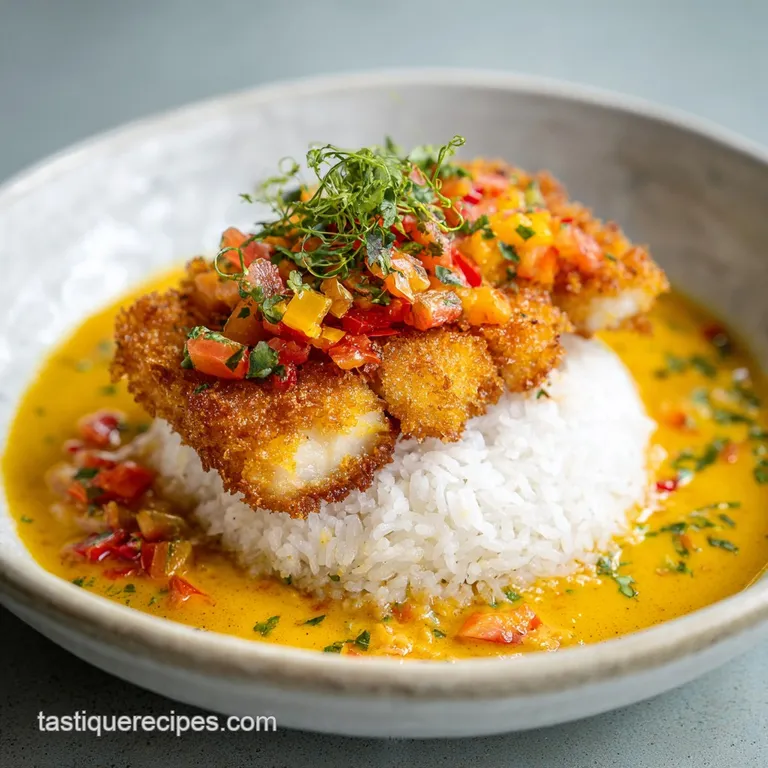
- Time: Active 20 mins, Passive 25 mins, Total 45 mins
- Flavor/Texture Hook: Shattering panko crust and velvety sauce
- Perfect for: Cozy weeknight dinners or impressive weekend hosting
- Making the Ultimate Tofu Katsu Curry
- Why This Dish Hits Right
- The Science of the Crunch
- The Core Umami Components
- Tools for Kitchen Success
- Your Step-by-Step Cooking Guide
- Solving Common Cooking Hurdles
- Tasty Ways to Pivot
- Scaling for Different Crowds
- Storing and Using Every Scraps
- Sticking to the Facts
- Best Side Dish Pairings
- Recipe FAQs
- 📝 Recipe Card
Making the Ultimate Tofu Katsu Curry
The sizzle of cold tofu hitting a shimmering pool of oil is a sound that honestly never gets old. I remember the first time I tried to recreate this in my cramped apartment kitchen, I ended up with a soggy, bland mess that slid right off the tofu.
I had used too much oil and didn't press the water out, so the steam just pushed the breading away. It was a disaster, but it taught me that the secret isn't just in the frying, it is in the preparation of the layers.
When you get it right, that first bite is a revelation. You get the crunch of the panko, followed by the soft, meaty center of the tofu, all swept up in a thick, sweet, and savory sauce that smells like ginger and toasted spices. We're moving beyond basic stir fries here.
This is about building a mahogany colored sauce that has enough depth to rival any traditional restaurant version, using a few clever tricks like grated apple and a toasted flour roux to get that signature gloss.
You don't need a deep fryer or a massive list of hard to find items to make a world class Tofu Katsu Curry. It's about respecting the process of the roux and making sure your tofu is as dry as possible before it touches the cornstarch. Let's get into the details of how to make this happen without the stress.
Why This Dish Hits Right
Building a great curry is about managing moisture and heat to create distinct textures.
- The Starch Lock Mechanism: Cornstarch absorbs the tiny amounts of surface moisture left on the tofu, creating a dry "glue" that prevents the breading from sliding off during the fry.
- Enzymatic Thickening: The grated apple provides natural pectin and sugars that help thicken the sauce while adding a subtle fruitiness that balances the heavy spices.
- Maillard Roux: Toasting the flour with the curry powder before adding liquid creates complex flavor compounds that raw flour simply cannot provide.
- Panko Architecture: Unlike standard breadcrumbs, these large, airy flakes have more surface area, which allows them to crisp up without soaking up excessive amounts of oil.
| Slice Thickness | Fry Time per Side | Heat Level | Visual Cue |
|---|---|---|---|
| 1/2 inch | 3 mins | Medium High | Deep golden brown edges |
| 3/4 inch | 4 mins | Medium | Bubbles slow significantly |
| 1 inch | 5 mins | Medium Low | Uniform mahogany color |
A thicker slice requires a lower temperature to ensure the heat penetrates the center of the tofu without burning the delicate panko on the outside. Most home cooks find the 1/2 inch slice provides the best ratio of crunch to soft interior.
The Science of the Crunch
The "Starch Lock" method works because cornstarch has a high amylose content, which forms a rigid, waterproof gel when it hits the hot oil. This keeps the internal moisture of the tofu trapped inside, preventing it from steaming the breading from the inside out.
| Ingredient | Science Role | Pro Secret |
|---|---|---|
| Extra firm Tofu | Protein Matrix | Press for 20 mins to expel water or the steam will blow the breading off. |
| Panko | Surface Area | These flakes don't absorb oil like fine crumbs, staying much crispier. |
| Tomato Paste | Glutamate Source | Deepens the mahogany color and adds a concentrated hit of savory umami. |
| Japanese Curry Powder | Spice Profile | Contains more turmeric and fenugreek than standard blends for that classic yellow hue. |
Every component in this list serves a structural purpose. The tomato paste, for instance, isn't just for flavor; the acidity helps break down the pectin in the carrots, making the sauce smoother over a shorter simmering time.
The Core Umami Components
Gathering the right elements is the first step toward a successful Tofu Katsu Curry. You want high-quality aromatics and the right type of breadcrumbs to ensure the texture is spot on.
- 1 tbsp Neutral oil: Use canola or grapeseed. Why this? High smoke point prevents burning. (Substitute: Avocado oil)
- 1 Large yellow onion: Finely minced for the base. Why this? Provides the foundational sweetness. (Substitute: Shallots)
- 2 medium Carrots: Sliced into half moons. Why this? Adds texture and natural sugar. (Substitute: Sweet potato)
- 2 cloves Garlic: Minced fresh. Why this? Essential aromatic pungency. (Substitute: 1 tsp garlic powder)
- 1 inch Fresh ginger: Grated finely. Why this? Cuts through the richness. (Substitute: 1/2 tsp ground ginger)
- 1 tbsp Tomato paste: Concentrated flavor. Why this? Color and umami depth. (Substitute: Ketchup)
- 2 tbsp All purpose flour: For the roux. Why this? Thickens the sauce effectively. (Substitute: Rice flour)
- 1.5 tbsp Japanese curry powder: S&B brand is classic. Why this? Authentic flavor profile. (Substitute: Mild madras powder)
- 600ml Vegetable stock: Low sodium is best. Why this? Controls the final saltiness. (Substitute: Water + bouillon)
- 1 tbsp Soy sauce: For seasoning. Why this? Salty, savory liquid gold. (Substitute: Tamari)
- 1 tbsp Maple syrup: To balance heat. Why this? Subtle, earthy sweetness. (Substitute: Brown sugar)
- 1/2 Small apple: Grated into the pot. Why this? The secret to Japanese curry. (Substitute: Pear)
- 800g Extra firm tofu: Pressed for 20 minutes. Why this? Best texture for frying. (Substitute: Firm tofu)
- 50g Cornstarch: For the first dredge. Why this? Creates a moisture barrier. (Substitute: Arrowroot powder)
- 80ml Unsweetened soy milk: The binder. Why this? Neutral flavor and high protein. (Substitute: Almond milk)
- 100g Panko breadcrumbs: The ultimate coating. Why this? Maximum crunch factor. (Substitute: Crushed crackers)
- 1 tsp Garlic powder: Mix with panko. Why this? Seasons the crust directly. (Substitute: Onion powder)
- 0.5 cup Oil: For shallow frying. Why this? Just enough to crisp the edges. (Substitute: Light olive oil)
- 300g Short grain rice: Cooked and fluffy. Why this? Starchy grains hold the sauce. (Substitute: Jasmine rice)
Using the right technique is just as vital as the ingredients themselves. For example, if you're out of the traditional Japanese curry powder, you can experiment with a Vegan Mapo Tofu recipe later to see how different spice profiles change the tofu experience.
Tools for Kitchen Success
You don't need a professional kitchen, but a few specific items make the process much smoother. I personally love using a heavy cast iron skillet for the frying because it holds the temperature steady, which is the key to a non greasy crust.
- Tofu Press or Heavy Skillet: To expel the excess liquid from the tofu.
- Box Grater: For the apple and ginger.
- Heavy bottomed Saucepan: For simmering the curry sauce without scorching.
- Large Non stick or Cast iron Skillet: For shallow frying the katsu.
- Wire Cooling Rack: Crucial for letting the katsu rest without getting soggy.
Chef's Tip: If you don't have a tofu press, wrap the block in a clean kitchen towel and place a heavy Dutch oven on top for 20 minutes. It works exactly the same way.
Your step-by-step Cooking Guide
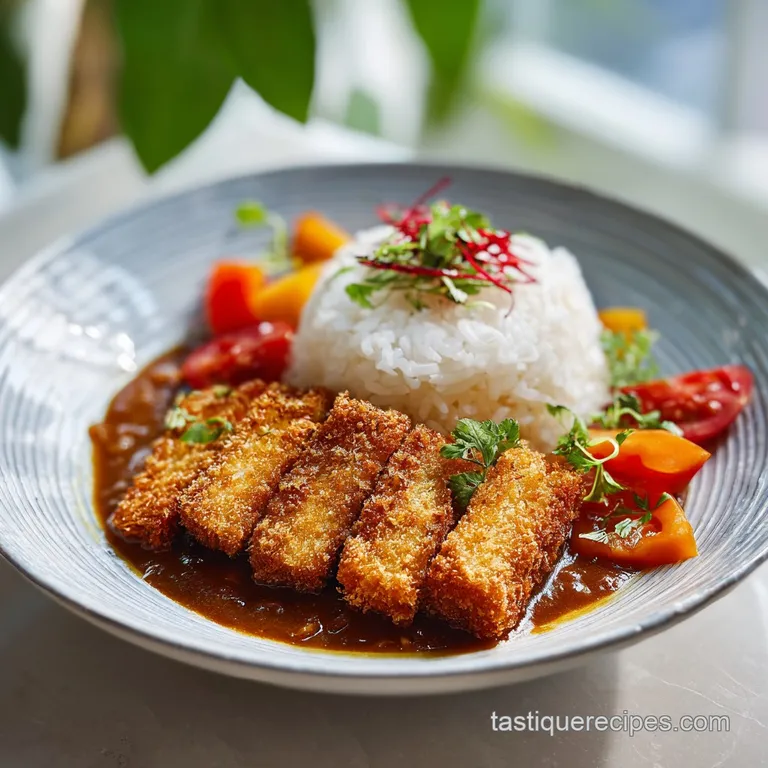
Let's break this down into manageable phases. The sauce takes the longest to develop flavor, so we start there while the tofu is pressing.
Phase 1: The Aromatic Base
- Sauté the aromatics. Heat 1 tbsp oil in a saucepan and add the minced onion and carrots. Cook for about 8 minutes until the onions are translucent and slightly golden.
- Add the flavor boosters. Stir in the garlic, ginger, and tomato paste. Cook for 2 minutes until the paste turns a deep brick red. Note: This removes the raw metallic taste of the tomato.
Phase 2: Creating the Sauce
- Build the roux. Sprinkle the flour and Japanese curry powder over the vegetables. Stir constantly for 2 minutes until it smells toasted and nutty.
- Simmer the velvet. Gradually whisk in the 600ml vegetable stock. Add the soy sauce, maple syrup, and grated apple. Simmer on low for 15 minutes until the sauce coats the back of a spoon.
Phase 3: Prepping the Katsu
- Slice the tofu. Cut the pressed 800g tofu into 1/2 inch thick slabs. Season lightly with salt and pepper.
- Set up the stations. Place cornstarch in one bowl, soy milk in a second, and the panko mixed with garlic powder in a third.
- Dredge the slabs. Coat each piece of tofu in cornstarch, dip in soy milk, and then press firmly into the panko until completely covered and shaggy.
Phase 4: The Sizzle
- Fry the katsu. Heat 0.5 cup oil in a large skillet over medium high heat. Fry the tofu for 3-4 minutes per side until the crust is a deep golden brown and shatters when tapped.
- Rest the protein. Transfer the fried tofu to a wire rack immediately. Note: Using a rack allows air to circulate, preventing steam from softening the bottom crust.
Phase 5: Assembly
- Plate and serve. Place a portion of 300g cooked rice on a plate, pour a generous amount of sauce over half the rice, and top with the sliced katsu. Garnish with beni shoga and sliced scallions.
The key to a Crispy Tofu Katsu recipe is ensuring that the oil is hot enough. If you see the panko absorbing the oil rather than sizzle immediately, it's not hot enough yet.
Solving Common Cooking Hurdles
Even the best of us have bad kitchen days. If your sauce or your crust isn't behaving, it's usually a small fixable error in temperature or timing.
Why is the breading falling off?
This is almost always due to moisture. If the tofu isn't pressed well, the water turns to steam during frying and physically pushes the breading away from the surface. Also, make sure you don't crowd the pan, as this lowers the oil temperature and encourages the breading to soak and slide.
| Problem | Root Cause | Solution |
|---|---|---|
| Soggy Breading | Oil too cold | Ensure oil hits 350°F before adding tofu. |
| Floury Sauce | Raw starch | Cook the flour and curry powder for 2 mins until nutty. |
| Breading Slides Off | Tofu too wet | Use a heavy skillet to press tofu thoroughly before dredging. |
If you run into issues with the texture of the tofu itself, remember that freezing and thawing the tofu before pressing can create a much more fibrous, meat like texture. It's a game changer for those who find tofu too "soft."
- ✓ Press tofu for exactly 20 minutes to ensure a dry surface.
- ✓ Whisk the soy milk and cornstarch until no clumps remain.
- ✓ Place fried tofu on a wire rack, not paper towels, to prevent steaming.
- ✓ Simmer the sauce low and slow to let the carrot sugars develop.
- ✓ Don't skip the grated apple; it's the bridge between savory and sweet.
Tasty Ways to Pivot
Once you've mastered the classic, you can start playing with the heat and the ingredients. I sometimes add a splash of coconut milk at the end for a creamier, more tropical feel, though it's less traditional.
The Air Fryer Method
If you want to save on oil, you can make a tofu katsu curry air fryer version. Spray the breaded tofu generously with oil on both sides and air fry at 400°F (200°C) for 15 minutes, flipping halfway through.
It's about 80% as crispy as the fried version but much lighter.
Extra Spicy Variations
For those who like a kick, stir in 1 tsp of chili oil or a pinch of cayenne pepper into the roux phase. You can also add some diced fresh chilies along with the garlic and ginger. If you find the heat too much, a dollop of plain yogurt on top can help cool things down.
Scaling for Different Crowds
Adjusting this recipe is fairly straightforward, but pay attention to the liquid ratios.
- Down (1/2 size): Use a smaller saucepan for the sauce to prevent too much evaporation. Reduce the simmering time by 5 minutes.
- Up (2x size): Double the solids but only increase the vegetable stock to 1.1 liters. If you use the full 1.2 liters, the sauce may end up too thin. Fry the tofu in batches to avoid overcrowding the skillet.
| Servings | Tofu Amount | Stock Volume | Rice Needed |
|---|---|---|---|
| 2 People | 400g | 300ml | 150g |
| 4 People | 800g | 600ml | 300g |
| 8 People | 1.6kg | 1.1L | 600g |
For larger gatherings, you can keep the fried katsu warm in a 200°F (95°C) oven on a wire rack for up to 30 minutes while you finish the rest of the batches.
Storing and Using Every Scraps
Leftovers are actually a blessing with this dish because the sauce only gets better after a night in the fridge.
- Storage: Keep the sauce and the tofu in separate airtight containers. The sauce lasts 4 days in the fridge. The tofu will lose its crunch, so it's best eaten within 2 days.
- Freezing: The sauce freezes beautifully for up to 3 months. I don't recommend freezing the breaded and fried tofu as the texture becomes spongy and the panko turns mushy.
- Reheating: Reheat the sauce in a pan with a splash of water. For the tofu, use a toaster oven or air fryer at 350°F (180°C) for 5 minutes to bring back the crunch. Never microwave the katsu!
- Zero Waste: Don't toss those onion and carrot peels! Toss them into a bag in the freezer to make your own vegetable stock later. If you have leftover panko, toast it in a pan with some garlic and use it as a crunchy topper for pasta.
Sticking to the Facts
There are a few myths about Japanese curry that often confuse home cooks. First, "curry is always spicy." In reality, Japanese curry is known for being quite mild and sweet compared to Thai or Indian varieties. The heat is optional.
Another common myth is that "you need a box of curry roux blocks to make it authentic." While those blocks are very popular in Japan, making it from scratch with curry powder and a homemade roux gives you much more control over the salt and sugar levels. It's just as authentic and significantly more fresh.
Best Side Dish Pairings
To round out the meal, serve this with something bright and acidic to cut through the rich, savory sauce.
- Sunomono (Cucumber Salad): Thinly sliced cucumbers in rice vinegar and sugar.
- Miso Soup: A light, salty broth to start the meal.
- Cabbage Slaw: Finely shredded raw cabbage is the traditional accompaniment to katsu in Japan.
- Edamame: Steamed and salted for a bit of extra protein.
For a sweet finish, you could even try making a Chocolate Tofu Mousse recipe for dessert. It's a fun way to use any leftover tofu you might have from a larger block!
This dish is a labor of love that rewards you with every crunchy bite. Don't rush the onions, and don't skimp on the pressing your patience will be rewarded with the best Tofu Katsu Curry you've ever had.
Recipe FAQs
What is tofu katsu curry?
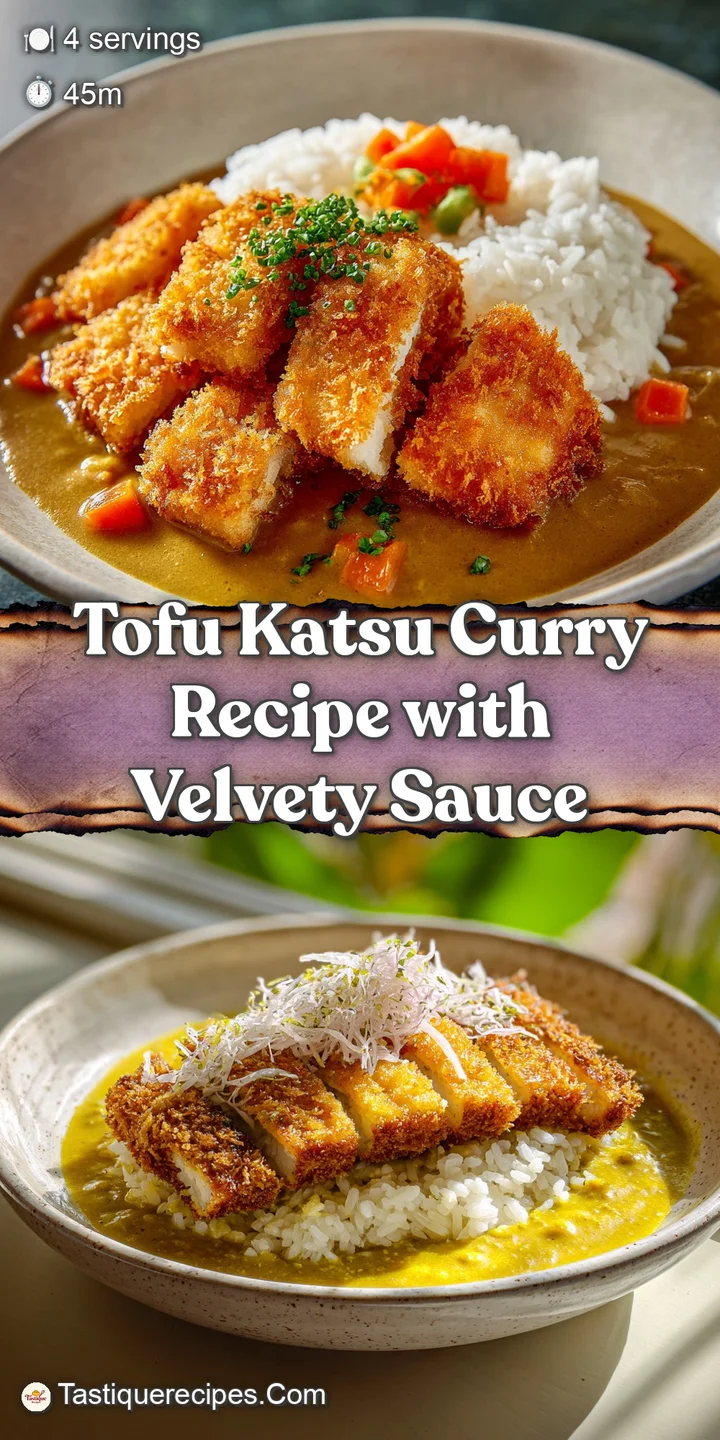
It is a Japanese comfort dish featuring crispy, panko breaded tofu served alongside a rich, savory brown curry sauce. The "katsu" refers to the cutlet preparation, which provides a necessary textural contrast to the velvety curry and rice base.
Can you make Japanese curry with tofu?
Yes, tofu is an excellent substitute for traditional meat protein in Japanese curry. Ensure you use extra firm tofu and press out as much water as possible to maintain structural integrity during frying.
How to marinate tofu for katsu curry?
Skip the traditional marinade and focus on a three part dry dredge for maximum crispness. Press the tofu, coat it in cornstarch first, then dip it in a binder like soy milk, and finally press it firmly into the panko breadcrumbs.
Do you cook tofu before putting it in curry?
Yes, you must cook the tofu separately by shallow frying it into a katsu cutlet. The tofu should only be added to the plate after the curry sauce has been simmered, as submerging the fried cutlet will ruin the crunch.
Is it true that pressing tofu for 20 minutes makes it spongy?
No, this is a common misconception. Pressing the tofu for 20 minutes is vital because it expels internal water, creating a dense, firm matrix that resists crumbling during the fry and absorbs the curry sauce better later.
How to ensure the panko breading doesn't fall off during frying?
First, make sure the oil temperature is high enough (around 350°F or 175°C) to immediately set the starch layer. If you enjoyed mastering the moisture management in this dish, see how the same principle of external setting works when battering items for our Vietnamese Pizza Rice recipe.
How to build a deep, complex flavor in the curry sauce without meat stock?
Sauté your aromatics (onions, garlic, ginger) until deeply caramelized and toast your flour and curry powder before adding liquid. Grating half an apple into the sauce also adds natural sweetness and pectin to aid thickening.
Tofu Katsu Curry Recipe
Ingredients:
Instructions:
Nutrition Facts:
| Calories | 632 kcal |
|---|---|
| Protein | 26.8 g |
| Fat | 24.6 g |
| Carbs | 71.2 g |
| Fiber | 5.4 g |
| Sugar | 9.2 g |
| Sodium | 645 mg |
