Spicy Potato Stuffed Flatbread Recipe
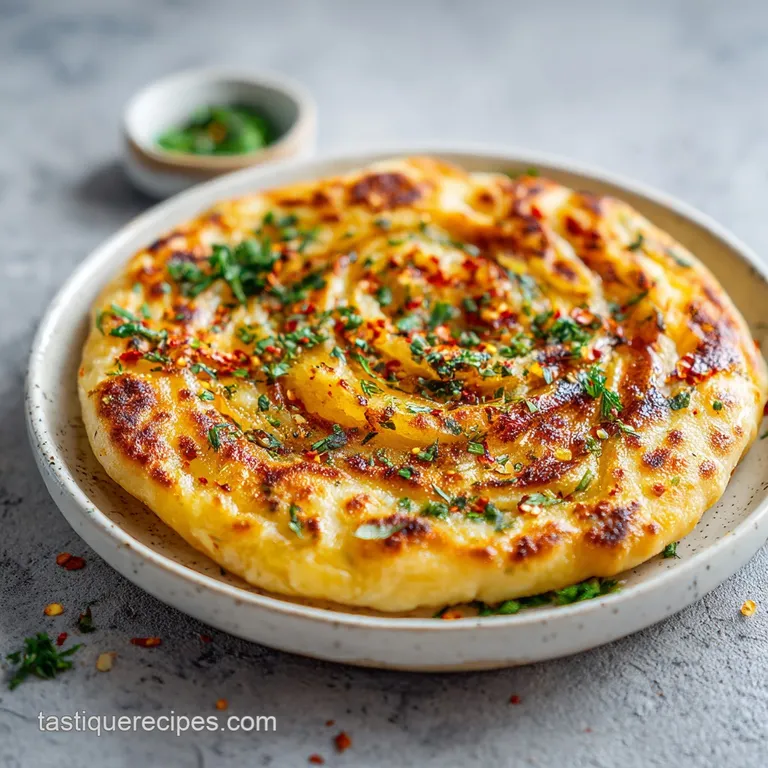
- Time: Active 20 mins, Passive 15 mins, Total 35 mins
- Flavor/Texture Hook: Shattering crispy crust with a zesty, buttery potato center
- Perfect for: Weekend brunch, satisfying weeknight dinners, or impressive appetizers
- The Ultimate Spicy Potato Stuffed Flatbread Guide
- Mastering Golden Dough Science
- Ingredient Selection Deep Dive
- Essential Kitchen Gear
- The Complete Preparation Method
- Fixing Common Folding Mistakes
- Flexible Scaling Guidelines
- Debunking Stuffed Flatbread Tales
- Safe Storage and Freezing
- Ideal Side Dish Pairings
- Recipe FAQs
- 📝 Recipe Card
The Ultimate Spicy Potato Stuffed Flatbread Guide
I'll never forget the first time I tried making a spicy potato stuffed flatbread in my own tiny kitchen. I was impatient, rushing the process, and I tried to mash steaming hot potatoes directly into the dough. It was a disaster.
The heat from the potatoes turned the dough into a sticky, gummy mess that refused to hold its shape, and I ended up with something that looked more like a sad potato pancake than a proud, puffed flatbread.
It was a humbling moment, but it taught me the single most important rule of this dish: patience is the secret ingredient.
When you get it right, though, the kitchen fills with the most intoxicating aroma. It’s the smell of toasted cumin seeds hitting a hot cast iron surface and the sharp, bright scent of fresh ginger and green chilies.
There is a specific sound, a rhythmic sizzle, when the dough hits the pan and begins to blister and char in all the right places. That first bite provides a shattering crunch before giving way to the soft, warmly spiced potato hidden inside.
It is pure comfort, and honestly, it’s one of the most rewarding things you can master at home.
This recipe bridges the gap between those restaurant quality results and your home stove. We aren't just making food; we're engineering a specific set of textures. By the time we’re finished, you’ll know exactly how to handle the dough so it’s supple enough to stretch but strong enough to hold that spicy potato stuffed flatbread recipe filling without a single leak.
Trust me, once you hear that first crackle of the crust, you’ll be hooked.
Mastering Golden Dough Science
- The Autolyse Effect: Letting the whole wheat flour rest with the water and yogurt allows the proteins to hydrate fully, creating a stretchy gluten network that resists tearing during the stuffing process.
- Starch Retrogradation: Using cooled potatoes is vital because the starches have time to reorganize and firm up, which prevents the filling from releasing excess moisture into the dough and causing sogginess.
- Acidic Tenderization: The Greek yogurt introduces lactic acid, which slightly weakens the gluten bonds just enough to ensure the final flatbread is tender rather than chewy or tough.
| Cooking Method | Time | Texture Result | Best For |
|---|---|---|---|
| Cast Iron Stovetop | 3 mins per side | Charred, crispy spots, very flaky | Authentic restaurant finish |
| Non Stick Pan | 4 mins per side | Even golden brown, softer crust | Lower fat cooking |
| Oven Bake (425°F) | 12-15 mins | Consistent crunch, less charred | Large batches/meal prep |
Choosing the right method depends on your gear. While the oven is great for making ten of these at once, nothing beats the stovetop for that traditional charred flavor. If you're looking for a sweet treat to balance the spice later, you might want to prep my Matcha Almond Muffins recipe while the dough rests. It’s all about managing your kitchen time effectively!
Ingredient Selection Deep Dive
| Component | Science Role | Pro Secret |
|---|---|---|
| Whole Wheat Flour | Provides structural integrity and a nutty flavor profile | Sift it twice for a much lighter, less "heavy" dough feel |
| Greek Yogurt | Acts as a fat source and tenderizer for the crumb | Ensure it's room temperature so it incorporates without lumps |
| Russet Potatoes | High starch content ensures a fluffy, non waxy filling | Always boil them whole in their skins to prevent water logging |
| Amchur (Mango Powder) | Provides acidity without adding liquid moisture | If you lack amchur, use extra fine lemon zest instead of juice |
For the High Fiber Dough
- 2 cups (250g) whole wheat flour: This is the backbone. Why this? Provides the "bite" and strength needed to hold heavy potato fillings.
- Substitute: All purpose flour (note: will be softer and less nutty).
- 0.5 tsp sea salt: Essential for flavor.
- 1 tsp olive oil: Adds a touch of richness. Why this? Inhibits long gluten strands for a more tender bite.
- Substitute: Ghee or melted butter.
- 0.75 cup warm water: Use filtered water if possible.
- 1 tbsp Greek yogurt: My secret for a soft dough. Why this? The fat and acid keep the flatbread pliable for hours.
- Substitute: Sour cream or a splash of whole milk.
For the Spicy Potato Filling
- 2 large Russet potatoes: Boiled, cooled, and peeled.
- 1 tsp cumin seeds: Toasted until fragrant. Why this? Toasting releases essential oils that raw cumin lacks.
- Substitute: Ground cumin (use half the amount).
- 0.5 tsp turmeric powder: For that iconic golden glow.
- 1 tbsp ginger green chili paste: The primary heat source.
- 1 tsp amchur: For a sour, tangy kick. Why this? It provides brightness without making the potatoes soggy.
- Substitute: Citric acid pinch or sumac.
- 0.5 cup fresh cilantro: Finely chopped.
- 0.5 tsp red chili flakes: For lingering heat.
Essential Kitchen Gear
You don't need a high tech kitchen for a homemade spicy potato stuffed flatbread, but a few specific tools make the job significantly easier. First, a heavy bottomed skillet is non negotiable.
I highly recommend a cast iron skillet (like a Lodge) because it retains heat beautifully and creates those coveted charred "leopard spots" on the dough. If you use a thin pan, the bread will likely burn before the filling is heated through.
Second, a fine grater or a potato ricer is your best friend here. While you can mash the potatoes with a fork, a ricer ensures there are absolutely no lumps. Lumps are the enemy of the flatbread; they are the number one cause of the dough tearing when you try to roll it out.
A small rolling pin, or even a smooth wine bottle in a pinch, will help you get that even thickness.
The Complete Preparation Method
Phase 1: Prepping the Foundation
In a large mixing bowl, combine 2 cups whole wheat flour and 0.5 tsp sea salt. Make a well in the center and add 1 tsp olive oil and 1 tbsp Greek yogurt. Slowly pour in 0.75 cup warm water while mixing with your hand or a wooden spoon.
Knead for about 5 minutes until the dough is smooth and elastic. Note: If it's too sticky, add flour one tablespoon at a time. Cover with a damp cloth and let it rest for 20 minutes.
Phase 2: Engineering the Filling
While the dough rests, take your 2 large boiled and cooled potatoes and grate them into a bowl. Add the 1 tsp toasted cumin seeds, 0.5 tsp turmeric, 1 tbsp ginger green chili paste, 1 tsp amchur, 0.5 cup chopped cilantro, and 0.5 tsp chili flakes.
Mix gently with a fork until the spices are evenly distributed. Avoid over mixing, or the potatoes will become gummy.
Phase 3: The Pouch Assembly
Divide the rested dough into 4 equal portions and roll them into smooth balls. Roll one ball into a 4 inch circle. Place a generous scoop of the potato mixture (about 1/4 of the total filling) in the center. Pleat the edges of the dough over the filling, gathering them at the top like a little pouch.
Pinch the top to seal it tightly.
Phase 4: Searing to Perfection
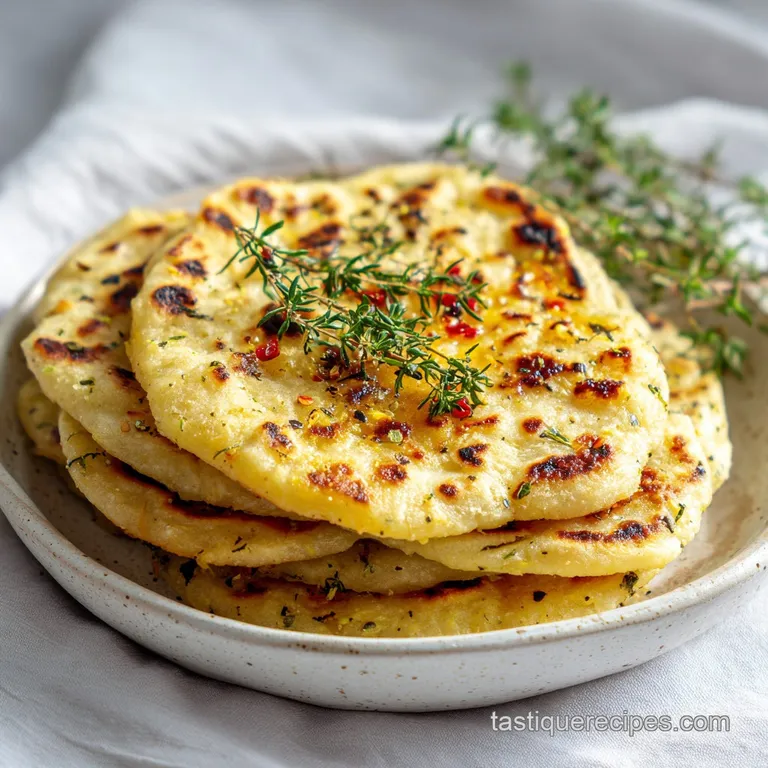
Flatten the stuffed ball gently with your palm. Use a rolling pin to roll it out into a 7 or 8 inch circle, applying very light, even pressure. Preheat your skillet over medium high heat. Place the flatbread on the dry pan and cook for 1 minute.
Flip it over, brush with a tiny bit of oil, and cook for 2 minutes until golden brown and blistered. Flip again, apply oil to the other side, and press down with a spatula until it puffs up.
Serving the Final Dish
Once the flatbread is crackling and hot, remove it from the pan. I like to stack them under a clean kitchen towel to keep them soft while I finish the rest. This easy spicy potato stuffed flatbread is best served immediately while the crust is at its peak crispness. For a hearty lunch, I often serve this alongside my Purple Black Bean recipe for a protein packed meal that feels truly complete.
Fixing Common Folding Mistakes
The Dreaded Dough Tear
The most common issue is the dough splitting while rolling. This usually happens because the filling is too wet or the dough wasn't rested long enough. When the dough isn't relaxed, it fights back against the rolling pin, causing it to snap rather than stretch.
Uneven Filling Distribution
If you find all the potato is on one side and the other side is just thick dough, it's likely a sealing issue. Ensure your "pouch" is centered and that you flatten it with your hand before using the rolling pin. This pushes the filling toward the edges early on.
| Problem | Root Cause | Solution |
|---|---|---|
| Flatbread is tough | Over kneading or no yogurt | Add yogurt and rest dough for at least 20 mins |
| Filling leaks out | Large potato lumps | Grate potatoes or use a ricer for a smooth mash |
| Bread won't puff | Heat is too low | Ensure pan is searing hot before adding the dough |
Chef's Tip: If you notice a small tear while rolling, don't panic! Just take a tiny pinch of dry flour and press it into the hole. It acts like a bandage and will sear shut the moment it hits the hot pan.
Common Mistakes Checklist:
- ✓ Never use warm potatoes for the filling (causes instant dough breakdown).
- ✓ Don't skip the dough resting period (crucial for elasticity).
- ✓ Avoid over stuffing; leave enough dough to seal the top properly.
- ✓ Ensure the skillet is preheated for at least 3 minutes before the first bread goes in.
- ✓ Use a spatula to press the edges down during cooking for even browning.
Flexible Scaling Guidelines
If you're cooking for a crowd, you can easily double this recipe. However, when scaling up, don't just double everything blindly. For the spices and salt, use about 1.5x the amount instead of a full 2x to avoid over seasoning.
The liquids should also be added gradually; sometimes a larger batch of dough requires slightly less water than expected due to the volume of the flour.
For a smaller household, you can halve the recipe perfectly. When using half an egg (though not in this specific recipe), you'd beat it and measure. Since we use yogurt here, simply use a scant tablespoon. The cook time remains the same per flatbread, but you'll obviously spend less time at the stove.
| Servings | Flour Amount | Potato Count | Pan Size |
|---|---|---|---|
| 2 People | 1 cup | 1 large | 10 inch skillet |
| 4 People | 2 cups | 2 large | 10 or 12 inch skillet |
| 8 People | 4 cups | 4 large | Two 12 inch skillets |
Debunking Stuffed Flatbread Tales
One major misconception is that you need a traditional tandoor oven to get that authentic flavor. That's simply not true. A well seasoned cast iron skillet can reach the necessary temperatures to mimic that dry, intense heat.
The "char" you see on professional bread is just over high heat caramelization, which your stovetop is more than capable of achieving.
Another myth is that you must use a lot of oil or butter to get the bread to puff. In reality, the puff comes from steam. When the moisture in the dough and filling heats up rapidly, it expands. If your dough seal is good, that steam is trapped, creating the pocket.
Oil actually helps with the crispness and color, but it’s the heat and the seal that do the heavy lifting for the rise.
Safe Storage and Freezing
Storing your homemade spicy potato stuffed flatbread is simple. If you have leftovers, let them cool completely on a wire rack first. If you stack them while warm, the residual steam will turn the crispy crust into a soggy layer. Once cool, wrap them in foil or place them in an airtight container.
They’ll stay fresh in the fridge for up to 3 days. To reheat, don't use the microwave unless you want a soft, chewy texture. Instead, pop them back onto a dry, hot skillet for 1 minute per side to revive the crunch.
For long term storage, these freeze beautifully. Place a piece of parchment paper between each cooked and cooled flatbread to prevent sticking, then slide the stack into a heavy duty freezer bag. They’ll last for up to 2 months. You don't even need to thaw them!
Just take one out and place it directly onto a medium heated pan. Cover the pan with a lid for the first minute to help heat the frozen center, then remove the lid to crisp up the edges.
Regarding zero waste, don't throw away those potato peels! Toss them with a little oil and salt and bake them at 400°F until crispy for a quick snack. If you have leftover filling but no dough, it makes an incredible base for a breakfast hash or can be stuffed into a sandwich for a quick lunch the next day.
Ideal Side Dish Pairings
When serving this Indian potato stuffed bread recipe, you want to balance the heat and the starch. A dollop of cold, plain Greek yogurt or a traditional raita (yogurt with cucumber and mint) provides a necessary cool contrast.
If you're feeling adventurous, a sharp lime pickle or a sweet mango chutney adds another layer of complexity that cuts through the richness of the potato.
For those who want a more substantial meal, serving this with a side of pickled red onions and a fresh salad of sliced tomatoes and cucumbers is a great way to keep things light. The acidity of the vegetables brightens the palate between bites of the savory, spiced flatbread.
It’s also a cousin to the Middle Eastern stuffed flatbread potato dishes, so a side of hummus or a garlicky tahini sauce wouldn't be out of place at all.
- Primary Note
- Earthy and Warm (Toasted Cumin & Turmeric)
- The Heat
- Sharp and Immediate (Fresh Ginger & Green Chili)
- The Tang
- Bright and Sour (Amchur Powder)
- The Finish
- Fresh and Herby (Cilantro)
Right then, you're ready to tackle this. Remember to keep your potatoes cool, your dough rested, and your pan hot. It might take one or two tries to get the rolling technique down, but even the "messy" ones taste absolutely incredible. Let's crack on and get some flatbread on the table!

Recipe FAQs
What is potato stuffed flatbread called?
Aloo Paratha is the common name. While this recipe is specifically for a spicy, often pan-fried version, 'Aloo Paratha' generally refers to an Indian flatbread stuffed with spiced mashed potatoes.
What is stuffed flatbread called generally?
Stuffed flatbreads are globally known by many regional names. In India, they are broadly referred to as 'Paratha' (if layered/stuffed) or sometimes 'Kulcha' depending on the preparation method.
What is the Indian food bread with potato inside?
It is most commonly called Aloo Paratha. Aloo means potato, and Paratha is the unleavened whole wheat flatbread that is stuffed, cooked on a griddle, and often served with butter or yogurt.
Which street food from Punjab is made by stuffing a flatbread with spiced mashed potatoes?
That specific Punjabi street food is the Aloo Paratha. It is famously served hot off the tava (griddle) often accompanied by a generous dollop of white butter (makhan).
Should I use hot potatoes when preparing the filling for stuffing?
No, always use completely cooled potatoes. Hot potatoes release too much steam and moisture, which breaks down the dough structure and causes the flatbread to tear or become gummy.
How do I stop the dough from tearing when rolling out the stuffed bread?
Allow the dough to rest for the full 20 minutes before kneading. Proper resting allows the gluten to relax, making the dough supple enough to stretch around the filling without snapping.
What is the best method to reheat leftovers for maximum crispness?
Reheat on a dry, medium high skillet. Place the cold flatbread directly on the hot pan for about one minute per side to revive the char and crisp texture without adding more oil.
Spicy Potato Stuffed Flatbread

Ingredients:
Instructions:
Nutrition Facts:
| Calories | 371 calories |
|---|---|
| Protein | 11.6 g |
| Fat | 5.2 g |
| Carbs | 73.9 g |
| Fiber | 9.9 g |
| Sugar | 2.1 g |
| Sodium | 295 mg |
