Salted Egg Yolk Cookies Recipe
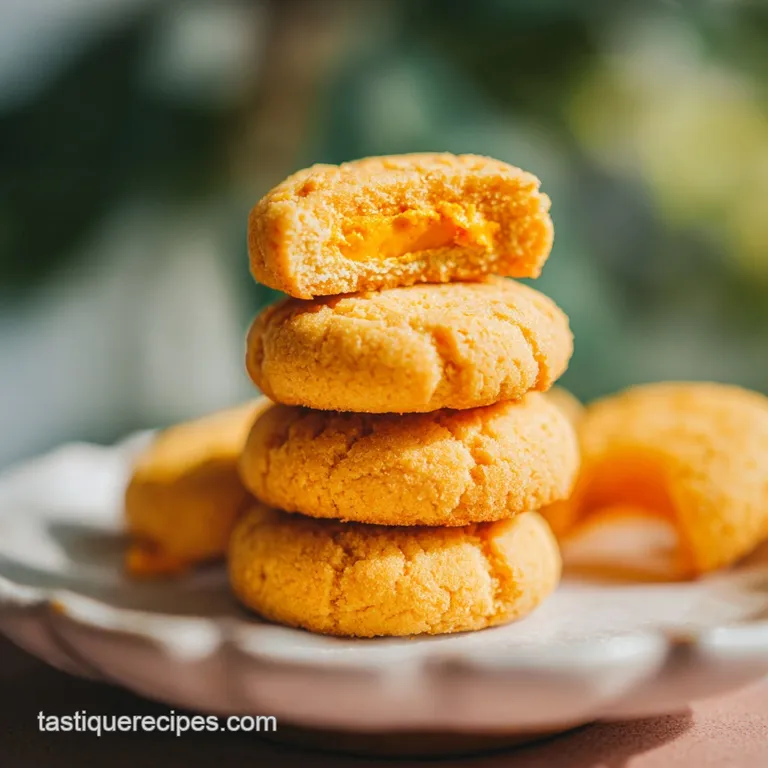
- Time: Active 20 minutes, Passive 15 minutes, Total 35 minutes
- Flavor/Texture Hook: Sandy, melt in-the mouth crumb with a bold umami punch
- Perfect for: Lunar New Year celebrations, unique food gifting, or adventurous tea time snacking
- Mastering the Science of Umami in Salted Egg Yolk Cookies
- Essential Kitchen Timing and Recipe Specifications to Follow
- The Alchemy of Selecting the Best Savory Ingredients
- Tools You Need for That Signature Sandy Texture
- Navigating the Golden Path from Raw Dough to Plate
- Identifying the Red Flags and Fixing Your Cookie Dough
- Customizing Your Batch with Creative Flavor Profiles
- Preserving the Crunch with Smart Storage and Freezing
- Presenting Your Golden Treats for Maximum Visual Impact
- Recipe FAQs
- 📝 Recipe Card
Mastering the Science of Umami in Salted Egg Yolk Cookies
The first time I pulled a tray of these out of the oven, my entire apartment smelled like a high end Hong Kong bakery. You know that scent toasted butter mixed with the deep, almost fermented funk of cured duck yolks.
I remember tentatively taking a bite of the first cookie while it was still warm, and it literally shattered against my tongue. It wasn't just sweet; it had this savory depth that made me want to go back for a second, then a third, before the tray had even cooled.
Honestly, I used to be intimidated by salted egg yolks. I thought they belonged strictly in mooncakes or fancy restaurant sauces. But after a few failed attempts where my dough ended up either too oily or way too crumbly, I realized the secret isn't just in the yolks themselves it's how you prep them.
We're going for a specific "sandy" texture that defines the best salted egg yolk cookies, and it’s actually easier to achieve than you think once you understand how the fats interact.
If you enjoy playing with deep, complex flavors like this, you might also find the salty sweet balance in my Miso Chocolate Chip recipe quite addictive. Much like the miso in those cookies, the salted egg here acts as a flavor enhancer that cuts right through the richness of the butter and sugar, making the whole experience feel balanced rather than cloying.
The Science of the Sandy Crumb
The secret to this texture is starch gelatinization and lipid distribution. By mixing finely crumbled, cooked yolks into a high fat butter base, the fats coat the flour particles, preventing excessive gluten development and creating a delicate, short texture.
- Lipid Suspension: The fat in the cured yolks doesn't fully merge with the butter, creating tiny "flavor pockets" that burst as you chew.
- Starch Softening: Cornstarch interferes with the flour's protein bonds, ensuring the cookie remains tender rather than chewy.
- Protein Denaturation: Pre steaming the yolks with rice wine removes the "fishy" aroma while firming the proteins for easier crumbling.
- Maillard Magic: Powdered sugar dissolves faster than granulated, allowing for a more even, golden brown exterior during the short 15 minutes bake time.
| Method | Time | Texture | Best For |
|---|---|---|---|
| Standard Oven | 15 minutes | Evenly golden, shatter crisp | Large batches and gifting |
| Toaster Oven | 12 minutes | Denser center, darker edges | Quick cravings for 1-2 people |
| Air Fryer | 8-10 minutes | Extremely flaky, slightly drier | Achieving a super "sandy" feel |
Choosing the right method depends on how much of a "snap" you want. I personally swear by the standard oven because it gives the heat enough time to penetrate the center of the yolk crumbs without burning the powdered sugar on the surface.
Essential Kitchen Timing and Recipe Specifications to Follow
Before we get our hands messy, let's talk numbers. Precision is your best friend when you're working with cured yolks because they carry so much moisture and fat. If your measurements are off by even a little, you might end up with a puddle of oil on your baking sheet.
I’ve been there, and trust me, scraping "cookie soup" off a tray is not how you want to spend your Saturday afternoon.
We are aiming for 30 cookies today. The prep is relatively quick about 20 minutes but don't rush the cooling of the yolks. If you add hot, freshly steamed yolks to your butter, the butter will melt instantly, and you'll lose that velvety, whipped structure we need for the dough.
Chef's Tip: Freeze your butter for exactly 10 minutes before you start. You want it softened enough to dent with a finger, but still cool to the touch (around 65°F or 18°C). This prevents the cookies from spreading into flat pancakes.
Component Analysis
| Ingredient | Science Role | Pro Secret |
|---|---|---|
| Salted Duck Yolks | Provides fat and umami | Mash them through a fine mesh sieve for a "cloud" texture. |
| Cornstarch | Lowers protein content | Always sift it with the flour to prevent tiny "flour bombs." |
| Powdered Sugar | Controls spread | Use sugar with a touch of cornstarch (standard store buy) for stability. |
| Milk Powder | Enhances browning | Adds a "creamy" aroma that bridges the salt and sugar. |
Since the texture is everything here, pay attention to the weights. 200g of flour might seem like a lot, but the 150g of butter and those 6 rich yolks need that structure to hold them up. If you're looking for another unique bake with a specialized flour profile, you should check out my Spelt Flour Pancakes recipe to see how different grains change the game.
The Alchemy of Selecting the Best Savory Ingredients
Choosing your ingredients for these cookies is like picking the cast for a movie; every player has a specific job. You can't just grab any old egg and expect it to work. We need the deep, orange gold intensity of cured duck yolks.
- 6 Large Salted Duck Egg Yolks (Cured): These are the stars. You can find them vacuum packed in Asian grocery stores. Look for the ones that are firm and vibrantly orange. Why this? They provide a much deeper savory flavor and higher fat content than chicken eggs.
- 1 tbsp Chinese Rice Wine or Dry Sherry: This is for the pre bake soak. Why this? It neutralizes the gamey scent of the duck egg and adds a subtle floral note.
- 1/2 tsp Sea Salt: Even though the eggs are salted, we need this to brighten the butter.
- 200g All Purpose Flour: The structural backbone.
- 50g Cornstarch: For that "melt away" sensation.
- 150g Unsalted Butter: Must be high-quality. I recommend a European style butter with higher fat content.
- 80g Powdered Sugar: Sifted to ensure no lumps.
- 20g Full fat Milk Powder: This is my "secret" ingredient for a professional bakery finish.
- 1 Egg Yolk (for glaze): To get that shiny, golden brown lacquer.
- 1 tsp Black Sesame Seeds: For a nutty crunch and visual contrast.
| Original Ingredient | Substitute | Why It Works |
|---|---|---|
| Chinese Rice Wine | Dry Sherry | Similar acidity and alcohol content to strip away odors. |
| Cornstarch | Potato Starch | Creates an even more fragile, "shattering" crumb. |
| Full fat Milk Powder | Coconut Milk Powder | Same fat content. Note: Adds a tropical/nutty flavor profile. |
Don't skip the milk powder. It sounds like an optional extra, but it provides a "toasted milk" flavor that makes these cookies taste like they came from a high end patisserie. It’s the same trick used in many professional Asian baked goods to get that nostalgic, creamy scent.
Tools You Need for That Signature Sandy Texture
You don't need a lab full of equipment, but a few specific tools will make your life much easier. First and foremost, if you have a fine mesh sieve, keep it handy. Mashing the yolks through the sieve rather than just chopping them makes the difference between "chunky" cookies and cookies that have a consistent, silky umami flavor throughout.
A stand mixer or an electric hand mixer is also pretty much essential here. We need to cream the butter and sugar until they are pale and fluffy literally trapping air bubbles that will expand in the oven. If you do this by hand, prepare for a serious arm workout.
- Fine mesh sieve: For processing the yolks into a fine crumble.
- Digital kitchen scale: Because "one cup" of flour can vary by 30 grams depending on how you scoop it.
- Parchment paper or silicone mats: To prevent the bottoms from browning too quickly.
- Small pastry brush: For a precise, even egg wash application.
- 1. Yolk Steaming
- Exactly 8-10 minutes until the yolks turn opaque. Over steaming makes them rubbery.
- 2. Butter Temp
- 65°F (18°C) is the sweet spot. If it's shiny or greasy, it's too warm.
- 3. Bake Temp
- 350°F (180°C). Any higher and the sugar burns before the starch sets.
Navigating the Golden Path from Raw Dough to Plate
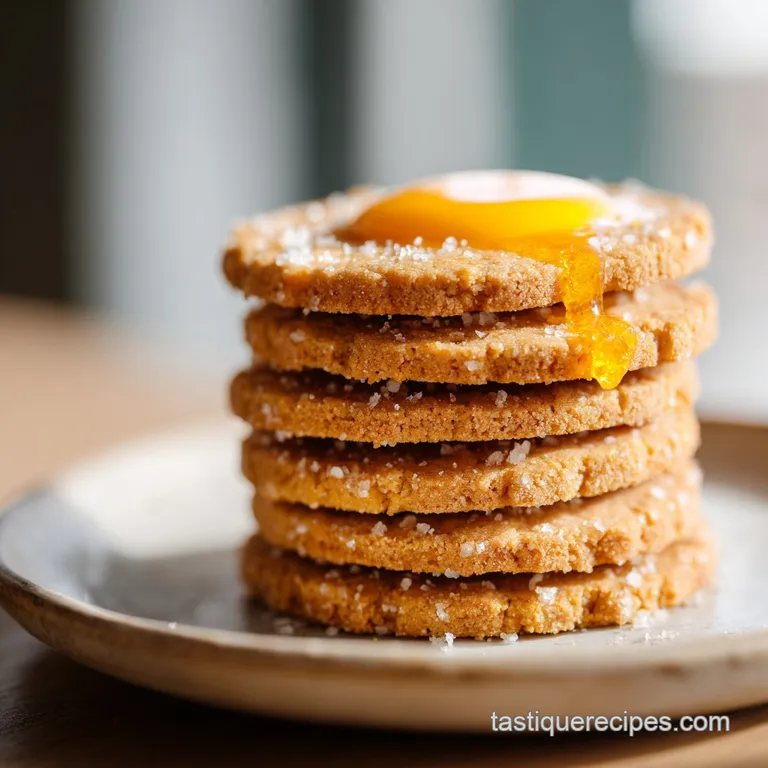
Right then, let's get into the actual making. Follow these steps closely, especially the part about processing the yolks. That's where most people go wrong!
- Prep the yolks. Place the 6 salted duck egg yolks in a small bowl and splash with 1 tbsp rice wine. Steam them for 10 minutes until they are firm and opaque all the way through.
- Crumble the base. While still warm, mash the yolks through a fine mesh sieve into a bowl. Note: This creates a sandy powder that integrates perfectly into the dough.
- Cream the fats. In a large bowl, beat 150g softened butter with 80g powdered sugar until the mixture looks pale, voluminous, and velvety.
- Fold in the umami. Add the processed egg yolk powder and 1/2 tsp sea salt to the butter mixture. Beat for 30 seconds until the color is a uniform pale gold.
- Sift the dry goods. Sift 200g flour, 50g cornstarch, and 20g milk powder directly into the bowl. Note: Sifting prevents "clumping" which causes tough spots in the cookie.
- Form the dough. Use a spatula to fold the dry ingredients into the wet until no streaks of white remain and a soft dough forms. Do not overwork it!
- Portion and roll. Scoop about 1 tablespoon of dough and roll into a smooth ball. Place on a lined tray, spacing them 2 inches apart.
- Glaze and garnish. Lightly whisk the extra egg yolk and brush it over the tops. Sprinkle with a few black sesame seeds until they stick firmly to the center.
- The Golden Bake. Bake at 350°F (180°C) for 15 minutes until the edges are barely brown and the tops look matte and set.
- Cooling phase. Let them sit on the tray for 5 minutes before moving to a wire rack. Note: They are very fragile when hot and need time to "set" their structure.
Once they are cool, the texture should be amazing crisp on the outside but dissolving instantly into a rich, buttery cloud once you take a bite.
Identifying the Red Flags and Fixing Your Cookie Dough
Even with the best intentions, baking can go sideways. The most common heartbreak with these cookies is the "oil slick" problem. Because salted yolks and butter both have high fat content, the dough can sometimes feel greasy or refuse to hold its shape.
Why Your Cookies Spread Too Much
If your cookies look like flat puddles rather than neat mounds, your butter was likely too warm when you started, or you over creamed it. When butter gets too soft, it loses its ability to hold air, and the structural integrity of the flour can't compensate for the weight of the yolks.
| Problem | Root Cause | Solution |
|---|---|---|
| Greasy Finish | Yolks weren't dried properly | Pat steamed yolks with a paper towel before mashing. |
| Tough Texture | Over mixing the flour | Stop mixing the second the white streaks of flour disappear. |
| Crumbly/Falling Apart | Not enough moisture/fat | Add 1 tsp of cold milk to the dough and gently fold. |
Common Mistakes Checklist:
- ✓ Always pat the steamed yolks dry; any residual rice wine or moisture can split the butter.
- ✓ Chill the rolled dough balls in the fridge for 15 minutes before baking if your kitchen is warm.
- ✓ Don't skip the sifting; powdered sugar and cornstarch love to form stubborn lumps.
- ✓ Use a light touch when brushing the egg wash too much liquid will make the tops soggy.
Fixing a Dry, Crumbly Dough
If your dough feels like sand and won't come together in a ball, don't panic. This often happens if the flour was measured by volume (too much packed in) or if the yolks were particularly small. Add half a teaspoon of room temperature milk at a time, kneading very gently, until it just holds its shape.
You don't want it wet; you just want it cohesive.
Customizing Your Batch with Creative Flavor Profiles
Once you've mastered the classic version, you can start having some fun. The base of these cookies is surprisingly versatile. If you're into that vibrant purple look, you can actually adapt the rolling technique from my Ube Crinkle Cookies recipe by coating these in purple yam powder instead of sesame seeds.
- The Spicy Curry Twist: Add 1/2 tsp of mild curry powder to the dry ingredients. The earthiness of the turmeric and cumin pairs beautifully with the rich yolk.
- The Herbaceous Note: Finely chop one sprig of fresh curry leaves and sauté them in the butter before creaming. This adds a "cereal prawn" vibe that is incredibly addictive.
- The Seaweed Crunch: Mix 1 tbsp of crushed roasted seaweed (nori) into the dough for an extra layer of marine umami.
- If you want a deeper color
- Add a tiny drop of orange food coloring or a pinch of turmeric to the dough.
- If you want a crunchier bite
- Replace 20g of the all purpose flour with coarse rice flour.
- If you want it sweeter
- Increase the powdered sugar to 100g, but be aware they will spread slightly more.
Preserving the Crunch with Smart Storage and Freezing
These cookies are at their absolute peak about 2 hours after baking, once the fats have stabilized but the moisture hasn't had a chance to move from the center to the edges. However, they store surprisingly well because of their high fat content.
- Room Temperature
- Store in a strictly airtight container for up to 7 days. I like to throw one of those food safe silica gel packets in the jar to keep things bone dry.
- Freezing
- You can freeze the baked cookies for up to 2 months. Thaw at room temperature for an hour, then pop them in a 300°F (150°C) oven for 3 minutes to refresh the "shatter."
- Freezing Raw Dough
- You can freeze the rolled, unglazed balls for up to 3 months. Bake directly from frozen, adding 2-3 minutes to the total time.
Zero Waste Tip: Don't throw away the egg whites from the salted eggs! They are incredibly salty, but you can use them to season congee, stir fries, or even steam them with regular eggs for a savory side dish.
Presenting Your Golden Treats for Maximum Visual Impact
These aren't your average "toss them on a plate" cookies. Because they have that elegant, matte golden finish and the striking black sesame contrast, they look stunning in minimalist settings. I love serving these on a dark ceramic platter to make the orange hue pop.
They are the ultimate companion to a strong Oolong or Pu erh tea. The astringency of the tea cuts through the buttery richness of the yolk, cleansing your palate for the next bite. If you're gifting them, look for small glass jars or tin boxes.
Line them with greaseproof paper not just for aesthetics, but because these cookies are rich and can leave oil marks on plain paper.
Another fun idea? Serve them alongside a "dessert board" featuring different textures. The sandy snap of these cookies provides a great counterpoint to something soft and chewy, like the muffins in my Matcha Almond Muffins recipe. The green of the matcha and the gold of the salted egg look festive and high end when served together.
Debunking Kitchen Myths
One common myth is that you can use raw salted yolks directly in the dough. You absolutely shouldn't. Raw yolks are too gelatinous and won't incorporate evenly. Steaming them first "sets" the proteins, allowing you to create that fine powder that is responsible for the signature melt in-the mouth texture.
Another misconception is that the "fishy" smell of duck eggs is unavoidable. The rice wine soak is not just for tradition; the alcohol binds with trimethylamine (the compound responsible for the fishy odor) and evaporates during steaming, leaving you with only the pure, savory essence of the yolk.
Trust the process, and you'll end up with a batch of cookies that people will swear came from a professional bakery!
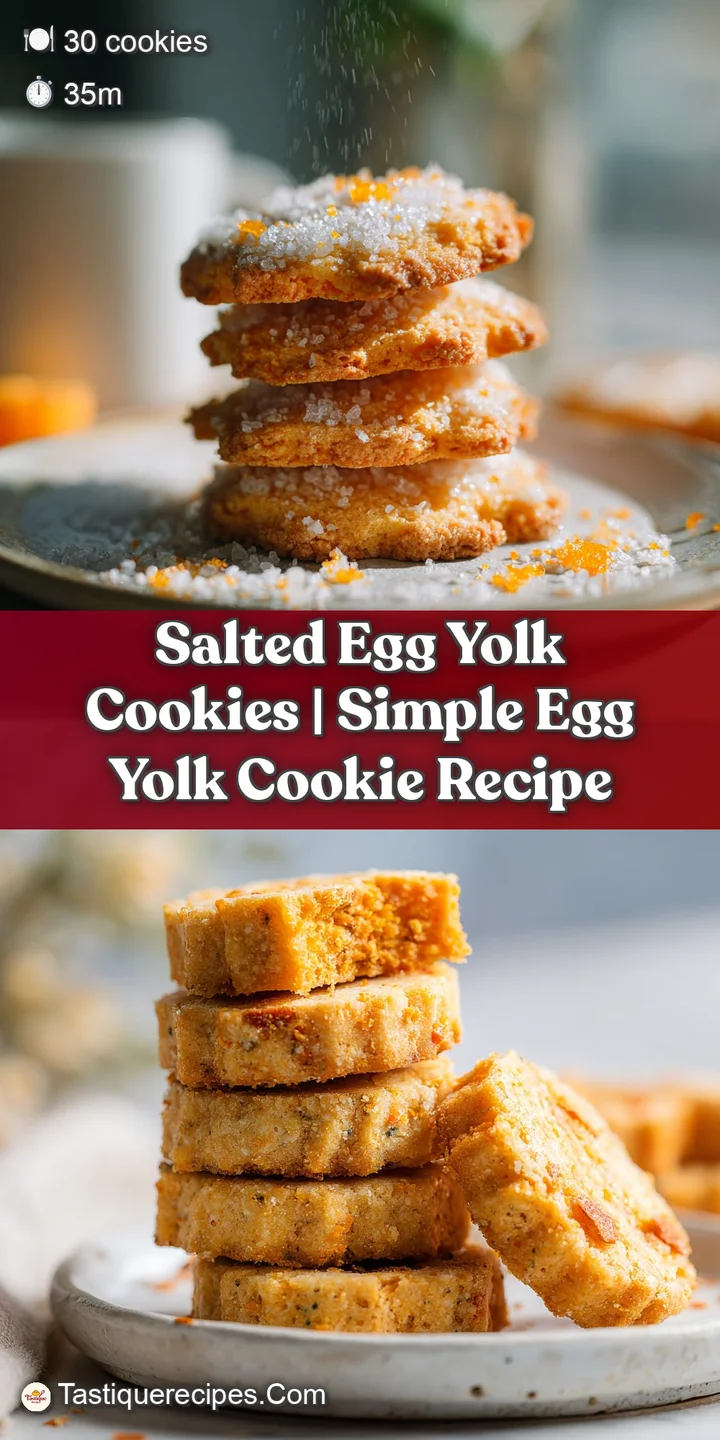
Recipe FAQs
What do salted egg yolk cookies taste like?
They are a sophisticated balance of rich, salty umami and buttery sweetness. The texture is sandy and short, dissolving quickly in the mouth, leaving behind a deep, savory finish that cuts through the richness.
What does an egg yolk do to cookies?
Egg yolks primarily add fat, richness, and emulsification to cookie dough. The high fat content tenderizes the crumb by coating the flour proteins, preventing excessive gluten development and creating a melt-in-your mouth texture.
What are Taylor Swift's cookies?
This specific recipe is not Taylor Swift's signature cookie, though they share similar flavor complexity. Taylor Swift is famous for her Chai Spiced Sugar Cookies, which feature warm spice notes; these salted egg yolk cookies focus more on savory sweet depth.
What can you use salted egg yolks for?
Salted egg yolks are versatile and used in both sweet and savory Asian dishes. You can crumble them into lotus seed paste for mooncakes, mash them into sauces, or grate them over rice dishes, similar to how you might season food with parmesan cheese.
Is it true that steaming the yolks makes them rubbery?
No, this is a common misconception if you steam them too long. Steam them for exactly 8 to 10 minutes until just opaque; over steaming causes the proteins to tighten too much, leading to a rubbery texture instead of a creamy crumble.
How do I ensure my cookie dough doesn't turn into an oily mess?
Keep your butter cool around 65°F (18°C) and do not over cream it. The fats in the yolks and butter must be well suspended but not fully melted before the flour is added. If you enjoyed mastering the precise fat blending in this recipe, see how that same ratio logic applies to creating a stable emulsion in our Vegan Mushroom Stroganoff recipe.
How do I get the signature "sandy" texture in salted egg yolk cookies?
Force the steamed yolks through a fine mesh sieve after they cool slightly. This breaks them down into a fine, consistent powder that integrates perfectly with the butter and cornstarch, creating that desirable, delicate crumb that shatters when bitten.
Salted Egg Yolk Cookies
Ingredients:
Instructions:
Nutrition Facts:
| Calories | 95 calories |
|---|---|
| Protein | 1.4 g |
| Fat | 5.5 g |
| Carbs | 9.5 g |
| Fiber | 0.2 g |
| Sugar | 2.7 g |
| Sodium | 92 mg |
