Miso Butter Pasta: Silky & Savory
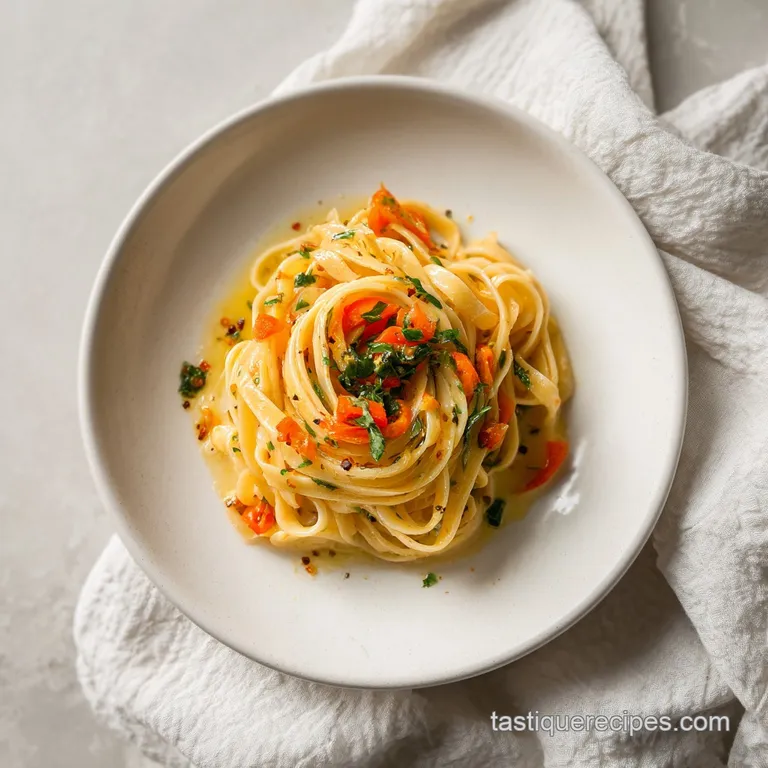
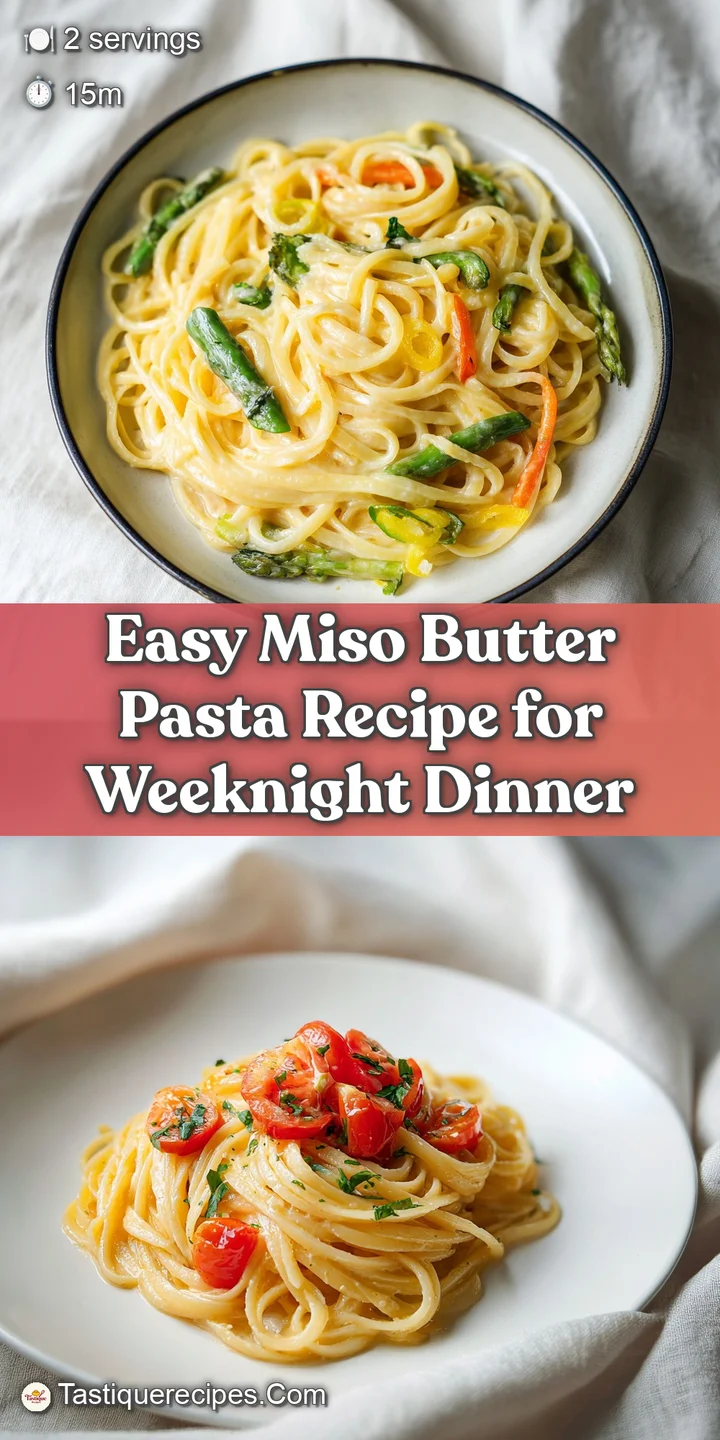
- Time: Active 10 mins, Passive 5 mins, Total 15 mins
- Flavor/Texture Hook: Silky, velvety sauce with earthy mushroom notes
- Perfect for: High speed weeknight dinners or a quick solo indulgence
- Achieving the Velvety Miso Emulsion
- Critical Timings for Al Dente
- Selecting Your Umami Rich Elements
- Essential Tools for Flavor Building
- Executing the Perfect Sizzle
- Preventing Common Pasta Pitfalls
- Modifying for Different Preferences
- Keeping Leftovers Silky and Fresh
- Final Flourishes for Restaurant Quality
- Critical in Sodium
- Recipe FAQs
- 📝 Recipe Card
The first time I tried making this, I was starving and desperate. I had half a box of spaghetti, a nub of butter, and a tub of miso that had been sitting in the fridge for months. In my rush, I threw the miso directly into the boiling pasta water. Don't do that.
The flavor disappeared, and I ended up with a salty, grainy mess that lacked any of the richness I was craving. It was a total flop, but it taught me the most important lesson about miso: it’s a delicate fermented beauty that needs to be handled with a bit of respect.
Since then, I've obsessed over the "bloom." When you gently melt miso into warm butter and garlic, the aroma shifts from sharp and salty to something deeply toasted and nutty. That sizzle when the mushrooms hit the pan the way they turn golden and slightly chewy is the moment you know this dish is going to be special.
We're not just making noodles; we're creating a glossy, umami packed coat that clings to every strand of pasta.
Right then, let's talk about why this actually works. This isn't just about mixing things together; it’s about chemistry. We are creating a bridge between fat and water that results in a sauce so smooth you'd swear there was heavy cream involved.
Trust me on this, once you nail the emulsion, you'll never look at a plain buttered noodle the same way again.
Achieving the Velvety Miso Emulsion
The Secret of the Umami Bond
The magic here happens through a process called emulsification, where the proteins and lecithins in the miso paste act as a stabilizer between the fats in the butter and the water from the pasta. This creates a cohesive, silky coating rather than a greasy pool at the bottom of your bowl.
- Fat Suspension: The butter provides a rich mouthfeel while the miso proteins keep the fat droplets small and evenly distributed.
- Starch Binding: Reserved pasta water contains amylose, which acts like a "glue" to help the savory miso butter pasta sauce adhere to the noodles.
- Maillard Magic: Searing the mushrooms first creates a base of caramelization that deepens the overall complexity of the dish.
- Enzyme Preservation: Keeping the miso away from prolonged boiling preserves its complex, fermented flavor profile.
| Cooking Method | Total Time | Texture Outcome | Best For |
|---|---|---|---|
| Classic Stovetop | 15 minutes | Silky and glossy | Immediate serving and peak texture |
| Oven Finish (Baked) | 25 minutes | Crispy edges, denser sauce | Large groups or meal prep reheating |
| Cold Toss (Salad) | 10 minutes | Light and coating like | Refreshing summer lunch or picnics |
If you love how miso transforms a dish, you might also like my Miso Caramel Sauce recipe. It uses a very similar technique of balancing salt and fat to create something completely different but equally addictive.
Critical Timings for Al Dente
This is a fast paced recipe, so having your timing down is the difference between a velvety finish and mushy noodles. I always set my timer for two minutes less than the package instructions. This gives the pasta room to finish cooking inside the sauce, where it can actually soak up all that miso goodness.
| Component | Science Role | Pro Secret |
|---|---|---|
| White Miso | Primary Emulsifier | Use Shiro miso for a sweeter, less aggressive salt profile |
| Pasta Water | Starch Thickener | Never skip this; it's the liquid gold that binds the sauce |
| Unsalted Butter | Fat Base | Allows you to control the saltiness independently from the miso |
It's brilliant how these three things work together. If you use salted butter, you might find the final dish a bit overwhelming because the miso and soy sauce already bring plenty of sodium to the party. Honestly, don't even bother with low-fat alternatives here; the fat is what makes the sauce "shatter" with flavor.
Selecting Your Umami Rich Elements
For the best results, you want to pick ingredients that contrast well. The earthy mushrooms, the sharp scallions, and the creamy butter create a profile that hits every part of your palate. If you're into that punchy, fermented vibe, you'll find this hits many of the same notes as my Kimchi Grilled Cheese recipe, which is another one of my go to's for a quick savory fix.
- 8 oz (225g) Spaghetti, Bucatini, or Fettuccine: Long noodles provide the best surface area for the sauce. Why this? The starch release from long pasta is higher, aiding the emulsion. (Substitute: Rigatoni)
- 2 tbsp Sea salt: Essential for seasoning the pasta from the inside out. Why this? Proper seasoning starts with the boiling water. (Substitute: Kosher salt)
- 1/2 cup Reserved starchy pasta water: The secret ingredient for any 30 minute miso butter pasta. Why this? The starch acts as a bridge for the sauce. (Substitute: Plain water + 1 tsp cornstarch)
- 4 tbsp (60g) Unsalted butter: Provides the velvety body of the dish. Why this? High fat content equals a more stable sauce. (Substitute: Cultured vegan butter)
- 2 tbsp White or Yellow Miso paste (Shiro miso): The heart of the umami flavor. Why this? Milder miso won't overpower the delicate mushrooms. (Substitute: Red miso, but use half)
- 2 cloves Garlic, finely minced or grated: Adds a necessary aromatic kick. Why this? Grating allows the garlic to melt into the butter. (Substitute: 1 tsp garlic powder)
- 1 tsp Soy sauce: Rounds out the saltiness with extra depth. Why this? Adds a darker, toasted dimension to the miso. (Substitute: Tamari or liquid aminos)
- 4 oz (115g) Shiitake or Cremini mushrooms, thinly sliced: Provides a meaty, chewy texture. Why this? These varieties hold their shape well under high heat. (Substitute: Oyster mushrooms)
- 1 tsp Neutral oil: To help sear the mushrooms without burning the butter. Why this? Higher smoke point than butter for the initial sear. (Substitute: Grapeseed or avocado oil)
- 2 scallions, thinly sliced: For a fresh, sharp finish. Why this? The onion flavor cuts through the richness of the butter. (Substitute: Chives)
- 1 tbsp Toasted sesame seeds: Adds a subtle crunch. Why this? Enhances the nutty notes of the miso. (Substitute: Furikake)
Essential Tools for Flavor Building
You don't need much, but a large skillet is non negotiable. You need enough surface area to toss the pasta vigorously without it flying across your kitchen. I've learned that lesson the hard way.
- Large Pot: For boiling the pasta.
- 12 inch Skillet: A stainless steel or cast iron pan works best for searing the mushrooms.
- Microplane: For grating the garlic so it becomes a paste.
- Tongs: Essential for tossing the noodles and ensuring every strand is coated.
- Liquid Measuring Cup: To catch that precious pasta water before you drain it.
Chef's Tip: Freeze your miso for 10 minutes before measuring. It makes the sticky paste much easier to scrape out of the tablespoon and prevents it from clinging to your tools.
Executing the Perfect Sizzle
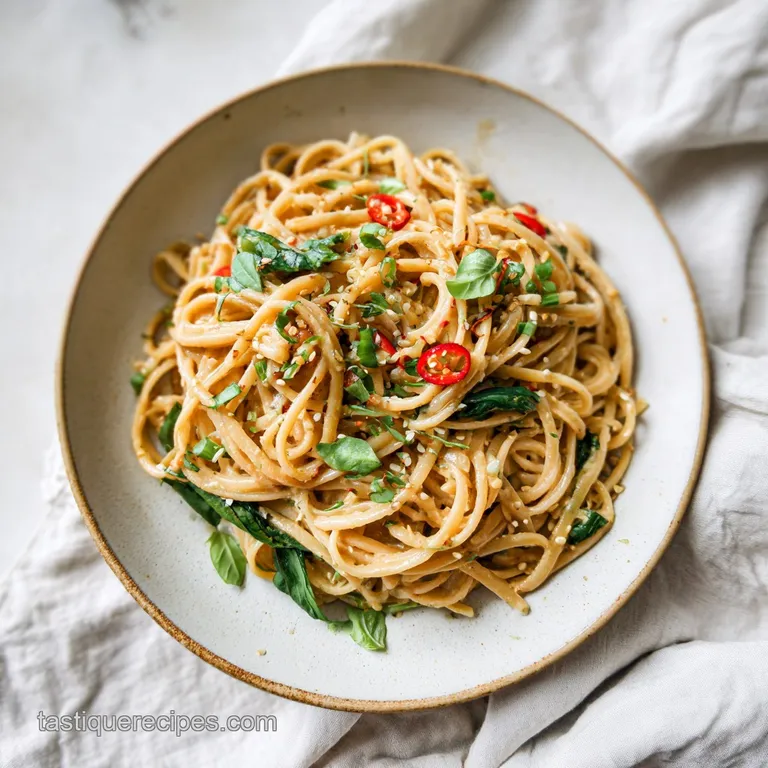
- Boil 8 oz (225g) pasta. Cook in well salted water until just before al dente. Note: It should still have a firm "bite" in the center.
- Save 1/2 cup pasta water. Do this before draining the noodles. Note: This is the most common mistake, so set a reminder!
- Sear 4 oz (115g) mushrooms. Heat 1 tsp neutral oil in a large skillet over high heat until the pan is smoking slightly.
- Brown the mushrooms. Add the mushrooms in a single layer and let them sit for 2 mins until golden and caramelized.
- Sauté 2 cloves garlic. Reduce heat to medium, add 4 tbsp (60g) butter and the minced garlic until the aroma fills the room.
- Bloom the miso. Whisk 2 tbsp miso and 1 tsp soy sauce into the melted butter until no clumps remain.
- Add the pasta. Transfer the drained noodles directly into the skillet. Note: The residual heat is enough; don't turn the stove back to high.
- Emulsify the sauce. Pour in half of the reserved pasta water and toss vigorously with tongs until the sauce turns glossy and thick.
- Garnish and serve. Top with 2 sliced scallions and 1 tbsp sesame seeds. Serve while the sauce is still velvety.
Preventing Common Pasta Pitfalls
The Grainy Sauce Dilemma
If your miso isn't whisked thoroughly or if the pan is too hot when the miso is added, the sauce can look broken or grainy. The miso doesn't "melt" like cheese; it suspends. If it clumps, you lose that velvety finish.
Salt Overload
Miso is naturally very salty. If you over salt your pasta water or use salted butter, the final dish can become aggressive. Always taste the sauce before adding any extra soy sauce or finishing salt.
| Problem | Root Cause | Solution |
|---|---|---|
| Sticky Pasta | Not enough pasta water | Add 1 tbsp of reserved water at a time until silky |
| Bland Mushrooms | Crowding the skillet | Sear in two batches to ensure browning rather than steaming |
| Burnt Garlic | Heat too high | Add butter and garlic together to buffer the heat |
Common Mistakes Checklist ✓ Reserved pasta water before draining (essential for the "Miso Butter Pasta" gloss) ✓ Patted mushrooms dry with a paper towel before searing (prevents steaming) ✓ Whisked the miso into a slurry before adding to the bulk of the pasta ✓ Let the pan
cool slightly before adding the miso to prevent flavor degradation ✓ Served on warmed plates to keep the butter from seizing up
Modifying for Different Preferences
If you want to change things up, this base is incredibly forgiving. Whether you need a protein boost or a spicy kick, the miso mushroom pasta foundation handles additions like a champ.
- For a Spicy Miso Butter Pasta: Add 1 tsp of Gochujang or red pepper flakes when sautéing the garlic. It adds a beautiful red hue and a slow burning heat.
- The Protein Boost: Toss in 4 oz of seared shrimp or sliced chicken breast at the very end. The umami in the miso complements seafood particularly well.
- Vegetable Variations: If mushrooms aren't your thing, swap them for charred broccolini or snap peas. Just ensure they are cooked through before adding the pasta.
| Original Ingredient | Substitute | Why It Works |
|---|---|---|
| Spaghetti | Rice Noodles (wide) | Keeps the dish gluten-free. Note: Does not release as much starch, so the sauce may be thinner |
| Miso (White) | Red Miso | Deepens the flavor significantly. Note: Use 1 tbsp instead of 2 as it is much saltier |
| Butter | Extra Virgin Olive Oil | Creates a lighter, more floral sauce. Note: Will not be as creamy or emulsified |
Keeping Leftovers Silky and Fresh
Storage: This savory miso butter pasta keeps well in an airtight container in the fridge for up to 3 days. However, because butter solidifies when cold, the noodles will look like a solid block when you take them out.
Reheating: Never use the microwave on high power for this. It will cause the butter to separate, leaving you with greasy noodles. Instead, place the pasta in a skillet with a splash of water or milk. Heat over medium low, tossing constantly, until the sauce re emulsifies and becomes creamy again.
Zero Waste: If you have leftover scallion whites, don't toss them. Finely mince them and fry them in a little oil to create a "scallion oil" base for your next batch. Also, mushroom stems can be saved in a freezer bag for making homemade vegetable stock later.
Final Flourishes for Restaurant Quality
The difference between a "good" weeknight miso butter pasta and one that feels like a $25 restaurant dish is all in the finish. Don't just dump the toppings on. A squeeze of fresh lemon juice at the very end just a tiny bit cuts through the richness of the butter and makes the umami flavors pop.
The Decision Shortcut
- If you want it extra creamy: Whisk 1 tbsp of heavy cream into the miso slurry before adding it to the pan.
- If you want it extra crispy: Fry the mushrooms until they are almost "shatter" crisp before adding the butter.
- If you want it lighter: Use 2 tbsp of butter and 2 tbsp of the pasta cooking water to create a thinner glaze.
Kitchen Myths Debunked
"You must boil miso to release flavor." This is actually the opposite of the truth. Boiling miso for too long kills the beneficial probiotics and can cause the delicate aromatic compounds to evaporate, leaving only the salt behind. Always add it toward the end of the cooking process.
"Pasta water is just dirty water." That "dirt" is actually starch. It is a natural thickener and emulsifier. Without it, your butter and miso would never actually stick to the noodles; they would just slide off into a puddle at the bottom of the plate.
Right then, you're ready to tackle this umami bomb. It’s fast, it’s punchy, and it’s become my ultimate "I don't want to cook" meal that still feels like a treat. Let's crack on and get those noodles in the pot!
Critical in Sodium
1345 mg mg of sodium per serving (58% % of daily value)
The American Heart Association recommends limiting sodium intake to about 2,300mg per day for optimal health.
Sodium Reduction Tips for Your Miso Mushroom Pasta:
-
Miso Minimization-25%
Miso is a significant sodium contributor. Reduce the miso paste from 2 tbsp to 1 tbsp. You can also try substituting with a low-sodium miso variety.
-
Salt Reduction-20%
The recipe calls for 2 tbsp of sea salt in the pasta water. Reduce this amount by half or eliminate entirely; the pasta will still cook properly. Consider using salt free seasonings after cooking.
-
Soy Sauce Swap-15%
Replace the regular soy sauce with a low-sodium soy sauce alternative. This simple swap can significantly decrease the sodium content of the dish without sacrificing flavor.
-
Mushroom Boost-10%
Increase the amount of mushrooms. Adding more fresh vegetables naturally enhances the flavor and reduces the perceived need for salt.
-
Herb Power!
Experiment with fresh herbs and spices like thyme, parsley, red pepper flakes, or black pepper to boost the flavor without adding sodium.
Recipe FAQs
Should I add the miso paste directly to the boiling pasta water?
No, never boil miso paste directly. Boiling the paste destroys its beneficial probiotics and causes its delicate, savory flavor compounds to degrade rapidly, leaving only harsh salt.
How to make the sauce silky smooth instead of grainy?
Whisk the miso into the warm melted butter before adding the pasta. The warm fat helps suspend the miso solids, acting as a buffer before the starchy pasta water is introduced to create a stable emulsion.
How to ensure the sauce clings perfectly to long pasta strands?
Reserve at least half a cup of starchy pasta water before draining. This starchy liquid contains amylose, which is essential for binding the fat in the butter to the water, creating the glossy coating.
Is it true that salted butter can ruin the flavor balance of this dish?
Yes, salted butter increases the risk of an overly salty final product. Miso already contains significant sodium, so using unsalted butter allows you to precisely control the salt level of the sauce.
How to properly cook the mushrooms so they taste caramelized, not soggy?
Sear the mushrooms over high heat in a dry or lightly oiled pan until deeply browned. Do not overcrowd the pan; cook them in batches if necessary to achieve proper caramelization, which builds the savory base layer.
What is the best way to reheat leftover miso butter pasta?
Reheat gently in a skillet over low heat with a splash of water or milk. Microwaving on high power often causes the fat to separate from the starch, resulting in a greasy texture rather than the original silkiness.
Can I substitute white miso paste with red miso paste?
Yes, but reduce the amount significantly. Red miso is much stronger and saltier; if you substitute it for the white miso, start with only one tablespoon to prevent overpowering the delicate butter and mushroom flavors, similar to how you would balance flavors in a bold dish like the Rose Tteokbokki Recipe.
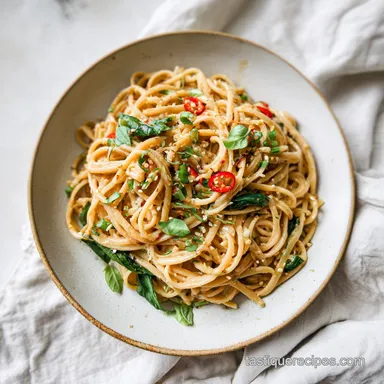
Miso Butter Pasta In 15 Min
Ingredients:
Instructions:
Nutrition Facts:
| Calories | 713 calories |
|---|---|
| Protein | 17.4 g |
| Fat | 31.8 g |
| Carbs | 88.6 g |
| Fiber | 4.8 g |
| Sugar | 4.2 g |
| Sodium | 1345 mg |
