Oat Molasses Bread Recipe Maine: Heritage Bake
- Time: Active 30 mins, Passive 2 hours, Total 2 hours 30 mins
- Flavor/Texture Hook: Shatter crisp crust with a chewy, molasses sweetened interior
- Perfect for: Slow weekend mornings or a hearty budget-friendly side for stews
- Bake the Best Oat Molasses Bread Recipe Maine
- Science Behind the Perfect Rustic Crumb
- Essential Recipe Specs and Timing
- Building Blocks for Flavorful Loaves
- Essential Tools for Professional Results
- Step by Step Mixing Instructions
- Pro Tips for Troubleshooting Loaves
- Customizing Your Homemade Loaves
- Storage and Reheating Your Bread
- Best Ways to Serve Loaves
- Recipe FAQs
- 📝 Recipe Card
Bake the Best Oat Molasses Bread Recipe Maine
The smell of dark molasses hitting boiling water is a sensory trigger that takes me straight back to a foggy morning on the Maine coast. There is something profoundly grounding about that deep, earthy aroma filling a cold kitchen.
I remember the first time I tried this, my dough was a sticky, unmanageable mess that ended up looking more like a brick than a loaf. I learned the hard way that the secret lies in the temperature and the patience of the oat soak.
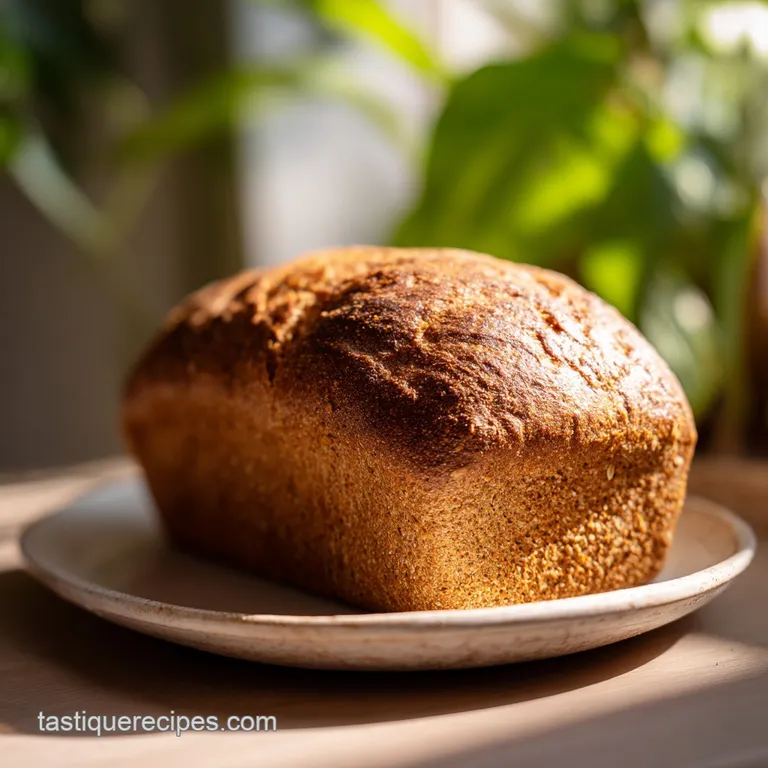
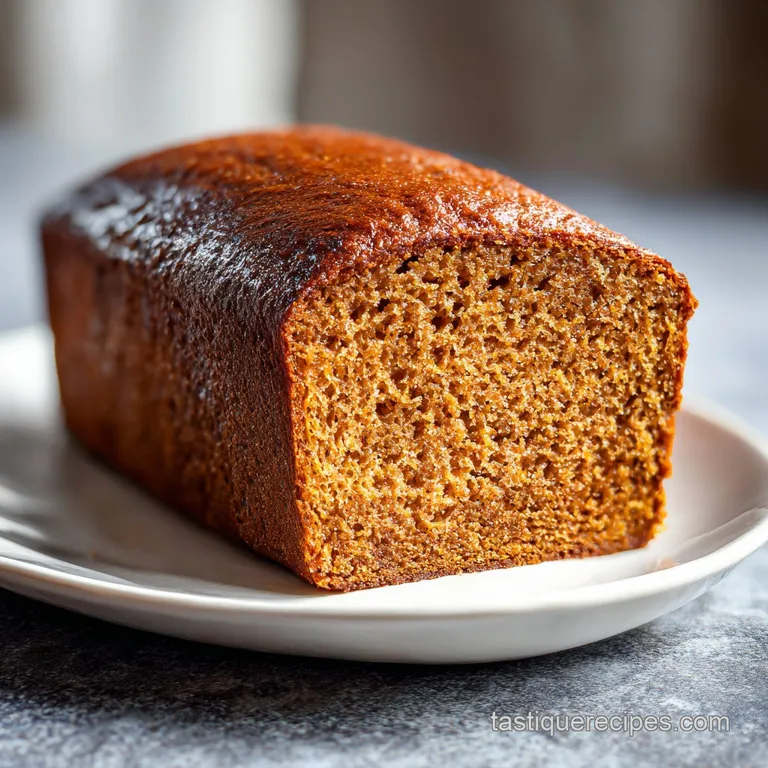
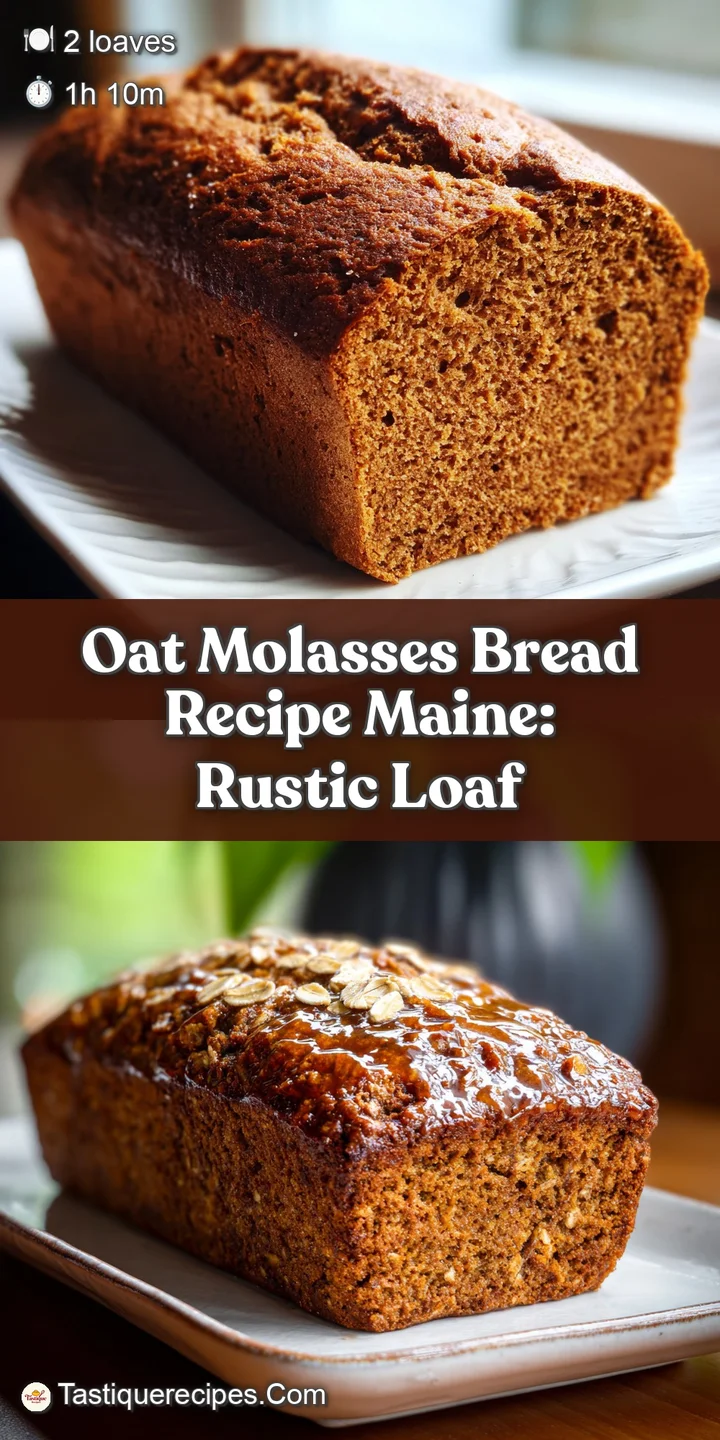
This isn't your average supermarket bread; it is a substantial, rustic bake that feels like a warm hug. We are going for a velvety crumb that holds up to a thick slab of salted butter without falling apart.
It's one of those recipes where the ingredients are humble - mostly pantry staples like oats and flour - but the technique transforms them into something that tastes like it came from a high end heritage bakery.
We are going to walk through how to manage that beautiful, tacky dough so you get a lofty rise every single time. Whether you're a seasoned baker or just starting your journey with yeast, this loaf is incredibly forgiving once you understand the physics of the "soaker." Trust me, once you see those golden, oat topped domes come out of the oven, you'll never go back to the store-bought stuff.
Science Behind the Perfect Rustic Crumb
The heart of this recipe is the "soaker" method, where we drench old-fashioned oats in boiling water. This process is called starch gelatinization, which allows the oats to absorb far more moisture than they would in a cold mix.
This trapped hydration is what gives the bread its signature velvety texture and prevents it from drying out after just one day on the counter.
Another fascinating bit of chemistry happens with the molasses. While we love it for that deep brown color and bittersweet profile, molasses also acts as a fermentation catalyst. The simple sugars provide an immediate feast for the yeast, while the natural acidity helps to condition the gluten.
This results in a more elastic dough that can support the heavy weight of the soaked oats without collapsing during the bake.
The "Flash Soak" Science
By adding cubed butter directly to the boiling water and oats, we create a temporary emulsion. As the butter melts, the fats coat the oat particles, which later helps to tenderize the dough's protein structure.
Molasses as a Fermentation Catalyst
The dark molasses provides minerals like potassium and magnesium, which are essentially vitamins for your yeast. This creates a more vigorous rise and a deeper, more complex flavor profile than white sugar ever could.
The Gluten Fiber Balance
Because oats are gluten-free and heavy, we use bread flour to provide a strong protein network. This ensures the carbon dioxide bubbles are trapped effectively, giving us that characteristic "shatter" in the crust.
| Method | Time | Texture | Best For |
|---|---|---|---|
| Classic Soak | 2 hours 30 mins | Velvety and moist | Traditional heritage flavor |
| Fast Track | 1 hours 45 mins | Slightly denser | Busy weeknights |
| Overnight Cold | 12 hours + | Tangy and complex | Advanced flavor seekers |
Choosing the right method depends on your schedule, but the classic soak consistently delivers that iconic Maine texture. If you are looking for other hearty breakfast options, you might find the technique in my Einkorn Biscuits Recipe similarly satisfying for rustic baking fans.
Essential Recipe Specs and Timing
Success in baking often comes down to timing and temperature. For this recipe, you want your warm water for the yeast to be exactly 110°F. If it's too hot, you'll kill the yeast; too cold, and they'll stay dormant, leaving you with a flat loaf.
I always keep a digital thermometer handy because "finger warm" is surprisingly subjective.
| Component | Science Role | Pro Secret |
|---|---|---|
| Rolled Oats | Structural Fiber | Toast them for 5 mins before soaking for a nuttier aroma |
| Dark Molasses | Hygroscopic Sweetener | Grease your measuring cup with oil so it slides right out |
| Bread Flour | Protein Foundation | Sift it to ensure no clumps interfere with hydration |
| Active Dry Yeast | Leavening Agent | Let it bloom until it looks like creamy cappuccino foam |
The dough for this bread is naturally stickier than a standard white loaf because of the molasses and the high moisture content of the oats. Don't be tempted to keep dumping in extra flour. A little bit of tackiness is actually a good sign - it means your bread will be light and moist rather than dry and crumbly.
Building Blocks for Flavorful Loaves
When selecting your ingredients, quality matters, but simplicity is king. I prefer old-fashioned rolled oats over quick oats because they maintain their identity in the finished crumb. Quick oats tend to disappear into the dough, losing that rustic texture we're after.
- 2 cups (180g) rolled oats (old fashioned): Why this? Provides the chewy, rustic texture and essential moisture retention.
- Substitute: Steel cut oats (soaked longer) or quick oats (will be softer).
- 2 cups (475ml) boiling water: Why this? Gelatinizes the oat starch for a soft interior.
- Substitute: Boiling milk for a richer, more tender crumb.
- 3 tbsp (42g) unsalted butter, cubed: Why this? Adds fat to tenderize the gluten and carry flavor.
- Substitute: Salted butter (just reduce the added sea salt by 1/2 tsp).
- 0.5 cup (170g) dark molasses: Why this? Provides the iconic color and bittersweet flavor profile.
- Substitute: Honey or maple syrup (flavor will be much lighter).
- 5 cups (625g) bread flour: Why this? High protein content creates the structure needed to lift heavy oats.
- Substitute: All purpose flour (bread will be slightly shorter and denser).
- 1 packet (7g) active dry yeast: Why this? The engine of the rise.
- Substitute: 2.25 tsp instant yeast (skip the blooming step).
- 0.25 cup (60ml) warm water (110°F): Why this? Essential for rehydrating and activating the yeast.
- 2 tsp (12g) fine sea salt: Why this? Enhances flavor and regulates yeast activity.
- Substitute: Kosher salt (use 1 tbsp if using Diamond Crystal).
- 1 large egg: Why this? Used for the egg wash to get a shiny, golden crust.
- 2 tbsp (15g) rolled oats for topping: Why this? For that classic bakery style visual finish.
Chef's Tip: Freeze your butter for 10 minutes before cubing. This keeps the butter from melting too quickly when you start mixing the dough, allowing for tiny pockets of fat that contribute to a better crumb.
Essential Tools for Professional Results
You don't need a high tech lab to bake great bread, but a few specific tools make the process much smoother. A heavy duty stand mixer (like a KitchenAid) is a lifesaver for this sticky dough, though you can certainly knead by hand if you're looking for a workout.
| Original Ingredient | Substitute | Why It Works |
|---|---|---|
| Dark Molasses | Blackstrap Molasses | Much more intense. Note: Can be bitter; use 50/50 with honey. |
| Bread Flour | Whole Wheat Flour | Heartier flavor. Note: Makes a much denser, heavier loaf. |
| Butter | Coconut Oil | Similar fat content. Note: Adds a very subtle tropical scent. |
Using a digital scale is my biggest recommendation for any bread recipe maine. Flour is notoriously difficult to measure by volume; a "cup" can vary by up to 20 grams depending on how packed it is.
Weighing your ingredients ensures that your hydration ratio is perfect every time, which is the difference between a loaf that soars and one that sinks.
step-by-step Mixing Instructions
Phase 1: The Accelerated Mash
- Place 2 cups rolled oats, 3 tbsp cubed butter, and 0.5 cup molasses in a large, heat proof bowl.
- Pour 2 cups boiling water over the mixture and stir until the butter is completely melted. Note: This softens the oats and melts the fats simultaneously.
- Let the mixture cool until it is just lukewarm. This usually takes about 30 minutes.
Phase 2: Building the Structure
- In a separate small bowl, sprinkle 1 packet yeast over 0.25 cup warm water. Let sit 5-10 minutes until it is foamy and active.
- Add the yeast mixture and 2 tsp sea salt to the cooled oat mash.
- Stir in 5 cups bread flour, one cup at a time, until a shaggy dough forms. Note: Use a sturdy wooden spoon or the paddle attachment on your mixer.
- Knead the dough (either by hand or with a hook) for 8-10 minutes until it is smooth and elastic. The dough should still be slightly tacky to the touch.
Phase 3: The Maine Rise & Bake
- Place dough in a greased bowl, cover, and let rise in a warm spot for 1 hours until doubled in size.
- Punch down the dough and divide it into two equal loaves. Place in greased 9x5-inch loaf pans.
- Cover and let rise again for 45 minutes until the dough reaches the rim of the pans.
- Brush the tops with 1 beaten egg and sprinkle with 2 tbsp rolled oats.
- Bake at 350°F for 35-40 minutes until the loaves sound hollow when tapped.
Pro Tips for Troubleshooting Loaves
The most common hurdle with an oatmeal molasses yeast bread recipe is the "gummy" center. This usually happens if the bread is sliced while it's still hot. I know, the smell is irresistible, but that steam inside the loaf is still finishing the cooking process.
If you cut it too early, you'll end up with a squishy, undercooked texture.
Why Your Bread Is Too Dense
If your loaf feels like a paperweight, it likely didn't rise enough. This could be due to old yeast or a kitchen that's too cold. Molasses doughs are heavy, so they need a truly warm, draft free spot to do their thing. I often turn my oven on for just 60 seconds, turn it off, and then put the dough inside to rise.
Managing Dough Stickiness
Don't fear the stick! Many beginners keep adding flour until the dough no longer sticks to their hands, but this results in a dry, tough loaf. Instead, use a light coating of oil on your hands and the work surface. This allows you to handle the dough without adding excess flour that ruins the hydration balance.
| Problem | Root Cause | Solution |
|---|---|---|
| Loaf didn't rise | Water was too hot (killed yeast) | Keep water between 105°F and 115°F |
| Crust is too hard | Oven temperature too high | Check with oven thermometer; tent with foil |
| Gummy interior | Sliced while still hot | Let cool on a wire rack for at least 1 hours |
Common Mistakes Checklist:
- ✓ Always check the expiration date on your yeast before starting.
- ✓ Ensure the oat mixture has cooled to lukewarm before adding yeast.
- ✓ Don't skip the second rise; it's vital for a light, airy texture.
- ✓ Use a thermometer to check the internal temp (aim for 190°F-200°F).
- ✓ Resist the urge to add more than 1/4 cup of extra flour during kneading.
Customizing Your Homemade Loaves
This recipe is a fantastic canvas for variations. If you want to lean into the heritage grains aspect, you can swap out 1 cup of the bread flour for rye or einkorn flour. Just be aware that these flours have less gluten, so the loaf might be slightly shorter.
It’s a trade off for a much deeper, more complex grain flavor.
If you are looking for a different kind of weekend project that uses similar pan sizes, you might enjoy a Loaf Pan Basque recipe. It’s a completely different texture, but it uses the same "set it and forget it" patience that bread baking requires.
The Norwegian Oatmeal Molasses Bread Twist
To give this a Scandinavian flair, add 1 tsp of ground cardamom and 0.5 cup of raisins to the dough during the final stages of kneading. The spice pairs beautifully with the molasses and makes for incredible French toast the next day.
Healthy Whole Grain Powerhouse
For a more nutrient dense version, use white whole wheat flour. It has a milder flavor than traditional red whole wheat but still offers all the fiber. You may need to add an extra tablespoon of water, as whole grains are more "thirsty."
- For a sweeter loaf
- Increase the molasses to 0.6 cup and add 2 tbsp of brown sugar.
- For a crustier top
- Place a pan of boiling water on the bottom rack of the oven during the first 15 minutes of baking.
- For a softer crust
- Rub the top of the hot loaf with a stick of butter immediately after removing it from the oven.
Storage and Reheating Your Bread
Because of the high moisture content from the soaked oats, this bread keeps remarkably well. At room temperature, wrapped tightly in beeswax wrap or a plastic bag, it will stay soft for 3 to 4 days.
If you find it starting to firm up, a quick 10 seconds in the microwave or a session in the toaster brings it right back to life.
For long term storage, this recipe is a dream for freezing. I recommend slicing the loaves entirely before freezing. This way, you can pull out exactly what you need without thawing the whole loaf.
Place parchment paper between the slices so they don't stick together, then seal them in a heavy duty freezer bag for up to 3 months.
Myths About Molasses Bread
One big myth is that molasses bread is always "unhealthy" because of the sugar. In reality, molasses is a byproduct of the sugar making process that retains most of the vitamins and minerals. It’s far more nutritionally dense than refined white sugar. Another myth is that you can't over knead this dough.
While it's hard to do by hand, a stand mixer can actually break down the gluten if left on high speed for too long, resulting in a crumb that crumbles easily.
Zero Waste Tips
Don't toss the heels! If the ends of the loaf get too dry, pulse them in a blender to make rustic breadcrumbs. These molasses tinged crumbs are spectacular when toasted with a little butter and sprinkled over a warm apple crisp or a savory squash soup.
Best Ways to Serve Loaves
In my house, the first loaf never makes it past the afternoon. We usually eat it plain, still warm from the oven, with just a pinch of flaky sea salt on top of some butter. But this bread truly shines when paired with savory dishes.
Its slight sweetness is the perfect foil for a salty, sharp cheddar cheese or a bowl of smoky navy bean soup.
If you have leftovers, try making a "Maine Grilled Cheese." Use two thick slices of this oat molasses bread, fill it with sharp white cheddar and a few thin slices of green apple, then grill until the cheese is oozing.
The way the molasses in the bread caramelizes against the hot pan is something you have to experience to believe.
For a sweet treat, toast a slice and top it with almond butter and a drizzle of honey. It’s reminiscent of the flavors you'd find in Matcha Almond Muffins recipe, blending that nutty profile with a wholesome, grainy base. No matter how you slice it, this bread is a testament to the fact that the simplest ingredients often yield the most profound results.
Recipe FAQs
Is oat bread healthier than regular white bread?
Yes, generally it is. Oat molasses bread contains significantly more fiber and essential minerals due to the addition of rolled oats and nutrient rich molasses.
What is 3 ingredient bread?
It is a different recipe type entirely. Three ingredient bread typically uses self rising flour, yogurt, and salt; it relies on chemical leavening rather than yeast, resulting in a denser texture than this oat molasses loaf.
Is oatmeal bread ok for diabetics?
Yes, in moderation, due to the high fiber content. The fiber from the oats and the molasses helps slow down sugar absorption compared to white bread, but portion control is still necessary.
Is oat bread good for gut health?
Yes, it provides significant prebiotic support. The soluble fiber from the oats acts as a food source for beneficial gut bacteria, promoting a healthy digestive environment.
How do I stop my sticky oat molasses dough from adhering to my hands?
Lightly coat your hands and work surface with oil. Avoid adding excess flour, as this will dry out the final crumb and make the bread heavy.
Why is my finished loaf dense and heavy instead of light and rustic?
The yeast likely died or was dormant. Ensure your activation water is between 105°F and 115°F, and let the dough rise in a genuinely warm, draft free location.
Must I use bread flour for this recipe?
No, but it is highly recommended for structure. Bread flour’s higher protein content creates the strong gluten network necessary to support the heavy, moist oat mixture during the rise.
Maine Oat Molasses Bread
Ingredients:
Instructions:
Nutrition Facts:
| Calories | 161 calories |
|---|---|
| Protein | 4.6g |
| Fat | 2.6g |
| Carbs | 30.1g |
| Fiber | 1.5g |
| Sugar | 5.3g |
| Sodium | 197mg |
