Honey Lotus Seeds: Floral Honey Glaze
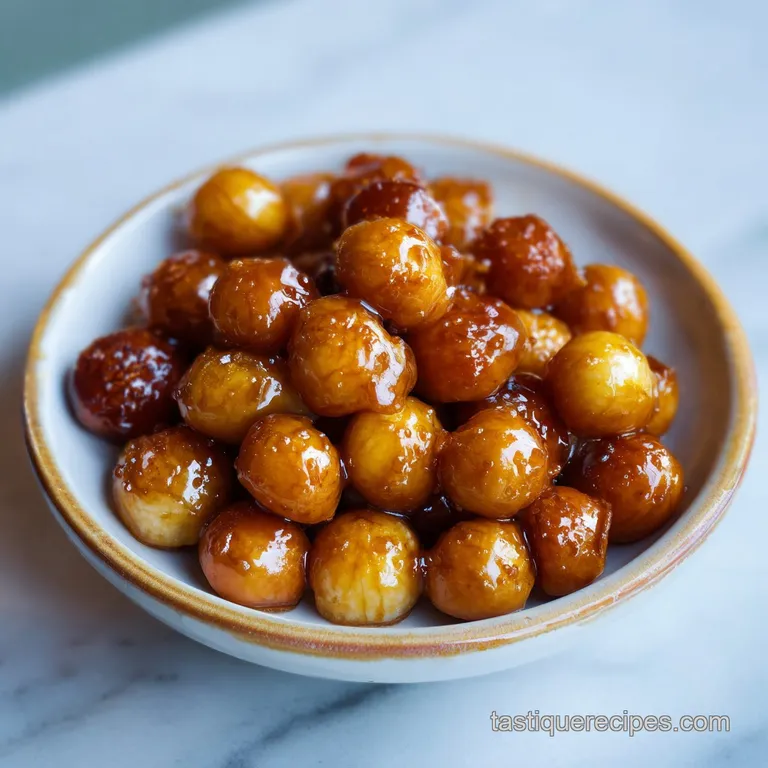
- Time: Active 10 minutes, Passive 45 minutes, Total 55 minutes
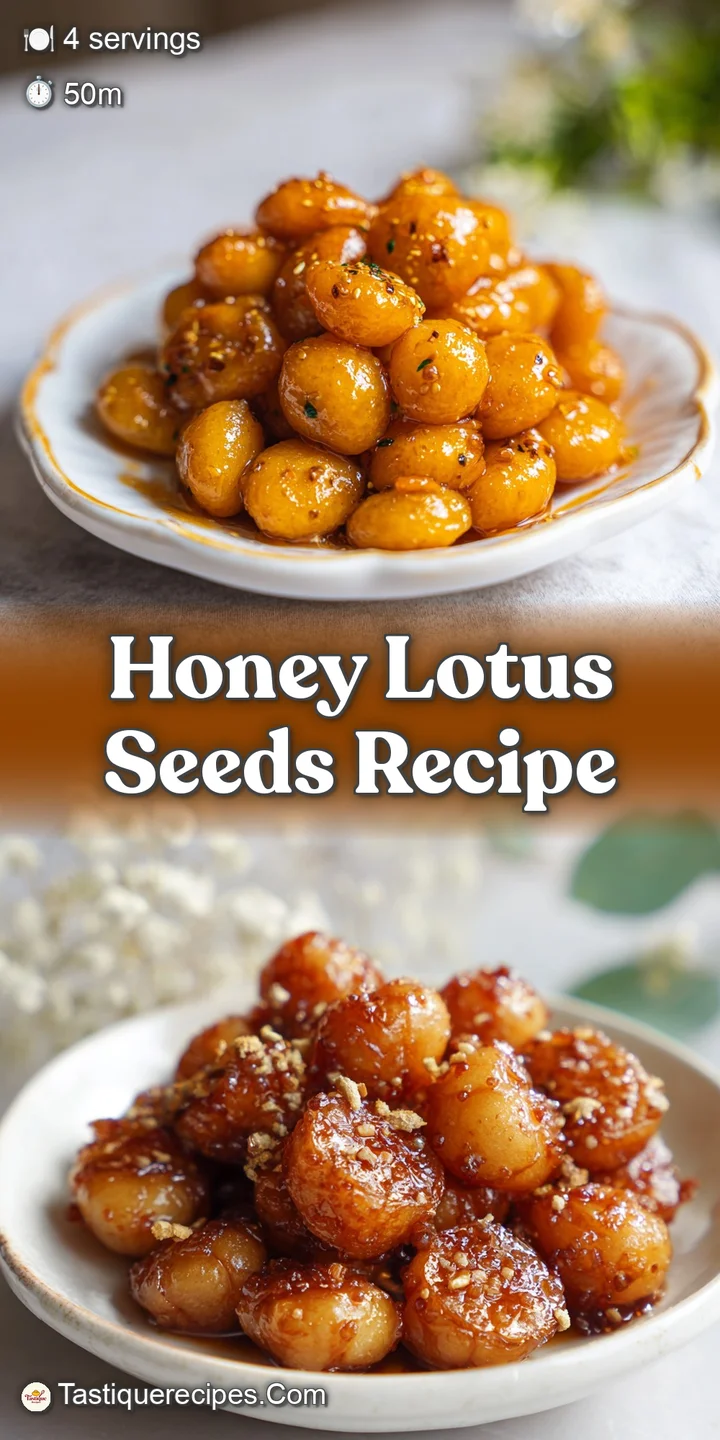
- Flavor/Texture Hook: Velvety, creamy centers with a floral honey glaze
- Perfect for: Afternoon tea snacks or a refined traditional dessert
- Master the Art of Glazing Traditional Honey Lotus Seeds
- The Physics of Achieving a Perfectly Soft Seed Texture
- Component Analysis and the Science of Flavor
- Sourcing the Best Elements for Your Pantry
- Essential Kitchen Tools for Glazing Success
- Step by Step Guide to Velvety Results
- Troubleshooting Your Honey Glazed Treats
- Adjusting the Batch Size for Any Occasion
- Debunking Common Kitchen Tales
- Storage Guidelines and Sustainable Kitchen Habits
- Ideas for Serving and Pairing
- Recipe FAQs
- 📝 Recipe Card
Master the Art of Glazing Traditional Honey Lotus Seeds
The first time I encountered a bowl of these, I was wandering through a bustling morning market where the air smelled of steamed buns and toasted sesame. I saw an elderly woman tossing what looked like pale pearls in a heavy iron pot, the scent of wildflower honey swirling in the humidity.
I took one bite and my brain just stalled it wasn't crunchy like a nut, but instead, it had this incredible, velvety texture that felt almost like a dense chestnut.
We've all had those snacks that look simple but end up being a disaster in the kitchen, right? For the longest time, I thought I could just boil them and call it a day, but I ended up with seeds that were either chalky in the middle or unpleasantly rubbery.
It took me a few burnt pots and a lot of trial and error to realize that making Honey Lotus Seeds is really about the relationship between water tension and sugar absorption.
Today, we're skipping the guesswork and getting straight to the good stuff. This isn't just a snack; it's a piece of culinary history that you can pull off in under an hour. Whether you're looking for a unique topping for your morning oats or a standalone treat to pair with a bitter green tea, this seed and honey combination is going to become your new obsession.
Trust me on this, once you nail the texture, there's no going back to store-bought versions.
The Physics of Achieving a Perfectly Soft Seed Texture
Success with this recipe depends entirely on how we handle the starch inside the seeds. Since we're starting with dried white lotus seeds, we have to navigate the process of rehydration while simultaneously managing the sugar's ability to "toughen" the exterior.
- Osmotic Regulation: Adding honey too early prevents the water from penetrating the seed's core, so we simmer in plain water first to ensure a creamy interior.
- Pectin Breakdown: A tiny pinch of sea salt acts as a catalyst, softening the cell walls of the seeds so they don't stay woody or fibrous.
- Acidity and Clarity: The lemon juice isn't just for flavor; it prevents the honey from crystallizing, ensuring a silky, translucent glaze that clings to every curve.
- Starch Gelatinization: Maintaining a steady simmer allows the internal starches to swell and soften without the seed exploding or disintegrating into mush.
| Premium Ingredient | Budget Alternative | Flavor Impact | Savings |
|---|---|---|---|
| Wildflower Honey | Clover Honey | Slightly less floral, more neutral sweetness | Save $3-5 |
| Filtered Water | Tap Water | Negligible unless your water is very hard | Save $1 |
| Sea Salt | Table Salt | Sharper saltiness; use 25% less | Save $0.50 |
Choosing the right honey makes a massive difference in the final aroma. If you've been practicing your baking with my Matcha Almond Muffins recipe, you already know how floral notes can play off nutty ingredients. For these seeds, a darker honey will give you a deep, almost molasses like finish, while a lighter honey keeps things bright and breezy.
Component Analysis and the Science of Flavor
| Ingredient | Science Role | Pro Secret |
|---|---|---|
| White Lotus Seeds | Primary Starch | Look for "pith free" seeds to avoid a lingering bitter aftertaste in the center. |
| Raw Honey | Humectant & Glaze | Raw honey contains enzymes that add complexity, but don't boil it vigorously or you lose the delicate aromatics. |
| Lemon Juice | PH Balancer | The acid cuts through the heavy sugar, making the seeds taste "lighter" and more refreshing on the palate. |
The quality of your lotus seed and honey choice will dictate the entire experience. I always tell my friends to smell the dried seeds before they start; they should have a faint, clean, earthy scent. If they smell dusty or metallic, give them an extra long rinse.
Sourcing the Best Elements for Your Pantry
To get that restaurant quality finish, you need to be specific about what goes into the pot. We aren't just making a lotus seed and honey recipe; we're crafting a balanced snack.
- 1 cup (150g) dried white lotus seeds: Make sure these are the "split" variety or that the bitter green germ has been removed. Why this? The green core is incredibly bitter and will ruin the sweet honey profile.
- 4 cups filtered water: Use more than you think you need to allow for evaporation. Why this? Filtered water prevents mineral deposits from toughening the seed skins.
- 1 pinch sea salt: Just enough to heighten the sweetness. Why this? Salt balances the honey's sugar and helps soften the seeds.
- 4 tbsp raw wildflower honey: This is the soul of the dish. Why this? Wildflower honey has the floral depth needed to match the earthy seeds.
- 1 tbsp fresh lemon juice: Squeezed fresh, never bottled. Why this? Provides the necessary brightness to "wake up" the flavor.
If you're feeling adventurous after mastering this, you might even consider using some of the leftover honey glaze in a Weeknight Tofu Stir recipe for a sweet and savory twist. It's all about that zero waste mindset!
Essential Kitchen Tools for Glazing Success
You don't need a high tech kitchen to pull this off, but the right pot is non negotiable. I prefer using a heavy bottomed stainless steel saucepan (like a 2 quart All Clad). The thick base ensures the heat is distributed evenly, which is crucial when you're working with honey.
Thin pots create "hot spots" that will scorch your sugars before the seeds are even close to being done.
A fine mesh strainer is also a lifesaver here. You'll want to rinse the dried seeds thoroughly to remove any surface starch that might make your simmering liquid cloudy. Finally, a silicone spatula is much better than a metal spoon for the final glazing step.
It allows you to gently fold the seeds in the honey without breaking their delicate, softened skins.
step-by-step Guide to Velvety Results
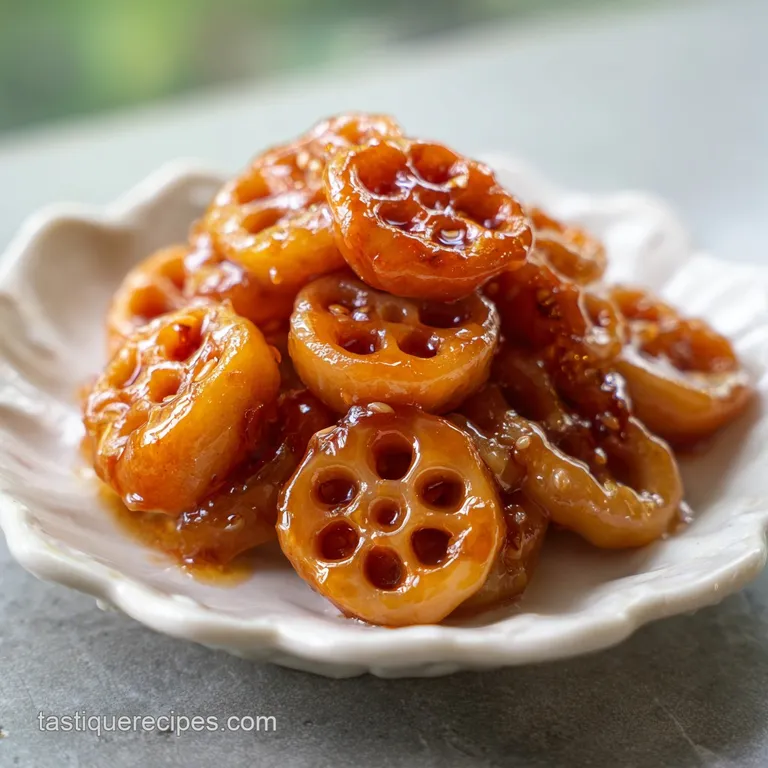
Preparing the Seeds
Rinse 1 cup (150g) dried white lotus seeds under cold running water for 2 minutes. Note: This removes surface dust and any stray starch particles.
Softening the Core
Place the seeds in a heavy saucepan with 4 cups filtered water and a pinch of sea salt. Bring to a boil, then immediately drop to a low simmer.
Simmering for Texture
Cook the seeds for 40 minutes until they are tender enough to be easily squished between two fingers. Note: If the water level drops too low, add half a cup of hot water to keep them submerged.
Draining the Liquid
Carefully drain the seeds through a colander, shaking off as much excess water as possible. Return the warm seeds to the saucepan (off the heat).
Infusing the Honey Glaze
Add 4 tbsp raw wildflower honey and 1 tbsp fresh lemon juice to the warm seeds. Stir gently with a spatula until the seeds are coated in a glossy, golden sheen.
The Final Soak
Let the seeds sit in the honey mixture for 10 minutes. Wait for the aroma of floral honey to intensify as the residual heat pulls the syrup into the centers.
Cooling for Consistency
Spread the seeds out on a parchment lined plate. They will go from "sticky" to "tacky" as they cool, which is the perfect snacking texture.
Testing for Doneness
Bite into one seed. It should shatter slightly on the outside and be completely velvety inside, with no hard "heart" remaining.
Troubleshooting Your Honey Glazed Treats
Why Your Seeds Stayed Hard
If you've simmered for 45 minutes and they still feel like gravel, the most likely culprit is old seeds. Dried goods don't last forever! Also, if you added the honey at the beginning, you've essentially "tanned" the outside of the seed, preventing the water from getting in.
Managing the Glaze Consistency
Sometimes the honey can feel too runny. This usually happens if the seeds weren't drained well enough. If this happens, put the pot back on the lowest possible heat for 2 minutes just enough to evaporate that extra moisture, but be careful not to boil the honey.
| Problem | Root Cause | Solution |
|---|---|---|
| Bitter Aftertaste | Green germ not removed | Check seeds before boiling; remove any green bits with a toothpick. |
| Seeds Disintegrating | Boiling too vigorously | Keep the water at a gentle "lazy" simmer, not a rolling boil. |
| Glaze is Cloudy | Surface starch remained | Ensure a thorough 2 minute rinse before starting the cook. |
Common Mistakes Checklist
- ✓ Never add honey to the boiling water; it toughens the seeds and kills the flavor.
- ✓ Don't skip the lemon juice it's the secret to that professional, non cloying finish.
- ✓ Always use filtered water if you live in a hard water area to ensure maximum softness.
- ✓ Resist the urge to stir constantly; you’ll break the seeds and create a mushy mess.
- ✓ Let the seeds cool completely before storing, or they will stick together in one giant clump.
Adjusting the Batch Size for Any Occasion
When you're scaling this recipe down for a solo snack, it's pretty straightforward. Just halve everything. However, keep an eye on the water level. Because the surface area of your pot might be large, the water will evaporate faster. Use a smaller pot if possible to keep the seeds submerged.
Scaling up for a party (like a 4x batch) requires a bit more care. You don't need to quadruple the salt just 1.5x to 2x the amount is usually enough to avoid over seasoning. When glazing a large batch, work in a wide skillet instead of a deep pot.
This gives the honey more surface area to coat the seeds evenly without you having to stir aggressively.
| Method | Time | Texture | Best For |
|---|---|---|---|
| Stovetop | 45-55 mins | Ultra creamy and moist | Traditional snacking and toppings |
| Oven (Roasted) | 20 mins | Crunchy and brittle | A "nut like" snack with more bite |
Debunking Common Kitchen Tales
One myth I hear all the time is that you must soak lotus seeds overnight. Honestly, with modern dried seeds, a 45 minute simmer is usually plenty. In fact, over soaking can sometimes lead to the seeds becoming waterlogged and losing that distinct nutty flavor.
Another one is that "honey is just sugar." That's just wrong! Honey is a complex ingredient with its own acidity and moisture retaining properties. If you swap it for plain white sugar, you'll end up with a brittle, hard candy coating rather than the supple, chewy glaze we're looking for.
The honey lotus seeds benefits also include the natural enzymes found in the honey, which you just don't get with refined syrups.
Storage Guidelines and Sustainable Kitchen Habits
You can keep these Honey Lotus Seeds in an airtight container in the fridge for up to 5 days. I actually think they taste better on day two once the honey has really settled into the pores of the seed.
If they get a bit too firm in the fridge, just leave them on the counter for 10 minutes to take the chill off.
Don't even think about throwing away the simmering water! That liquid is full of light lotus starch and nutrients. I use it as a base for a soothing lotus seed and honey tea. Just strain it, add a little extra honey and a slice of ginger, and you have a zero waste drink that’s incredibly calming.
If you have leftover seeds that you won't finish, you can actually grind them up into a lotus seed powder recipe for adding to smoothies or thickening puddings.
Ideas for Serving and Pairing
These seeds are a fantastic companion to a bowl of Sampaguita Ice Cream recipe, where the floral notes of the jasmine and the wildflower honey create a spectacular bouquet of flavors. The creamy texture of the ice cream against the soft chew of the seeds is pure luxury.
- For a savory sweet kick
- Add a tiny dusting of five spice powder to the honey glaze.
- For extra crunch
- Toss the glazed seeds in toasted sesame seeds while they are still tacky.
- For a citrus explosion
- Use orange blossom honey and add some fine orange zest at the end.
Whatever way you choose to serve them, these seeds are a testament to the fact that the best things in the kitchen often come from the most humble ingredients. Let's crack on and get a pot simmering your kitchen is about to smell incredible!
Recipe FAQs
What do lotus seeds do to your body?
They offer nutritional benefits like being rich in fiber and minerals. Traditionally, they are consumed for their calming effects and to support digestive health due to their fiber content.
What is the best way to eat honey lotus seeds?
Serve them slightly warm or at room temperature. They shine best as an afternoon tea snack, offering a velvety texture that contrasts beautifully with a slightly bitter beverage.
How many lotus seeds can I eat a day?
Listen to your body, but generally moderation is key. Because they are dense in carbohydrates and fiber, consuming very large quantities might cause digestive fullness, so a small handful is usually sufficient.
Do honey lotus seeds increase sugar levels significantly?
Yes, they contain natural sugars from the honey. While the seeds themselves are starchy, the added honey content means they should be consumed mindfully if you are actively monitoring your glycemic intake.
Is it true I must soak dried lotus seeds overnight before cooking?
No, this is a common misconception. A thorough 45-minute simmer in water is usually enough to rehydrate and soften modern dried lotus seeds sufficiently for the honey infusion.
How to achieve the velvety texture in the center of the seeds?
Simmer the seeds in plain water for 40 minutes first. Adding the honey too early prevents the water from fully penetrating the core, resulting in a tough, undercooked center.
How long can I store cooked honey lotus seeds?
Store them in an airtight container in the refrigerator for up to 5 days. They often develop a deeper flavor profile on the second day, but let them sit at room temperature for ten minutes before eating.
Honey Lotus Seeds Recipe
Ingredients:
Instructions:
Nutrition Facts:
| Calories | 189 kcal |
|---|---|
| Protein | 5.8 g |
| Fat | 0.7 g |
| Carbs | 41.7 g |
| Fiber | 0.4 g |
| Sugar | 17.4 g |
| Sodium | 98 mg |
