Gochujang Caramel Cookies: Sweet and Spicy
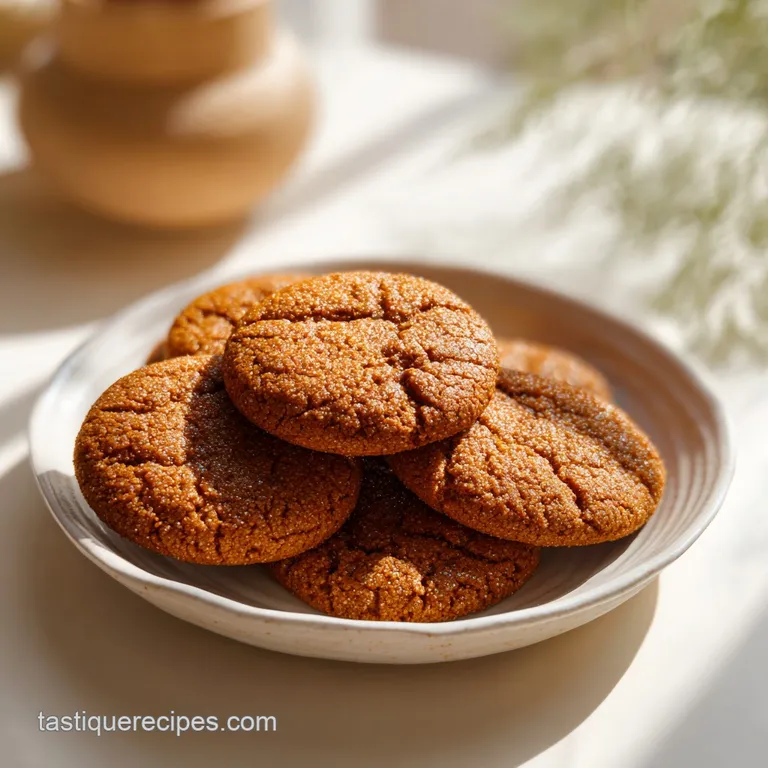
- Time: Active 20 minutes, Passive 12 minutes, Total 32 minutes
- Flavor/Texture Hook: Chewy, buttery, and subtly spicy with a shattering sugar crust
- Perfect for: Adventurous bakers or a unique holiday cookie exchange
- Master the Spicy Gochujang Caramel Cookies
- The Science Behind the Heat
- Deep Dive into the Components
- Essential Components for Rich Texture
- Tools for a Perfect Batch
- Step-by-Step Marble Mixing Guide
- Fixing Common Cookie Blunders
- Ways to Adjust the Batch
- Debunking Spicy Dessert Myths
- Keeping Your Cookies Fresh
- Best Ways to Serve
- Recipe FAQs
- 📝 Recipe Card
Master the Spicy Gochujang Caramel Cookies
The first time I stood over a saucepan melting gochujang with butter, I honestly thought I had lost my mind. That pungent, fermented aroma of the chili paste hitting the heat is intense it's savory, sharp, and definitely doesn't scream "dessert." But then, as the 1/4 cup (50g) of light brown sugar dissolved into the mix, the smell shifted.
It became something earthy, like toasted marshmallows with a dark, smoky edge. That was the moment I knew this Gochujang Caramel Cookies recipe was going to be something special.
When you pull these out of the oven, the kitchen doesn't smell like a bakery; it smells like a high end confectionery shop in Seoul. There is this complex, caramel heavy scent that tickles the back of your throat with just a hint of spice.
It's the kind of smell that makes everyone wander into the kitchen asking, "What on earth are you making?" Trust me, the combination is brilliant once you get the balance right.
We've all had those cookies that are just sweet on sweet. These are different. They have a sophisticated profile that bridges the gap between traditional techniques and modern flair.
You get the familiar comfort of a chewy sugar cookie, but the gochujang adds a "what is that?" factor that keeps people reaching for seconds. Let's crack on and get into how this actually works.
The Science Behind the Heat
Understanding how these flavors interact helps you nail the texture every single time. It's not just about mixing spicy stuff into sugar; it's about chemistry.
- Maillard Reaction Acceleration: The amino acids in the fermented gochujang react with the sugars at high heat, creating a deeper, more complex browning than sugar alone could ever manage.
- Fat Soluble Capsaicin: By melting the gochujang into the 2 tbsp (28g) of butter first, we're ensuring the heat is distributed evenly throughout the fat, preventing "hot spots" of spice in the dough.
- Starch Gelatinization Control: The inclusion of cream of tartar lowers the pH slightly, which inhibits the flour's proteins from bonding too tightly, resulting in a tender, velvety bite rather than a tough one.
1. The Maillard Interaction
When the cookies hit the 180°C heat, the sugars and proteins in the chili paste begin to transform. This isn't just browning; it's a structural change that develops those "burnt sugar" notes that pair so well with the spice.
2. Moisture Control with "Pseudo Caramel"
We aren't making a true water based caramel here. By using a "pseudo caramel" of butter and brown sugar, we keep the moisture content low. This prevents the cookies from becoming cakey and ensures they stay dense and fudgy.
3. pH Balance for the Crinkle
The 1/2 tsp of cream of tartar is the unsung hero. It provides that classic crinkly top by reacting with the 1 tsp of baking soda. This creates carbon dioxide bubbles that expand and then collapse, leaving behind those beautiful fissures.
| Cookie Style | Texture | Heat Level | Best For |
|---|---|---|---|
| Fudgy Swirl | Soft and dense | Moderate kick | Immediate eating |
| Crispy Edge | Shattering rim | Subtle warmth | Dipping in milk |
| Classic Sugar | Light and airy | None | Traditionalists |
If you enjoy playing with deep, fermented flavors in your sweets, you might also find the technique in my Miso Caramel Sauce recipe quite interesting. It uses a similar logic of balancing salt and umami against heavy sweetness.
Deep Dive into the Components
Selecting the right ingredients is vital because gochujang varies wildly in saltiness and heat between brands. I usually go for a over medium heat paste in a red tub.
| Ingredient | Science Role | Pro Secret |
|---|---|---|
| Gochujang | Umami & Color | Use a smooth paste, not the extra chunky variety for better swirling. |
| Unsalted Butter | Fat & Structure | Use high-quality European style butter for a lower water content and better "shatter." |
| Light Brown Sugar | Moisture & Chew | Always pack it tight; the molasses is what gives that soft, bendy center. |
| Egg Yolk | Emulsifier | Adding an extra yolk provides fat and lecithin for a richer, more velvety mouthfeel. |
The butter needs to be properly softened not greasy, but cool to the touch and easy to indent with a finger. If it's too warm, your cookies will spread into one giant pancake on the tray, and nobody wants that.
Essential Components for Rich Texture
Here is everything you need to gather. I've included some swaps in case your pantry is looking a bit bare, but try to stick to the original for the most authentic Asian inspired dessert experience.
- 2 tbsp Gochujang: Why this? Provides the signature umami heat and vibrant red orange marbling.
- Substitute: Sriracha mixed with a bit of miso (Note: thinner texture).
- 1 cup (225g) Unsalted butter, softened: Why this? The foundation of the cookie's structure and flavor.
- Substitute: Salted butter (but omit the 1/2 tsp kosher salt).
- 1/4 cup (50g) Light brown sugar (for swirl): Why this? Creates the sticky, caramel like ribbons.
- Substitute: Dark brown sugar for a more intense molasses flavor.
- 1 cup (200g) Granulated sugar: Why this? Provides the crisp edges and sweetness.
- Substitute: Caster sugar for a finer crumb.
- 1/2 cup (100g) Light brown sugar (for dough): Why this? Keeps the center chewy and moist.
- Substitute: Coconut sugar (Note: will result in a drier cookie).
- 1 Large egg + 1 yolk: Why this? The extra yolk adds a luxurious, fudgy richness.
- Substitute: 1.5 large eggs (whisk and measure half).
- 2.5 cups (312g) All purpose flour: Why this? The standard for a reliable, mid range protein structure.
- Substitute: 1:1 gluten-free baking flour (Note: may spread more).
- Leavening (1 tsp Soda, 1/2 tsp Tartar): Why this? Gives the "lift and fall" that creates the crinkle.
- Substitute: 2 tsp baking powder (but you'll lose the crinkle).
Chef's Note: If you want to dive deeper into the world of umami rich sweets, this dough is quite similar in base structure to my Miso Chocolate Chip recipe, which is another total crowd pleaser.
Tools for a Perfect Batch
You don't need a professional kitchen, but a few specific items make this easy gochujang caramel cookies recipe a lot more manageable.
- Stand Mixer: Such as a KitchenAid, for getting that butter and sugar truly aerated.
- Small Saucepan: For melting the gochujang swirl components.
- Digital Scale: Essential for the 312g of flour. Measuring by cups is too risky for baking.
- Cookie Scoop: A 2 tablespoon size ensures even baking across the whole tray.
- Silicone Mats or Parchment: Prevents the sticky caramel swirl from bonding to your pan.
step-by-step Marble Mixing Guide
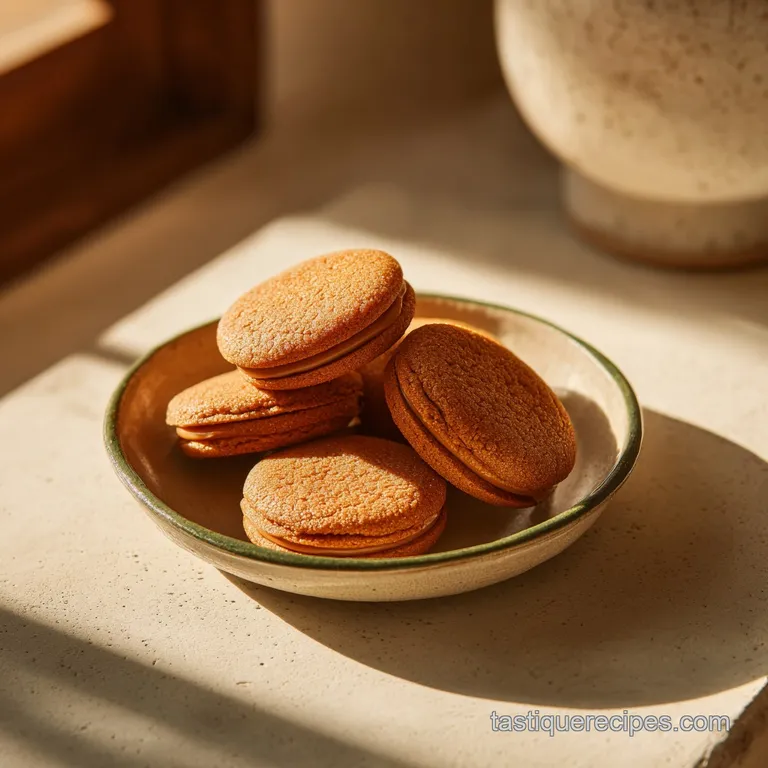
Let's get cooking. Pay attention to the sensory cues here the smell and the look of the dough are your best guides.
1. Creating the Umami Base
In a small saucepan over low heat, combine the 2 tbsp gochujang, 2 tbsp (28g) melted butter, and 1/4 cup (50g) light brown sugar. Stir constantly until the sugar dissolves and the mixture looks like a glossy, red syrup. It should smell intensely of toasted chili.
Set this aside to cool; if it's too hot, it will melt your dough later.
2. The High Aeration Creaming Phase
In your stand mixer, beat the 1 cup (225g) softened butter with the granulated sugar and 1/2 cup (100g) light brown sugar. Do this for at least 3-4 minutes until the mixture is pale, fluffy, and looks like whipped clouds. Don't rush this! This air is what makes the cookies light.
3. The Dry Integration
Whisk your flour, baking soda, cream of tartar, and salt in a separate bowl. Add the egg, egg yolk, and vanilla to the butter mixture, then slowly tip in the dry ingredients. Mix until just a few streaks of flour remain. Overmixing here will lead to a tough cookie, and we want velvety.
4. The Marble Swirl (Critical Step)
Drizzle that cooled gochujang mixture over the dough. Use a spatula to fold it in only 2-3 times. You want big, bold ribbons of red, not a solid orange dough. This is the secret to that beautiful marbled look.
5. The Heat Transformation
Scoop the dough into balls and place them on a lined tray. Bake at 180°C for 12 minutes. You'll know they are done when the edges are set and golden, but the centers still look slightly soft and underbaked.
| Phase | Time | Visual Cue | Aroma |
|---|---|---|---|
| Prep Swirl | 5 mins | Glossy and thick | Smoky, sweet chili |
| Creaming | 4 mins | Pale and voluminous | Sweet cream |
| Baking | 12 mins | Crinkled and golden | Toasted caramel |
Chef's Tip: Freeze your butter for 10 minutes before cubing and softening. This keeps the fat solid enough during the creaming process to hold more air bubbles, leading to a better rise.
Fixing Common Cookie Blunders
Even the best of us hit a snag sometimes. If your cookies aren't looking quite right, one of these is likely the culprit.
1. The "Muddy" Cookie
This happens when you over incorporate the gochujang syrup. If you stir too much, the dough turns a uniform orange instead of having those striking red veins. Next time, literally just "cut" through the dough with your spatula twice. Less is more.
2. Excessive Spreading
If your cookies look like flat discs, your butter was likely too warm when you started, or your oven isn't hot enough. It could also be that you didn't measure the flour by weight. 312g is the magic number.
| Problem | Root Cause | Solution |
|---|---|---|
| Flat Cookies | Butter too soft or warm | Chill the dough balls for 30 mins before baking. |
| Tough Texture | Overmixed flour | Stop mixing as soon as no white flour is visible. |
| No Crinkles | Old baking soda | Check expiration; soda loses potency after 6 months. |
Common Mistakes Checklist
- ✓ Ensure the gochujang swirl is cooled to room temperature before adding to the dough.
- ✓ Use a room temperature egg and yolk to prevent the butter from curdling.
- ✓ Don't skip the cream of tartar; it's essential for the specific "chew" of this recipe.
- ✓ Always line your baking sheet; the sugar in the gochujang can stick and burn otherwise.
- ✓ Let the cookies rest on the hot pan for 5 minutes after baking to firm up.
Ways to Adjust the Batch
Whether you're baking for a crowd or just yourself, scaling this recipe is straightforward if you follow a few rules.
- Scaling DOWN (1/2 batch): Use 1 whole egg and skip the extra yolk. Reduce all other ingredients by half. Your bake time will stay roughly the same, but keep an eye on them at the 10 minute mark.
- Scaling UP (2x batch): Double everything but the salt and spices. Use 1 tsp of kosher salt and 1.5 tsp of baking soda to avoid a chemical aftertaste. Work in batches to ensure your mixer isn't overloaded.
- Baking for Altitude: If you're high up, increase the flour by 2 tbsp and reduce the granulated sugar by 1 tbsp to prevent the cookies from collapsing.
If you are looking for more unique cookie variations, you might enjoy checking out the Buckwheat Chocolate Chip recipe for a nutty, gluten aware alternative.
Debunking Spicy Dessert Myths
There are a lot of misconceptions about using chili in sweets. Let's clear some up.
- Myth 1: It will be too hot for kids. Truth: The capsaicin in gochujang is significantly mellowed by the high fat content in the butter and the massive amount of sugar. It creates warmth, not a "mouth on fire" sensation.
- Myth 2: You can just use chili flakes. Truth: Gochujang is fermented, which provides a depth of flavor (umami) that dried flakes simply cannot replicate. Flakes just add heat; gochujang adds soul.
- Myth 3: The cookies will taste like onions or garlic. Truth: While some gochujang has savory additives, the sweet to savory ratio in this dough is so lopsided that those notes vanish, leaving only a complex, fruity richness behind.
Keeping Your Cookies Fresh
You’ve put in the work, so don't let them go stale! These actually develop a deeper flavor by the second day.
- Storage: Keep them in an airtight container at room temperature for up to 5 days. Stick a piece of white bread in the container to keep them soft the bread will get hard as it gives up its moisture to the cookies.
- Freezing: You can freeze the baked cookies for up to 3 months. Or, better yet, freeze the raw dough balls. When the craving hits, bake them straight from the freezer, adding 2 minutes to the total time.
- Zero Waste Tip: If you have leftover gochujang after this recipe, don't let it dry out! You can use it to make a quick sauce for a Rose Tteokbokki Recipe, which uses that same creamy spicy logic in a savory dish.
Best Ways to Serve
These cookies are a statement piece on their own, but a few pairings can really make them shine.
- With Cold Milk: The classic. The dairy helps coat the tongue and highlights the creamy butter notes against the spice.
- Ice Cream Sandwich: Sandwich a scoop of toasted coconut or vanilla bean ice cream between two cookies. The cold temp against the warm spice is incredible.
- Tea Pairing: Serve with a strong roasted green tea (Hojicha). The smoky notes of the tea complement the fermented depth of the gochujang perfectly.
- Salt it Up: Don't forget that 1 tsp of flaky sea salt for finishing. It's not just for looks; it acts as a flavor bridge that makes the sugar taste sweeter and the chili taste more vibrant.
Right then, you're all set. Grab your tub of red paste and get to work. This Gochujang Caramel Cookies recipe might just become the most requested thing in your kitchen!
Recipe FAQs
What does a gochujang cookie taste like?
It tastes complex, balancing sweet, savory, and mild heat. The dominant flavor is rich, toasted caramel and butter, followed by an earthy depth from the fermented chili paste, offering a pleasant warmth on the finish.
Are gochujang cookies a thing?
Yes, they are an emerging, sophisticated dessert trend. This fusion pastry takes the familiar chewy texture of a classic cookie and introduces the savory umami and mild spice found in Korean cooking.
What is Taylor Swift's cookie recipe?
No, this is not Taylor Swift's recipe. Her famous recipe involves browned butter and chai spices, whereas this recipe focuses on the fermented, savory sweet complexity of gochujang.
What's the secret to chewy caramel cookies?
Use more brown sugar than white sugar, and include an extra egg yolk. The molasses in brown sugar introduces moisture, and the extra fat from the yolk inhibits gluten formation, ensuring a dense, soft center.
How do I ensure my cookies have visible red and tan marbling?
Fold the gochujang mixture into the dough only 2 or 3 times. You must stop mixing right when the last streaks of white flour disappear; overmixing will blend the colors into a uniform orange dough.
Why do my cookies spread too much in the oven?
Your butter was likely too warm, or your oven temperature is inaccurate. Ensure butter is softened, not melted, and chill the scooped dough balls for 30 minutes before baking to firm up the fats.
Can I use Sriracha instead of gochujang for a similar flavor?
No, Sriracha will not provide the correct flavor depth. While Sriracha provides heat, it lacks the crucial fermented umami and thickness of gochujang; you’ll miss the savory backbone this recipe needs.
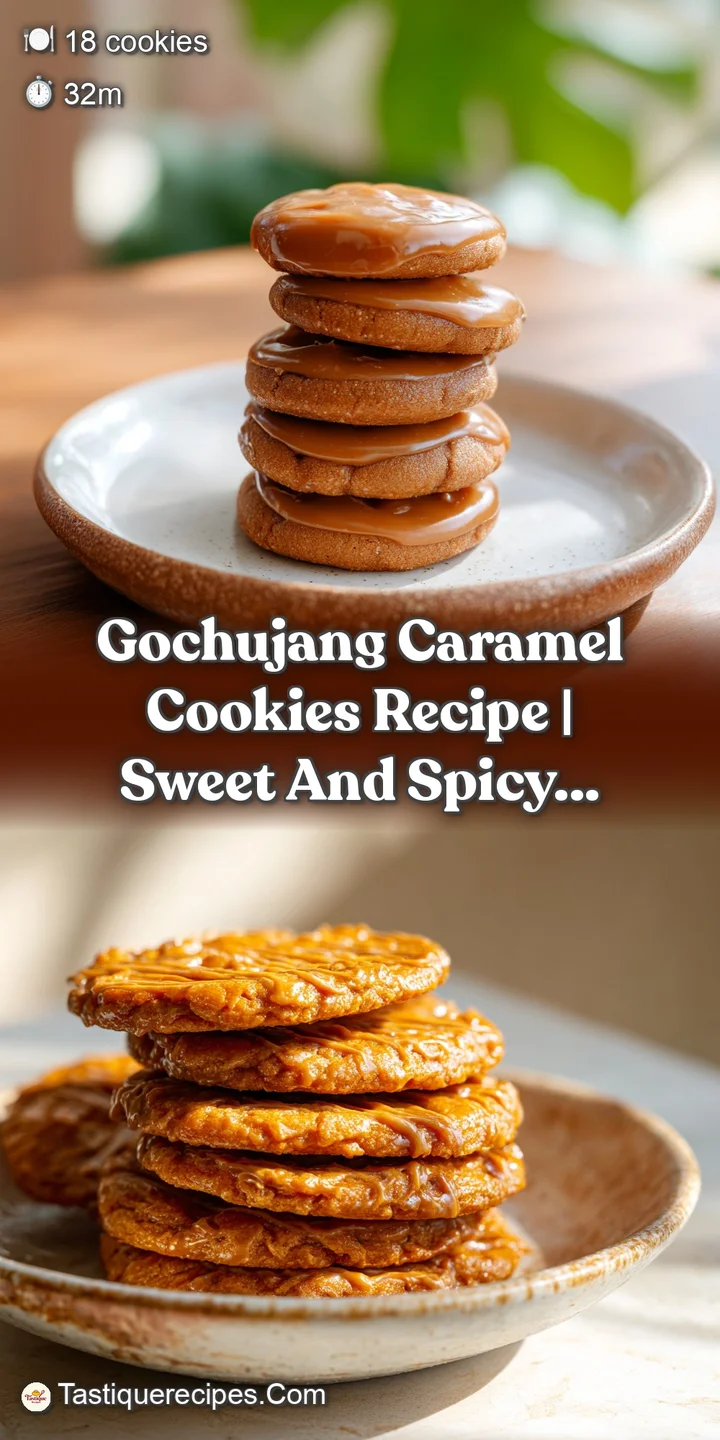
Gochujang Caramel Cookies Recipe
Ingredients:
Instructions:
Nutrition Facts:
| Calories | 249 kcal |
|---|---|
| Protein | 2.6 g |
| Fat | 12.1 g |
| Carbs | 33.8 g |
| Fiber | 0.5 g |
| Sugar | 19.6 g |
| Sodium | 142 mg |
