Spelt Flour Pancakes: Nutty and Tender
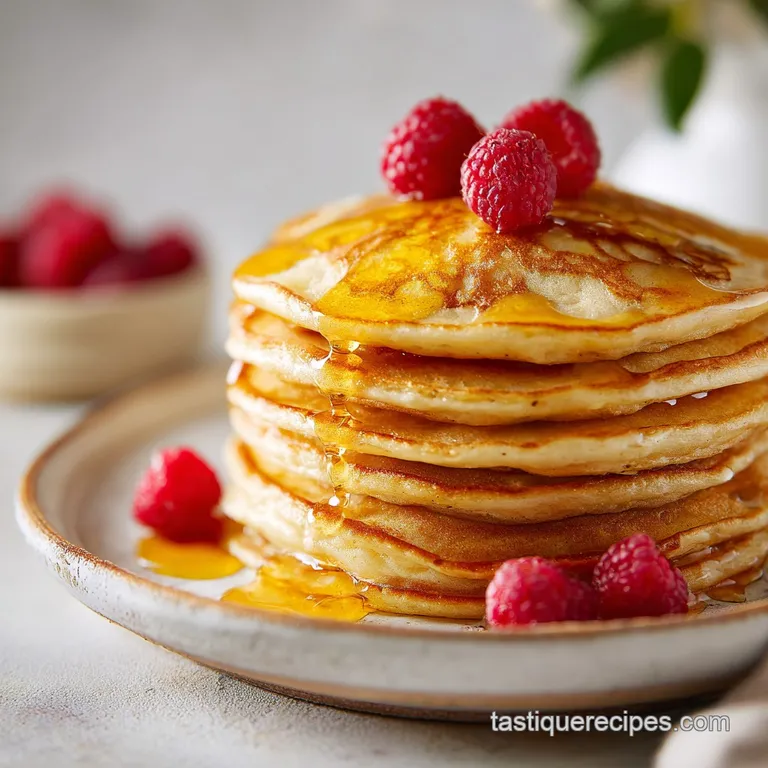
- Time: Active 10 minutes, Passive 15 minutes, Total 25 minutes
- Flavor/Texture Hook: Nutty, toasted aroma with a velvety, melt in-the mouth center and golden, lacey edges
- Perfect for: Slow weekend mornings or nutritious meal prep for busy school days
- Simple and Hearty Spelt Flour Pancakes
- The Rustic Charm of Spelt
- Key Facts for Success
- Elements for Better Batter
- Essential Tools for the Griddle
- Crafting the Perfect Golden Stack
- Fixing Common Pancake Flaws
- Customizing for Every Lifestyle
- Batch Cooking and Storage
- Toppings for the Best Experience
- Debunking Grain Myths
- Recipe FAQs
- 📝 Recipe Card
Simple and Hearty Spelt Flour Pancakes
Picture this: it is a slow Saturday morning, and the sun is just hitting the kitchen counter. You drop a knob of butter onto a hot cast iron surface, and it lets out a sharp, welcoming sizzle.
As you pour the first ladle of batter, the air fills with a deep, toasted aroma that smells like a mix between fresh bread and roasted nuts. This is not your standard bland pancake mix, it is something much more soulful.
I remember the first time I swapped my usual all purpose flour for a bag of spelt. Honestly, I was worried they would turn out like dense, dry hockey pucks. But as soon as I took that first bite, I was hooked.
The texture was surprisingly velvety, almost like a cloud, but with a complex flavor that did not need a gallon of syrup to make it interesting. It felt like rustic baking at its best, simple but deeply satisfying.
We are making these Spelt Flour Pancakes together today because they are the ultimate "secret weapon" breakfast. They feel indulgent because of their rich flavor, but they leave you feeling fueled rather than weighed down.
Whether you are a heritage grains enthusiast or just someone who wants a better breakfast, this recipe is the one you will keep coming back to.
The Rustic Charm of Spelt
The secret to these heritage grain cakes lies in the specific protein structure of the flour. Spelt is an ancient grain that has not been hybridized as much as modern wheat, meaning its gluten is much more fragile and water soluble.
When you mix the batter, you don't get that tough, rubbery elasticity that often happens with standard white flour. Instead, you get a tender, delicate structure that practically dissolves.
- Gluten Fragility: Spelt gluten breaks down easily, which prevents the "rubbery" texture common in overmixed pancakes.
- Starch Gelatinization: The starches in spelt absorb liquid quickly, creating a moist interior that resists drying out on the griddle.
- Maillard Reaction: Natural sugars in spelt caramelize at a slightly lower temperature, giving you that mahogany crust without burning the middle.
- Lactic Acid Activation: The buttermilk acidity reacts with the baking soda to create instant carbon dioxide bubbles for a massive rise.
| Method | Time | Texture | Best For |
|---|---|---|---|
| Cast Iron Skillet | 15 mins | Crispy, buttery edges | Achieving a rustic, diner style crust |
| Non Stick Griddle | 12 mins | Even, pale golden brown | Making large batches for the family |
| Electric Skillet | 15 mins | Consistent, uniform rise | Beginners who want precise heat control |
If you are looking for a different spin on the pancake game, you might want to try this Sourdough Scallion Pancakes recipe for a savory twist. While we are focusing on sweet breakfast vibes here, the science of the pan remains largely the same.
Key Facts for Success
The Chemistry of the Rise
When we talk about healthy spelt flour pancakes, we are balancing density and air. The combination of baking powder and baking soda is vital here. The powder provides the initial lift, while the soda works with the buttermilk to neutralize acidity and encourage browning.
This double leavening ensures that even with a heavier grain, the center remains airy.
The Role of Fat
Using melted butter rather than oil adds a layer of flavor that mimics shortbread. The fats coat the flour particles, further inhibiting gluten development. This is why the texture feels so silky.
If you skip the fat or use a low-fat substitute, you'll lose that "shatter" on the edges where the batter meets the hot pan.
| Component | Science Role | Pro Secret |
|---|---|---|
| Spelt Flour | Structural Base | Use "light" spelt for a fluffier result or "whole" for more nuttiness |
| Buttermilk | Acidic Catalyst | Room temp buttermilk prevents the melted butter from clumping |
| Egg | Protein Binder | Whisking the egg until frothy before adding creates extra micro bubbles |
Choosing the right flour is just as important here as it is when making a Kamut Flour Bread recipe. Both grains offer a depth of flavor that modern wheat simply cannot touch, but they require a gentle hand to keep the texture light.
Elements for Better Batter
To get these easy spelt flour pancakes onto your table, you will need a few pantry staples. I always recommend weighing your flour if you can, as spelt can be packed down easily into measuring cups, leading to dry cakes.
- 2 cups spelt flour (240g): Why this? The foundation that provides a sweet, nutty flavor and a tender crumb.
- 2 tsp baking powder: Why this? Provides the primary lift for a high, fluffy stack.
- 0.5 tsp baking soda: Why this? Reacts with buttermilk for browning and extra fluffiness.
- 0.5 tsp sea salt: Why this? Enhances the natural sweetness of the grain.
- 0.5 tsp ground cinnamon: Why this? Adds warmth without overpowering the spelt's flavor.
- 1.5 cups buttermilk (360ml): Why this? The acid tenderizes the grain and powers the rise.
- 1 large egg, room temperature: Why this? Acts as the glue that holds the bubbles together.
- 3 tbsp unsalted butter, melted (42g): Why this? Creates those crispy, lacey edges we all love.
- 2 tbsp maple syrup (30ml): Why this? Liquid sweetener keeps the batter moist.
- 1 tsp vanilla extract: Why this? Rounds out the flavors with a floral note.
| Original Ingredient | Substitute | Why It Works |
|---|---|---|
| Buttermilk | Greek Yogurt + Milk | Similar acidity. Note: Use a 1:1 ratio for a thicker batter |
| Unsalted Butter | Coconut Oil | Same fat ratio. Note: Adds a slight tropical scent to the finish |
| Maple Syrup | Honey | Similar viscosity. Note: Honey browns faster, so lower the heat |
Essential Tools for the Griddle
You do not need a kitchen full of gadgets for this spelt flour pancakes recipe, but a few specific items make the process much smoother. I prefer using a heavy bottomed pan because it holds heat better, which is crucial for a consistent cook.
- Large mixing bowl: Give yourself space to stir without splashing.
- Whisk: Essential for aerating the dry ingredients.
- Cast iron skillet or flat griddle: This provides the best heat distribution.
- Wide spatula: Look for a thin, flexible one so you can get under the pancake without squashing it.
- 1/4 cup measure: This ensures every pancake is the same size, so they all cook at the same rate.
Chef Tip: Freeze your butter for 10 minutes before melting it. It sounds counterintuitive, but cold stored butter that is quickly melted and added to room temp ingredients creates tiny steam pockets for a better rise.
Crafting the Perfect Golden Stack
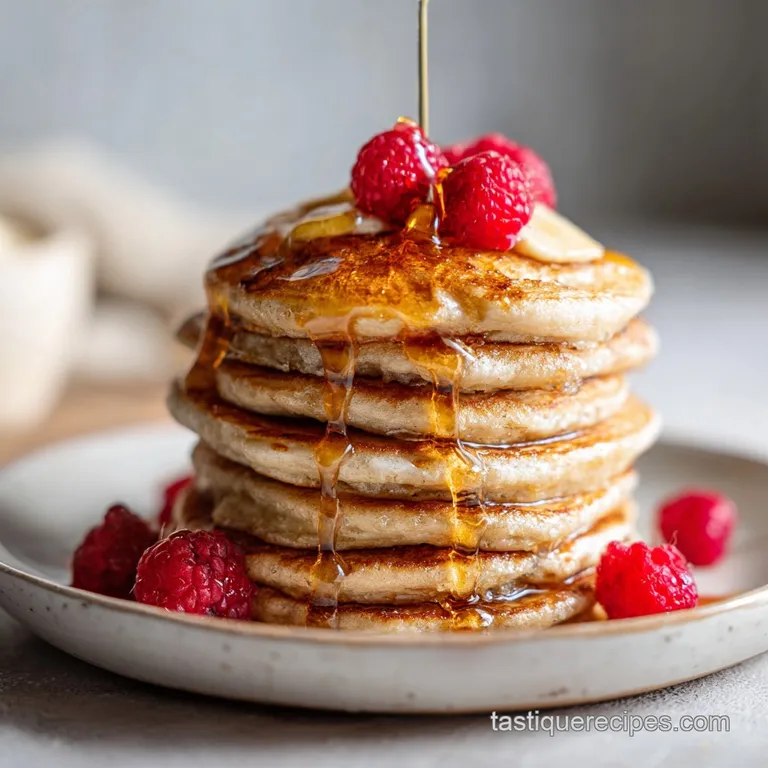
- Whisk the dry base. Combine the spelt flour, baking powder, baking soda, salt, and cinnamon in your large bowl. Note: This ensures the leavening agents are evenly distributed so you don't get "soda spots".
- Mix the wet emulsion. In a separate jug, whisk the buttermilk, egg, melted butter, maple syrup, and vanilla. Note: Make sure the egg is fully incorporated into the buttermilk before adding the butter.
- Combine gently. Pour the wet ingredients into the dry. Stir with a spatula until just combined and small lumps remain. Note: Overmixing will lead to a tough, gummy texture.
- Rest the batter. Let the mixture sit for 10 minutes. until you see small bubbles forming on the surface.
- Preheat the surface. Heat your skillet over medium low heat. Add a tiny bit of butter until it sizzles and stops foaming.
- Portion the batter. Scoop 1/4 cup of batter onto the pan. until a round shape forms naturally.
- Watch for bubbles. Cook for about 2-3 minutes. until the edges look set and bubbles pop without filling back in.
- The first flip. Slide the spatula under and flip in one quick motion. until the pancake lands softly on its other side.
- Finish the cook. Bake the second side for 1-2 minutes. until the center feels springy when pressed.
- Keep them warm. Place finished pancakes on a wire rack in a low oven (200°F/90°C). Note: Avoid stacking them directly on a plate as the steam will make the bottom ones soggy.
Fixing Common Pancake Flaws
One mistake I once made was cranking the heat too high. Spelt flour pancakes homemade style need a bit of patience. Because the flour is denser, it takes an extra minute for the heat to penetrate the center without burning the skin.
My Pancakes Are Gummy in the Middle
This usually happens if the heat is too high or if the batter was overmixed. If the outside looks done but the inside is liquid, your pan is too hot. Lower the flame and give them more time. Another culprit is using too much liquid, so ensure your buttermilk measurement is exact.
The Batter Is Way Too Thick
Spelt absorbs moisture like a sponge. If you let the batter sit too long, it might turn into a paste. Simply whisk in a tablespoon of milk or water to loosen it up. It should be pourable but still have some body.
| Problem | Root Cause | Solution |
|---|---|---|
| Burnt Exterior | Heat too high | Reduce heat to medium low and use a heavy pan |
| No Bubbles | Old baking powder | Test powder in hot water; it should fizz instantly |
| Flat Pancakes | Overmixing | Stop stirring as soon as the white streaks of flour disappear |
Common Mistakes Checklist:
- ✓ Always preheat the pan for at least 3 minutes before the first drop of batter.
- ✓ Don't use a cold egg; it will seize the melted butter into clumps.
- ✓ Resist the urge to press down on the pancake with the spatula after flipping.
- ✓ Wipe the pan between batches to prevent burnt butter bits from sticking.
- ✓ Use a neutral oil or fresh butter for every single batch for that crispy edge.
Customizing for Every Lifestyle
If you want a vegan spelt flour pancakes version, it is surprisingly easy. Swap the buttermilk for soy milk with a teaspoon of apple cider vinegar, use a flax egg (1 tbsp ground flax + 3 tbsp water), and use melted coconut oil instead of butter.
The result is just as fluffy, though the flavor will have a slight nutty sweet coconut lean.
For those making spelt flour pancakes baby friendly, you can omit the maple syrup entirely. The spelt has enough natural sweetness that a little cinnamon and a mashed banana on top will be more than enough for a toddler. It is a fantastic way to introduce heritage grains early on.
If you are a fan of hearty textures, you should definitely check out this Einkorn Biscuits Recipe. Einkorn is another heritage grain that behaves similarly to spelt, offering a rich, toasted flavor profile that pairs beautifully with breakfast sides.
- For a Protein Boost: Stir in a tablespoon of chia seeds or hemp hearts to the dry mix.
- For a Fruity Twist: Drop fresh blueberries onto the wet side of the pancake before flipping.
- For the "No Sugar" Crowd: Use a few drops of liquid stevia or just rely on the vanilla and cinnamon for aroma.
Batch Cooking and Storage
These pancakes are a meal prep dream. I often make a double batch on Sundays so I can just toast them during the week. They hold their texture remarkably well compared to standard white flour versions.
Storage: Keep them in an airtight container in the fridge for up to 4 days. If you are stacking them, place a small piece of parchment paper between each one to prevent sticking.
Freezing: These freeze beautifully for up to 3 months. Lay them out on a baking sheet to freeze individually first (this is called flash freezing), then toss them into a freezer bag. This way, you can pull out exactly how many you need without them being frozen into one giant block.
Reheating: Avoid the microwave if you want to keep those crispy edges. The best way to reheat is in a toaster or a dry skillet over medium heat. It restores the "shatter" of the crust and keeps the inside velvety.
If you have a large batch to reheat, a 350°F (180°C) oven for about 5 minutes works like a charm.
Toppings for the Best Experience
While maple syrup is the classic choice, spelt flour pancakes deserve something a bit more interesting. Because they have a "rustic baking" personality, they pair excellently with tart flavors that cut through the nuttiness.
- The Classic: Grade A Dark maple syrup and a thick slice of salted butter.
- The Modernist: A dollop of Greek yogurt, a drizzle of honey, and some toasted walnuts.
- The Fruit Lover: A quick stovetop compote made by simmering frozen raspberries with a splash of lemon juice.
- The Savory Route: Serve with a fried egg and a side of crispy bacon. The nutty flour actually works incredibly well as a savory base.
Decision Shortcut: If you want a lighter texture, use "light" or "white" spelt flour and sift it twice. If you want a crispier edge, use a cast iron skillet and don't be shy with the butter.
If you want a deeper flavor, let the batter rest in the fridge overnight before cooking.
Debunking Grain Myths
Many people believe that spelt is gluten-free. That is a myth. While it is an ancient grain, it still contains gluten, so it is not suitable for those with celiac disease. However, many people with mild wheat sensitivities find it easier to digest because the gluten structure is less complex.
Another common misconception is that "healthy" pancakes have to be dry. This couldn't be further from the truth. By using buttermilk and not skipping the fat, these spelt flour pancakes stay moist and tender.
The "health" factor comes from the higher fiber and mineral content of the heritage grain, not from removing the elements that make food taste good.
Finally, some think you need a fancy mixer to get fluffy pancakes. In reality, a simple hand whisk is better. Using a machine often leads to overworking the batter, which creates that rubbery texture we want to avoid. Your hands and a gentle touch are the best tools you have in the kitchen.
Right then, you have the science, the steps, and the tricks. It is time to get that skillet hot. Trust me, once you go spelt, you might never go back to the boxed stuff again. Happy flipping!
Recipe FAQs
Is spelt flour good for making pancakes?
Yes, spelt flour makes excellent pancakes. Its lower gluten content results in a velvety, tender crumb that avoids the rubbery texture common with overmixed wheat flour.
Can I use spelt flour in place of regular flour?
Yes, you can substitute it cup-for-cup. However, spelt absorbs liquid slightly faster, so let the batter rest for 10 minutes to fully hydrate the grain.
Are spelt pancakes good for you?
Generally, yes, they are a nutritious choice. Spelt is an ancient grain with higher mineral and fiber content than modern white wheat, though they still require moderation based on toppings.
What's the healthiest flour for pancakes?
Spelt is among the healthiest common grain choices for pancakes. For truly low-carb or gluten-free options, consider alternatives like almond or oat flour instead.
How do I prevent my spelt pancakes from turning out gummy?
Stir the batter only until just combined, leaving small lumps. Spelt's fragile gluten develops quickly, so overmixing is the main cause of gummy texture.
Can I make vegan spelt flour pancakes?
Yes, substitutions are straightforward. Swap buttermilk for soured plant milk (like soy milk plus vinegar) and use a flax egg replacement.
Is it true that spelt pancakes must be cooked at a lower temperature?
No, this is slightly inaccurate; they need consistent, medium low heat. Spelt's natural sugars caramelize easily, meaning high heat burns the outside before the denser center cooks through.
Fluffy Spelt Flour Pancakes
Ingredients:
Instructions:
Nutrition Facts:
| Calories | 362 kcal |
|---|---|
| Protein | 11.7 g |
| Fat | 11.9 g |
| Carbs | 53.4 g |
| Fiber | 6.1 g |
| Sugar | 11.2 g |
| Sodium | 675 mg |
