Einkorn Biscuits Recipe: Flaky Heritage Grain
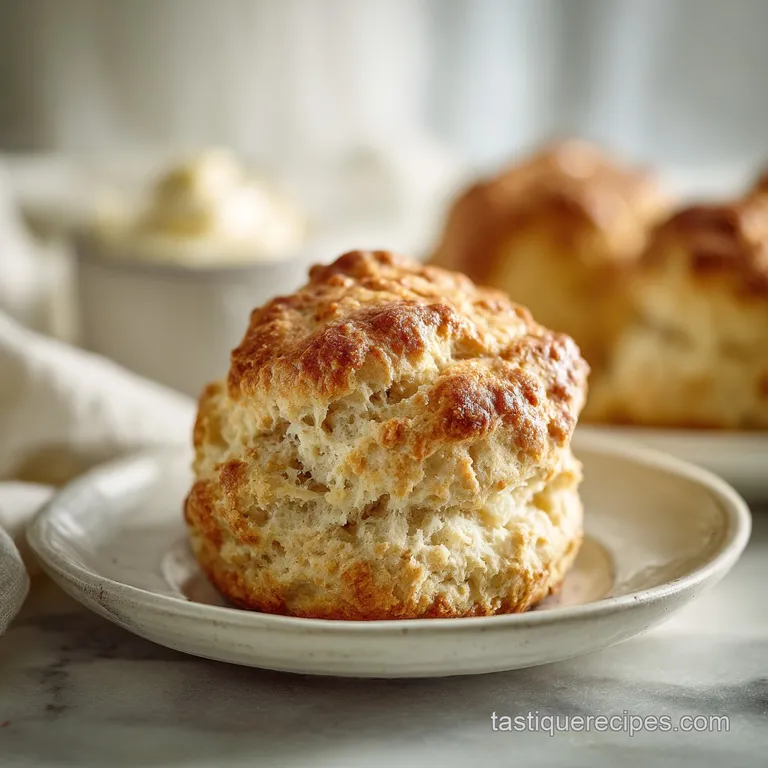
- Time: Active 15 minutes, Passive 12 minutes, Total 27 minutes
- Flavor/Texture Hook: Flaky, golden layers with a toasted, buttery finish
- Perfect for: Slow weekend brunches or a rustic side for hearty stews
- Unlocking Flaky Texture with this Einkorn Biscuits Recipe
- The Physics of the Heritage Crumb
- Analyzing Our Recipe Components
- Selecting Your Elements for Success
- Essential Tools for Success
- Mastering the Laminated Fold
- Correcting Common Texture Issues
- Scaling for Larger Crowds
- Debunking Ancient Wheat Myths
- Freshness and Zero Waste
- Serving and Pairing Ideas
- Recipe FAQs
- 📝 Recipe Card
Unlocking Flaky Texture with this Einkorn Biscuits Recipe
The scent of nutty, toasted grain fills the kitchen the moment the oven door creaks open. It is a warm, deeply toasted aroma that regular flour just cannot mimic. When you pull that pan out, the golden tops hiss slightly, and if you listen closely, you can hear the faint crackle of the buttery layers settling and contracting in the cool air.
I remember the first time I baked this einkorn biscuits recipe. I was so used to the bouncy, elastic feel of modern wheat that the soft, almost silky texture of this ancient grain caught me off guard. My first batch was, frankly, a bit of a pancake situation.
I had over handled the dough and treated it like a standard sandwich loaf, which is a big mistake with heritage grains.
Since then, I have learned that einkorn wants a gentle touch. It is a flour that rewards patience and extreme temperature control. We are not just making bread here, we are working with a piece of history that behaves differently under our fingertips.
Once you get that first successful rise and see those distinct, flaky sheets of dough, there is no going back to plain white flour.
The Physics of the Heritage Crumb
Low Gluten Architecture
Mechanism: Einkorn contains a different type of gluten protein that lacks the D genome found in modern wheat. This results in a much weaker structure that stays tender rather than becoming chewy or tough when mixed.
Grated Butter Thermal Lift
Mechanism: Tiny shards of frozen butter are distributed throughout the flour. When they hit the 425 degree oven, the water in the butter evaporates instantly, creating steam pockets that force the dough upward.
Acid Base Aeration
Mechanism: The lactic acid in buttermilk reacts immediately with the baking powder. This chemical reaction produces carbon dioxide gas, which gets trapped in the delicate einkorn matrix to provide initial lift before the steam takes over.
| Method | Time | Texture | Best For |
|---|---|---|---|
| Laminated (Classic) | 27 minutes | Defined, shatter crisp layers | Impressive brunch spreads |
| Drop (Fast) | 20 minutes | Craggy, rustic, and soft | Quick weeknight dinners |
| Sourdough Hybrid | 12 hours | Tangy, dense, and complex | Deep flavor enthusiasts |
While the laminated method is the gold standard for this einkorn biscuits recipe, the drop method is a life saver when you are in a rush. Just keep in mind that the drop version will not have those distinct layers you can peel apart with your fingers.
Analyzing Our Recipe Components
| Ingredient | Science Role | Pro Secret |
|---|---|---|
| Einkorn Flour | Provides the structural base with a low tenacity gluten profile. | Sift twice to aerate the heavy heritage grain particles. |
| Frozen Butter | Creates the steam necessary for the "shatter" texture. | Grate the butter directly into the flour to keep it frozen longer. |
| Buttermilk | Activates leavening agents and provides a velvety tang. | Keep it ice cold until the very second you pour it in. |
| Honey | Adds a hint of sweetness and helps with golden browning. | Mix into the cold buttermilk first to ensure even distribution. |
The key to the best einkorn biscuits recipe is keeping your fats and liquids as cold as possible. If the butter melts before it hits the oven, you lose the steam power needed for a high rise. This is why heritage grains require a bit more thermal awareness than your average all purpose flour.
Selecting Your Elements for Success
- 3 cups (375g) Einkorn flour: Why this? Essential for the distinct nutty flavor and delicate, non chewy crumb structure.
- Substitute: Spelt flour (Add 10% more liquid as spelt is more absorbent).
- 1 tablespoon (14g) aluminum free baking powder: Why this? Provides the primary chemical lift without any metallic aftertaste.
- Substitute: 1 tsp baking soda + 1 tsp cream of tartar.
- 1 teaspoon (6g) fine sea salt: Why this? Enhances the earthy notes of the ancient wheat grain.
- Substitute: Kosher salt (use 1.5 teaspoons for the same salinity).
- 1 teaspoon (4g) sugar: Why this? Feeds the Maillard reaction for a deeper golden brown crust.
- Substitute: Maple sugar for a woodsy flavor profile.
- 1/2 cup (113g) unsalted butter, frozen: Why this? Creates the fat pockets needed for lamination and flakiness.
- Substitute: Frozen lard (provides even flakier layers but lacks butter flavor).
- 1 cup (240ml) cold buttermilk: Why this? The acidity tenderizes the weak einkorn gluten further.
- Substitute: 1 cup whole milk + 1 tablespoon lemon juice (sit for 5 mins).
- 1 tablespoon (15ml) cold buttermilk for brushing: Why this? Acts as a glue for the honey and promotes browning.
- 1 tablespoon (21g) honey: Why this? Glazes the top for a sweet salty finish.
When you are experimenting with specialty flours, you might find that the hydration needs change slightly. If you are also making something like a Matcha Almond Muffins recipe, you will notice how different fats interact with these denser flours. Einkorn is particularly oily, so it does not need as much added moisture as you might think.
Essential Tools for Success
Chef's Tip: Place your mixing bowl and pastry cutter in the freezer for 10 minutes before you start. A cold bowl prevents the heat from your hands or the room from softening the butter during the "cutting in" phase.
To get the most out of this einkorn buttermilk biscuits recipe, you need a high-quality box grater. Grating frozen butter is much more efficient than using a pastry blender. It creates uniform curls of fat that integrate perfectly without over mixing. You will also want a sharp edged biscuit cutter.
A dull edge pinches the dough together, sealing the layers and preventing them from expanding upward in the heat.
Mastering the Laminated Fold

1. The Dry Integration
Whisk 3 cups of einkorn flour, 1 tablespoon baking powder, 1 teaspoon salt, and 1 teaspoon sugar in a large, chilled bowl. Note: Sifting the flour here ensures there are no clumps of heritage grain that could cause dense spots.
2. The Frozen Grate
Using the large holes of a box grater, grate 1/2 cup of frozen butter directly into the flour mixture. Note: Toss the butter curls with a fork every few seconds to coat them in flour and prevent clumping.
3. Hydrating the Grain
Whisk 1 tablespoon honey into 1 cup of cold buttermilk until dissolved. Pour this into the dry ingredients. Use a spatula to fold the mixture until a shaggy, wet dough barely forms.
4. The Lamination Fold
Turn the dough onto a floured surface and pat into a rectangle. Fold the dough into thirds like a letter, then rotate and repeat twice more. Note: This creates the physical layers that will eventually shatter when baked.
5. over High heat Oven Blast
Pat the dough to 1 inch thickness and cut into 8 rounds. Place on a baking sheet, brush with the extra tablespoon of buttermilk, and bake at 425°F for 12 minutes until the tops are deeply golden and the sides have visibly separated into layers.
Correcting Common Texture Issues
Gummy or Dense Interiors
This usually happens if the buttermilk was not cold enough or the oven temperature was too low. If the heat does not hit the dough hard and fast, the butter melts slowly into the flour instead of creating steam.
This creates a cake like, heavy texture instead of the flaky einkorn flour biscuits recipe we are aiming for.
Spreading Rather Than Rising
If your biscuits look like puddles, you likely over mixed the dough. Over mixing einkorn breaks down what little gluten it has, leaving no structure to hold the steam in. It can also happen if you twisted the biscuit cutter while pressing down, which "welds" the edges shut.
Dealing with Bitter Aftertaste
Sometimes baking powder can leave a metallic tang. Always ensure you are using aluminum free powder. If it persists, check the freshness of your einkorn flour. Ancient grains have higher oil content and can go rancid faster than modern wheat, which leads to a sharp, unpleasant flavor.
| Problem | Root Cause | Solution |
|---|---|---|
| Flat Biscuits | Butter melted during prep | Freeze the grated butter for 5 mins before mixing |
| Tough Crumb | Over handling the dough | Use a "folding" motion rather than a kneading motion |
| Dark Bottoms | High sugar content in honey | Use a double baking sheet to insulate the bottom heat |
Common Mistakes Checklist
- ✓ Never twist the biscuit cutter; press straight down and pull straight up.
- ✓ Keep the butter frozen until the exact moment you grate it into the bowl.
- ✓ Avoid using a food processor, as the blades generate heat that melts the fat.
- ✓ Do not over bake; einkorn dries out much faster than all purpose wheat.
- ✓ Space the biscuits so they are just touching on the pan for a higher rise.
Scaling for Larger Crowds
If you are doubling this quick einkorn biscuits recipe for a big family breakfast, you need to be careful with the leavening. Do not simply double the baking powder; instead, use 1.5 times the amount to avoid a chemical aftertaste.
For the liquids, start with 1.75 cups of buttermilk and add the rest only if the dough feels too dry to hold together.
When scaling down for a solo breakfast, you can easily halve the recipe. Since einkorn flour is quite delicate, a half batch is actually easier to handle without over mixing. Use a smaller 8 inch cast iron skillet to bake them, which helps maintain the heat around the edges for a better crust.
Debunking Ancient Wheat Myths
Many people believe that because einkorn is an ancient grain, it is completely gluten-free. This is a dangerous misconception. While it is true that many people with mild gluten sensitivities find it easier to digest, it still contains gluten and is not safe for those with Celiac disease.
The gluten is simply a different shape and structure.
Another myth is that einkorn wheat biscuits should be dense and "healthy" tasting. If your biscuits taste like cardboard, you aren't using enough fat or you've over baked them. When treated correctly with the lamination technique, they should be just as light and airy as any Southern style biscuit.
Freshness and Zero Waste
Storage Guidelines: These biscuits are best eaten within 2 hours of baking. To store leftovers, wrap them tightly in foil and keep at room temperature for 2 days or in the fridge for 5 days.
To reheat, wrap in foil and place in a 350°F oven for 8 minutes to restore the crisp exterior.
Zero Waste Tips: If you have biscuits that have gone stale, do not toss them! Crumble them up to make a rustic topping for a cobbler or use them as the base for a savory breakfast strata.
You can also pulse stale einkorn biscuits in a blender to create incredibly flavorful breadcrumbs for coating chicken or topping mac and cheese.
Serving and Pairing Ideas
The Sourdough Twist
If you have a starter, you can replace half of the buttermilk with a sourdough discard. This adds a complex, fermented tang that pairs beautifully with the earthy einkorn flour. It makes for a much more robust biscuit that stands up well to heavy sausage gravy.
Classic Southern Style
For the ultimate breakfast, split these open while steaming hot and slather them with salted butter and a drizzle of extra honey. This highlights the natural sweetness of the grain. If you are feeling adventurous, pair them with a side of Honey Lotus Seeds recipe for a unique, creamy texture contrast.
Sweet and Salty Pairs
The best einkorn biscuits recipe works just as well for dessert as it does for dinner. Top a warm biscuit with macerated strawberries and a dollop of velvety whipped cream. The slight saltiness of the sea salt in the dough balances the sugar in the fruit perfectly, creating a sophisticated version of a classic shortcake.

Recipe FAQs
Can I substitute all-purpose flour for einkorn in this recipe?
No, not successfully. Einkorn has a very different, weaker gluten structure that requires specialized handling; substituting modern wheat will yield a tough, dense biscuit.
How do I ensure the biscuits rise high and don't spread flat?
Keep all ingredients, especially the butter and buttermilk, ice cold. The rapid creation of steam from the frozen butter pockets hitting the hot oven is what forces the dough upward.
How to prepare the frozen butter for the dough?
Grate the frozen butter directly into the chilled flour mixture. Toss the curls immediately with a fork to coat them in flour, preventing them from sticking together before mixing.
Is it true that einkorn flour is gluten-free?
No, this is a common misconception. Einkorn contains gluten; it is an ancient grain with a different gluten structure that some find easier to digest, but it is unsafe for Celiacs.
How long can raw einkorn biscuit dough be frozen before baking?
Freeze raw dough rounds for up to 3 months. Place them on a parchment lined tray to freeze solid, then transfer them to an airtight freezer bag for long term storage.
How to handle the dough to achieve flaky layers?
Perform the letter fold technique two to three times gently. Pat the dough into a rectangle, fold into thirds like a letter, rotate, and repeat this process minimal times to build layers without overworking the dough.
What is the best method for reheating leftover biscuits?
Reheat wrapped tightly in foil at 350°F for 8 minutes. This traps the steam, allowing the interior to heat through while crisping the exterior crust again.
Einkorn Biscuits Recipe

Ingredients:
Instructions:
Nutrition Facts:
| Calories | 285 kcal |
|---|---|
| Protein | 7.7g |
| Fat | 12.7g |
| Carbs | 37.5g |
| Fiber | 4.7g |
| Sugar | 4.1g |
| Sodium | 475mg |
