Mango Sago Dessert: Tropical and Creamy
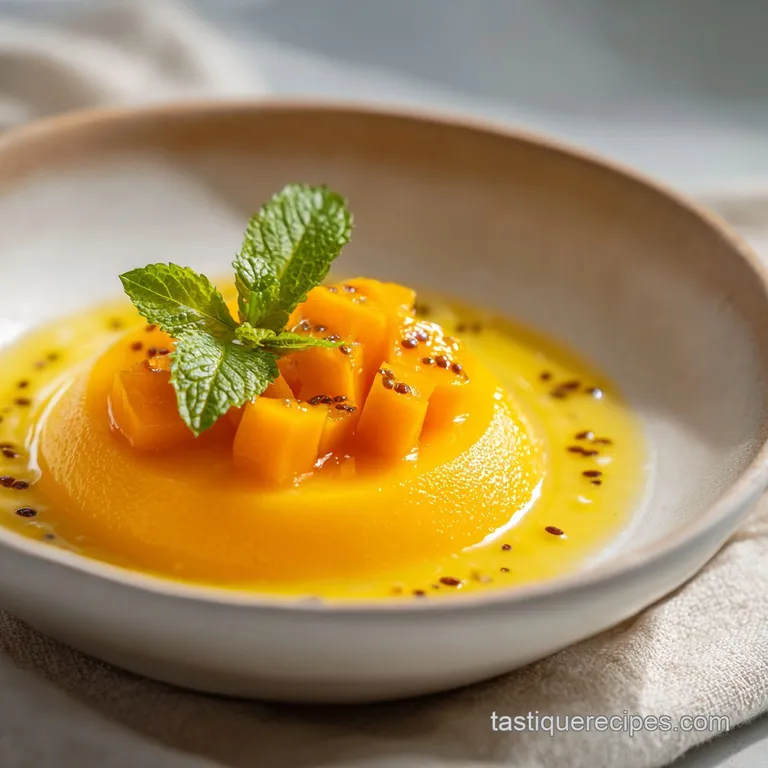
- Time: Active 15 minutes, Passive 15 minutes, Total 30 minutes
- Flavor/Texture Hook: Velvety mango cream with bouncy, slippery sago
- Perfect for: Humid afternoons, dinner parties, or a quick sweet fix
- The Ultimate Creamy Mango Sago Dessert Experience
- Physics of Achieving Perfect Pearl Texture
- Authentic Efficiency in Every Chilled Bowl
- Elements for a Velvety Tropical Base
- Minimal Gear for Restaurant Quality Results
- Step by Step Path to Sago
- Avoid Pitfalls for Smooth Results
- Smart Swaps for Modern Kitchen Lifestyles
- Maintain Freshness and Texture During Storage
- Creative Ways to Present Asian Treats
- Myths Regarding Sago Preparation
- Recipe FAQs
- 📝 Recipe Card
The Ultimate Creamy Mango Sago Dessert Experience
Close your eyes and imagine the scent of a mango so ripe it practically perfumes the entire kitchen with a heavy, floral sweetness. The skin is tacky to the touch, and when you slice into it, the juice runs down your wrist. That is where a great mango sago dessert begins.
I remember standing in a tiny shop in Hong Kong, the humidity thick enough to wear, and being handed a bowl of this liquid gold. The first spoonful was a shock of cold, silky cream followed by the playful pop of tiny starch pearls. It was a complete sensory reset.
Since that day, I’ve been obsessed with recreating that exact balance at home. It’s not just about mixing fruit and milk, it’s about the architecture of the textures.
We want a base that is thick enough to coat a spoon but fluid enough to sip, punctuated by pearls that are tender to the tooth without being mushy. If you’ve ever ended up with a bowl of wallpaper paste or sago that feels like buckshot, don't worry. I’ve made those mistakes so you don't have to.
We are going to build this in layers, starting with the starch and moving to the emulsion of the cream. This isn't just a recipe, it's a technique for capturing the essence of the tropics. By the time we’re done, you’ll have a restaurant quality bowl that looks as vibrant as it tastes.
Let's get into the mechanics of why this specific combination works so well.
Physics of Achieving Perfect Pearl Texture
Starch Gelatinization: Sago pearls are pure starch that requires high heat to hydrate the core while keeping the exterior from dissolving into a gummy mess. By boiling then resting, we allow the heat to penetrate the center evenly, creating that signature translucent "window" without losing the bead's structural integrity.
Fat Emulsification: The combination of full fat coconut milk and condensed milk creates a stable fat in-water emulsion that suspends the mango fibers. This prevents the fruit juice from separating and ensures a velvety mouthfeel that lingers on the palate instead of feeling watery.
| Fruit Source | Texture Outcome | Flavor Profile | Preparation Time |
|---|---|---|---|
| Fresh Ripe Mango | Silky and thick | Vibrant, floral, sweet | 10 minutes |
| Canned Mango Pulp | Uniformly smooth | Consistently sweet, less tart | 0 minutes |
| Frozen Mango Chunks | Slightly icy/thicker | Muted sweetness, very cold | 2 minutes |
Choosing the right fruit is the most important decision you'll make today. Fresh mangoes offer a complexity of flavor that canned versions simply cannot match, especially because you get those lovely fibers that add body to the puree. However, if you're in a pinch or mangoes are out of season, a high-quality canned pulp is a respectable shortcut that many professional kitchens actually prefer for its consistent sugar content. This mango sago dessert pairs beautifully after a heavy meal of Spicy Potato Stuffed recipe, as the acidity helps cleanse the palate.
Authentic Efficiency in Every Chilled Bowl
To get this right every time, we need to focus on the "carryover" heat of the sago. Most people boil the pearls until they are completely clear, but that usually leads to them falling apart. The secret is to turn off the heat while there is still a tiny white dot in the center.
The residual heat of the water will finish the job gently while you prep the fruit.
| Component | Science Role | Pro Secret |
|---|---|---|
| Sago Pearls | Textural Contrast | Rinse in cold water immediately to stop the starch from becoming "gluey." |
| Coconut Milk | Lipid Richness | Use full fat for a coating effect that carries the mango flavor across the tongue. |
| Condensed Milk | Viscosity & Sugar | Provides a "sticky" sweetness that binds the fruit puree and milk together. |
Beyond the science, there’s a bit of soul in the seasoning. A tiny pinch of sea salt might seem out of place in a dessert, but it’s actually a flavor magnifier. It cuts through the heavy fat of the coconut and makes the mango taste more "mango y." It’s the difference between a flat sweetness and a three dimensional flavor profile that keeps you coming back for another bite.
Elements for a Velvety Tropical Base
Before we start, make sure your ingredients are as cold as possible. This is a dish served chilled, and starting with room temperature components means you’ll have to wait longer for it to set in the fridge.
- 1/2 cup (100g) small sago pearls: These are the heart of the dish. Look for the tiny white ones, not the large boba pearls. Why this? Small pearls provide a better ratio of surface area to cream in every spoonful.
- 6 cups (1.4L) water: For boiling the sago. We need a high volume of water to dilute the released starch.
- 3 large ripe mangoes (approx. 600g flesh total): Use Ataulfo (honey) mangoes if you can find them for their non fibrous texture. Why this? They provide the most concentrated sweetness and a deep orange hue.
- 1 cup (240ml) unsweetened full fat coconut milk: This is our primary fat source. Why this? Lower fat versions will result in a thin, watery dessert that lacks luxury.
- 1/3 cup (80ml) sweetened condensed milk: For sweetness and body. Why this? It adds a milky depth that plain sugar or syrup lacks.
- 1 pinch sea salt: To balance the sugars.
- 1/2 cup fresh mango, finely diced for garnish: For a fresh pop of texture.
If you find yourself missing an ingredient, don't panic. There are plenty of ways to adapt this recipe to what you have in your pantry.
| Original Ingredient | Substitute | Why It Works |
|---|---|---|
| Sago Pearls | Tapioca Pearls (Small) | Almost identical starch structure; same cooking method applies. |
| Coconut Milk | Heavy Cream | Provides similar fat content. Note: Loses the tropical nutty flavor profile. |
| Condensed Milk | Honey + Splash of Milk | Adds sweetness and liquid. Note: Flavor will be noticeably different and less "creamy." |
One thing to keep in mind: if you use honey as a substitute, the floral notes of the honey might compete with the mango. It's an interesting twist, but the condensed milk is what gives it that authentic Asian restaurant finish. If you love these tropical vibes, you'll definitely enjoy my Fluffy Pandan Pancakes recipe for brunch the next morning.
Minimal Gear for Restaurant Quality Results
You don't need a high end kitchen to make this, but a few specific tools will make the process much smoother. A large pot is essential for the sago; if the pot is too small, the water becomes a thick starch slurry, and the pearls will stick to the bottom.
- Large Saucepan: For boiling the sago pearls with plenty of room to move.
- Fine Mesh Strainer: Crucial for rinsing the sago. The pearls are tiny, so a standard colander won't work.
- Blender or Food Processor: To create that perfectly smooth, velvety mango puree.
- Mixing Bowl: Large enough to hold the liquid and the sago without splashing.
- Whisk: To ensure the coconut milk and condensed milk are fully integrated.
Chef's Tip: Freeze your sago pearls for 10 minutes before adding them to the boiling water. This slight temperature shock helps them maintain their round shape rather than flattening out as they hit the heat.
step-by-step Path to Sago
Phase 1: Perfecting the Sago
- Boil the water. Bring 6 cups of water to a rolling boil in your large saucepan.
- Add the sago. Slowly pour in 1/2 cup of sago pearls, stirring constantly. Note: Continuous stirring for the first minute prevents the pearls from clumping together.
- Simmer and stir. Reduce heat to medium and cook for 10-12 minutes until the pearls are mostly translucent with a tiny white speck in the center.
- The resting phase. Remove the pot from the heat, cover it with a lid, and let it sit for 10 minutes. The residual heat will turn the pearls completely clear.
- Shock and rinse. Drain the sago through a fine mesh strainer and immediately run cold water over them. Note: This removes excess surface starch and stops the cooking process instantly.
Phase 2: The Mango Transformation
- Prep the fruit. Peel the 3 large mangoes and remove the flesh from the pit.
- Create the puree. Place about two thirds of the mango flesh into a blender. Add 1 cup of coconut milk, 1/3 cup condensed milk, and a pinch of salt.
- Blend until smooth. Process the mixture on high until the texture is completely velvety and no lumps remain.
- Dice the remainder. Take the remaining mango flesh and cut it into small, uniform cubes for the garnish and internal texture.
Phase 3: The Final Assembly
- Combine and chill. In a large bowl, mix the mango puree with the cooked sago pearls and the diced mango pieces.
- Final Rest. Refrigerate for at least 30 minutes before serving. The flavors will meld and the sago will absorb a bit of the cream.
Avoid Pitfalls for Smooth Results
One of the most common frustrations with this mango sago dessert is the sago disappearing or becoming a giant block of jelly. This usually happens when the water isn't hot enough when the pearls are added, or if they aren't rinsed thoroughly.
Why My Sago Pearls Clumped
If your pearls turned into a singular mass, the starch on the outside wasn't washed away. You must rinse them under cold running water while tossing them in the strainer until the water runs clear and the pearls feel slippery and individual.
Why The Mango Base Is Too Runny
This often happens if the mangoes were overly juicy or if you used a "light" version of coconut milk. You can fix this by blending in a few more chunks of mango or adding an extra tablespoon of condensed milk to thicken the viscosity.
| Problem | Root Cause | Solution |
|---|---|---|
| Hard Sago Center | Underboiled or not rested | Simmer for 2 more mins or let rest in hot water longer. |
| Muted Flavor | Mangoes were underripe | Add a teaspoon of lime juice and a bit more condensed milk. |
| Bitter Aftertaste | Over blended mango pit | Ensure you don't scrape too close to the large flat seed. |
Common Mistakes Checklist
- ✓ Never add sago to cold water; it will dissolve into a starch puddle.
- ✓ Don't skip the resting period; it’s the gentlest way to cook the core of the pearl.
- ✓ Always use full fat coconut milk for that restaurant style "shimmer" and mouthfeel.
- ✓ Pat your diced mango garnish dry if you want them to sit perfectly on top without sinking.
- ✓ Taste your puree before adding all the condensed milk; some mangoes are naturally sweeter than others.
Smart Swaps for Modern Kitchen Lifestyles
While the traditional version is hard to beat, we often need to adjust for what's in the fridge or specific needs. If you want a deeper flavor, try adding a splash of evaporated milk along with the condensed milk; it adds a toasted, caramel like note that is very popular in some regional variations.
To scale this down for a solo treat, simply halve all the ingredients. Sago is tricky in tiny amounts, so I recommend still using at least 4 cups of water to ensure they have room to dance around.
When scaling up for a party (doubling or tripling), be mindful that the sago will take slightly longer to reach a boil, but the simmering time remains the same. Just ensure your blender can handle the volume of fruit, or work in batches to keep the puree consistent.
For a lighter version, you can swap the condensed milk for a bit of agave syrup, but keep in mind you'll lose that milky, opaque look. The dessert will be more of a translucent orange rather than a creamy pastel. If you're looking for a "Quick Fix" for texture, see the table below.
| If you want... | Then do this... |
|---|---|
| A Thicker Pudding | Reduce coconut milk by 1/4 cup and add more mango. |
| A Drinkable Version | Add 1/2 cup of cold water or coconut water to the blend. |
| Extra Crunch | Add a tablespoon of toasted coconut flakes on top. |
Maintain Freshness and Texture During Storage
This is a "eat it soon" kind of dessert. While it stays safe to eat for a few days, the quality starts to drop after about 24 hours. The sago pearls are like tiny sponges; they will continue to soak up the liquid from the mango cream.
Fridge Storage: Store in an airtight container for up to 2 days. After the first day, you might notice the dessert has thickened significantly. You can loosen it back up with a splash of cold coconut milk and a quick stir.
Freezing: I don't recommend freezing the assembled dessert. The sago pearls will change texture, becoming grainy and brittle once thawed. However, you can freeze the mango puree on its own for up to 3 months. When you're ready to eat, thaw the puree, boil a fresh batch of sago, and mix.
Zero Waste Tip: Don't throw away the mango pits! There is always a bit of flesh left on them. Put them in a jar with some water and a bit of sugar, let it sit in the fridge overnight, and you’ll have a lightly flavored mango water the next morning. It’s incredibly refreshing.
Creative Ways to Present Asian Treats
When it comes to serving, temperature is your best friend. I like to chill my serving bowls in the freezer for 5 minutes before portioning. This ensures the first bite is as icy and refreshing as the last. For a truly professional look, save the best looking dice of mango for the very top.
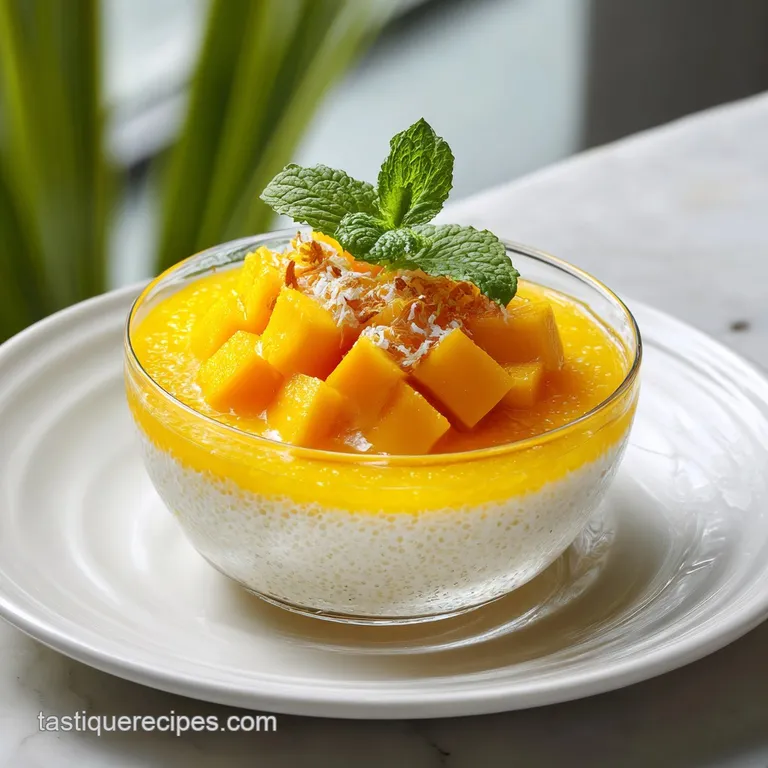
You can also play with layers. Instead of mixing everything, put the sago at the bottom, pour the puree over it, and top with the diced fruit and a sprig of mint. It creates a beautiful gradient of color that looks stunning in glass bowls.
Some people even like to add a scoop of pomelo pulp; the bitter sweet "shatter" of the pomelo vesicles provides a fantastic contrast to the creamy mango.
Another fun trick is to serve this in small shooters for a party. It's a great "palette cleanser" between courses. No matter how you serve it, the key is the contrast between the slippery pearls and the velvety cream. It’s a simple dish, but when the details are right, it feels like pure luxury.
Trust me, once you master the sago texture, you'll be making this every time the sun comes out.
Myths Regarding Sago Preparation
One of the biggest misconceptions is that sago must be soaked before cooking. This is a recipe for disaster. Unlike dried beans, sago is a pure starch pearl. If you soak it in cold water, it will simply dissolve into a cloudy liquid, and you’ll be left with nothing to boil.
Always go straight from the bag into boiling water.
Another myth is that you can't overcook sago. People think that as long as it's clear, it's fine. In reality, if you boil it too long, the exterior layers start to slough off, creating a thick, slimy coating that ruins the mouthfeel.
The "boil then rest" method is the only way to get that perfect, distinct bead every single time. Searing in the heat isn't just for meat; it works for starch too, just in a different way!

Recipe FAQs
What exactly is mango sago dessert?
It is a chilled, layered Cantonese dessert. It features a smooth, rich puree of fresh mango blended with coconut milk and condensed milk, studded throughout with soft, chewy sago pearls.
Is mango sago Chinese or Filipino?
It is primarily recognized as a classic Hong Kong/Cantonese dessert. While the Philippines has many similar coconut milk based chilled fruit desserts (like Ginataang Bilo Bilo), the specific mango sago combination originated in East Asia.
What is sago dessert made from?
Sago pearls are the primary textural component. They are derived from the starch of the sago palm tree, giving them a bouncy, translucent, and slightly slippery texture when cooked correctly.
What culture makes mango sago?
It is most strongly associated with Cantonese cuisine. It became extremely popular in Hong Kong tea restaurants and has since spread across Asia as a refreshing summer staple.
How do I prevent sago pearls from dissolving into slime?
Boil vigorously, then immediately rest off the heat. Cook the pearls until mostly clear, turn off the heat, cover, and let residual steam finish the cooking process for about 10 minutes.
Is it true that canned mango pulp works better than fresh?
No, this is a common misconception for home cooks. Fresh, ripe mangoes provide superior floral aroma and acidity, though canned pulp is sometimes used professionally for guaranteed consistency.
Should I soak the sago pearls before boiling them?
Absolutely not, soaking causes them to dissolve. Sago is pure starch and should only hit boiling water; soaking them first turns them into a sticky paste before they even start cooking.
Easy Mango Sago Dessert
Ingredients:
Instructions:
Nutrition Facts:
| Calories | 378 kcal |
|---|---|
| Protein | 4.4 g |
| Fat | 15.4 g |
| Carbs | 60.2 g |
| Fiber | 2.4 g |
| Sugar | 34.1 g |
| Sodium | 82 mg |
