Quiche Lorraine: Savory and Silky
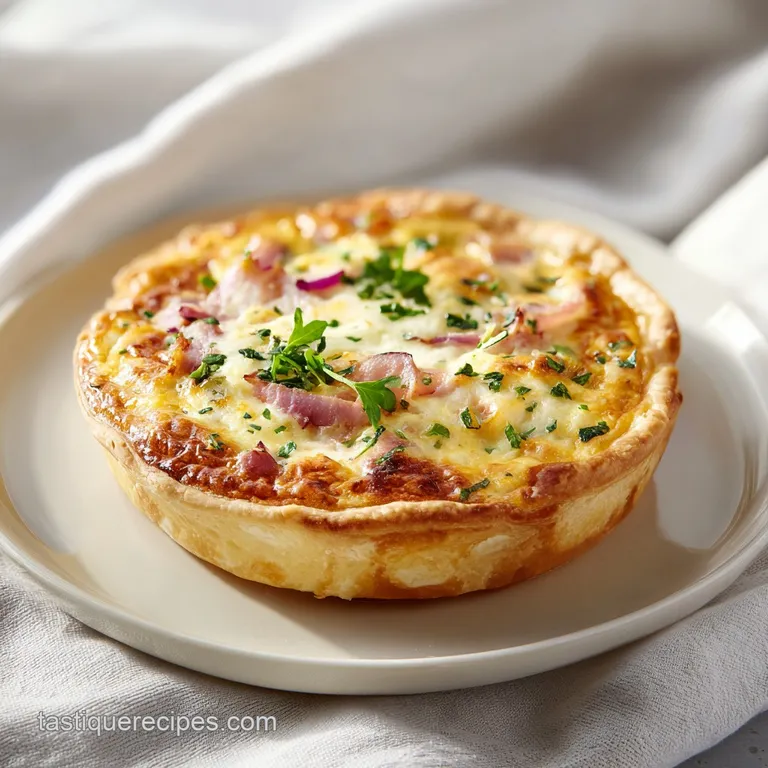
- Time: Active 30 minutes, Passive 45 minutes, Total 75 minutes
- Flavor/Texture Hook: Savory lardons in velvety custard
- Perfect for: Weekend brunch or elegant meal prep
- Making a Truly Authentic Quiche Lorraine
- The Ultimate French Comfort Brunch
- Component Analysis for Better Results
- Sourcing Best Bacon and Cheese
- Tools for a Shattering Crust
- The Step by Step Process
- Avoiding the Common Soggy Bottom
- Timing Your Perfect Pastry Bake
- Flavor Variations and Simple Substitutes
- Storing and Reheating Your Quiche
- Perfect Sides for French Brunch
- Recipe FAQs
- 📝 Recipe Card
The aroma of rendering bacon fat is a universal signal that something wonderful is happening in the kitchen. As the small cubes of salt cured pork sizzle in the pan, they release a fragrance that feels like a warm hug on a cold morning.
In my kitchen, this scent always brings me back to the first time I tried a slice of real, rustic Quiche Lorraine. It wasn't just an egg pie; it was a masterclass in balance, where the richness of the heavy cream met the sharp bite of the cheese and the earthy warmth of freshly grated nutmeg.
Historically, this dish didn't even have cheese. It hails from the Lorraine region, a borderland between France and Germany where the word "quiche" actually evolved from the German "Kuchen," meaning cake. Originally, it was a simple open faced pie made with bread dough, smoked bacon, and a mixture of cream and eggs.
Over centuries, French culinary influence swapped the bread for a delicate shortcrust pastry and eventually invited Gruyère to the party.
We often think of French cooking as fussy, but this dish is remarkably grounded. It is about the quality of the fat and the patience of the bake. You are looking for that specific point where the custard has just enough structure to hold its shape but remains so tender it practically melts.
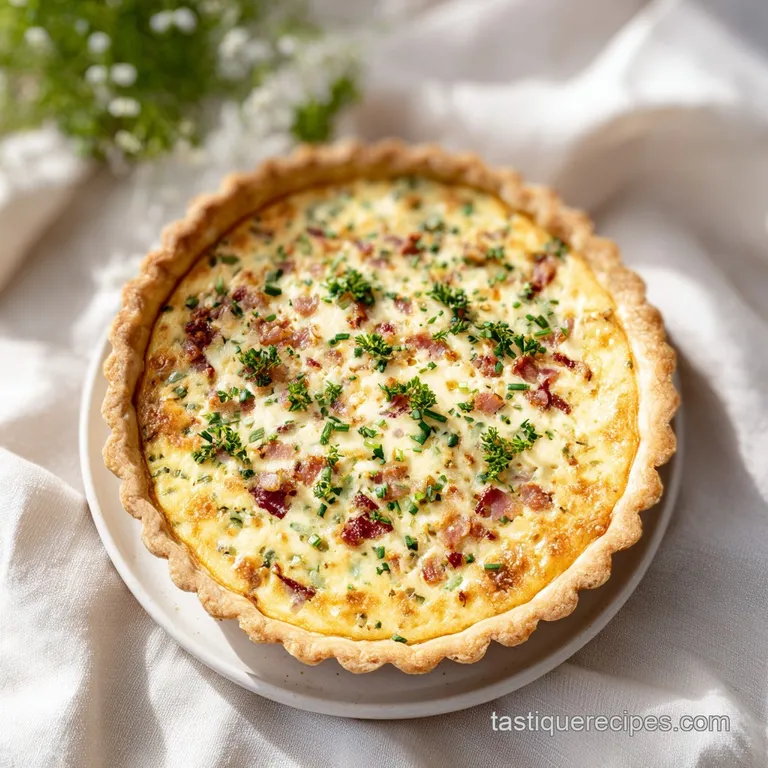
When you pull it out of the oven, the top should be a golden landscape of toasted cheese and crispy bacon edges, promising a texture that is both sturdy and ethereal.
Making a Truly Authentic Quiche Lorraine
When we talk about this dish, we are really talking about the architecture of flavor. The crust serves as the foundation, a crisp vessel that must stand up to a liquid filling without losing its integrity.
I’ve spent years working with heritage grains and rustic baking techniques, and I’ve learned that the secret to a great quiche isn't in adding more ingredients, but in treating the few we have with immense respect.
It’s about the way the cold butter interacts with the flour and how the custard sets without becoming rubbery.
The goal is a filling that feels like silk. Many people make the mistake of overbeating their eggs, which incorporates too much air and leads to a puffy, souffle style texture that collapses later. We want density here the kind of richness that only comes from using heavy cream and extra egg yolks.
It’s a bit indulgent, but that’s the soul of the Lorraine region. It’s food meant to sustain you, made with ingredients that were historically pulled straight from the farmstead.
As we get into the details, remember that this is a slow process. Don't rush the chilling of the dough or the rendering of the bacon. These moments of waiting are where the magic happens.
The dough needs time for the gluten to relax so it doesn't shrink in the oven, and the bacon needs time to shed its fat so it becomes a crispy, salty jewel in the center of your slice.
The Ultimate French Comfort Brunch
This recipe works because it respects the physics of fat and moisture. By keeping the ingredients in a specific temperature range, we control exactly how they behave when they hit the heat.
- Fat Suspension: Using chilled, cubed butter in the dough creates small pockets of fat that steam during baking, pushing the flour layers apart to create a shattering, flaky texture.
- Protein Coagulation: The ratio of three whole eggs to two extra yolks provides enough protein to set the custard while the extra fat from the yolks keeps the texture silken rather than bouncy.
- Moisture Barrier: Brushing the par baked crust with egg white creates a thin, waterproof seal that prevents the liquid custard from soaking into the pastry and causing a soggy bottom.
- Fat Rendering: Starting the bacon in a pan over medium heat allows the fat to liquefy slowly, which ensures the meat becomes crispy throughout rather than just burning on the outside.
| Thickness of Crust | Internal Temp | Rest Time | Visual Cue |
|---|---|---|---|
| 1/8 inch | 170°F (77°C) | 15 minutes | Wobbly center, golden edges |
| 1/4 inch | 175°F (79°C) | 20 minutes | Firm edges, slight jiggle |
| 1/2 inch | 180°F (82°C) | 25 minutes | Fully set, browned top |
The resting period is perhaps the most underrated part of the process. If you slice into a quiche the moment it leaves the oven, the custard hasn't had time to fully set its structure, and the juices will run.
Giving it 15 to 20 minutes allows the proteins to finish their gentle bond, ensuring every wedge comes out clean and beautiful.
Component Analysis for Better Results
Understanding your ingredients is the first step toward kitchen confidence. I always suggest looking for the best quality you can find, especially when the list is this short.
| Ingredient | Science Role | Pro Secret |
|---|---|---|
| Heavy Cream | Provides the high fat content necessary for a velvety mouthfeel and stable emulsion. | Use room temperature cream to prevent the eggs from curdling when mixed. |
| Gruyère Cheese | Adds a nutty, complex flavor and a specific melt that doesn't become overly greasy. | Always grate your own from a block to avoid the anti clumping starches in pre shredded bags. |
| All purpose Flour | Formulates the structural base of the crust with enough protein for strength but not toughness. | Sift the flour before measuring to ensure a light, airy crumb in your pastry. |
| Large Egg Yolks | Act as an emulsifier to bind the cream and eggs while adding intense richness. | Save the whites for brushing the crust to create that essential moisture seal. |
I love using heritage grains for a deeper flavor, but for a classic version, all purpose flour is your best friend. It has the right balance of starch and protein to give you a crust that's easy to work with but still delicate.
If you're feeling adventurous, replacing 10% of the flour with einkorn can add a beautiful golden hue and a slightly nutty aroma that complements the Gruyère.
Sourcing Best Bacon and Cheese
You’ll need to gather a few specific items to get started. Don't substitute the heavy cream for milk unless you absolutely have to; the water content in milk will change the way the custard sets and might lead to a "weeping" quiche.
- All purpose flour (1.5 cups / 190g): The backbone of our crust. Why this? Provides enough gluten for structure without making the pastry tough or chewy.
- Substitute: Pastry flour for an even more tender, crumbly texture.
- Unsalted butter (0.5 cup / 115g): Must be cubed and chilled. Why this? Cold butter is the key to creating those flaky, laminated layers.
- Substitute: high-quality lard for a more traditional, savory French country crust.
- Thick cut bacon (6 oz / 170g): Cut into small strips (lardons). Why this? Thick cuts hold their shape and provide a satisfying chew in the filling.
- Substitute: Pancetta or smoked ham if you prefer a different salt profile.
- Gruyère cheese (1 cup / 100g): Freshly grated. Why this? It has a low melting point and a sophisticated, slightly sweet flavor.
- Substitute: Emmental or a sharp Swiss cheese for a similar flavor profile.
- Heavy cream (1.5 cups / 350ml): Full fat is non negotiable here. Why this? Creates the luxurious, custardy texture that defines a true Lorraine.
- Substitute: Crème fraîche for a tangier, thicker result.
- Eggs and Yolks (3 large eggs + 2 yolks): The binding agent. Why this? Extra yolks add fat and color without making the filling rubbery.
- Substitute: 4 whole eggs if you don't want to separate them, though it will be less rich.
- Shallot (1 large): Finely minced. Why this? Gentler and sweeter than onion, it complements the eggs perfectly.
- Substitute: The white parts of two green onions for a milder bite.
- Spices (Nutmeg, Cayenne, Salt, Pepper): Small amounts of each. Why this? Nutmeg is the "secret" ingredient that makes the custard taste authentic.
- Substitute: A pinch of mace if you don't have nutmeg on hand.
Tools for a Shattering Crust
Having the right gear makes the process much smoother. You don't need a high tech kitchen, but a few specific items will help you achieve that professional look.
- 9 inch Tart Pan: Preferably with a removable bottom. This allows you to serve the quiche without the high sides of a pie dish getting in the way.
- Food Processor: Great for pulsing the butter into the flour quickly so it doesn't melt from the heat of your hands.
- Pie Weights: Necessary for blind baking. You can use ceramic weights, dried beans, or even raw rice.
- Pastry Brush: For that crucial egg white wash that seals the crust.
- Skillet: A heavy bottomed pan, like a Lodge cast iron, is best for rendering the bacon evenly.
- Rolling Pin: A tapered French rolling pin gives you the most control over the thickness of your dough.
The step-by-step Process
Now it’s time to get our hands in the flour. Follow these steps closely, and pay attention to the visual cues I’ve noted. This is where the magic happens.
- Prepare the pastry base. Pulse the flour, salt, and chilled cubed butter in a food processor until the mixture looks like coarse crumbs with some pea sized chunks. Slowly drizzle in the ice cold water while pulsing until the dough just starts to clump together. Note: Don't over process; those butter chunks are what create the flakes.
- Chill the dough. Form the dough into a flat disc, wrap it tightly in plastic, and let it rest in the fridge for 30 minutes. This allows the flour to fully hydrate and the gluten to relax.
- Roll and shape. On a lightly floured surface, roll the dough out to 1/8 inch thickness. Drape it over your tart pan, gently pressing it into the corners. Trim the edges and place the pan in the freezer for 15 minutes. Note: Freezing the shaped dough prevents it from shrinking down the sides of the pan during the bake.
- Blind bake the crust. Preheat your oven to 375°F (190°C). Line the dough with parchment paper and fill it with weights. Bake for 15 minutes. Remove the weights and parchment, brush the bottom with egg white, and bake for 5 more minutes until the base looks dry and opaque.
- Render the bacon. While the crust bakes, cook the bacon lardons in a skillet over medium heat for about 8 minutes until the fat has melted and the edges are crisp and golden. Remove them with a slotted spoon and set them on a paper towel.
- Sauté the aromatics. Pour off all but a tablespoon of the bacon fat. Add the minced shallots and cook for 3 minutes until they are soft and translucent.
- Mix the custard. In a large bowl, whisk the 3 eggs, 2 yolks, and heavy cream together. Stir in the nutmeg, cayenne, salt, and black pepper. Whisk gently to avoid creating bubbles.
- Layer the fillings. Scatter the cooked bacon and half of the Gruyère across the bottom of the par baked crust. This ensures every bite has a bit of everything.
- Pour and top. Pour the custard mixture over the bacon and cheese. Sprinkle the remaining cheese on top.
- Final bake. Place the quiche back in the oven and bake for 30 to 35 minutes until the edges are slightly puffed and the center has a gentle jiggle like gelatin. Let it rest for at least 15 minutes before serving.
Avoiding the Common Soggy Bottom
Even the most experienced cooks run into trouble sometimes. The biggest enemy of a quiche is moisture. If your crust is soggy or your custard is watery, it usually comes down to a few small technical errors.
Why Your Quiche is Weeping
If you notice liquid pooling at the bottom of your tart pan, it's often because the eggs were overcooked. When egg proteins get too hot, they tighten up and squeeze out the liquid they were holding, much like wringing out a sponge. This results in a rubbery texture and a pool of water.
| Problem | Root Cause | Solution |
|---|---|---|
| Soggy bottom crust | Filling soaked into unsealed pastry | Blind bake fully and use an egg white wash to seal. |
| Curdled custard | Oven temperature too high | Bake at 375°F (190°C) and check doneness early. |
| Shrinking pastry | Dough wasn't rested enough | Chill for 30 mins after mixing and freeze after shaping. |
Chef's Tip: If you want an even deeper flavor, try to find "double smoked" bacon. The intensity of the smoke cuts through the richness of the cream in a way that regular bacon just can't match.
Common Mistakes Checklist
- ✓ Always use ice cold water and chilled butter for the crust (prevents a "mealy" texture).
- ✓ Don't skip the blind bake; the custard is too wet for a raw crust to handle.
- ✓ Pat the bacon and shallots dry with a paper towel before adding them to the crust to remove excess oil.
- ✓ Avoid over whisking the eggs; you want a dense, creamy custard, not a light souffle.
- ✓ Let the quiche rest for 15-20 minutes after baking so the structure can set perfectly.
Timing Your Perfect Pastry Bake
Scaling a recipe like this requires a bit of math to keep the ratios correct. If you're cooking for a larger crowd or just a cozy brunch for two, here is how to adjust.
If you are cutting the recipe in half, use a smaller 6 inch tart tin. You can beat one whole egg and use half of it to get the measurements right for the yolks. Reduce the baking time by about 10 minutes, but keep a close eye on that "jiggle" in the center.
When doubling the recipe, it’s best to bake two separate quiches rather than one giant one. Large quiches often result in overcooked edges and a raw center because the heat takes so long to reach the middle. For the spices, only increase them by 1.5 times to start; you can always add more salt, but you can't take it away. If you find yourself prepping for a big event, you might also consider making my Breakfast Egg Muffins as a side, since they use similar ingredients and can be made in bulk.
Flavor Variations and Simple Substitutes
While the "Lorraine" name specifically implies bacon and cream, the quiche format is incredibly versatile. Once you master the custard ratio, you can play with almost any filling.
- The Garden Variation: Add sautéed spinach and nutmeg for a "Quiche Florentine." Just make sure to squeeze all the water out of the spinach first.
- The Seafood Twist: Smoked salmon and fresh dill make for a very elegant brunch option. Swap the Gruyère for a mild goat cheese.
- Crustless Quiche Lorraine: If you want to skip the pastry, simply grease your pan heavily with butter and bake the filling directly. It’s a great lower carb option, though you miss out on that beautiful crunch.
| Original Ingredient | Substitute | Why It Works |
|---|---|---|
| Bacon Lardons | Smoked Tofu | Adds a similar smoky saltiness for a vegetarian version. Note: Press the tofu well first. |
| Gruyère | Sharp White Cheddar | Provides a similar fat content and a bold, savory bite. |
| Heavy Cream | Full fat Greek Yogurt | Adds a lovely tang. Note: The texture will be much thicker and less "silken." |
One thing I've learned from my years of rustic baking is that the quality of the flour matters. If you can find a heritage variety of wheat, the crust will have a much more complex, earthy flavor. It’s these small choices that turn a standard recipe into a "masterpiece."
Storing and Reheating Your Quiche
Quiche is one of those rare dishes that actually tastes better the next day after the flavors have had time to fully marry.
- Fridge
- Store leftover slices in an airtight container for up to 4 days.
- Freezer
- You can freeze the entire baked quiche or individual slices for up to 2 months. Wrap them tightly in plastic wrap and then foil to prevent freezer burn.
- Reheating
- To keep the crust crispy, reheat in the oven at 325°F (160°C) for about 15 minutes. Avoid the microwave if possible, as it will make the pastry chewy and the eggs rubbery.
For a zero waste tip, don't throw away those pastry scraps! I like to roll them out, sprinkle them with cinnamon sugar or leftover Gruyère, and bake them alongside the quiche for a little chef's snack.
If you have extra heavy cream, it’s the perfect base for a small batch of homemade butter or a rich sauce for dinner the next night.
Perfect Sides for French Brunch
To balance the decadence of a Quiche Lorraine, you need something bright and acidic. A simple arugula salad with a lemon shallot vinaigrette is the classic choice. The bitterness of the greens cuts right through the richness of the custard.
For a larger spread, I love serving this alongside a big bowl of fresh berries or a citrus salad. If you're hosting a party and want to offer a festive drink, a Raspberry Sherbet Punch provides a fun, bubbly contrast to the savory quiche. It’s light, refreshing, and always a hit with guests of all ages.
When it comes to the "myths" of quiche, many people believe that you must use milk to make it lighter. In reality, milk just makes the quiche more prone to breaking and weeping. The fat in the heavy cream is what stabilizes the eggs.
Another common myth is that you can't overbake a quiche because it's "just eggs." On the contrary, once the internal temperature passes 180°F, the proteins begin to toughen rapidly. Always pull it out when it still has that slight jiggle!
At the end of the day, making a great quiche is about the joy of the process. The rhythmic rolling of the dough, the sizzle of the bacon, and the quiet moment of waiting while the oven does its work.
It’s a dish that rewards patience and honors the simple, rustic ingredients that have defined French country cooking for generations. Trust your instincts, watch your temperatures, and you’ll have a brunch masterpiece on your table.

Recipe FAQs
What is the difference between quiche and quiche Lorraine?
Quiche Lorraine specifically includes bacon and Gruyère cheese in the custard. While a standard quiche acts as a broad category for any savory egg tart, this classic version is defined by the richness of heavy cream combined with crispy lardons and Gruyère.
How many eggs for a quiche Lorraine?
Use 3 large whole eggs and 2 large egg yolks. This specific ratio of whole eggs to extra yolks is essential to create the rich, stable custard consistency that sets properly during the 30-35 minute bake time.
What is the secret to a good quiche?
Temperature control is the absolute secret. Always use ice-cold water and chilled butter for the crust to ensure flakiness, and let the finished quiche rest for 20 minutes before slicing to allow the custard structure to set perfectly.
What is quiche Lorraine made of?
It is built from a shortcrust pastry filled with a custard of eggs, yolks, and heavy cream. The flavor profile comes from thick cut bacon lardons, finely minced shallots, and Gruyère cheese, seasoned with nutmeg, cayenne, salt, and black pepper.
Is it true I can skip the blind baking step to save time?
No, this is a common misconception. You must blind bake the crust for 15 minutes with weights and 5 additional minutes with an egg-white wash, otherwise, the wet custard will make the bottom of the pastry soggy.
How to avoid a light, souffle like texture?
Whisk the eggs and cream gently to avoid incorporating air. Over whisking creates bubbles that turn the custard light and airy; for a traditional dense, creamy mouthfeel, simply combine the ingredients until just incorporated.
How to reheat leftovers without ruining the crust?
Place slices in an oven at 325°F (160°C) for 15 minutes. Using the oven preserves the texture of the pastry, whereas a microwave often leaves the crust soft and damp.
Classic Quiche Lorraine
Ingredients:
Instructions:
Nutrition Facts:
| Calories | 486 kcal |
|---|---|
| Protein | 13.9 g |
| Fat | 38.2 g |
| Carbs | 20.1 g |
| Fiber | 0.8 g |
| Sugar | 1.4 g |
| Sodium | 448 mg |
